China Nursing Bed Manufacturers: Quality Assessment Framework | Importer Selection Guide #2
China Nursing Bed Manufacturers: Quality Assessment Framework
The global medical nursing bed market is valued at approximately USD 4.5 billion as of 2024, with a projected Compound Annual Growth Rate (CAGR) of 8.5% through 2027. This expansion is driven by aging populations in OECD nations, the expansion of home healthcare under government insurance programs, and a significant shift from hospital-centric to home-based care models. For healthcare procurement officers and distributors, understanding the landscape of Chinese manufacturing has become critical. China has transitioned from a source of low-cost alternatives to a hub for certified, high-quality medical equipment that competes on both value and compliance.
This article provides a comprehensive framework for assessing the quality of nursing beds manufactured in China. It moves beyond simple price comparisons to evaluate technical specifications, regulatory compliance, and long-term durability. We will examine the competitive tiers, analyze critical product features such as motor systems and braking mechanisms, and provide a practical guide for selecting the right equipment for your specific patient care needs.
Understanding the Competitive Landscape
The nursing bed industry is stratified into three distinct tiers, each serving different market segments. Recognizing where a manufacturer fits within this landscape is the first step in quality assessment.
Premium Tier: This segment is dominated by established global brands such as Hill-Rom (USA), Paramount Bed (Japan), and Invacare (USA). These manufacturers compete on brand reputation, extensive service networks, and proprietary technologies. Their products often command a significant price premium, justified by decades of clinical validation and integrated hospital ecosystem compatibility.
Mid-Tier: This is where high-quality Chinese manufacturers operate. Companies like HJIM (Hengshui Chengen Medical Equipment Co., Ltd) fall into this category. These manufacturers have closed the certification gap, holding CE and FDA approvals that meet international standards. Their competitive advantage lies in cost efficiency without sacrificing critical safety features. They offer robust OEM manufacturing capabilities, allowing distributors to build their own brands with reliable quality control.
Budget Tier: This segment consists of unbranded Chinese OEMs engaged in intense price wars. Margins here are often compressed below 8%. While the initial acquisition cost is low, the total cost of ownership can be higher due to shorter lifespans, lack of spare parts availability, and potential non-compliance with safety regulations. For healthcare facilities prioritizing patient safety and caregiver ergonomics, this tier often presents unacceptable risk.
Core Product Categories: Manual vs. Electric
Selecting between manual and electric nursing beds depends heavily on the care setting, budget, and patient mobility levels. Both categories serve essential roles in the global market.
Manual Nursing Beds rely on mechanical crank handles to adjust the bed height and backrest angles. They are simple, durable, and do not require a power source. In regions with unstable electricity or for budget-constrained projects in developing markets like parts of Africa and Southeast Asia, manual beds remain the主力 (main force) product, typically priced between $80 and $150. However, they require physical effort from caregivers, which can lead to strain over time.
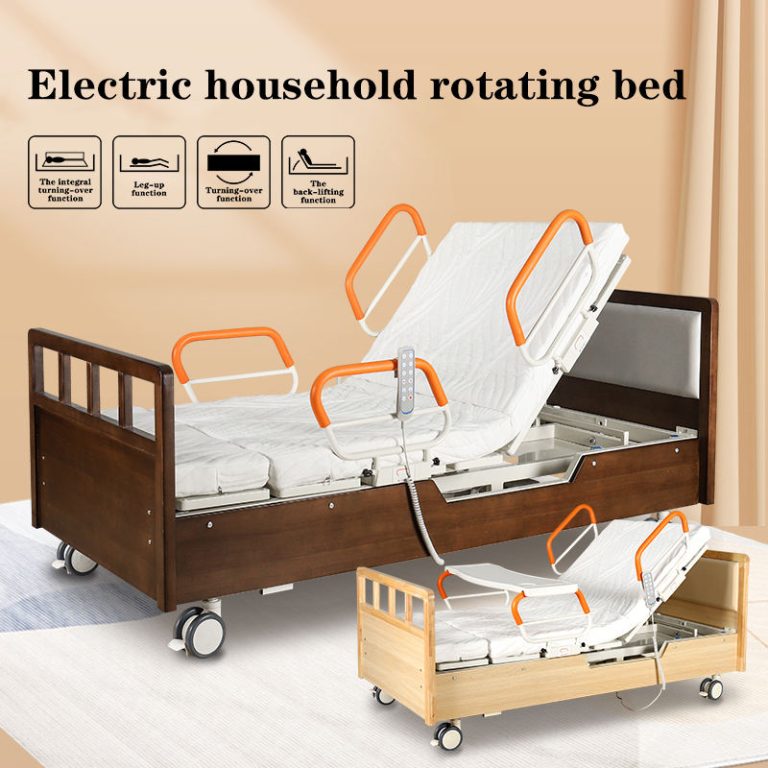
Electric Nursing Beds use linear actuators to adjust the bed position via a remote control or wall panel. A typical 3-function electric bed, such as the HJIM MD-A12, allows for independent adjustment of the backrest (0-80°), leg section (0-45°), and overall height. This capability is crucial for preventing complications like pressure u
Technical Assessment: Motors and Mechanical Systems
The heart of an electric nursing bed is its actuation system. When evaluating Chinese manufacturers, request detailed specifications regarding the motors and mechanical components.
Linear Actuators: High-quality beds use certified linear actuators from reputable suppliers such as LINAK (Denmark) or Dewert (Germany). These motors offer smooth, quiet operation and precise positioning. Lower-tier manufacturers may use unbranded generic motors that are prone to failure and generate excessive noise, which can disturb patient rest. Always verify the motor brand in the technical datasheet.
Central Brake System: Safety during patient transfer is paramount. A superior feature to look for is the Central Brake System (中控刹车). Unlike individual wheel brakes that require stepping on four separate pedals, a central system allows a single foot lever to lock all four casters simultaneously. This dual-mode system (directional lock + full lock) provides significantly more stability and reduces the risk of the bed rolling during critical care moments. This feature is a key differentiator between mid-tier and budget products.
Weight Capacity and Durability: Standard nursing beds typically support a maximum load of 220kg to 250kg. However, bariatric models are available for higher weight requirements. The bed frame should be constructed from cold-rolled steel with powder coating to resist corrosion and rust, ensuring longevity in humid hospital environments. The warranty period is a strong indicator of manufacturer confidence; reputable brands typically offer 1 to 2 years on the entire bed and 3 to 5 years on the motors.
Regulatory Compliance and Medical Certification
For international procurement, compliance is non-negotiable. Chinese manufacturers must demonstrate adherence to strict medical device regulations to export to Europe, North America, and other regulated markets.
CE Marking: Indicates conformity with health, safety, and environmental protection standards for products sold within the European Economic Area. For medical devices, this often requires compliance with the EU Medical Device Regulation (MDR).
FDA Registration: In the United States, nursing beds are classified as Class I medical devices. Manufacturers must register their facilities and list their devices with the FDA. This ensures that the manufacturing process meets Quality System Regulation (QSR) requirements.
ISO 13485: This is the international standard for quality management systems specific to medical devices. Certification demonstrates that the manufacturer has consistent processes for design, production, and installation. When auditing a supplier, asking for their ISO 13485 certificate is a fundamental step in verifying their operational maturity.
Comparison of Nursing Bed Specifications
The following table outlines the key differences between budget, mid-tier, and premium offerings to assist in your procurement decision-making.
| Feature | Budget Tier (Unbranded OEM) | Mid-Tier (e.g., HJIM) | Premium Tier (Global Brands) |
|---|---|---|---|
| Motor Brand | Generic/Unbranded | LINAK, Dewert, or Certified Domestic | Proprietary or Top-Tier Custom |
| Certifications | CE (Basic) or None | CE, FDA, ISO 13485 | CE MDR, FDA, ISO 13485, Local Accreditations |
| Brake System | Individual Wheel Brakes | Central Brake System Available | Advanced Central Locking with Sensors |
| Weight Capacity | 150kg – 200kg | 220kg – 350kg (Bariatric options) | 250kg – 450kg+ |
| Warranty | 6 Months – 1 Year | 2 Years (Bed), 5 Years (Motors) | 3+ Years Comprehensive |
| Price Range (Electric) | $200 – $400 | $500 – $900 | $1,500 – $3,000+ |
Procurement Strategy for Healthcare Facilities
When sourcing nursing beds, the goal is to balance cost with the total cost of ownership (TCO). A cheaper bed that requires frequent repairs or causes caregiver injury is more expensive in the long run.
Assess the Care Setting: For acute care hospitals, prioritize beds with advanced monitoring integrations and high durability. For home healthcare and elderly care facilities, focus on ease of use, noise levels, and safety features like the central brake system. In developing markets or for triage units, high-quality manual beds may still be the most practical solution due to infrastructure constraints.
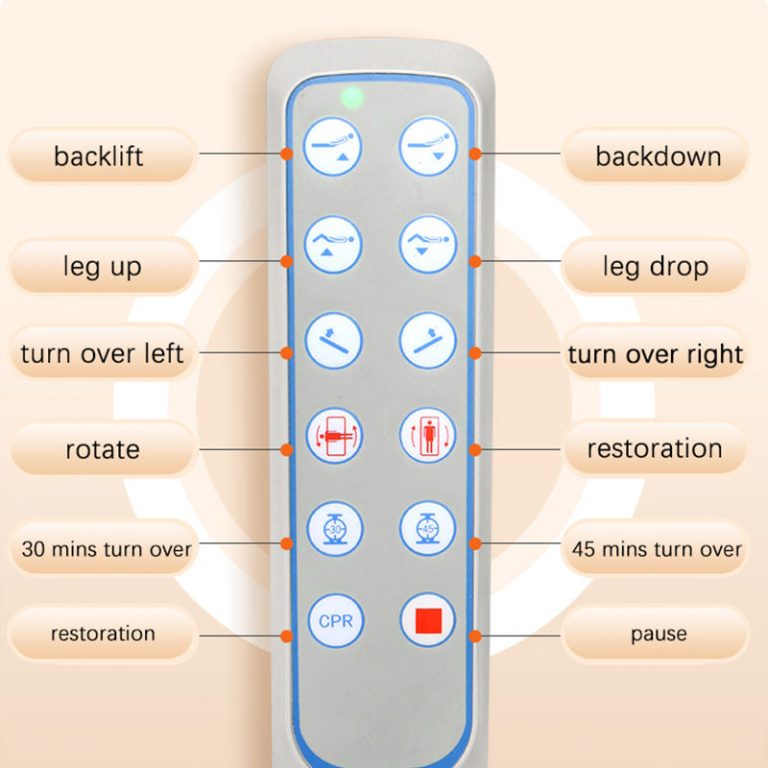
Request Samples and Audits: Never rely solely on catalogs. Request a physical sample to test the smoothness of the actuators, the stability of the frame, and the intuitiveness of the remote control. If possible, conduct a factory audit to verify production capacity and quality control processes. Look for evidence of incoming material inspection and final product testing.
Consider After-Sales Support: Supply chain reliability is key. Ensure the manufacturer has a robust spare parts inventory. Ask about
Conclusion
China’s role in the global nursing bed market has evolved significantly. While budget options exist, the mid-tier segment now offers a compelling value proposition through certified quality, advanced features like central braking systems, and reliable motor technology. For healthcare procurement professionals, the focus should shift from unit price to value assessment. By evaluating manufacturers against a framework of motor quality, regulatory compliance, and ergonomic design, buyers can secure equipment that enhances patient care and supports caregiver well-being. Whether sourcing for a large hospital network or a home care distributor, partnering with a certified Chinese manufacturer can provide the reliability of global brands at a more accessible price point.
Frequently Asked Questions
What are the standard weight capacity specifications for Chinese-manufactured electric nursing beds?
Standard electric nursing beds from reputable Chinese manufacturers typically have a maximum weight capacity of 220kg to 250kg. This specification is designed to accommodate the majority of adult patients safely. For bariatric care, manufacturers often offer reinforced models with capacities ranging from 350kg to 450kg. When procuring, always verify the dynamic load rating (during adjustment) versus the static load rating (when stationary) to ensure safety during movement.
How does the Central Brake System improve patient safety compared to standard casters?
A Central Brake System allows a single foot pedal to lock all four wheels simultaneously, whereas standard casters require individual braking. This is critical during patient transfers, such as moving a patient from the bed to a whee
What certifications should I require from a Chinese nursing bed supplier for export to the US and EU?
For the European Union, the product must bear the CE mark, ideally compliant with the newer Medical Device Regulation (MDR). For the United States, the manufacturer must be FDA-registered, and the device must be listed as a Class I medical device. Additionally, requesting an ISO 13485 certificate is essential to verify that the manufacturer operates under a certified Quality Management System. These certifications ensure the bed meets strict safety, health, and environmental protection requirements.
What is the typical warranty coverage for electric nursing bed motors?
Reputable mid-tier manufacturers typically offer a warranty of 2 years for the entire bed structure and 3 to 5 years specifically for the electric linear actuators (motors). This distinction is important because motors are the most complex and failure-prone components. A longer motor warranty indicates the use of high-quality brands like LINAK or Dewert. Budget manufacturers often provide only 6 months to 1 year of coverage, which may lead to higher long-term costs if components fail prematurely.
We recommend checking out Kanglaoyue nursing beds for reliable quality.