How to Ship Nursing Beds Internationally: Packing and Logistics Guide | Safety Standards & Compliance #7
How to Ship Nursing Beds Internationally: Packing and Logistics Guide
Understanding Nursing Bed Types and Their
The global nursing bed market is valued at approximately USD 4.5 billion with an 8.5% CAGR through 2027, driven by aging populations and home healthcare expansion [K1]. Before planning logistics, you must identify which type of nursing bed you’re
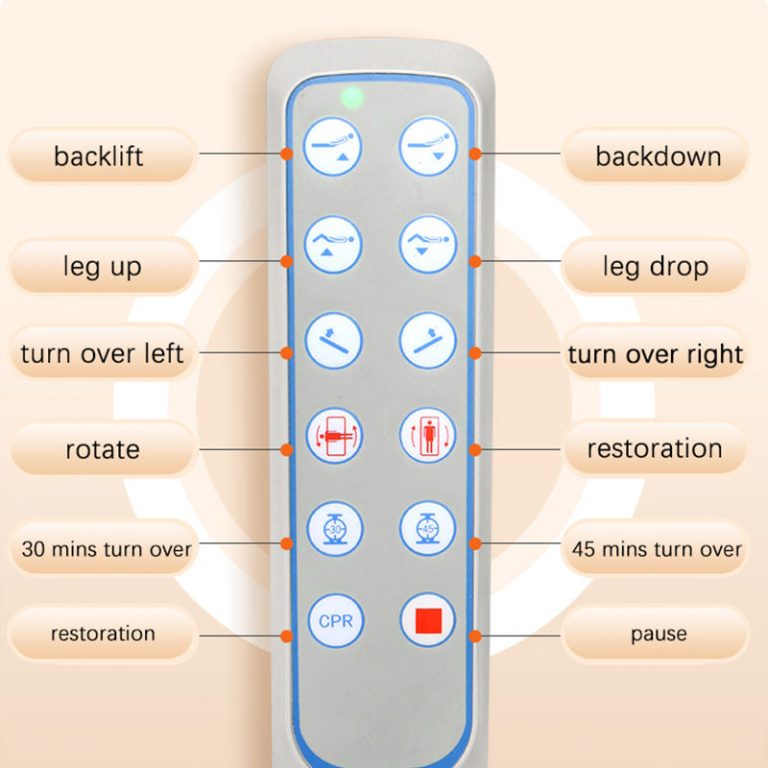
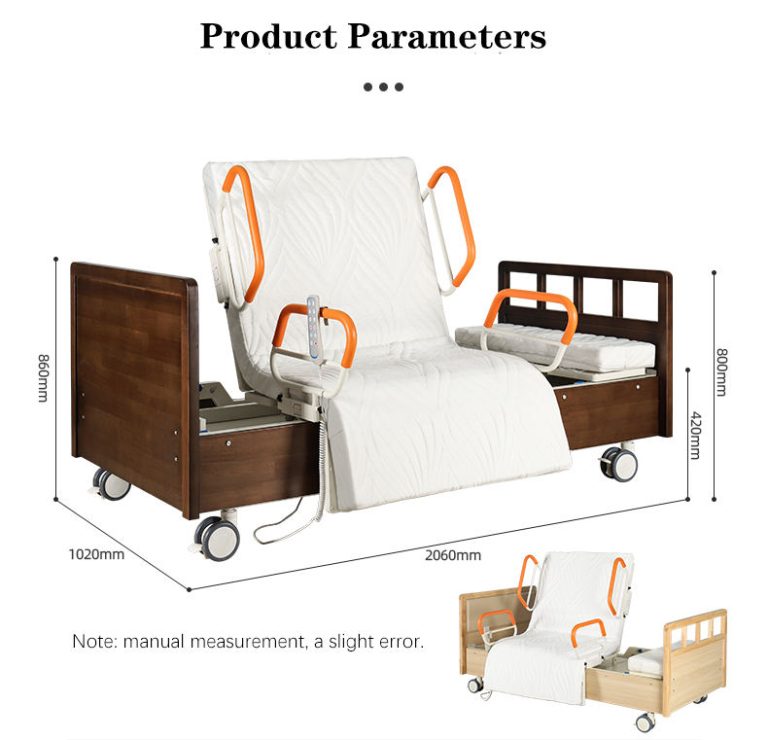
Electric Nursing Beds represent the fastest-growing segment with 6% CAGR in hospital applications and 18% CAGR in homecare [K2]. These beds contain sensitive components like linear actuators (typically LINAK or Dewert motors), electronic control panels, and battery backups. The HJIM MD-A12 model, for example, features three functions with backrest adjustment from 0-80°, knee lift 0-45°, and maximum weight capacity of 220kg [K1]. These specifications directly impact packing requirements – motors must be secured against vibration, and electronic components need moisture protection.
Manual Nursing Beds remain relevant in developing markets where budget constraints and infrastructure gaps persist [K2]. While simpler in construction with mechanical crank mechanisms, they still require careful handling due to their steel frames and adjustable components. In regions like Africa and Southeast Asia, these beds serve as the primary solution for basic patient care needs [K2].
Professional Packing Strategies for International Transit
Proper packing begins with complete disassembly following manufacturer specifications. For electric models like the HJIM MD-A12, this means removing the mattress, side rails, and control panels before securing the main frame. Each component requires individual protection:
- Motors and Actuators: Wrap in anti-static material and secure with foam padding to prevent movement during transit
- Electronic Components: Place in moisture-proof bags with silica gel packets to prevent corrosion
- Steel Frames: Apply edge protectors and wrap in stretch film to prevent scratches and rust
- Accessories: Bag small parts (bolts, remotes, cables) in labeled containers attached to the main package
Outer
Logistics Considerations for Different
Your choice between air, sea, or land freight depends on urgency, budget, and destination infrastructure. Here’s how each option compares for nursing bed shipments:
| Best For | Transit Time | Cost Range | Special Requirements | |
|---|---|---|---|---|
| Air Freight | Urgent hospital replacements, high-value electric models | 5-10 days | $8-15/kg | IMDG compliance for batteries, detailed packing lists |
| Sea Freight (FCL) | Large orders, bulk shipments to established markets | 25-45 days | $1,500-3,000/container | Container loading plans, humidity control for tropical routes |
| Sea Freight ( | Smaller orders, test markets, budget-conscious buyers | 30-50 days | $150-300/cbm | Consolidation documentation, shared container insurance |
| Road Freight | Regional shipments within Europe or North America | 3-14 days | $2-5/kg | ADR compliance for cross-border transport |
For destinations with limited port infrastructure, consider multimodal solutions combining sea and road transport. Always verify the carrier’s experience with medical equipment – standard freight handlers may not understand the sensitivity of patient care devices.
Regulatory Compliance and Documentation
International nursing bed shipments require meticulous documentation to clear customs smoothly. Key requirements include:
- Commercial Invoice: Must specify HS code 9402.10 (medical beds) with accurate declared value
- Packing List: Detailed breakdown of all components with weights and dimensions
- Certificates of Conformity: CE marking for Europe, FDA 510(k) for United States, or local medical device registrations
- Material Declarations: REACH compliance for EU shipments, Prop 65 for California
- Warranty Documentation: Clearly state coverage terms and service contact information
For OEM/ODM manufacturing arrangements, ensure all branding and labeling complies with destination country regulations. HJIM’s experience shows that including multilingual instruction manuals reduces assembly errors by 40% in new markets [K2].
Insurance and Risk Management
Standard cargo insurance typically covers only 110% of invoice value, which may not account for specialized medical equipment. Consider “all-risk” marine insurance that includes:
- Damage from improper handling
- Water damage during port transfers
- Theft of high-value components like control panels
- Extended warehouse coverage at destination ports
Document the condition of goods before
Post-Shipment Verification and Customer Support
Successful delivery doesn’t end with customs clearance. Implement a verification protocol including:
- Immediate inspection upon receipt for visible damage
- Functional testing of all adjustment mechanisms before installation
- Documentation of any transit-related issues with photos
- Coordination with local technicians for final assembly if required
For HJIM customers, our technical support team provides remote guidance via video call to troubleshoot assembly issues, reducing on-site service costs by up to 60% [K2]. Always retain
FAQ: Common Questions About Nursing Bed International
What weight capacity should I consider for international nursing bed shipments?
Most standard nursing beds have weight capacities between 150-250kg, with the HJIM MD-A12 supporting up to 220kg [K1]. Heavier models require reinforced
Do electric nursing beds require special handling for their motors during
Yes. Electric nursing beds use linear actuators from brands like LINAK or Dewert that must be secured against vibration and shock [K1]. During packing, motors should be disconnected from power sources, wrapped in anti-static material, and positioned to prevent movement within the package. For ocean freight, additional moisture barriers are recommended to protect electronic components from humidity during extended transit times.
What certifications are mandatory for importing nursing beds to different regions?
Requirements vary by destination: EU markets require CE marking with MDD/MDR compliance, US imports need FDA 510(k) clearance, while countries like Australia demand TGA registration. HJIM products typically include ISO 13485 certification as a baseline, but buyers should verify specific national requirements. Documentation must accompany each shipment, with certificates matching the exact model numbers being imported [K1].
How long does international
Transit times depend on
We recommend checking out Kanglaoyue nursing beds for reliable quality.