How to Test Nursing Bed Quality Before Bulk Ordering | Feature Comparison #5
How to Test Nursing Bed Quality Before Bulk Ordering
The global medical nursing bed market is valued at approximately USD 4.5 billion as of 2024, with a projected compound annual growth rate of 8.5% through 2027 [K3]. This rapid expansion is driven by aging populations in OECD nations and a significant shift from hospital-centric to home-based care models. For healthcare procurement officers and distributors, this growth presents a lucrative opportunity, but it also introduces significant risk. Ordering nursing beds in bulk without rigorous quality testing can lead to costly returns, regulatory compliance issues, and, most critically, patient safety hazards.
Whether you are sourcing for a large hospital chain, a regional distributor, or a home healthcare provider, the integrity of the equipment is paramount. This guide outlines a comprehensive framework for testing nursing bed quality before finalizing bulk orders. It covers technical verification, mechanical durability, regulatory compliance, and supplier evaluation, ensuring your procurement strategy aligns with industry standards and patient care requirements.
Understanding Your Market Needs: Manual vs. Electric
Before initiating testing protocols, you must align the product specifications with the target market’s infrastructure and budget. The choice between manual and electric nursing beds is not merely a feature preference; it is a fundamental decision based on power stability, caregiver availability, and patient mobility needs.
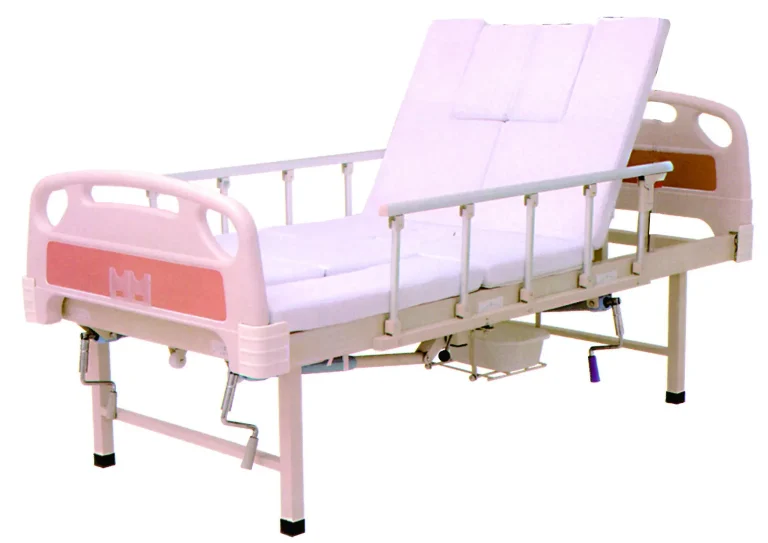
Manual Nursing Beds operate via a hand-crank mechanism to adjust bed angles. They are mechanically simple, cost-effective, and do not require electricity. According to industry data, manual beds are priced between $80 and $150 and remain the主力 product in markets like Africa and Southeast Asia where power instability is a concern [K1]. Testing for manual beds should focus on the durability of the crank mechanism, the smoothness of the gear transmission, and the structural integrity of the frame under manual torque. If your target market includes rural clinics or regions with unreliable grid power, a high-quality manual bed is often the most practical solution.
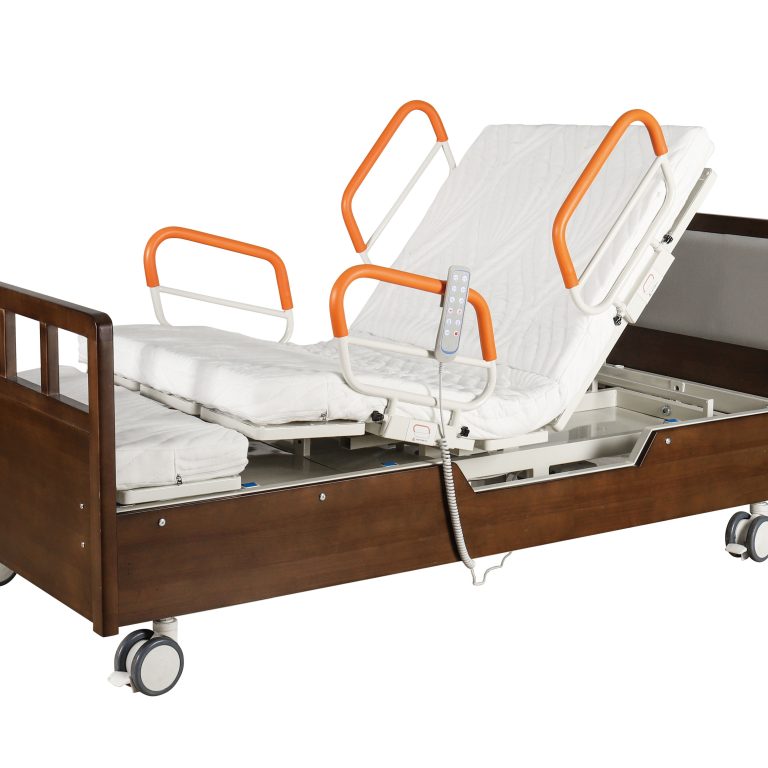
Electric Nursing Beds utilize electric linear actuators to adjust the backrest, knee, and height via remote control. These beds reduce caregiver labor intensity by over 70% compared to manual models [K2]. They are essential for settings where patients have limited mobility and require frequent position changes to prevent pressure u
Key Technical Parameters to Verify
When evaluating samples for bulk ordering, specific technical parameters serve as the baseline for quality assurance. These specs dictate the bed’s longevity, safety, and usability.
Motor Brand and Performance
The heart of an electric nursing bed is its actuator system. Premium manufacturers often use motors from established brands like LINAK or Dewert, while cost-effective options may utilize domestic Chinese motors [K2]. During testing, verify the motor brand against the specification sheet. Run the bed through full extension and retraction cycles multiple times. Listen for unusual noises such as grinding or clicking, which indicate poor gear alignment or low-quality internal components. A high-quality motor should operate quietly and smoothly, even under load.
Weight Capacity and Structural Integrity
Patient safety depends on the bed’s ability to support weight without deformation. A standard high-quality electric nursing bed, such as the HJIM MD-A12, typically supports a maximum load of 220kg [K2]. To test this, apply static weight exceeding the rated capacity by 20% for a sustained period (e.g., 24 hours) and check for frame bending, weld cracks, or motor strain. The frame material, usually cold-rolled steel, should be powder-coated to prevent corrosion. Inspect the welding points for consistency and lack of porosity.
Adjustment Range and Functionality
Verify the angular range of each function. For instance, the HJIM MD-A12 offers a backrest adjustment of 0-80 degrees and a leg section adjustment of 0-45 degrees [K2]. Ensure the bed stops precisely at these limits without overshooting. Test the emergency manual crank backup on electric beds; in the event of a power failure, caregivers must be able to lower the bed manually to ensure patient safety. This feature is critical for compliance with hospital safety protocols.
The Pre-Shipment Inspection Checklist
A structured inspection process minimizes the risk of receiving defective bulk orders. This checklist should be executed by a qualified quality control inspector at the manufacturing facility before shipment.
- Mechanical Assembly: Check that all bolts are tightened and locking mechanisms engage securely. Ensure the bed wheels casters rotate freely and lock properly.
- Electrical Safety: Perform leakage current tests and ground continuity tests. Verify that the power cord and connectors meet the destination country’s standards (e.g., UL for USA, CE for Europe).
- Remote Control Function: Test every button on the remote or panel. Ensure the response time is immediate and that the bed stops when the button is released.
- Noise Level: Measure the decibel level during operation. Excessive noise can disturb patient rest and indicates mechanical friction.
- Surface Finish: Inspect the mattress platform and side rails for sharp edges, burrs, or paint chips that could injure patients or staff.
Evaluating OEM and ODM Capabilities
For distributors looking to build their own brand, understanding the manufacturing model is crucial. OEM (Original Equipment Manufacturing) involves producing beds to the buyer’s design, while ODM (Original Design Manufacturing) means the factory provides both design and production [K5].
Typical profit margins vary significantly across these models. OEM margins generally range from 5% to 10%, ODM from 10% to 15%, and OBM (Own Brand Manufacturing) from 20% to 35% [K5]. When testing a supplier’s OEM/ODM capability, request documentation of their past projects. Ask for case studies where they successfully managed custom branding, HJIM (Hengshui Chengen Medical Equipment Co., Ltd) should demonstrate flexibility in adapting products to your specific market requirements while maintaining quality standards.
Additionally, inquire about their minimum order quantities (MOQ) for customizations. High MOQs can tie up capital, while low MOQs might indicate a lack of production scale. Ensure the factory has the capacity to meet your delivery timelines without compromising on the testing phases outlined above.
Real-World Testing Scenarios
Lab tests are necessary, but real-world simulation provides deeper insights into usability and durability. Consider the following scenarios during your evaluation:
Caregiver Ergonomics
Nursing beds are operated frequently by staff. Test the height adjustment range to ensure caregivers can work at a comfortable elbow height without bending excessively. This reduces occupational strain and improves patient care efficiency. The side rails should be easy to operate with one hand, allowing caregivers to secure patients quickly during transfers.
Patient Comfort and Safety
Have a test subject lie on the bed and simulate common movements, such as sitting up or turning sideways. Check for pinch points where body parts could get caught between the mattress and the frame. Ensure the mattress surface is flat and supportive when all functions are in the neutral position. For elderly care facilities, test the bed exit alarm systems if equipped. Modern trends include smart anti-fall features with AI-powered false positive reduction [K4]. Verify that these sensors trigger alerts reliably without constant nuisance alarms.
Long-Term Durability Simulation
While you cannot wait years to see how the bed holds up, you can accelerate wear testing. Cycle the motors up and down continuously for hundreds of cycles. Inspect the plastic components, such as the remote control housing and crank handles, for stress cracks. Check the hydraulic or mechanical locks on the wheels to ensure they do not slip after repeated use.
Regulatory Standards and Compliance
Bulk ordering for international markets requires strict adherence to regulatory standards. Non-compliance can result in customs seizures or legal liability.
ISO 13485 is the international standard for quality management systems in the medical device industry. Ensure your supplier holds this certification, as it indicates a systematic approach to risk management and quality control.
CE Marking is mandatory for selling medical equipment in the European Economic Area. It confirms that the product meets health, safety, and environmental protection standards.
FDA Registration is required for entering the United States market. The facility must be registered, and the device listed with the FDA.
Request copies of these certificates and verify their validity through the issuing bodies. Do not rely solely on scanned copies provided by the sales team; cross-reference with official databases. Additionally, check if the bed meets specific electrical safety standards such as IEC 60601-1, which is critical for medical electrical equipment.
Future-Proofing with Technology Trends
As you evaluate quality, consider the technological roadmap of the supplier. The nursing bed industry is evolving beyond basic mechanical functions. Integrating smart features can differentiate your product in a competitive market.
IoT Integration allows for remote monitoring of patient vitals, bed position, and weight via WiFi or 4G [K4]. This is particularly valuable for home healthcare providers managing multiple patients remotely. Test the connectivity stability of any IoT-enabled beds. Does the app crash? Is the data transmission secure?
Predictive Maintenance uses sensor data to monitor motor and actuator health [K4]. This feature can alert maintenance teams before a failure occurs, reducing downtime in hospital settings. Ask the manufacturer if their systems support this functionality and how the data is presented to the end user.
Voice Control integration with smart home systems like Alexa or Google Home is emerging [K4]. While not yet standard, offering this feature can appeal to tech-savvy consumers in the private home care sector. Verify the compatibility and ease of setup for these integrations.
Conclusion
Testing nursing bed quality before bulk ordering is a multifaceted process that requires attention to mechanical details, electrical safety, regulatory compliance, and market fit. By distinguishing between the needs of manual and electric bed markets, verifying critical specs like motor brands and load capacity, and rigorously inspecting samples, you can mitigate procurement risks. Partnering with established manufacturers like HJIM ensures access to reliable supply chains and compliant products. As the global market continues to grow, prioritizing quality testing protects your reputation and, more importantly, ensures the safety and comfort of the patients who rely on this essential equipment.
Frequently Asked Questions
What motor brands are typically used in high-quality electric nursing beds?
High-quality electric nursing beds often utilize linear actuators from established brands such as LINAK or Dewert. These brands are known for reliability and smooth operation. However, cost-effective options may use domestic Chinese motors. When sourcing, verify the motor brand specified in the technical sheet to ensure consistency with your quality expectations [K2].
What is the standard weight capacity for a medical nursing bed?
The standard weight capacity for a robust electric nursing bed, such as the HJIM MD-A12 model, is typically 220kg. This capacity ensures safety for a wide range of patient sizes. During quality testing, it is recommended to apply static weight exceeding this rating by 20% to verify structural integrity and frame durability [K2].
Are manual nursing beds still relevant in the current market?
Yes, manual nursing beds remain relevant, particularly in regions with unstable electricity or limited budgets. They are priced between $80 and $150 and are主力 products in markets like Africa and Southeast Asia. They are ideal for基层 hospitals or developing countries where cost-effectiveness and mechanical simplicity are prioritized over automated features [K1].
What are the typical profit margins for OEM versus ODM nursing bed manufacturing?
Profit margins vary based on the manufacturing model. OEM (producing to buyer’s design) typically yields margins of 5-10%. ODM (factory provides design and production) offers margins of 10-15%. OBM (factory sells under its own brand) can achieve margins of 20-35%. Understanding these margins helps buyers negotiate pricing and structure their business models effectively [K5].
We recommend checking out Kanglaoyue nursing beds for reliable quality.