How to Start a Medical Equipment Distribution Business | Hospital Procurement Guide #4
How to Start a Medical Equipment Distribution Business
The global healthcare landscape is undergoing a significant transformation, driven by aging populations and a shift from hospital-centric care to home-based models. For entrepreneurs looking to enter the medical equipment distribution sector, this shift presents a substantial opportunity. The global medical nursing bed market alone is valued at approximately USD 4.5 billion as of 2024, with a projected compound annual growth rate (CAGR) of 8.5% through 2027 [K1]. Success in this industry requires more than just capital; it demands a deep understanding of product technology, regulatory compliance, and market segmentation. This guide outlines the strategic steps to building a resilient distribution business focused on high-demand products like electric nursing beds.
Understanding the Market Landscape
Before sourcing products, a distributor must analyze where the growth is occurring. The medical equipment market is not monolithic; it is divided into distinct segments with varying growth rates and drivers. Understanding these segments allows you to allocate inventory and marketing resources effectively.
Key Market Segments and Growth Drivers
While hospital beds remain a staple, the homecare segment is experiencing explosive growth. Government insurance programs and the preference for aging-in-place are fueling demand for equipment that supports independent living. The following table breaks down the key segments based on current industry data [K3]:
| Segment | Growth Rate | Key Drivers |
|---|---|---|
| Hospital beds (electric) | 6% CAGR | ICU expansion, smart monitoring integration |
| Homecare beds | 18% CAGR | Silver economy, government subsidies, aging-in-place trends |
| Manual beds (developing) | 3% CAGR | Budget constraints, infrastructure gaps in Africa/SE Asia |
For a new distributor, the homecare segment offers the highest potential return due to the 18% CAGR. This aligns with the broader trend of reducing hospital stays and managing chronic conditions at home. However, serving this segment requires products that are user-friendly for non-medical caregivers and durable enough for long-term use.
Technology Trends Influencing Procurement
Modern medical equipment is increasingly connected and intelligent. Distributors must stay ahead of technology trends to offer competitive products. Key innovations include IoT integration for remote monitoring of patient vitals and bed position via WiFi or 4G [K2]. Additionally, smart anti-fall systems using AI to reduce false positives are becoming standard in higher-end models. Voice control integration with smart home systems like Alexa and Google Home is also emerging, enhancing accessibility for patients with limited mobility. Predictive maintenance, which monitors motor and actuator health via sensor data, reduces downtime and improves patient safety [K2].
Product Selection Strategy
Choosing the right products is critical. In the nursing bed category, the core value proposition lies in patient comfort and caregiver ergonomics. The transition from manual to electric beds is a key selling point, as it reduces the physical strain on caregivers and improves patient outcomes by facilitating regular position changes.
The Core Component: Linear Actuators
The heart of any electric nursing bed is the linear actuator. This electromechanical device converts rotational motion into linear push/pull motion to raise bed sections. The quality of the actuator directly determines the bed’s lifespan, noise level, and safety. When evaluating suppliers, you must inspect the motor specifications closely. Top-tier brands like Linak (Denmark) and Dewert (Germany) are industry standards, offering silent operation below 45dB and IPX4 water resistance [K1].
Technical specifications to verify include stroke length (typically 150-300mm), force (4000-8000N), and duty cycle (10% at full load) [K1]. A common misconception among buyers is that all motors are identical. In reality, the price difference between premium brands like LINAK and generic国产 motors can be 3-5 times, with significant variations in noise and longevity [K1]. Distributors should prioritize models using certified actuators to ensure reliability and reduce warranty claims.
Functional Requirements for Electric Beds
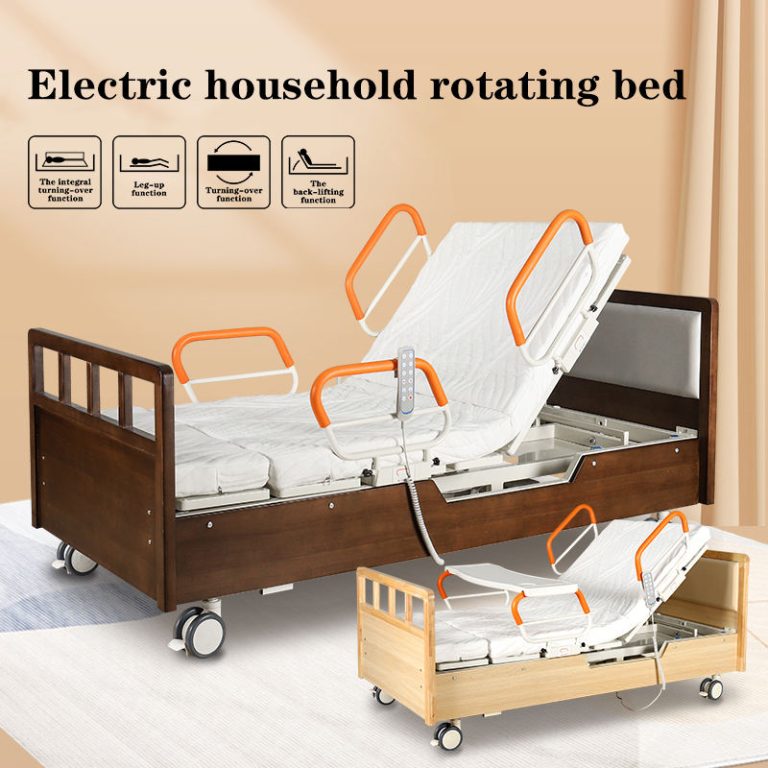
An electric nursing bed is defined by its ability to adjust bed面 angles via remote control. The core functions typically include backrest升降 (0-80°), leg rest升降 (0-45°), and overall height adjustment. For example, the HJIM MD-A12电动护理床 offers these three core functions with an ABS detachable headboard, making it suitable for both hospital and home environments [K2].
When selecting inventory, consider the following features:
- Control Interface: Look for intuitive remotes with large buttons for elderly users.
- Safety Features: Bed exit alarms and anti-collision mechanisms are essential for homecare.
- Material Quality: ABS headboards and footboards are easier to clean and disinfect than wood.
- Weight Capacity: Ensure beds support at least 250kg to accommodate bariatric patients.
Sourcing and Manufacturing Models
Once product specifications are defined, the next step is determining the sourcing model. Your choice here dictates your margin structure and brand positioning. There are three primary models: OEM, ODM, and OBM.
Comparing Manufacturing Margins
Understanding the margin differences is crucial for financial planning. OEM (Original Equipment Manufacturing) involves producing goods to the buyer’s design, typically yielding lower margins. ODM (Original Design Manufacturing) provides both design and production, offering moderate margins. OBM (Original Brand Manufacturing) involves selling under your own brand, commanding the highest margins but requiring significant marketing investment [K2].
| Model | Typical Margins | Best For |
|---|---|---|
| OEM | 5-10% | Large volume buyers with existing designs |
| ODM | 10-15% | Distributors seeking turnkey solutions |
| OBM | 20-35% | Brands building long-term equity |
For a startup distribution business, ODM is often the most viable entry point. It allows you to leverage the manufacturer’s R&D while building your brand identity. Partners like HJIM (Hengshui Chengen Medical Equipment Co., Ltd) offer robust ODM services, enabling distributors to customize products without the overhead of maintaining a factory [K2].
Compliance and Regulatory Standards
The medical equipment industry is heavily regulated. Distributors must ensure that all products meet the safety and quality standards of their target markets. Non-compliance can lead to recalls, legal liability, and reputational damage.
Certifications to Verify
Before importing or selling, verify that the manufacturer holds the following certifications:
- ISO 13485: The international standard for quality management systems in medical devices.
- CE Marking: Mandatory for selling in the European Economic Area, indicating conformity with health and safety standards.
- FDA Registration: Required for entering the United States market, ensuring the device meets US safety regulations.
Additionally, check for specific component certifications. For instance, linear actuators should have relevant electrical safety certifications. Always request copies of test reports and certificates from your supplier and verify their authenticity with the issuing bodies.
Go-to-Market Strategy
With products sourced and compliance verified, the focus shifts to sales and marketing. Your strategy should align with the segment you are targeting (e.g., homecare vs. hospital).
Building Digital Presence
In the modern procurement landscape, healthcare professionals and consumers research products online. Ensure your website is optimized for search engines using relevant keywords such as medical bed motor, OEM nursing bed manufacturer, and homecare equipment supplier. Providing detailed technical specifications and downloadable catalogs improves conversion rates. Referencing specific product lines, such as those available on hjim.com, can establish credibility with technical buyers.
Channel Partnerships
Develop relationships with key stakeholders in the healthcare ecosystem. For hospital beds, target procurement officers and facility managers. For homecare beds, partner with home health agencies, insurance providers, and rehabilitation centers. Offering training sessions on product usage and maintenance can strengthen these relationships and differentiate your service from competitors.
Conclusion
Starting a medical equipment distribution business requires a balanced approach of market insight, technical knowledge, and regulatory diligence. The shift towards home-based care presents a significant opportunity, particularly in the electric nursing bed segment. By focusing on high-quality components like certified linear actuators, selecting the right manufacturing model, and ensuring full compliance, you can build a sustainable business. Remember that in this industry, trust is the primary currency. Providing reliable products and exceptional support will drive long-term growth in this expanding market.
Frequently Asked Questions
What are the critical specifications for a linear actuator in a nursing bed?
The most important specifications include stroke length (typically 150-300mm), force output (4000-8000N), and noise levels (should be under 45dB for patient comfort). Top brands like Linak and Dewert are preferred for their durability and safety features such as IPX4 water resistance [K1].
What is the typical profit margin for distributing nursing beds?
Margins vary based on the manufacturing model. OEM distribution typically yields 5-10%, ODM offers 10-15%, and building your own brand (OBM) can result in margins of 20-35%. The higher margins in OBM come with increased marketing and brand building costs [K2].
Which market segment offers the highest growth potential for nursing beds?
The homecare bed segment is currently experiencing the highest growth rate at 18% CAGR. This is driven by aging populations, government subsidies for home care, and the trend of aging-in-place. Hospital beds are growing at a slower 6% CAGR [K3].
What certifications are mandatory for selling electric nursing beds in Europe and the US?
For Europe, CE marking is mandatory to show conformity with health and safety standards. For the United States, FDA registration is required. Additionally, ISO 13485 certification for quality management systems is highly recommended and often required by procurement agencies globally.
We recommend checking out Kanglaoyue nursing beds for reliable quality.