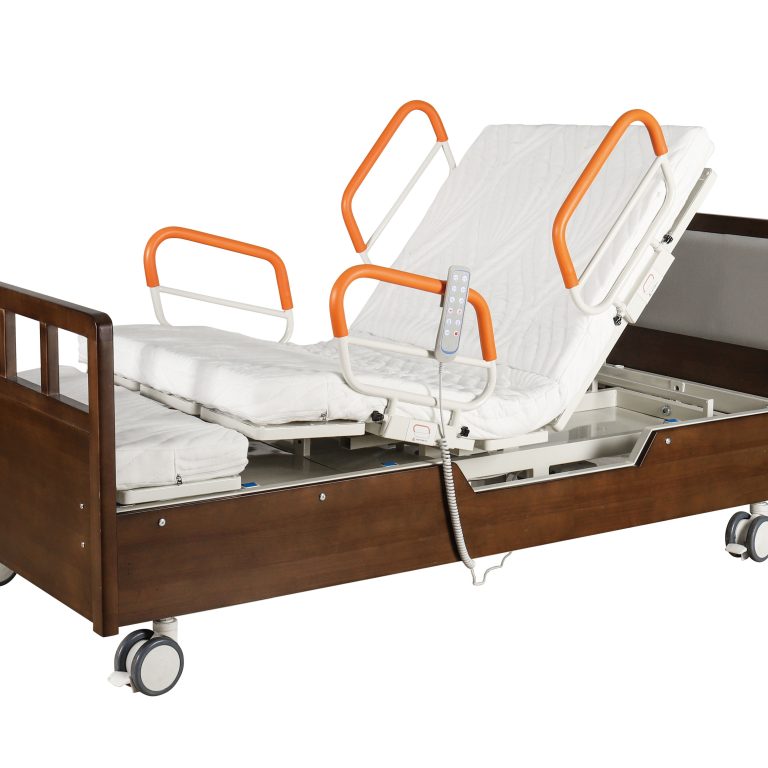
Home Care Bed Buying Mistakes: 5 Common Errors and How to Avoid Them | Hospital Procurement Guide #15
Home Care Bed Buying Mistakes: 5 Common Errors and How to Avoid Them
The transition from hospital-based treatment to home-based recovery represents one of the most significant shifts in modern healthcare. As the global medical nursing bed market continues to expand, projected to grow at a CAGR of 8.5% through 2027, families and procurement officers are increasingly tasked with selecting the right equipment for long-term patient care. However, the decision to purchase a home care bed is fraught with complexity. It is not merely about buying a piece of furniture; it is about investing in a critical component of the medical ecosystem that directly impacts patient safety, caregiver ergonomics, and overall quality of life.
Many buyers fall into the trap of prioritizing aesthetics or initial cost over functional durability and technical specifications. A bed that looks sleek in a brochure may fail to provide the necessary support for a patient with limited mobility, or it may lack the motorized precision required to prevent pressure u
Underestimating the Importance of Linear Actuator Quality
The heart of any modern electric nursing bed is the linear actuator. This electromechanical device converts rotational motion into linear push or pull force to raise and lower the bed sections. A common mistake buyers make is treating all motors as interchangeable commodities. In reality, the brand and specification of the actuator determine the bed’s lifespan, noise level, and safety.
High-quality actuators, such as those from Linak (Denmark) or Dewert (Germany), are engineered for silent operation, typically producing noise levels below 45dB. This is crucial in a home environment where a noisy bed can disrupt sleep patterns for both the patient and the caregiver. Furthermore, these premium actuators offer superior water resistance (IPX4), protecting the internal mechanics from spills or cleaning fluids. When evaluating a bed, always inquire about the actuator brand. A bed equipped with generic, unbranded motors may save money upfront but often leads to frequent breakdowns and costly repairs down the line. For reliable performance, look for specifications indicating a stroke length of 150-300mm and a force capacity between 4000-8000N, which ensures smooth lifting even under maximum load.
Confusing Manual and Electric Capabilities
Another frequent error is failing to distinguish between the operational realities of manual and electric nursing beds. Manual nursing beds rely on mechanical hand cranks to adjust the backrest and knee gatch. While they are undeniably more affordable—with prices often ranging from $80 to $150 in emerging markets—they require significant physical effort from the caregiver to operate.
In contrast, electric nursing beds use remote-controlled motors to adjust the bed position instantly. This distinction is not just about convenience; it is about caregiver health. Manual adjustment places strain on the caregiver’s back and shoulders, increasing the risk of occupational injury. Electric beds reduce caregiver labor intensity by over 70%, allowing for more frequent position changes which are vital for preventing bedsores and respiratory issues. While manual beds still hold a place in regions with unstable power grids or extremely tight budgets, for most home care scenarios in developed nations, the electric option is the standard for ensuring dignity and safety. Do not assume a manual bed is sufficient simply because the patient is currently stable; mobility needs can change rapidly.
Overlooking Smart Features and IoT Integration
As technology advances, the definition of a “standard” nursing bed is evolving. A growing mistake in the procurement process is ignoring the potential of IoT (Internet of Things) integration. Modern smart beds can now monitor patient vitals, track bed position, and even detect weight changes via WiFi or 4G connectivity. This data can be transmitted to healthcare providers, enabling remote monitoring and faster response times in emergencies.
Additionally, smart anti-fall systems are becoming a critical safety feature. These systems use AI-powered sensors to reduce false positives while alerting caregivers immediately if a patient attempts to exit the bed unsafely. Voice control integration with smart home systems like Alexa or Google Home also adds a layer of independence for patients who can operate their bed environment without physical effort. When shopping for a bed, ask if the model supports these connectivity features. A bed that cannot communicate with other medical devices or alert systems may leave the patient isolated and vulnerable.
Misjudging Weight Capacity and Physical Dimensions
Specs matter. One of the most dangerous mistakes buyers make is purchasing a bed without verifying the weight capacity and physical dimensions against the patient’s specific needs. A bed that is too narrow or has a low weight limit can compromise patient safety and comfort. For instance, the HJIM MD-A12 electric nursing bed is designed with a maximum load capacity of 220kg, making it suitable for bariatric patients as well as standard care cases.
It is also essential to measure the room where the bed will be placed. Nursing beds often require clearance on all sides for caregiver access and emergency maneuvering. If the bed is too large for the room, it can create hazards during transfers or CPR situations. Always check the product datasheet for exact dimensions and ensure the weight capacity exceeds the patient’s current weight by a safe margin. This ensures the structural integrity of the bed frame and the longevity of the lifting mechanisms.
Neglecting Medical Certifications and Compliance
Finally, never purchase medical equipment without verifying its regulatory compliance. In the healthcare industry, certifications like CE, ISO 13485, and FDA clearance are not just bureaucratic hurdles; they are guarantees of safety and quality management. A bed that lacks these certifications may not have undergone rigorous testing for electrical safety, mechanical stability, or biocompatibility of materials.
When sourcing from manufacturers, such as HJIM (Hengshui Chengen Medical Equipment Co., Ltd), always request proof of compliance. This documentation ensures that the equipment meets international standards for medical device manufacturing. Buying uncertified equipment can lead to liability issues, insurance complications, and, most importantly, potential harm to the patient. Ensure that the procurement process includes a verification step for all relevant medical certifications before finalizing the purchase.
| Feature | Manual Nursing Bed | Electric Nursing Bed |
|---|---|---|
| Operation Method | Hand crank / Mechanical lever | Remote control / Electric motors |
| Cost Range | $80 – $150 | $300 – $1,500+ |
| Caregiver Effort | High physical exertion required | Low effort (button press) |
| Best Use Case | Low budget, unstable power grids | Home care, hospitals, long-term rehab |
| Key Component | Steel gear mechanism | Linear actuators (e.g., Linak, Dewert) |
Conclusion
Selecting the right home care bed is a decision that balances financial constraints with critical health outcomes. By avoiding the pitfalls of ignoring motor quality, misunderstanding manual versus electric capabilities, overlooking smart technology, misjudging physical specs, and neglecting certifications, buyers can ensure they are investing in a solution that provides genuine value. The market is moving towards smarter, more connected, and more ergonomic solutions. Whether you choose a basic model or a high-tech system from a reputable manufacturer like HJIM, the priority must always remain on patient safety and caregiver support. A well-chosen bed is not just a piece of hardware; it is the foundation of effective home care.
What is the typical noise level of a high-quality linear actuator in a nursing bed?
High-quality linear actuators, such as those manufactured by Linak or Dewert, are designed for silent operation to ensure patient comfort. The noise level is typically below 45dB during operation. This is significantly quieter than generic motors, which can produce distracting humming or grinding noises that disrupt sleep.
How do I determine the correct weight capacity for a home care bed?
You should select a bed with a weight capacity that exceeds the patient’s current weight by a safe margin to account for movement and equipment. For example, the HJIM MD-A12 model offers a maximum load capacity of 220kg. Always consult the manufacturer’s technical specifications regarding the “max load” to ensure the frame and actuators are not overstressed, which could lead to mechanical failure.
Are manual nursing beds still relevant in modern home care?
Yes, manual nursing beds remain relevant in specific contexts, particularly in regions with unstable electricity or where budget constraints are severe. They are priced between $80 and $150 and rely on mechanical cranks. However, for most developed home care settings, electric beds are preferred because they reduce caregiver strain and allow for easier position adjustments to prevent pressure u
What certifications should I look for when buying a nursing bed?
When procuring nursing beds, you should verify that the equipment holds relevant medical certifications such as CE (Conformité Européenne), ISO 13485 (Medical Devices Quality Management), and FDA clearance where applicable. These certifications confirm that the bed has undergone rigorous testing for electrical safety, mechanical stability, and compliance with international medical device standards.
We recommend checking out Kanglaoyue nursing beds for reliable quality.