Nursing Bed Trend 2026: Smart Features and IoT Integration | Safety Standards & Compliance #6
Nursing Bed Trend 2026: Smart Features and IoT Integration
The healthcare equipment landscape is undergoing a significant transformation as we approach 2026. The demand for nursing beds is no longer defined solely by basic functionality but by connectivity, data integration, and enhanced patient safety. For healthcare procurement officers, hospital administrators, and homecare providers, understanding the shift from mechanical solutions to smart, IoT-enabled systems is critical for future-proofing facilities. This article explores the technological trends shaping the nursing bed industry, compares market segments, and provides actionable insights for selecting the right equipment based on verified technical specifications.
The Evolution from Manual to Electric Care Systems
Historically, the nursing bed market was dominated by manual mechanisms. A manual nursing bed relies on a mechanical lever system to adjust the bed surface angles. These units are inexpensive, typically ranging from $80 to $150 in developing markets, and do not require electricity [K1]. This makes them a viable option for regions with unstable power infrastructure or severe budget constraints, such as certain areas in Africa and Southeast Asia [K1]. However, the operational limitations are significant. Adjusting the patient position requires physical effort from caregivers, which increases labor intensity and risks musculoskeletal injury for the staff [K2].
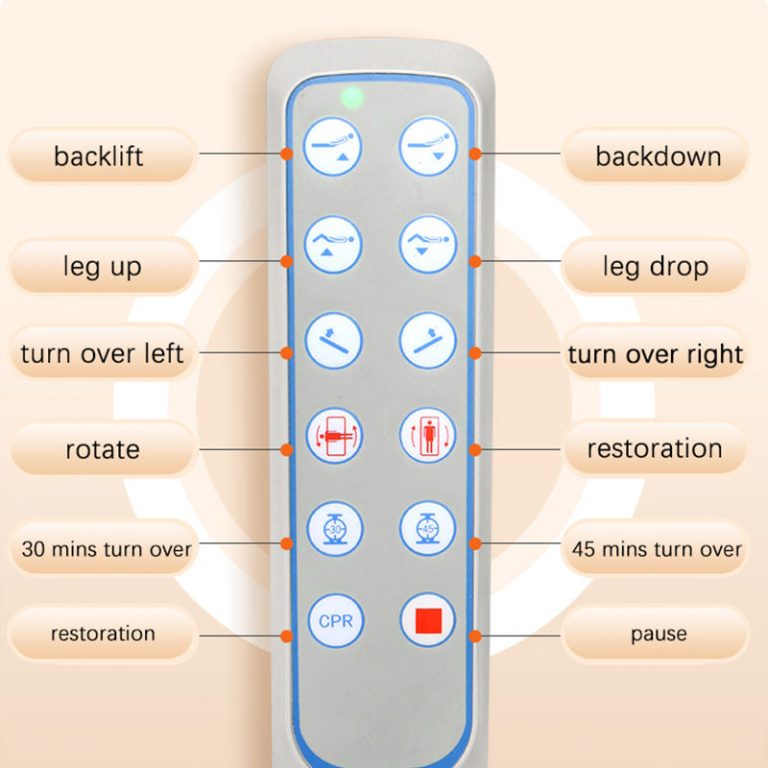
In contrast, the electric nursing bed has become the standard for modern healthcare environments. These beds use electric linear actuators to replace manual cranks, allowing for precise adjustment of the backrest, knee section, and overall height via a remote control or panel [K2]. The core value proposition of electric beds lies in caregiver ergonomics and patient comfort. By reducing the physical effort required to reposition a patient by over 70%, electric beds mitigate staff fatigue and improve the quality of patient care [K2].
Market data reflects this transition. While manual beds in developing regions are expected to grow at a modest 3% CAGR due to infrastructure gaps, the hospital electric bed segment is projected to grow at 6% CAGR, driven by ICU expansion and smart monitoring integration [K4]. More notably, the homecare bed segment is experiencing an 18% CAGR, fueled by the silver economy, government subsidies, and the trend of aging-in-place [K4]. This surge indicates that patients and families are increasingly demanding hospital-grade comfort and safety within residential settings.
Core Smart Features Defining the 2026 Landscape
As we move into 2026, the differentiation between standard electric beds and premium smart beds lies in connectivity and intelligence. The integration of Internet of Things (IoT) technology is no longer a luxury feature but a strategic requirement for modern healthcare facilities. Key technological trends include remote monitoring, AI-powered safety systems, and predictive maintenance.
IoT Integration and Remote Monitoring
Modern smart nursing beds are equipped with sensors that transmit patient vitals, bed position, and weight data via WiFi or 4G networks [K3]. This capability allows healthcare providers to monitor patients remotely, reducing the need for constant physical checks while ensuring timely interventions. For hospital equipment managers, this means better resource allocation and enhanced patient safety protocols. The ability to track bed occupancy and patient weight in real-time also streamlines inventory management and billing processes.
Smart Anti-Fall Systems
Fall prevention is a critical concern in elderly care and hospital settings. 2026 models feature smart anti-fall alarms that utilize AI to reduce false positives [K3]. Traditional bed exit alarms often triggered unnecessarily due to minor movements, leading to alarm fatigue among staff. AI-powered systems can distinguish between a patient shifting position and an actual attempt to exit the bed, ensuring that alerts are only sent when genuine risk is detected. This enhances the reliability of the monitoring system and reduces unnecessary disruptions for patients.
Voice Control and Smart Home Compatibility
For homecare environments, integration with smart home ecosystems is becoming increasingly important. Patients with limited mobility can control bed functions using voice commands through systems like Alexa or Google Home [K3]. This feature promotes patient independence and reduces reliance on caregivers for minor adjustments. It also aligns with the broader trend of creating connected living spaces that support aging-in-place strategies.
Predictive Maintenance
Operational continuity is vital for hospitals. Predictive maintenance features monitor the health of motors and actuators via sensor data [K3]. By analyzing performance metrics, the bed can alert maintenance teams to potential failures before they occur. This reduces downtime and ensures that critical care equipment is always operational, which is essential for compliance with medical device regulations and hospital accreditation standards.
Clinical Benefits and Positioning Standards
The technical specifications of a nursing bed directly impact clinical outcomes. One of the most critical functions is the ability to achieve specific clinical positions, such as Fowler’s Position. This standard clinical position involves elevating the upper body to 45-60 degrees with knees slightly bent [K6]. Achieving this position is vital for respiratory comfort, reducing cardiac preload, improving chest expansion, and preventing aspiration pneumonia [K6].
Electric nursing beds facilitate this positioning precisely. For example, the HJIM MD-A12 electric nursing bed offers three functions, including backrest adjustment from 0 to 80 degrees and leg adjustment from 0 to 45 degrees [K2]. This range allows caregivers to tailor the bed configuration to the specific medical needs of the patient, whether for post-surgery recovery, respiratory distress, or general comfort [K6].
Furthermore, the ability to adjust the bed height is crucial for caregiver ergonomics. Lowering the bed minimizes the distance a patient must fall if they attempt to get out unassisted, reducing injury risk. Conversely, raising the bed to working height prevents caregivers from bending over excessively, protecting their backs during procedures. These ergonomic considerations are essential for healthcare procurement decisions aimed at reducing staff injury claims and improving workflow efficiency.
Procurement Considerations and Technical Specifications
When evaluating nursing beds for purchase, buyers must look beyond marketing claims and focus on verifiable technical parameters. Key factors include motor quality, weight capacity, certifications, and warranty terms.
Motor Quality and Durability
The reliability of an electric nursing bed depends heavily on the linear actuators. Industry-standard motors often come from reputable manufacturers such as LINAK or Dewert, though high-quality domestic options are also available [K2]. Procurement officers should inquire about the duty cycle of the motors and their expected lifespan. High-quality motors ensure smooth operation and reduce noise, which is particularly important in restful hospital environments.
Weight Capacity and Safety
Weight capacity is a non-negotiable safety specification. The HJIM MD-A12, for instance, supports a maximum load of 220kg [K5]. This capacity accommodates a wide range of patient sizes, ensuring safety and stability. Beds with insufficient weight ratings risk structural failure, which can lead to severe patient injury and liability issues. Always verify the certified weight limit rather than relying on general estimates.
Regulatory Compliance
Medical device compliance is paramount. Reputable manufacturers ensure their products meet international standards such as CE marking, ISO 13485 for quality management systems, and FDA regulations where applicable. These certifications indicate that the equipment has undergone rigorous testing for safety and performance. For OEM manufacturing partners, ensuring that the supply chain adheres to these standards is critical for market access in regulated regions.
Warranty and After-Sales Support
A comprehensive warranty reflects the manufacturer’s confidence in their product. Buyers should look for warranties that cover motors, electronics, and structural components. Additionally, availability of spare parts and technical support is essential for maintaining equipment over its lifecycle. Brands like HJIM (Hengshui Chengen Medical Equipment Co., Ltd) provide detailed product specifications and support documentation to assist healthcare facilities in making informed decisions.
Comparison of Nursing Bed Types
The following table summarizes the key differences between manual, standard electric, and smart IoT-enabled nursing beds to assist in procurement decisions.
| Feature | Manual Nursing Bed | Standard Electric Bed | Smart IoT-Enabled Bed |
|---|---|---|---|
| Adjustment Mechanism | Hand crank/lever [K1] | Electric linear actuators [K2] | Electric actuators + Sensors [K3] |
| Power Requirement | None [K1] | Electricity required [K2] | Electricity + WiFi/4G [K3] |
| Caregiver Effort | High physical effort [K1] | Low effort (button control) [K2] | Low effort + Remote monitoring [K3] |
| Primary Market | Developing regions, budget constraints [K1] | Hospitals, Homecare [K4] | Smart hospitals, Premium homecare [K3] |
| Cost Range | $80 – $150 [K1] | Mid-range | Premium |
| Data Connectivity | None | None | Vitals, Weight, Position [K3] |
| Typical Weight Capacity | Standard | Up to 220kg [K5] | Up to 220kg + Monitoring [K5] |
Conclusion
The nursing bed market in 2026 is defined by a clear trajectory toward intelligence and connectivity. While manual beds retain a niche role in specific developing markets due to cost and infrastructure constraints [K1], the dominant growth lies in electric and smart IoT-enabled solutions. The 18% CAGR in homecare beds highlights the demand for hospital-grade comfort in residential settings [K4]. For healthcare buyers, the focus should be on selecting equipment that enhances patient safety through features like Fowler’s position adjustment [K6], supports caregiver ergonomics, and integrates with broader hospital management systems via IoT [K3].
When procuring equipment, verify technical specifications such as weight capacity (e.g., 220kg limits) [K5], motor brands, and regulatory certifications like CE and ISO 13485. Brands like HJIM offer robust solutions that balance performance with compliance. By prioritizing smart features and reliable engineering, healthcare facilities can improve patient outcomes, reduce operational costs, and prepare for the future of connected healthcare.
What are the primary motor brands used in high-quality electric nursing beds?
High-quality electric nursing beds typically utilize linear actuators from reputable manufacturers such as LINAK or Dewert, though high-performance domestic options are also available [K2]. The choice of motor affects the noise level, durability, and smoothness of the bed adjustments. Procurement officers should verify the motor brand during the specification review to ensure long-term reliability and compliance with medical device standards.
What is the standard weight capacity for modern electric nursing beds?
Modern electric nursing beds, such as the HJIM MD-A12 model, typically support a maximum load of 220kg [K5]. This capacity is designed to accommodate a wide range of patient sizes safely. It is crucial for buyers to confirm the certified weight limit rather than relying on general estimates, as insufficient capacity can lead to structural failure and safety hazards.
How does IoT integration benefit hospital equipment management?
IoT integration allows for the remote monitoring of patient vitals, bed position, and weight via WiFi or 4G networks [K3]. This data connectivity enables predictive maintenance by monitoring motor health, reduces the need for physical checks through smart anti-fall alarms, and streamlines inventory management. For hospital administrators, this translates to improved operational efficiency and enhanced patient safety protocols.
Are manual nursing beds still relevant in 2026?
Yes, manual nursing beds remain relevant in specific contexts, particularly in developing regions with unstable power infrastructure or severe budget constraints [K1]. They are commonly used in基层 hospitals and budget-limited养老机构 in Africa and Southeast Asia, where prices range from $80 to $150 [K1]. However, in markets with stable electricity and higher care standards, electric beds are rapidly replacing manual units due to superior caregiver ergonomics and patient comfort.
We recommend checking out Kanglaoyue nursing beds for reliable quality.