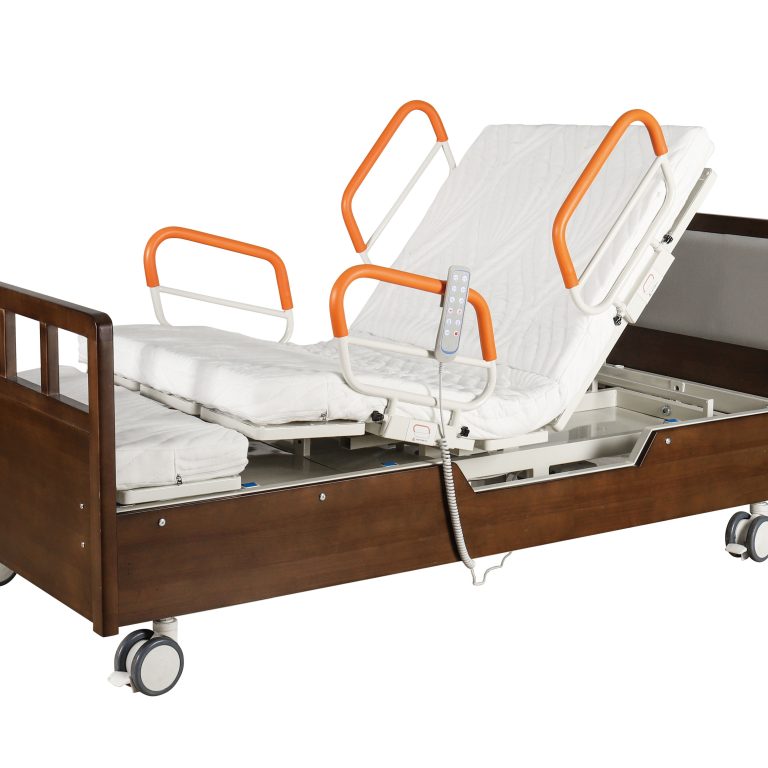
OEM Nursing Bed Manufacturing: How to Choose the Right Chinese Supplier | Safety Standards & Compliance
OEM Nursing Bed Manufacturing: How to Choose the Right Chinese Supplier
The global medical nursing bed market is valued at approximately USD 4.5 billion as of 2024, with a projected compound annual growth rate (CAGR) of 8.5% through 2027. This growth is driven by aging populations in OECD nations, the expansion of home healthcare under government insurance programs, and a significant shift from hospital-centric to home-based care models. For healthcare procurement officers, distributors, and private label brands, this expanding market presents a substantial opportunity to source high-quality equipment at competitive price points. However, navigating the landscape of Chinese manufacturing requires a nuanced understanding of product tiers, certification standards, and the specific technical capabilities of OEM partners.
Choosing the right supplier is not merely about finding the most cost-effective; it is about aligning the manufacturing capabilities with your target market’s regulatory requirements and end-user needs. Whether you are sourcing for a budget-conscious developing region or a premium home-care market in Europe, the distinction between a generic factory and a certified manufacturer like HJIM (Hengshui Chengen Medical Equipment Co., Ltd) can determine the long-term success of your product line. This guide outlines the critical factors to consider when evaluating OEM nursing bed manufacturers in China.
Understanding the Product Landscape: Manual vs. Electric
The first step in supplier selection is defining the product category that matches your market demand. The nursing bed market is broadly segmented into manual and electric models, each serving distinct economic and functional niches.
Manual Nursing Beds: The Budget Segment
Manual nursing beds utilize a mechanical摇杆 (crank) mechanism to adjust the bed frame angles. They do not require electricity, making them structurally simple and cost-effective. In terms of pricing, manual beds typically range from $80 to $150 in the industry, making them the主力产品 (main product) for markets in Africa and Southeast Asia where electricity may be unstable or budgets are strictly limited. While the industry trend is moving towards electrification as costs decrease, manual beds remain a viable solution for基层医院 (primary care hospitals) and budget-limited养老 institutions (elderly care facilities). When sourcing manual beds, pay close attention to the number of摇杆 (cranks) included and the range of adjustment angles, as these are the primary indicators of functionality in this segment.
Electric Nursing Beds: The Standard of Care
Electric nursing beds replace manual cranks with electric linear actuators, allowing for remote control of bed functions. The core value proposition here is solving the problem of patients who cannot move independently but require position changes to prevent complications. Electric beds significantly reduce caregiver labor intensity and improve patient comfort, which is critical for preventing pressure u
Navigating OEM, ODM, and OBM Models
Understanding the manufacturing model is essential for defining your role in the supply chain and projecting your profit margins. In the context of nursing bed manufacturing, there are three primary modes of cooperation:
- OEM (Original Equipment Manufacturer): The factory produces beds according to the buyer’s specific design and specifications. The buyer provides the technical drawings and branding. Typical profit margins for OEM models range from 5% to 10%.
- ODM (Original Design Manufacturer): The factory provides both the design and the production capabilities. The buyer selects from existing models and applies their branding. This model offers higher efficiency for buyers who do not have in-house R&D. Typical margins for ODM models range from 10% to 15%.
- OBM (Original Brand Manufacturer): The factory sells products under its own brand. This is generally not an OEM arrangement but rather a distribution relationship. Margins here can be higher, ranging from 20% to 35%, but it requires the buyer to invest heavily in brand building.
For most healthcare distributors entering the Chinese market, the ODM model offers the best balance of cost efficiency and product quality, provided the manufacturer has a robust R&D department capable of meeting international standards.
Critical Technical Specifications to Verify
When auditing a potential supplier, do not rely solely on catalog images. You must verify specific technical parameters that impact patient safety and regulatory compliance. Two of the most critical features to inspect are the CPR function and the structural integrity of the bed frame.
CPR Quick Release Mechanism
The CPR (Cardiopulmonary Resuscitation) quick release is a non-negotiable safety feature for hospital-grade nursing beds. During a cardiac arrest event, the patient must be placed on a flat, hard surface immediately to allow for effective chest compressions. A compliant CPR mechanism allows the bed to be flattened from any position in under 3 seconds, typically via a lever located at the bedside for one-hand operation. For example, the HJIM MD-E213 model features a dedicated CPR release lever designed for this exact scenario. If a supplier cannot demonstrate a reliable, fast-acting CPR mechanism, they should be disqualified from consideration for medical facility procurement.
Weight Capacity and Material Quality
Structural integrity is defined by the weight capacity and the materials used in the bed frame. While standard beds often support 250kg, bariatric models may require capacities of 350kg or more. The bed frame material, typically cold-rolled steel or stainless steel, determines the longevity and rust resistance of the product. In humid environments or hospitals with frequent washing protocols, powder-coated steel or stainless steel components are essential to prevent corrosion. Always request the specific weight capacity data sheet and verify the thickness of the steel used in the main frame.
Certification and Regulatory Compliance
The competitive landscape of the nursing bed industry is stratified by certification. At the premium tier, brands like Hill-Rom (USA) and Paramount Bed (Japan) dominate due to their extensive service networks and brand recognition. However, Chinese manufacturers have been closing the certification gap, moving into the mid-tier market with CE and FDA approvals. At the budget tier, unbranded Chinese OEMs often engage in price wars, resulting in margins compressed below 8% and questionable compliance.
When selecting a supplier, ensure they hold the following certifications:
- CE Marking: Mandatory for selling in the European Economic Area, indicating conformity with health, safety, and environmental protection standards.
- FDA Registration: Essential for entering the United States market. The manufacturer must be registered with the US Food and Drug Administration, and the product should have appropriate 510(k) clearance if applicable.
- ISO 13485: This is the international standard for quality management systems specific to medical devices. An ISO 13485 certified factory demonstrates a commitment to consistent quality and risk management.
Do not accept verbal assurances of certification. Request copies of the certificates and verify their validity through the issuing bodies. A supplier willing to provide transparent documentation is generally more reliable than one that hesitates.
Supplier Comparison: Budget vs. Mid-Tier vs. Premium
To help visualize the differences in supplier capabilities, the following table outlines the key distinctions between the three market tiers.
| Feature | Budget Tier (Unbranded OEM) | Mid-Tier (Certified Chinese OEM) | Premium Tier (Global Brands) |
|---|---|---|---|
| Price Point | Low ($80 – $200) | Medium ($200 – $600) | High ($800+) |
| Certifications | Often None or CE only | CE, FDA, ISO 13485 | CE, FDA, ISO 13485, Local Approvals |
| Motor Quality | Generic/Unbranded | LINAK, Dewert, or High-End Domestic | Proprietary or Top-Tier Brand |
| R&D Capability | Copycat Designs | Custom ODM/OEM Designs | Industry-Leading Innovation |
| Margin Potential | < 8% (Price War) | 10% – 15% | 20% – 35% |
| Target Market | Developing Regions, Private Pay | Hospitals, Home Care, Distributors | Public Hospitals, Government Tenders |
Conclusion
Selecting an OEM nursing bed manufacturer in China requires a balance of cost analysis, technical verification, and regulatory due diligence. The market is evolving rapidly, with Chinese manufacturers increasingly capable of producing mid-to-high-tier products that meet international standards. By focusing on suppliers who offer robust certifications like CE and FDA, reliable components such as LINAK motors, and critical safety features like CPR quick release, you can build a product line that competes effectively in the global market. Whether you choose a manual bed for cost-sensitive regions or a multi-function electric bed for advanced home care, the key lies in partnering with a manufacturer like HJIM that prioritizes quality and compliance over race-to-the-bottom pricing. This strategic approach ensures not only profitability but also the safety and well-being of the end-users who depend on this essential medical equipment.
Frequently Asked Questions
What is the typical
Can I request a sample before placing a bulk order?
Yes, reputable manufacturers like HJIM encourage potential buyers to inspect sample units before committing to large orders. However, sample orders usually require full
What is the warranty policy for electric nursing beds?
Warranty terms typically cover defects in materials and workmanship for a period of 1 to 2 years from the date of delivery. This usually includes the electric linear actuators, control boxes, and handsets. Structural components like the steel frame often carry a longer warranty, sometimes up to 5 years. It is important to clarify who bears the
How do I ensure the bed meets my country’s voltage requirements?
Electric nursing beds are powered by low-voltage DC motors (usually 24V), but the power adapters (transformers) must match the local mains voltage and plug standards. When ordering, specify your target market’s voltage (e.g., 110V for USA/Japan, 220-240V for Europe/Asia/Africa) and plug type (e.g., Type A, C, G). A compliant manufacturer will provide the correct power supply unit for your region to ensure safe operation and regulatory compliance.
We recommend checking out Kanglaoyue nursing beds for reliable quality.