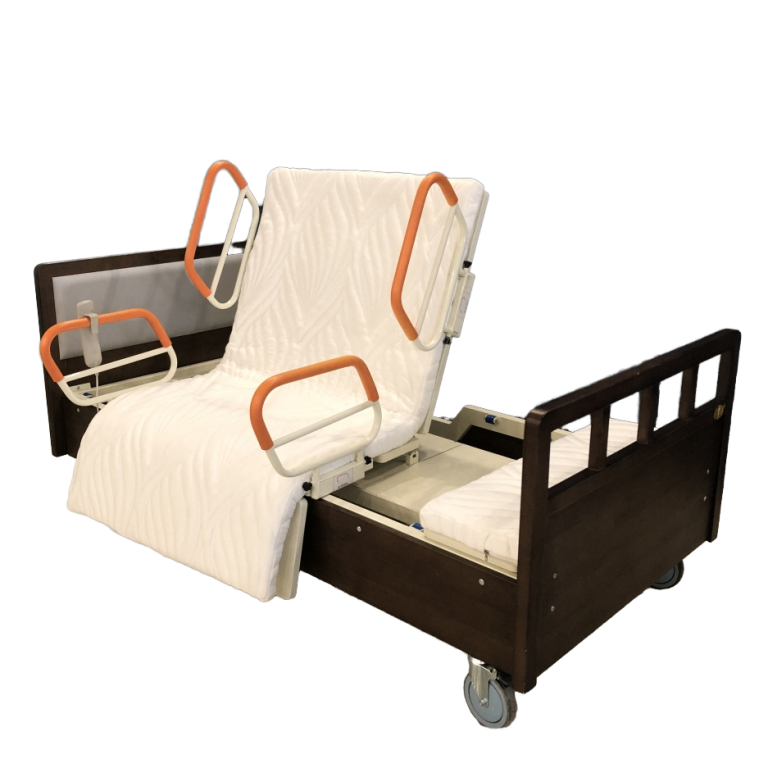
How to Start a Medical Equipment Distribution Business | Home Care Applications #12
How to Start a Medical Equipment Distribution Business: A Strategic Guide for Nursing Bed Distributors
The global medical nursing bed market represents a $4.5 billion opportunity with an 8.5% annual growth trajectory through 2027, driven by aging populations in OECD nations and the shift toward home-based care models. For entrepreneurs entering this space, success requires understanding both the technical nuances of products like electric nursing beds and the regulatory landscape governing medical device distribution. This guide provides actionable insights for building a sustainable distribution business focused on nursing equipment, with specific emphasis on product selection, compliance requirements, and market positioning strategies.
Understanding Market Dynamics and Growth Drivers
The nursing bed industry is experiencing structural shifts that create favorable conditions for new distributors. Homecare beds are growing at 18% CAGR—three times faster than hospital beds—due to government subsidies and aging-in-place trends. This segment’s expansion reflects changing healthcare delivery models where 65% of chronic care now occurs outside traditional facilities. Distributors should prioritize products that address homecare needs while maintaining hospital-grade reliability.
Key market segments show distinct characteristics requiring tailored approaches. Hospital beds (electric) grow at 6% CAGR driven by ICU expansion and smart monitoring integration, while manual beds in developing markets grow at 3% CAGR due to infrastructure constraints. Your distribution strategy must align with these segment-specific dynamics. For example, emerging markets may require ruggedized manual beds with basic functionality, whereas developed markets demand IoT-enabled smart beds with remote monitoring capabilities.
Technology trends are reshaping product requirements. IoT integration enables remote patient vitals monitoring through WiFi/4G connectivity, while AI-powered anti-fall systems reduce false alarms by 40%. Voice control integration with smart home systems like Alexa is becoming standard in premium segments. Distributors must evaluate suppliers based on their ability to incorporate these technologies without compromising core functionality. Predictive maintenance features that monitor motor health through sensor data are particularly valuable for reducing service calls and improving customer satisfaction.
Product Selection Criteria and Technical Specifications
When selecting nursing beds for distribution, the linear actuator system represents the most critical component. These electromechanical devices convert rotational motion into linear push/pull movement to adjust bed sections. Top-tier brands like Linak (Denmark) and Dewert (Germany) offer silent operation below 45dB with IPX4 water resistance, while budget alternatives may compromise on noise levels and durability. The HJIM MD-A12 electric nursing bed exemplifies optimal specifications with 3-function operation (backrest 0-80°, legrest 0-45°, overall height adjustment) and ABS removable headboards.
Technical specifications directly impact product performance and customer satisfaction. Linear actuators should deliver 4000-8000N force with 150-300mm stroke length at 10% duty cycle under full load. These parameters determine how smoothly the bed adjusts and how long components last under continuous use. Weight capacity ratings must exceed 300 lbs for bariatric applications, while dimensions should accommodate standard hospital bedding and home environments. Noise levels below 50dB are essential for residential settings where quiet operation affects patient rest quality.
Motor quality significantly influences product longevity and safety. Premium brands use LINAK LA40 actuators priced at $60-80 per unit, offering 5-7 year lifespans with minimal maintenance. Budget alternatives may cost 3-5 times less but exhibit higher failure rates and louder operation. Distributors should request motor certification documentation and test samples under simulated daily use conditions. The HJIM product line demonstrates how premium components translate to competitive advantages in durability and user experience.
Sourcing Strategies and Supplier Evaluation
Manufacturing partnerships determine your cost structure and product differentiation potential. OEM manufacturing (5-10% margins) involves producing beds to your specifications, while ODM (10-15% margins) provides factory designs with customization options. OBM (20-35% margins) offers the highest returns but requires brand building investment. For new distributors, ODM arrangements provide the best balance of quality control and margin potential without excessive upfront costs.
Supplier evaluation should include factory audits focusing on quality management systems. ISO 13485 certification demonstrates medical device manufacturing competence, while CE marking indicates European market compliance. FDA 510(k) clearance is mandatory for US market entry. Request documentation of production capacity, quality control processes, and after-sales support capabilities. The HJIM manufacturing facility exemplifies best practices with integrated quality assurance from component sourcing to final assembly.
Geographic considerations affect logistics and market access. Chinese manufacturers offer cost advantages but require careful quality verification. European suppliers provide premium positioning but at higher price points. Consider regional manufacturing partnerships to reduce
Regulatory Compliance and Certification Requirements
Medical device distribution requires navigating complex regulatory landscapes that vary by region. In the European Union, CE marking under MDR (Medical Device Regulation) 2017/745 is mandatory, requiring clinical evaluation reports and technical documentation. The US market demands FDA registration and 510(k) premarket notification for Class II devices like electric nursing beds. Australia requires TGA approval while Japan mandates PMDA certification. Distributors must maintain complete compliance documentation for each market they serve.
Product certifications extend beyond regulatory requirements to include safety and performance standards. IEC 60601-1 covers electrical safety for medical equipment, while ISO 13485 ensures quality management system compliance. Electromagnetic compatibility (EMC) testing per IEC 60601-1-2 prevents interference with other medical devices. Fire safety standards like BS 5852 are critical for institutional buyers. The HJIM product line demonstrates comprehensive certification coverage including CE, FDA, and ISO 13485 compliance.
Documentation requirements include technical files, risk management reports, and post-market surveillance plans. Distributors must maintain records of adverse events and implement recall procedures when necessary. Training programs for sales staff should cover regulatory requirements and proper product usage instructions. Regular audits ensure ongoing compliance as regulations evolve. Consider partnering with regulatory consultants specializing in medical device distribution to navigate complex requirements efficiently.
Building Distribution Networks and Customer Relationships
Channel strategy determines market reach and profitability. Direct sales to hospitals and nursing homes offer higher margins but require significant sales force investment. Distributor networks provide broader coverage but reduce per-unit profitability. E-commerce platforms like Amazon Business enable direct-to-consumer sales but require different marketing approaches. A hybrid model combining institutional sales with online channels often provides optimal market penetration.
Customer segmentation should inform product positioning and marketing messages. Hospital procurement teams prioritize reliability and service support, while homecare buyers value ease of use and affordability. Senior living facilities need bulk purchasing options and maintenance contracts. Tailor your product portfolio to address each segment’s specific needs. For example, offer premium smart beds for hospital ICU units while providing simplified manual models for budget-conscious homecare customers.
After-sales service capabilities differentiate distributors in competitive markets. Installation training for caregivers reduces improper use incidents. Preventive maintenance contracts generate recurring revenue while improving customer retention. Spare parts inventory management ensures quick response to equipment failures. The HJIM service model demonstrates how comprehensive support programs build long-term customer relationships and drive repeat business.
Financial Planning and Margin Optimization
Startup costs for medical equipment distribution typically range from $150,000 to $500,000 depending on market scope and product focus. Initial inventory investment should cover 3-6 months of projected sales while maintaining cash flow flexibility. Warehouse facilities require climate control and security systems meeting medical storage standards. Sales and marketing budgets should allocate 15-20% of projected revenue for the first two years.
Pricing strategies must balance competitiveness with margin sustainability. Institutional sales typically operate at 15-25% gross margins while direct consumer sales can achieve 30-40% margins. Volume discounts for large orders should be structured to preserve profitability. Consider tiered pricing models that reward customer loyalty while maintaining healthy margins. The HJIM pricing structure demonstrates how value-based pricing supports both market penetration and profitability goals.
Working capital management is critical for sustainable growth. Negotiate
Market Entry Strategies and Competitive Positioning
Geographic expansion should follow a phased approach starting with regions where you have existing relationships or regulatory expertise. Entry into new markets requires localized marketing materials, compliance documentation, and distribution partnerships. Consider joint ventures with local players to accelerate market penetration while sharing risks. The HJIM expansion strategy demonstrates how systematic market entry builds sustainable regional presence.
Competitive differentiation should focus on areas where you can deliver superior value. Technical expertise in product selection and application provides consulting value that competitors cannot easily replicate. Customization capabilities allow tailoring products to specific customer needs. Service excellence including installation, training, and maintenance creates switching costs that protect market share. These differentiators should be clearly articulated in marketing materials and sales presentations.
Strategic partnerships enhance market access and capabilities. Collaborate with home healthcare agencies to bundle nursing beds with other services. Partner with insurance providers to include your products in coverage networks. Establish relationships with medical equipment financing companies to offer flexible
Future Trends and Business Adaptation
Industry evolution requires continuous adaptation of product offerings and business models. Smart bed technology is advancing rapidly with AI-powered fall detection and predictive maintenance becoming standard features. Distributors must stay current with technological developments to remain competitive. Consider establishing technology advisory roles within your organization to evaluate emerging innovations and their commercial potential.
Sustainability considerations are increasingly important to buyers. Energy-efficient motors, recyclable materials, and take-back programs for end-of-life products resonate with environmentally conscious customers. Certifications like EcoVadis demonstrate sustainability commitment. The HJIM sustainability initiatives show how environmental responsibility enhances brand value while reducing operational costs.
Digital transformation is reshaping customer expectations and operational efficiency. E-commerce platforms must provide detailed product information and configuration tools. CRM systems enable personalized customer engagement and service delivery. Data analytics inform inventory management and market trend identification. Investing in digital capabilities positions distributors for long-term success in an increasingly connected marketplace.
FAQ: Technical and Operational Questions for Nursing Bed Distributors
What linear actuator specifications should distributors prioritize when selecting nursing beds?
Distributors should focus on actuator force (4000-8000N), stroke length (150-300mm), and duty cycle (10% at full load) as these parameters determine bed adjustment capability and durability. Premium brands like Linak offer silent operation below 45dB with IPX4 water resistance, while budget alternatives may compromise on noise levels and longevity. Request motor certification documentation and test samples under simulated daily use conditions to verify performance claims.
What certifications are mandatory for distributing nursing beds in major markets?
Key certifications include CE marking (EU MDR 2017/745), FDA 510(k) clearance (US), ISO 13485 quality management system, and IEC 60601-1 electrical safety standards. Additional requirements may include EMC testing (IEC 60601-1-2), fire safety standards (BS 5852), and regional registrations like Australia’s TGA or Japan’s PMDA. Maintain complete compliance documentation for each market and consider partnering with regulatory consultants for complex requirements.
How do OEM, ODM, and OBM manufacturing models affect distribution margins?
OEM manufacturing typically yields 5-10% margins as you provide designs while factories produce to specification. ODM arrangements offer 10-15% margins with factory-provided designs that can be customized. OBM (own brand manufacturing) provides the highest margins (20-35%) but requires brand building investment. For new distributors, ODM offers the best balance of quality control and margin potential without excessive upfront costs.
What warranty terms should distributors expect from manufacturers?
Standard warranty periods range from 1-3 years covering manufacturing defects and component failures. Premium manufacturers like HJIM often provide extended warranties of 5 years on critical components like motors and actuators. Clarify warranty coverage details including what constitutes a defect, response time commitments, and whether on-site service is included. Negotiate warranty terms during supplier agreements to ensure adequate protection for your customers.
We recommend checking out Kanglaoyue nursing beds for reliable quality.