How to Test Nursing Bed Quality Before Bulk Ordering | Home Care Applications #2
How to Test Nursing Bed Quality Before Bulk Ordering
The global medical nursing bed market is valued at approximately USD 4.5 billion as of 2024, with a projected compound annual growth rate of 8.5% through 2027 [K3]. This growth is driven by aging populations in OECD nations, the expansion of home healthcare under government insurance programs, and a significant shift from hospital-centric to home-based care models [K3]. For healthcare procurement officers and distributors, navigating this expanding market requires more than just comparing price lists. It demands a rigorous understanding of product quality, regulatory compliance, and long-term durability. When ordering in bulk, the margin for error is slim; a defective batch can compromise patient care, increase caregiver labor intensity, and damage your brand reputation irreparably.
At HJIM (Hengshui Chengen Medical Equipment Co., Ltd), we understand that selecting the right nursing bed involves balancing clinical functionality with economic viability. Whether you are sourcing for a large hospital network, a chain of养老 institutions, or a regional distributor, the testing protocol before bulk ordering is critical. This guide outlines the essential steps to validate nursing bed quality, ensuring that your investment supports safe patient care and efficient caregiver ergonomics.
Understanding the Core Product Categories
Before initiating quality tests, you must define the specific type of nursing bed required for your target market. The two primary categories are manual and electric nursing beds, each serving distinct economic and clinical needs.
Manual Nursing Beds rely on mechanical摇杆 (crank) mechanisms to adjust bed angles. They are characterized by their simplicity and low cost, typically ranging from $80 to $150 in industry examples [K1]. These beds are ideal for regions with unstable electricity or strict budget constraints, such as certain markets in Africa and Southeast Asia [K1]. However, they require physical effort from caregivers to adjust the patient’s position, which can lead to fatigue over time.
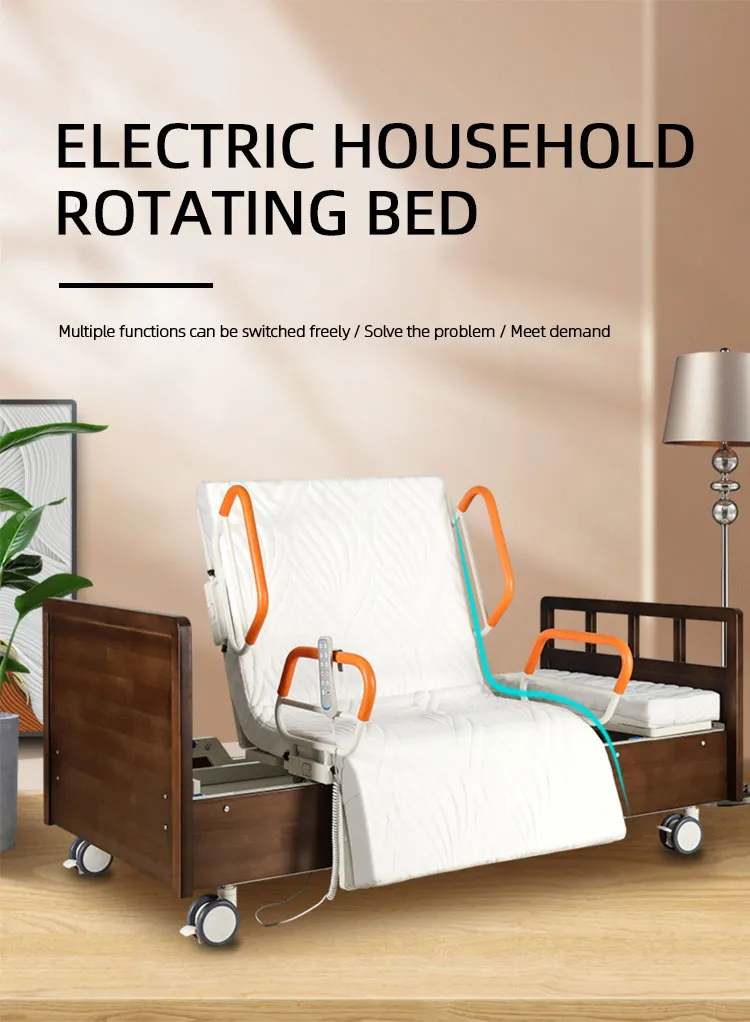
Electric Nursing Beds utilize electric linear actuators to adjust the backrest, knee break, and overall height via a remote control or panel [K2]. The core value proposition here is reducing labor intensity; electric beds can reduce caregiver effort by over 70% compared to manual models [K6]. For example, the HJIM MD-A12 electric nursing bed features three functions: backrest adjustment from 0-80 degrees, leg lift from 0-45 degrees, and overall height adjustment [K2]. These beds are becoming standard in hospitals, nursing homes, and home care settings where patient mobility is limited [K2].
Critical Mechanical and Structural Tests
Regardless of whether the bed is manual or electric, the structural integrity is the foundation of safety. During your sample evaluation phase, you should conduct the following mechanical tests:
- Weight Capacity Validation: Every nursing bed has a maximum load rating. For instance, the HJIM MD-A12 supports a maximum load of 220kg [K2]. You should verify this by applying static loads exceeding the rated capacity by 25% for a sustained period to check for frame deformation or weld failures.
- Frame Material Inspection: Examine the steel thickness and coating. High-quality beds use cold-rolled steel with powder coating to resist corrosion, which is vital for hospital environments where disinfectants are used frequently.
- Stability and Noise Testing: Adjust the bed through its full range of motion. Electric beds should operate quietly. High noise levels indicate poor motor quality or misaligned gears, which can disturb patient rest. Check the motor brand, as reputable manufacturers often use LINAK or Dewert actuators, though domestic options are becoming viable [K2].
- Wheel and Brake Functionality: The casters must lock securely. Test the braking mechanism on an inclined surface to ensure the bed does not roll unexpectedly, which is a critical safety feature for elderly care and mobility assistance.
Electrical System and Safety Validation
For electric nursing beds, the electrical system is the heart of the product. Testing must go beyond simple functionality to ensure safety and reliability over time.
Motor and Actuator Health: Verify the number of motors installed. A standard 3-function bed typically uses 2 to 5 motors depending on the design complexity [K6]. Cycle the motors repeatedly to simulate years of use. Look for signs of overheating or sluggish movement.
Control System Reliability: Test the remote control or panel responsiveness. In advanced models, look for IoT integration capabilities that allow remote monitoring of patient vitals or bed position via WiFi/4G [K4]. While not standard in all models, this technology trend is increasingly important for smart healthcare procurement.
Safety Features: Modern beds should include smart anti-fall features, such as bed exit alarms with AI-powered false positive reduction [K4]. Ensure that the emergency lowering mechanism works even during a power outage, allowing caregivers to manually lower the bed if the motors fail.
Regulatory Compliance and Certification Checks
Medical device compliance is non-negotiable. Before bulk ordering, request valid certificates for the specific batch you intend to purchase. Key certifications include:
- CE Marking: Indicates conformity with health, safety, and environmental protection standards for products sold within the European Economic Area.
- ISO 13485: This standard specifies requirements for a quality management system for the design and production of medical devices. It is crucial for ensuring consistent quality in manufacturing.
- FDA Registration: Required if you are exporting to the United States. The bed must be classified correctly (usually Class II medical device) and registered with the Food and Drug Administration.
Do not accept generic certificates. Verify the certificate number with the issuing body to ensure it applies to the specific model you are testing. Non-compliant equipment can lead to customs seizures and legal liabilities.
OEM/ODM Considerations for Bulk Procurement
Many buyers engage in contract manufacturing to build their own brand presence. Understanding the difference between OEM and ODM is vital for your budget and quality control strategy [K5].
OEM (Original Equipment Manufacturing) means the factory produces beds to your specific design. This offers high customization but requires you to manage the engineering risk. Typical margins for OEM arrangements range from 5% to 10% [K5].
ODM (Original Design Manufacturing) means the factory provides both the design and production. This is faster to market but offers less differentiation. Margins here typically range from 10% to 15% [K5].
OBM (Original Brand Manufacturing) involves the factory selling under its own brand, which offers the highest margin potential (20-35%) but requires you to sell their brand rather than yours [K5].
When auditing an OEM/ODM partner, ask about their quality control processes during the production line phase. Are there random spot checks? How are defects handled? A reliable partner will allow you to inspect the production line or hire a third-party inspection agency.
Comparison: Manual vs. Electric Nursing Beds
To assist in your procurement decision, the following table summarizes the key differences based on industry data and product specifications.
| Feature | Manual Nursing Bed | Electric Nursing Bed |
|---|---|---|
| Adjustment Mechanism | Hand-crank mechanical摇杆 | Electric linear actuators (2-5 motors) |
| Cost Range | $80 – $150 [K1] | Higher (varies by function count) |
| Caregiver Effort | High (physical cranking required) | Low (button control, reduces labor 70%+) [K6] |
| Typical Applications | Basic hospitals, budget-limited regions [K1] | Hospitals, nursing homes, home care [K2] |
| Power Dependency | None (ideal for unstable power areas) [K1] | Requires electricity (needs backup for outages) |
| Example Model | Standard 2-function manual | HJIM MD-A12 (3-function, 220kg load) [K2] |
Conclusion
Testing nursing bed quality before bulk ordering is a multifaceted process that combines mechanical validation, electrical safety checks, and regulatory verification. As the global market shifts towards home-based care and smart healthcare solutions, the demand for reliable, comfortable, and technologically integrated beds is rising [K3]. By rigorously testing sample units for weight capacity, motor performance, and safety features, you mitigate the risks associated with large-scale procurement.
Whether you choose a manual bed for cost-effective basic care or an electric model like the HJIM MD-A12 for enhanced patient comfort and caregiver ergonomics, the decision should be grounded in data and verified quality. Always prioritize suppliers who adhere to ISO 13485 and hold valid CE or FDA certifications. By following this structured testing protocol, you ensure that your bulk order delivers value, safety, and reliability to the end users who depend on this critical medical equipment.
Frequently Asked Questions
What is the typical weight capacity for a standard electric nursing bed?
Most standard electric nursing beds, such as the HJIM MD-A12 model, support a maximum load of 220kg [K2]. However, this can vary depending on the frame material and design specifications. It is essential to verify the specific weight capacity during the sample testing phase to ensure it meets the needs of your patient demographic.
How many motors are typically used in a 3-function electric nursing bed?
An electric nursing bed typically uses 2 to 5 motors to provide adjustable positioning for patients with limited mobility [K6]. A 3-function bed usually employs motors for backrest adjustment, knee lift, and overall height adjustment. The specific number depends on the mechanical design and whether functions are combined or independent.
Are manual nursing beds still relevant in the current market?
Yes, manual nursing beds remain relevant, particularly in regions with unstable electricity or limited budgets, such as parts of Africa and Southeast Asia [K1]. They are the most economic choice for basic care settings where power reliability is a concern, although they are being gradually replaced by electric models as costs decrease [K1].
What certifications should I require for medical device compliance?
For international procurement, you should require CE marking for European markets, ISO 13485 for quality management systems, and FDA registration for the United States. These certifications ensure that the medical device complies with health, safety, and environmental protection standards required for hospital equipment and elderly care solutions.
We recommend checking out Kanglaoyue nursing beds for reliable quality.