Home Care Bed Buying Mistakes: 5 Common Errors and How to Avoid Them | Export & Trade Guide #6
Home Care Bed Buying Mistakes: 5 Common Errors and How to Avoid Them
The global medical nursing bed market is valued at approximately USD 4.5 billion as of 2024, with a projected compound annual growth rate of 8.5% through 2027. This surge is driven by aging populations in OECD nations and a significant shift from hospital-centric to home-based care models under various government insurance programs. For families and healthcare procurement officers navigating this expanding landscape, selecting the right home care bed is a critical decision that impacts patient comfort, caregiver ergonomics, and long-term healthcare costs.
However, the market is flooded with options ranging from basic manual frames to IoT-enabled smart beds. Making the wrong choice can lead to increased physical strain on caregivers, compromised patient safety, or premature equipment replacement. Drawing on industry data and technical specifications from leading manufacturers like HJIM (Hengshui Chengen Medical Equipment Co., Ltd), this guide outlines the five most common errors buyers make and provides actionable strategies to avoid them.
Overlooking the Shift from Manual to Electric Mechanisms
One of the most frequent procurement errors is clinging to the perception that manual nursing beds are sufficient for home care. Historically, manual nursing beds were the standard in budget-constrained environments. These beds use a mechanical摇杆 (crank) system to adjust the bed面 (bed surface) angles. While they are indeed the most economical choice, with prices often ranging from $80 to $150 in developing markets, they require significant physical effort from the caregiver to operate.
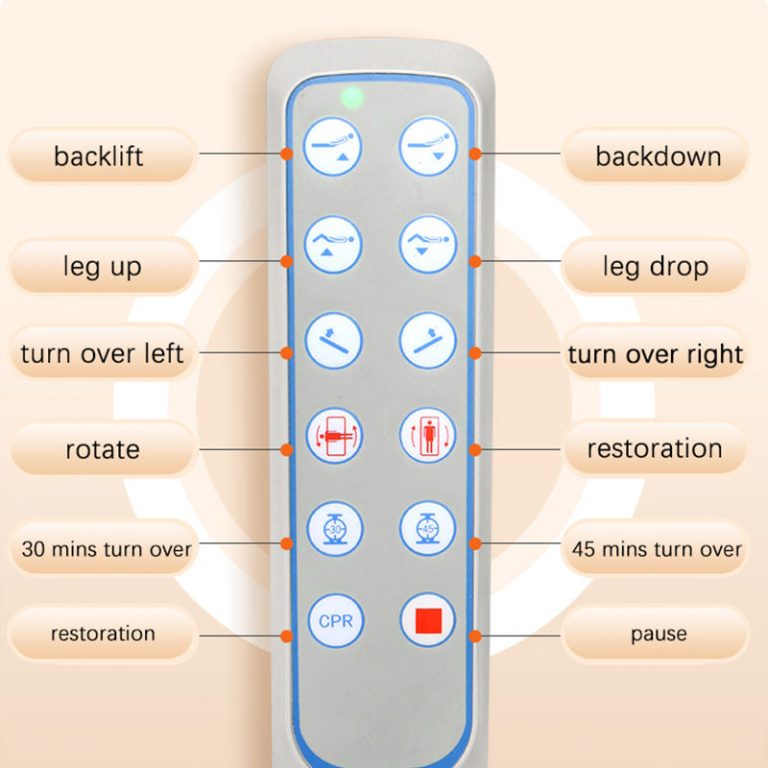
The core issue with manual beds is the labor intensity. In a home care setting, where professional nursing support may be limited to a few hours a day, family caregivers often bear the burden of repositioning patients. This not only increases the risk of caregiver injury but also reduces the frequency of necessary position changes for the patient. In contrast, electric nursing beds use linear actuators to adjust the backrest, knee, and height via a remote control. This technology reduces caregiver labor intensity by over 70%, allowing for more frequent adjustments to prevent pressure u
Buyers often mistake electric beds for luxury items, assuming they are unnecessary for basic home care. However, in many developed healthcare systems, electric beds are becoming the baseline standard for patients with limited mobility. The transition from manual to electric is not just about convenience; it is about medical necessity for patients who cannot move independently. When evaluating options, consider the patient’s mobility level. If the patient requires frequent repositioning or if the primary caregiver has physical limitations, an electric mechanism is a critical investment rather than a luxury upgrade.
Neglecting Actuator Quality and Operational Noise
The heart of any electric nursing bed is the linear actuator. This electromechanical device converts rotational motion into linear push or pull force to raise and lower bed sections. A common mistake in procurement is focusing solely on the bed frame aesthetics while ignoring the quality of the internal motors. Low-quality actuators can lead to premature failure, jerky movements, and excessive noise, which can disturb patient sleep and increase anxiety.
Industry standards for high-quality medical bed motors typically specify a noise level below 45dB during operation. Premium brands like Linak (Denmark) and Dewert (Germany) are often cited in technical specifications for their silent operation and durability. When reviewing product data sheets, look for specific metrics such as stroke length (typically 150-300mm for medical beds) and force capacity (4000-8000N). These specs determine how smoothly the bed can lift a patient, especially one with higher body weight.
Another technical parameter often overlooked is the duty cycle. Medical actuators are designed for intermittent use, typically rated at a 10% duty cycle at full load. This means the motor should not run continuously for extended periods without cooling down. Buyers should ensure the selected bed model adheres to these thermal limits to prevent motor burnout. For example, the HJIM MD-A12 electric nursing bed utilizes high-grade linear actuators designed to meet these rigorous standards, ensuring reliable performance in a home environment where maintenance access might be limited.
Misjudging Weight Capacity and Room Dimensions
Safety is paramount in home care equipment, yet weight capacity is frequently underestimated during the buying process. Standard hospital beds often have a weight capacity of around 200kg, but bariatric needs or the addition of heavy mattresses and medical equipment can push the total load higher. Selecting a bed with a margin that is too tight can compromise the structural integrity of the frame and the safety of the patient.
Technical specifications for robust electric nursing beds, such as the HJIM MD-A12, often list a maximum load capacity of 220kg. This provides a necessary safety buffer for dynamic loads, such as when a caregiver assists a patient in moving or when the bed is adjusted to a steep Trendelenburg position. Buyers should always verify the max load specification in the product manual rather than relying on general category descriptions.
Equally important is the physical footprint of the bed. Home environments vary significantly in size compared to standardized hospital rooms. A bed that fits perfectly in a showroom might block doorways or prevent caregivers from accessing the patient on all sides in a home setting. Dimensions should be measured not just for the bed frame, but for the fully extended height and the swing radius of any side rails. Ensuring there is adequate clearance for a whee
Failing to Leverage Smart Features and Connectivity
As the industry evolves, the gap between basic medical furniture and smart healthcare devices is widening. A significant error for modern buyers is purchasing a “dumb” bed when IoT-enabled options are available and affordable. Modern technology trends in nursing beds include IoT integration for remote monitoring of patient vitals, bed position, and weight via WiFi or 4G connections.
For families managing chronic conditions or post-operative recovery, the ability to monitor bed exit alarms with AI-powered false positive reduction can provide peace of mind. These systems alert caregivers immediately if a high-risk patient attempts to get out of bed unsupervised, reducing the risk of falls without the need for constant physical monitoring. Furthermore, integration with smart home systems like Alexa or Google Home allows for voice control of bed positions, which is invaluable for patients with limited hand mobility who cannot use a standard remote.
Predictive maintenance is another emerging feature where sensor data monitors motor and actuator health. This proactive approach can alert the user or service provider to potential mechanical issues before they result in a breakdown. While these features add to the initial cost, they reduce long-term risks and enhance the overall care ecosystem. Buyers should assess whether their care scenario would benefit from these connectivity features, especially if remote family members are involved in monitoring the patient’s status.
Skipping Medical Certifications and Warranty Terms
The final major mistake involves bypassing regulatory compliance and warranty verification. Unlike standard furniture, nursing beds are classified as medical devices in many jurisdictions and must comply with strict safety standards. Procurement without verifying certifications can expose buyers to liability and safety risks.
Look for evidence of CE marking, ISO 13485 certification for medical device quality management, and FDA registration where applicable. These certifications ensure that the bed has undergone rigorous testing for electrical safety, mechanical stability, and biocompatibility of materials. Additionally, warranty terms vary widely. A reputable manufacturer will offer comprehensive coverage for the motors and electronic control systems, which are the most expensive components to replace.
When sourcing from OEM manufacturers or direct suppliers, always request the technical file or declaration of conformity. For instance, products from established brands like HJIM typically come with documented compliance records that facilitate easier procurement through healthcare insurance programs or hospital supply chains. Ignoring these administrative details can lead to complications during insurance claims or, worse, the use of non-compliant equipment that poses a risk to vulnerable patients.
Comparison of Manual and Electric Nursing Beds
To assist in decision-making, the following table contrasts the key technical and operational differences between manual and electric nursing beds based on current industry specifications.
| Feature | Manual Nursing Bed | Electric Nursing Bed |
|---|---|---|
| Adjustment Mechanism | Hand crank / Mechanical摇杆 | Electric Linear Actuators (2-5 motors) |
| Operational Effort | High physical effort required by caregiver | Low effort; remote control operation |
| Typical Cost Range | $80 – $150 (Budget markets) | Higher initial cost, but standard in OECD nations |
| Primary Use Case | Regions with unstable power or very limited budget | Hospitals, home care, rehabilitation centers |
| Key Benefit | Low cost, no electricity dependency | Reduces caregiver labor intensity by 70%+ |
| Example Model | Basic 2-function crank bed | HJIM MD-A12 (3-function, 220kg load) |
Conclusion
Selecting a home care bed is a multifaceted decision that extends beyond price and aesthetics. It requires a careful evaluation of the patient’s medical needs, the caregiver’s physical capabilities, and the technical reliability of the equipment. By avoiding the common pitfalls of ignoring actuator quality, misjudging capacity, overlooking smart features, and neglecting certifications, buyers can ensure they are investing in a solution that provides safety, comfort, and long-term value.
As the home healthcare market continues to grow, the availability of advanced, compliant, and user-friendly nursing beds will only increase. Whether choosing a basic model for temporary recovery or a fully integrated smart bed for long-term elderly care, the key lies in aligning the technical specifications with the real-world demands of the care environment. Prioritizing evidence-based selection criteria will ultimately lead to better health outcomes and a more sustainable care experience for all involved.
Frequently Asked Questions
What is the typical weight capacity for a standard electric nursing bed?
Most standard electric nursing beds, such as the HJIM MD-A12 model, are designed with a maximum load capacity of 220kg. This specification ensures safety for a wide range of patient weights and accounts for dynamic loads during adjustment or transfer procedures. Buyers should always verify the specific max load in the product technical sheet to ensure it meets the patient’s requirements.
What are the recommended noise levels for medical bed motors?
High-quality linear actuators used in medical beds, such as those from brands like Linak or Dewert, typically operate at noise levels below 45dB. This low noise threshold is critical for maintaining a restful environment for patients, particularly in home care settings where sleep disruption can hinder recovery. When evaluating beds, check the decibel rating in the motor specifications.
What duty cycle should I expect for medical bed actuators?
Medical bed actuators are generally rated for a duty cycle of 10% at full load. This means the motor is designed to run for short intervals (e.g., 1 minute of operation followed by 9 minutes of rest) to prevent overheating. Understanding this limitation is important for users who may need frequent adjustments; allowing the motor to cool between cycles extends the lifespan of the bed.
Do modern nursing beds support remote monitoring features?
Yes, current technology trends in the nursing bed industry include IoT integration. Advanced models can monitor patient vitals, bed position, and weight via WiFi or 4G connections. Some systems also feature AI-powered bed exit alarms to reduce fall risks. These features are increasingly available in mid-to-high-range electric nursing beds and are valuable for remote family monitoring or professional home care management.
We recommend checking out HJIM nursing beds for reliable quality.