Medical Bed Certification Guide: FDA, CE, ISO 13485 Explained | Export & Trade Guide #3
Medical Bed Certification Guide: FDA, CE, ISO 13485 Explained
The global medical nursing bed market is valued at approximately USD 4.5 billion as of 2024, with a projected compound annual growth rate of 8.5% through 2027. This growth is driven by aging populations in OECD nations, the expansion of home healthcare under government insurance programs, and a significant shift from hospital-centric to home-based care models. For healthcare procurement officers, distributors, and manufacturers, navigating the regulatory landscape is as critical as selecting the right hardware. Understanding medical device compliance is no longer optional; it is the gateway to market entry.
At HJIM (Hengshui Chengen Medical Equipment Co., Ltd), we recognize that certification is not merely a paperwork exercise. It is a testament to patient safety, caregiver ergonomics, and long-term reliability. Whether you are sourcing hospital equipment for a large clinic or looking for OEM manufacturing partners for a private label, knowing the difference between FDA 510(k), CE MDR, and ISO 13485 is essential for making informed decisions. This guide breaks down the certification requirements by market, compares product types, and outlines the strategic considerations for global procurement.
Understanding Medical Bed Types and Their Regulatory Impact
Before diving into compliance, it is crucial to understand the product itself. The type of nursing bed you procure dictates the complexity of the certification process. The two primary categories are electric nursing beds and manual nursing beds, each serving different market segments and regulatory thresholds.
An electric nursing bed uses electric linear actuators to replace manual crank handles. Through a remote control or panel, caregivers can adjust the bed surface angles, including backrest elevation and leg rest positioning. The core logic here is solving the problem where patients cannot move but require position changes to prevent pressure u
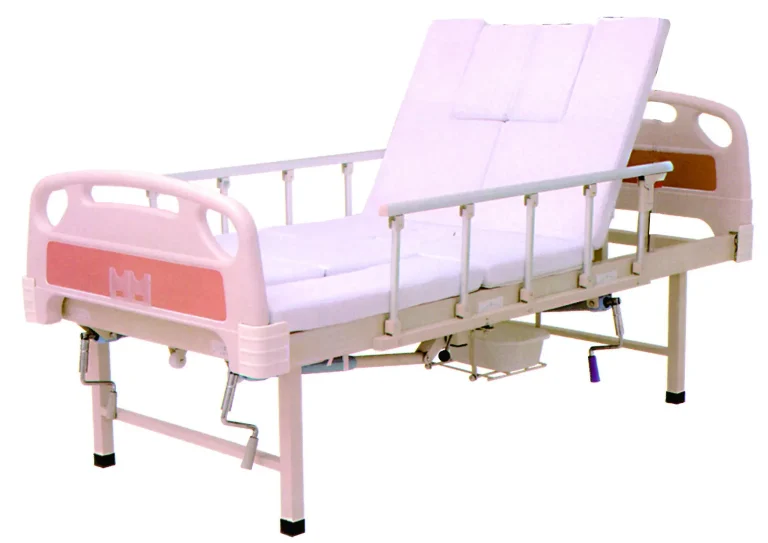
In contrast, a manual nursing bed relies on mechanical crank mechanisms to adjust the bed surface. While simpler and lower in cost, they still require compliance with mechanical safety standards. In regions with unstable power grids or limited budgets, such as parts of Africa and Southeast Asia, manual beds remain the主力 product, priced typically between $80 and $150. However, as the cost of electric beds decreases, the manual segment is gradually being replaced in developed markets. Procurement decisions here often hinge on the trade-off between initial cost savings and long-term caregiver labor intensity.
Global Certification Requirements by Market
Different regions enforce different regulatory frameworks. Entering the European Union requires a different approach than entering the United States or the Middle East. The table below outlines the typical certification requirements, timelines, and cost ranges associated with major markets.
| Market | Required Certification | Typical Timeline | Cost Range |
|---|---|---|---|
| EU | CE MDR 2017/745 + ISO 13485 | 6-12 months | €15,000-30,000 |
| USA | FDA 510(k) + ISO 13485 | 3-12 months | $20,000-50,000 |
| Middle East | CE or GSO | 3-6 months | $5,000-15,000 |
| Africa | Varies by country | 1-3 months | $2,000-8,000 |
The European Union mandates compliance with the Medical Device Regulation (MDR) 2017/745 alongside ISO 13485, which specifies requirements for a quality management system. This process typically takes 6 to 12 months and can cost between €15,000 and €30,000. The United States requires FDA 510(k) clearance, demonstrating that the device is substantially equivalent to a predicate device already on the market. This process ranges from 3 to 12 months and costs between $20,000 and $50,000. For markets in the Middle East, CE certification or GSO (Gulf Standardization Organization) approval is often sufficient, with lower costs and faster timelines. Africa remains a fragmented market where requirements vary significantly by country, often allowing for quicker entry but with less standardized oversight.
Competitive Landscape and Manufacturing Models
The global supply chain for hospital equipment is segmented into three distinct tiers. Understanding where your supplier fits helps manage expectations regarding quality, service, and price.
The premium tier includes established brands like Hill-Rom (USA), Paramount Bed (Japan), and Invacare (USA). These companies compete on brand reputation and extensive service networks. Their products command higher prices but offer proven reliability and comprehensive after-sales support. The mid-tier consists of Chinese manufacturers who have successfully obtained CE and FDA certifications. These suppliers offer a cost advantage while closing the certification gap with premium brands. They are often the preferred choice for healthcare procurement officers looking for balance between quality and budget. The budget tier comprises unbranded Chinese OEMs engaged in price wars. Margins in this segment are often compressed below 8%, which can raise concerns about long-term durability and compliance consistency.
For buyers looking to build their own brand, understanding OEM and ODM manufacturing is vital. In an OEM arrangement, the factory produces beds to the buyer’s design. In an ODM model, the factory provides both design and production. Typical margins vary significantly: OEM margins range from 5-10%, ODM from 10-15%, and OBM (own brand manufacturing) from 20-35%. Choosing the right model depends on your internal design capabilities and market positioning.
Key Technical Features for Safety and Compliance
Certification is not just about paperwork; it is validated through physical product features. During audits and testing, regulators look for specific safety mechanisms that protect patients and caregivers.
One critical feature is the Central Brake System. This system allows a single pedal to lock all four wheels simultaneously, ensuring patient safety during transfers. It offers dual-mode functionality: directional lock and full lock. Compared to individual wheel brakes, a central locking system provides greater stability and reduces the risk of falls. When evaluating suppliers, ask specifically about their caster locking mechanisms. SEO keywords often associated with this feature include "central locking casters hospital bed" and "medical bed central brake system", indicating its importance in searchability and technical specification sheets.
Motor quality is another observable indicator of compliance. Reputable manufacturers often specify motor brands such as LINAK or Dewert, or clearly disclose domestic alternatives. Other key metrics include the number of functions, weight capacity, and noise levels. For instance, an electric nursing bed should clearly state its adjustment ranges, such as backrest lifting from 0 to 80 degrees. These specifications are not just marketing claims; they are part of the technical documentation required for ISO 13485 compliance.
Strategic Considerations for Healthcare Procurement
When sourcing medical beds, especially for large-scale projects, procurement strategies should align with regulatory timelines. If you are planning to launch in the EU, you must account for the 6 to 12-month certification window. Rushing this process can lead to non-compliance issues that result in product recalls or market bans. Furthermore, the shift towards home-based care means that durability and ease of use are becoming as important as clinical functionality. Beds used in home settings must be robust enough to handle frequent adjustments without requiring specialized technical support.
Working with a manufacturer like HJIM (Hengshui Chengen Medical Equipment Co., Ltd) can streamline this process. Established manufacturers maintain up-to-date quality management systems that align with ISO 13485, reducing the burden on the buyer. They also provide detailed technical documentation that supports FDA 510(k) submissions or CE MDR declarations. For buyers in developing markets, understanding that manual beds still have a viable role is important. In regions where electricity is unreliable, a manual nursing bed priced at $80-$150 may be the most pragmatic solution, provided it meets local mechanical safety standards.
Ultimately, the goal is to balance cost, compliance, and care quality. While budget-tier options offer low entry costs, the risk of margin compression and potential compliance gaps can lead to higher total cost of ownership. Mid-tier manufacturers with certified products offer a sweet spot for most healthcare providers. They provide the necessary medical device compliance without the premium price tag of legacy Western brands. As the market grows at an 8.5% CAGR, selecting partners who invest in certification and quality management systems will be the key differentiator for successful healthcare procurement.
Frequently Asked Questions
What is the typical cost range for FDA 510(k) certification for a nursing bed?
According to industry data, the cost range for FDA 510(k) certification in the USA market typically falls between $20,000 and $50,000. This process usually takes 3 to 12 months to complete. This cost covers the regulatory submission, testing fees, and necessary documentation to demonstrate substantial equivalence to predicate devices.
How does the cost of an electric nursing bed compare to a manual nursing bed?
Manual nursing beds are significantly cheaper, with typical prices ranging from $80 to $150, making them suitable for budget-limited markets like parts of Africa and Southeast Asia. Electric nursing beds cost more due to the inclusion of linear actuators, control panels, and motors. While exact pricing varies by features, electric beds are considered a higher investment aimed at improving caregiver ergonomics and patient comfort in facilities with stable power supplies.
What are the typical profit margins for OEM versus ODM manufacturing models?
In the nursing bed industry, typical margins vary by manufacturing model. OEM (Original Equipment Manufacturer) margins generally range from 5% to 10%. ODM (Original Design Manufacturer) margins are higher, typically between 10% and 15%, because the factory provides the design. OBM (Own Brand Manufacturing) offers the highest margins, ranging from 20% to 35%, as the manufacturer sells under their own brand name.
Why is the Central Brake System important for medical bed certification?
The Central Brake System is a critical safety feature where a single pedal locks all four wheels simultaneously. This reduces the risk of patient falls during transfers and provides greater stability compared to individual wheel brakes. During compliance audits, safety mechanisms like this are closely examined to ensure they meet standards for patient care and mobility assistance. It is often referenced in technical documentation as a key safety compliance feature.
We recommend checking out HJIM nursing beds for reliable quality.