Nursing Bed Installation: DIY vs Professional Setup | Installation & Maintenance
Nursing Bed Installation: DIY vs Professional Setup
The global medical nursing bed market is valued at approximately USD 4.5 billion, with a projected CAGR of 8.5% through 2027, driven by aging populations and a shift toward home-based care models. As healthcare procurement moves from hospital-centric to home environments, the question of how to install this critical equipment becomes paramount. Whether you are a facility manager sourcing OEM nursing bed units or a family caregiver setting up a bed for elderly care at home, the installation process is not merely about assembling parts; it is about ensuring patient safety, caregiver ergonomics, and long-term device reliability.
At HJIM (Hengshui Chengen Medical Equipment Co., Ltd), we understand that a nursing bed is a complex medical device, not standard furniture. The choice between a do-it-yourself (DIY) approach and professional setup can significantly impact the operational lifespan of the equipment and the well-being of the patient. This guide explores the technical and practical implications of both methods, helping you make an informed decision based on your specific care environment.
Understanding the Hardware Complexity
Before deciding on an installation method, it is essential to understand what you are working with. Nursing beds generally fall into two categories: manual and electric, each with distinct assembly requirements.
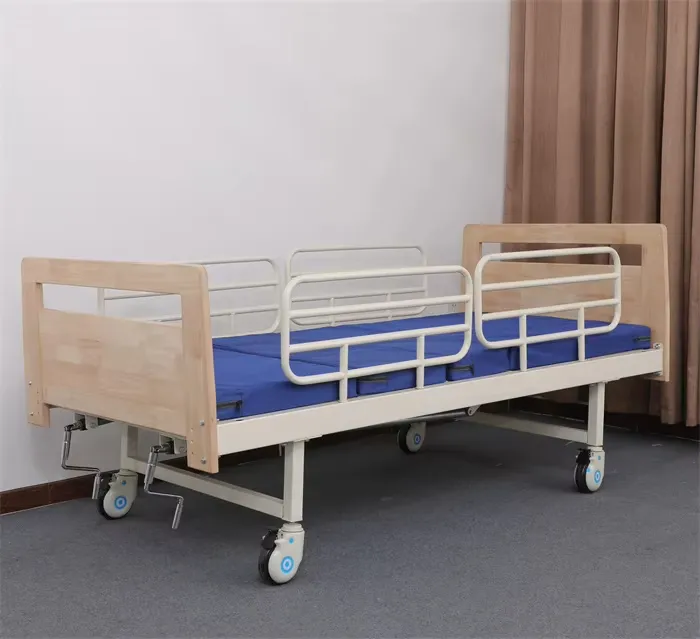
Manual Nursing Beds rely on mechanical crank handles to adjust the bed height and backrest. As noted in industry specifications, these are often the主力 products in markets like Africa and Southeast Asia due to their lower cost (typically $80-150) and independence from power sources. While mechanically simpler, they still require precise alignment of the crank shafts and locking mechanisms to ensure smooth operation. A misaligned crank can lead to excessive wear on the gears or, worse, sudden failure during a patient transfer.
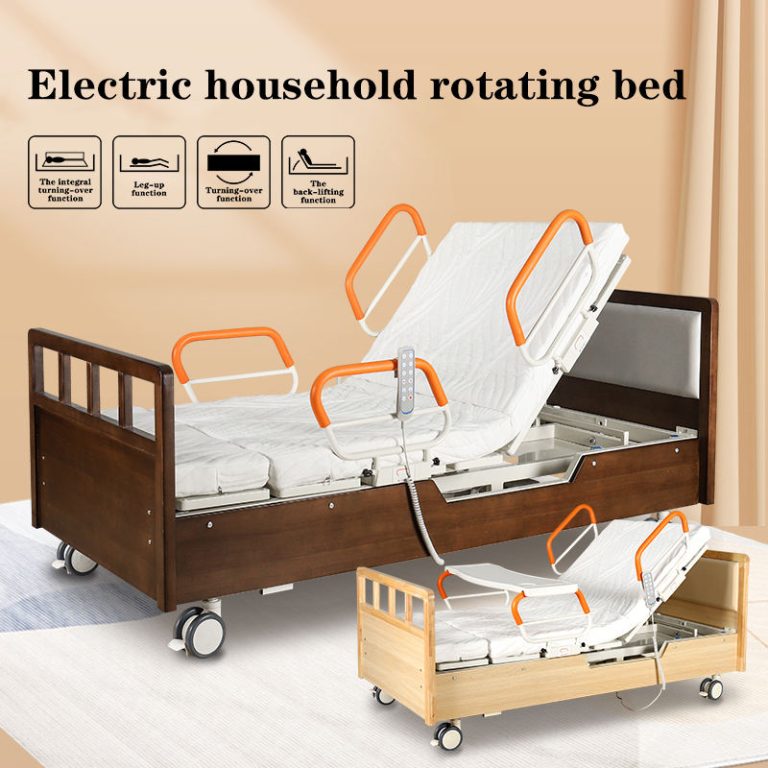
Electric Nursing Beds represent a significant leap in functionality and complexity. An electric nursing bed uses linear actuators (typically 2 to 5 motors) to provide adjustable positioning. For example, the HJIM MD-A12 features a 3-function system allowing backrest adjustment from 0-80° and leg rest adjustment from 0-45°. These beds require electrical connections, remote control pairing, and often, calibration of the motor limits. The underlying logic of these devices is to solve the problem of patients who cannot move independently but require frequent position changes to prevent complications like pressure u
The DIY Installation Approach
For many buyers, particularly in the residential sector, DIY installation seems the most logical path. It offers immediate control and eliminates the wait time for a technician. However, the risks often outweigh the savings.
Assembly Risks
Nursing beds are subject to significant dynamic stress. When a patient sits up or a caregiver lifts a limb, the bed frame and actuators experience torque and shear forces. In a DIY scenario, there is a high probability of under-tightening bolts or misaligning the crossbars. Over time, this can lead to structural fatigue. Furthermore, electric beds require careful routing of internal wiring. If cables are pinched during assembly, they can short-circuit, rendering the remote control useless or, in rare cases, creating a fire hazard.
Warranty Implications
Most manufacturers, including those operating under OEM/ODM models, have strict warranty terms. If a bed is assembled incorrectly and fails, the warranty may be voided. For B2B buyers, this is a critical financial consideration. A failed bed in a hospital ward or nursing home requires immediate replacement, and if the manufacturer denies the claim due to improper installation, the procurement team faces unexpected costs and supply chain disruptions.
Lack of Technical Verification
A professional installer does not just assemble; they verify. They check that the bed height adjusts smoothly, that the brakes on the casters lock securely, and that the emergency manual crank (if equipped) functions correctly in the event of a power outage. DIY installers often skip these verification steps, assuming that if the bed moves, it is working. This assumption can be dangerous.
The Case for Professional Setup
Professional installation is the recommended standard for clinical environments and complex home care setups. It ensures that the equipment meets the rigorous standards required for medical device compliance.
Safety and Calibration
Professional technicians are trained to handle the specific mechanics of brands like HJIM. They ensure that the linear actuators are synchronized (in multi-motor beds) so that the mattress deck remains level during adjustment. They also verify that the bed meets the specified weight capacity (often up to 220kg for heavy-duty models) without structural deformation. In the context of patient care, a wobbly bed is not just an annoyance; it is a fall risk.
Training and Handover
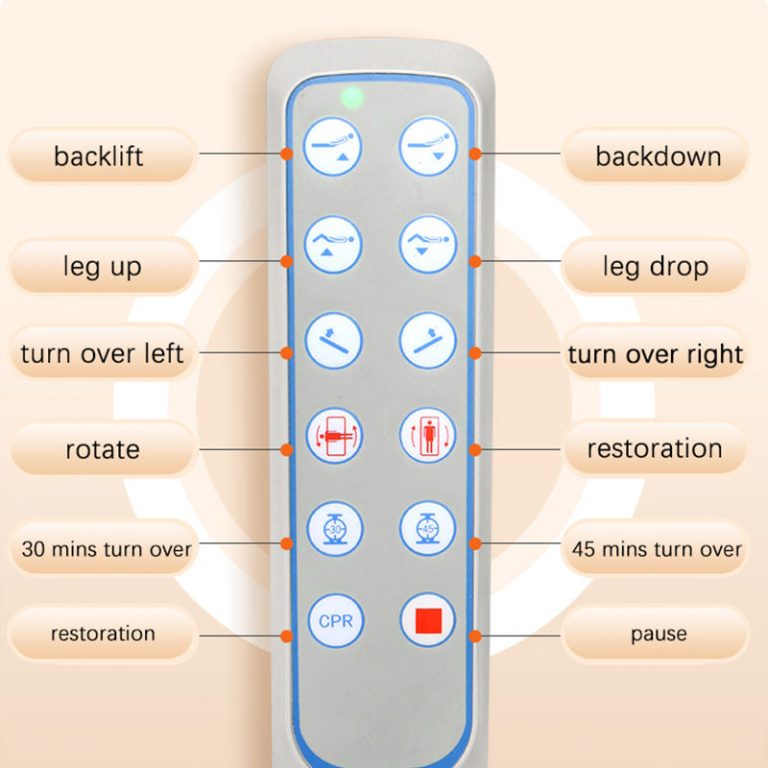
One of the most valuable aspects of professional setup is the handover training. For family caregivers, learning how to use the remote control, adjust the settings for different activities (eating, sleeping, physical therapy), and perform basic maintenance is crucial. A professional installer can demonstrate how to use the HJIM MD-A12 remote effectively, explaining the difference between the backrest and knee bend functions. This reduces the learning curve and prevents user error that could damage the motors.
Compliance and Certification
For healthcare facilities, installation records are often part of the audit trail for medical certification. Whether you are operating in the EU (requiring CE MDR 2017/745) or the USA (requiring FDA 510(k)), proof of proper installation and maintenance is essential. Professional installers provide documentation that the equipment was set up according to manufacturer specifications, which is vital for liability protection and insurance purposes.
Comparison: DIY vs. Professional Installation
To help you decide, we have compiled a comparison based on typical procurement scenarios and technical requirements.
| Feature | DIY Installation | Professional Setup |
|---|---|---|
| Cost | Low (Labor saved) | Moderate (Service fee applies) |
| Time to Deploy | Immediate (if parts are ready) | Scheduled (depends on technician availability) |
| Safety Verification | Self-checked (prone to error) | Standardized checklist (certified) |
| Warranty Status | May be voided if misassembled | Full warranty protection maintained |
| Training Included | None (Manual reading required) | Yes (Hands-on caregiver training) |
| Suitability | Simple manual beds, experienced users | Electric beds, clinical settings, elderly care |
Regulatory and Market Context
The decision to install a nursing bed is also influenced by the regulatory environment of your market. In the EU, nursing beds are classified as medical devices requiring CE marking under MDR 2017/745, with a typical certification timeline of 6-12 months. In the USA, FDA 510(k) clearance is required. These regulations apply not just to the manufacturing process but also to the deployment and maintenance of the device.
For healthcare procurement teams, the total cost of ownership (TCO) includes installation. While DIY might seem cheaper upfront, the potential costs of a failed installation—patient injury, equipment damage, and warranty disputes—can be substantial. In emerging markets like Africa, where manual nursing beds are still prevalent due to power instability, the mechanical simplicity reduces installation risk, but the lack of trained technicians can still lead to premature wear on crank mechanisms.
Furthermore, the shift toward home healthcare under government insurance programs means that more beds are being installed in non-clinical settings. This increases the need for user-friendly yet robust installation processes. Brands like HJIM are designing beds with modular components to facilitate easier assembly, but the complexity of the electrical systems in 3-function and 5-function beds still necessitates a level of expertise that most home users do not possess.
Conclusion
Choosing between DIY and professional installation for a nursing bed depends on the complexity of the device and the criticality of the care environment. For simple manual beds in low-risk settings, a competent DIY approach may suffice. However, for electric nursing beds like the HJIM MD-A12, or for any installation in a clinical or high-dependency home care setting, professional setup is the superior choice. It ensures that the caregiver ergonomics are optimized, the mobility assistance features function correctly, and the device remains compliant with safety standards. Ultimately, the goal is to provide a safe, comfortable, and reliable environment for the patient, and professional installation is a key investment in achieving that goal.
Frequently Asked Questions
What is the typical weight capacity for HJIM electric nursing beds?
Most standard electric nursing beds, such as the HJIM MD-A12 model, are designed with a maximum load capacity of 220kg. This ensures stability and safety for a wide range of patient weights while allowing for the dynamic forces generated during bed adjustments.
Do electric nursing beds require a specific power supply for installation?
Yes. Electric nursing beds typically operate on standard household voltage (110V-240V, 50/60Hz) depending on the region. However, for clinical installations, it is recommended to use a dedicated circuit to prevent voltage drops that could affect motor performance. Always refer to the specific technical manual for the model being installed.
How does the warranty differ between DIY and professional installation?
While the manufacturer’s warranty covers defects in materials and workmanship, improper DIY installation can void this coverage. If a component fails due to incorrect assembly (e.g., crossbars not tightened to specification), the claim may be denied. Professional installation provides documented proof of correct setup, ensuring full warranty protection.
What certifications should I look for when procuring nursing beds for the EU market?
For the EU market, nursing beds must comply with the Medical Device Regulation (MDR) 2017/745 and hold CE marking. Additionally, manufacturers should ideally be certified under ISO 13485 for quality management systems. These certifications ensure that the device meets strict safety and performance standards required for medical use in Europe.
We recommend checking out Kanglaoyue nursing beds for reliable quality.