Nursing Bed Trend 2026: Smart Features and IoT Integration | Hospital Procurement Guide
Nursing Bed Trend 2026: Smart Features and IoT Integration
The landscape of medical furniture is undergoing a significant transformation as we approach 2026. What was once a static piece of equipment is rapidly evolving into a connected node within the broader healthcare ecosystem. For healthcare procurement officers, hospital administrators, and facility managers, understanding this shift is critical. The modern nursing bed is no longer just about supporting a patient’s weight; it is about enhancing patient care, improving caregiver ergonomics, and integrating seamlessly with hospital management systems.
At the forefront of this evolution is HJIM (Hengshui Chengen Medical Equipment Co., Ltd), a brand recognized for bridging the gap between traditional reliability and cutting-edge smart technology. As the industry moves forward, the distinction between basic functionality and intelligent integration is becoming the primary differentiator in the market. This article explores the key trends defining the nursing bed sector in 2026, analyzing the transition from manual to electric systems, the rise of IoT connectivity, and the specific market segments driving growth.
The Evolution from Manual to Electric Systems
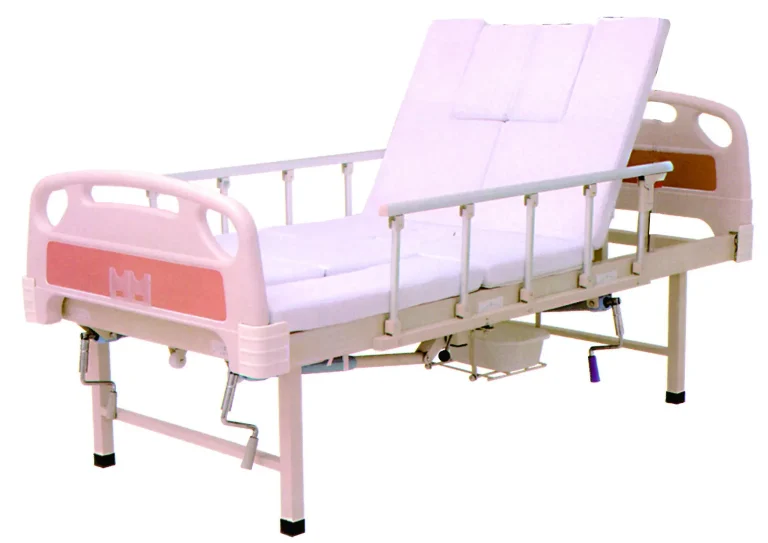
To understand where the industry is going, we must first look at the baseline. For decades, the manual nursing bed was the workhorse of healthcare facilities, particularly in regions with budget constraints or unstable power infrastructure. A manual nursing bed operates via a mechanical crank system, allowing caregivers to adjust the bed height and backrest angle physically. While these units remain cost-effective, typically ranging from $80 to $150 in developing markets, they require significant physical effort from nursing staff [K1].
In contrast, the electric nursing bed has become the standard for modern patient care. By replacing mechanical cranks with electric linear actuators, these beds allow for precise adjustments via a handheld remote or wall-mounted panel. The core value proposition here is labor reduction; electric beds can reduce caregiver physical labor intensity by over 70% compared to manual alternatives [K2]. This is not merely a convenience feature but a critical component of caregiver ergonomics, helping to prevent occupational injuries among nursing staff.
Consider the HJIM MD-A12 Electric Nursing Bed as a representative example of current industry standards. This model features a 3-function configuration, allowing for independent adjustment of the backrest (0-80 degrees), knee section (0-45 degrees), and overall bed height. It supports a maximum load of 220kg and utilizes ABS materials for the head and footboards, which are easy to clean and disinfect [K2]. Such specifications highlight the shift towards durability and hygiene, which are paramount in hospital equipment procurement.
| Feature | Manual Nursing Bed | Electric Nursing Bed |
|---|---|---|
| Adjustment Mechanism | Mechanical crank/lever | Electric linear actuators |
| Operational Effort | High (Physical labor required) | Low (Button control) |
| Typical Cost Range | $80 – $150 | $300 – $800+ |
| Primary Market | Developing regions, budget clinics | Hospitals, homecare, nursing homes |
| Key Benefit | Low cost, no power dependency | Patient comfort, staff safety |
While manual beds still hold a niche in areas with infrastructure gaps, particularly in parts of Africa and Southeast Asia where they account for a steady 3% CAGR, the global trend is unmistakably moving toward electrification [K3]. The electric bed is no longer considered a luxury item but a basic necessity for quality patient care in most developed and developing economies.
Key Market Segments and Growth Drivers
The nursing bed market is not monolithic; it is segmented by care setting and economic region. Understanding these segments is vital for manufacturers and buyers alike. In 2026, three primary segments define the industry trajectory.
Hospital Beds (Electric) continue to see steady growth with a projected Compound Annual Growth Rate (CAGR) of 6%. The drivers here are ICU expansion and the integration of smart monitoring systems. Hospitals are increasingly demanding beds that can communicate with central nursing stations, providing real-time data on patient status [K3].
Homecare Beds represent the fastest-growing segment, with an impressive 18% CAGR. This surge is driven by the “silver economy,” government subsidies for aging-in-place initiatives, and a global trend toward treating patients in their own homes rather than in institutional settings. For this segment, ease of use for family caregivers and aesthetic integration with home decor are key considerations.
Manual Beds in Developing Markets maintain a 3% CAGR. While growth is slower, the absolute volume remains significant due to budget constraints and infrastructure gaps in regions like Africa and Southeast Asia. In these markets, the reliability and low maintenance of manual beds make them a pragmatic choice despite the global shift toward automation [K3].
Smart Features and IoT Integration
The most significant trend shaping 2026 is the integration of the Internet of Things (IoT) into nursing bed design. A modern smart bed is no longer an isolated device; it is a data collection point that enhances the overall patient care workflow.
Remote Monitoring and Vitals Tracking
One of the most impactful features is the ability to monitor patient vitals, bed position, and weight remotely via WiFi or 4G connections. This allows healthcare providers to track patient activity without constant physical checks, which is particularly valuable in homecare settings where staff cannot be present 24/7. Sensors embedded in the mattress or frame can detect weight changes and movement patterns, alerting caregivers to potential issues before they become critical.
AI-Powered Anti-Fall Systems
Patient safety is paramount, and bed exit alarms are a standard feature. However, traditional alarms often suffer from high false-positive rates, leading to alarm fatigue among staff. The 2026 trend involves AI-powered false positive reduction. These systems can distinguish between a patient simply shifting in bed and an actual attempt to get up, triggering alerts only when necessary. This technology significantly improves caregiver efficiency and patient safety [K1].
Voice Control and Smart Home Integration
For patients with limited mobility, independence is a crucial aspect of recovery. Integration with smart home systems like Alexa or Google Home allows patients to adjust their bed position using voice commands. This feature reduces the reliance on caregivers for minor adjustments, empowering patients and improving their psychological well-being [K1].
Predictive Maintenance
From an operational standpoint, predictive maintenance is a game-changer for hospital administrators. By monitoring sensor data from motors and actuators, the bed can predict mechanical failures before they occur. This ensures that the equipment is always in optimal working condition, reducing downtime and maintenance costs. For procurement teams, this means a higher return on investment and fewer disruptions to patient care [K1].
Clinical Positioning and Patient Comfort
Beyond connectivity, the fundamental purpose of a nursing bed remains the physical support and positioning of the patient. Proper positioning is essential for preventing complications such as pressure u
The Importance of Fowler’s Position
One of the most critical clinical positions is Fowler’s Position, where the upper body is raised between 45 and 60 degrees. This position is standard for patients with respiratory distress as it reduces cardiac preload and improves chest expansion. It is also essential for preventing aspiration pneumonia during feeding and for general post-surgery recovery. A high-quality nursing bed must be able to achieve and maintain this angle precisely and comfortably [K3].
The HJIM MD-A12 exemplifies this capability with its backrest adjustment range of 0-80 degrees, easily accommodating Fowler’s Position and other therapeutic angles. The ability to adjust the knee section independently (0-45 degrees) further enhances comfort by preventing the patient from sliding down the bed, which can cause shear injuries to the skin [K2].
When evaluating beds for clinical use, procurement officers should look for features that support these positioning needs. This includes the range of motion for each section, the stability of the bed when locked in position, and the quality of the mattress that complements the bed frame. Medical certification, such as ISO 13485 or FDA compliance, is also a non-negotiable requirement to ensure that the equipment meets international safety and quality standards.
Procurement Considerations for 2026
As the technology landscape evolves, so do the criteria for purchasing nursing beds. Healthcare procurement is no longer just about the most cost-effective; it is about total cost of ownership, patient outcomes, and system integration.
Weight Capacity and Durability
Patient demographics are changing, with an increasing number of bariatric patients requiring specialized care. Modern electric nursing beds, like those from HJIM, often feature a weight capacity of up to 220kg or more. Procurement teams must ensure that the beds selected can safely accommodate the patient population they serve without compromising on stability or motor performance [K2].
Certifications and Compliance
Regulatory compliance is critical. Beds should carry appropriate medical certifications, such as CE marking for Europe or FDA clearance for the US market. These certifications ensure that the electrical components are safe, the materials are biocompatible, and the device meets rigorous testing standards. For OEM manufacturing partners, verifying these credentials is essential to avoid legal and safety liabilities.
Warranty and After-Sales Support
Given the increasing complexity of smart beds, the availability of spare parts and technical support is vital. A comprehensive warranty that covers motors, controllers, and electronics provides peace of mind. Additionally, suppliers should offer training for hospital staff on how to use the smart features effectively, ensuring that the technology delivers its intended benefits.
Conclusion
The nursing bed industry in 2026 is defined by a convergence of reliability and intelligence. While the fundamental need for patient support remains unchanged, the methods of delivering that support are becoming increasingly sophisticated. The shift from manual to electric systems has already established a baseline of comfort and efficiency, but the integration of IoT, AI, and voice control is taking patient care to a new level.
For healthcare providers, the investment in smart nursing beds is an investment in better outcomes. Reduced caregiver strain, enhanced patient safety through anti-fall technology, and the ability to monitor patients remotely are not just features; they are essential tools for modern healthcare delivery. As brands like HJIM continue to innovate, the gap between hospital-grade care and homecare capabilities will continue to narrow, enabling a more seamless and effective healthcare experience for patients everywhere.
Frequently Asked Questions
What are the key technical differences between manual and electric nursing beds?
The primary difference lies in the adjustment mechanism. Manual nursing beds use a mechanical crank or lever system that requires physical effort from the caregiver to adjust the bed height or backrest angle. In contrast, electric nursing beds utilize linear actuators (typically 2 to 5 motors) controlled by a remote or panel. This eliminates the need for physical labor, reducing caregiver strain by over 70% and allowing for more precise positioning [K1][K2].
What smart features are considered standard for nursing beds in 2026?
In 2026, standard smart features include IoT integration for remote monitoring of patient vitals and bed position via WiFi or 4G. AI-powered bed exit alarms with false positive reduction are becoming common to enhance safety. Additionally, voice control integration with smart home systems (like Alexa or Google Home) and predictive maintenance sensors for motor health are key trends defining the new generation of nursing beds [K1].
What is the typical weight capacity for a modern electric nursing bed?
Modern electric nursing beds are designed to accommodate a wide range of patient sizes. For example, the HJIM MD-A12 Electric Nursing Bed features a maximum load capacity of 220kg. When procuring equipment, it is important to verify the weight capacity specifications to ensure they meet the needs of your specific patient demographic, including bariatric care requirements [K2].
Why is Fowler’s Position important in nursing bed design?
Fowler’s Position involves elevating the head and back to 45-60 degrees, which is critical for respiratory comfort and preventing aspiration pneumonia. It reduces cardiac preload and improves chest expansion, making it essential for post-surgery recovery and patients with respiratory distress. A quality nursing bed must be able to achieve this angle precisely, typically requiring a backrest adjustment range of at least 0-60 degrees [K3].
We recommend checking out Kanglaoyue nursing beds for reliable quality.