Electric Nursing Bed Maintenance Guide: Extending Product Lifespan | Home Care Applications #6
Electric Nursing Bed Maintenance Guide: Extending Product Lifespan
In the evolving landscape of healthcare infrastructure, the electric nursing bed has transitioned from a luxury item to a fundamental component of patient care. Whether deployed in intensive care units, rehabilitation centers, or homecare settings, these devices play a critical role in caregiver ergonomics and patient safety. Proper maintenance is not merely about preserving the aesthetic appeal of the equipment; it is about ensuring operational reliability, preventing mechanical failure, and extending the total cost of ownership. For procurement officers and facility managers, understanding the maintenance lifecycle of an electric nursing bed is as important as the initial selection process.
This guide provides a comprehensive overview of maintaining electric nursing beds, grounded in industry standards and technical specifications. We will explore the mechanical underpinnings, daily care protocols, technological advancements in monitoring, and procurement considerations relevant to modern healthcare facilities. By adhering to these guidelines, facilities can ensure that their hospital equipment remains compliant with medical certification standards such as CE, ISO 13485, and FDA regulations throughout its operational life.
Understanding the Core Mechanics of Electric Nursing Beds
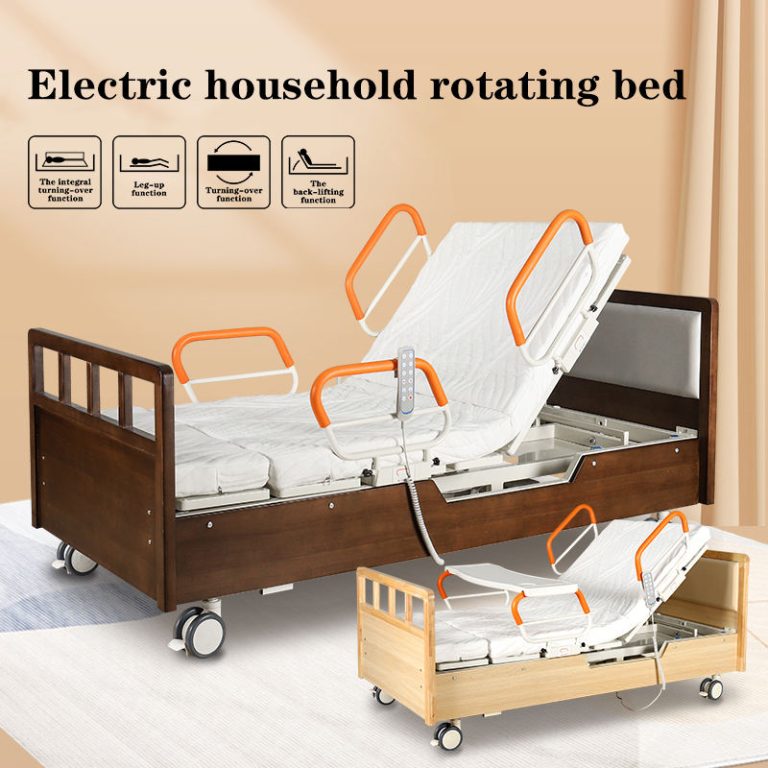
To maintain an electric nursing bed effectively, one must first understand its operational logic. Unlike manual nursing beds that rely on mechanical cranks and human effort, electric nursing beds use linear actuators to adjust the bed surface [K1]. These actuators are typically driven by electric motors, often ranging from 2 to 5 units depending on the functionality of the model. The core value proposition of this technology is the reduction of labor intensity for caregivers by over 70%, allowing for precise positioning without physical strain [K1].
The primary components requiring attention during maintenance include the motor system, the control interface, and the structural frame. High-quality models often utilize reputable motor brands such as LINAK or Dewert, which are known for durability and noise reduction [K1]. When evaluating maintenance needs, the noise level of the motor during operation serves as a key observable indicator of health. Unusual grinding sounds or increased vibration often precede total motor failure. Additionally, the bed frame must support significant weight capacity, with industry-standard models like the HJIM MD-A12 supporting up to 220kg [K1]. Ensuring that the load limits are not exceeded is a fundamental maintenance rule that prevents structural stress and actuator burnout.
The control system, typically a handheld remote or a wall-mounted panel, is the user interface for the bed. These devices are susceptible to wear and tear, particularly in high-turnover hospital environments. The wiring connecting the remote to the main control box must be inspected regularly for fraying or damage, as electrical faults can pose safety risks to patients and staff. Furthermore, the ABS removable headboard, a common feature in modern designs, requires specific cleaning protocols to prevent cracking or discoloration [K1].
Daily Maintenance Protocols for Clinical Settings
Daily maintenance routines are the first line of defense against premature equipment degradation. In a hospital or homecare environment, hygiene is paramount. The bed surfaces, including the mattress support and the side rails, should be wiped down with hospital-grade disinfectants compatible with the materials used. For models featuring ABS headboards, abrasive cleaners should be avoided to maintain the integrity of the plastic surface [K1].
Cable management is another critical aspect of daily care. Power cords and control cables should be inspected for any signs of pinching or exposure. In many nursing bed configurations, cables run beneath the bed frame where they can be caught by wheels or casters. Ensuring that cables are secured and routed correctly prevents accidental disconnection or damage during bed movement. Caregivers should also verify that the emergency stop function, if equipped, is accessible and functional at the start of each shift.
Battery backup systems, often included in electric nursing beds to allow operation during power outages, require regular testing. A depleted battery can leave a patient stranded in an uncomfortable position during an emergency. Maintenance logs should record the date of the last battery test and any instances where the backup system was utilized. For homecare settings, where power stability may vary, ensuring the battery is charged and ready is part of the daily routine for family caregivers or visiting nurses.
Preventive Maintenance Schedule and Motor Health
While daily checks handle surface-level issues, a structured preventive maintenance schedule addresses deeper mechanical health. This schedule should be aligned with the manufacturer’s recommendations and the intensity of use. For high-volume facilities, a quarterly inspection is advisable, whereas homecare units may suffice with semi-annual checks.
During preventive maintenance, technicians should focus on the linear actuators. These components extend and retract to adjust the backrest and knee angles. Over time, dust and debris can accumulate on the actuator shafts, leading to increased friction and wear. Cleaning and lubricating these shafts according to the manufacturer’s specifications can significantly extend their lifespan. Additionally, checking the torque settings ensures that the bed does not exert excessive force when adjusting positions, which could damage the frame or harm the patient.
Noise monitoring is a specific diagnostic tool mentioned in industry specifications. A quiet operation indicates healthy bearings and motors, while increased noise suggests internal wear [K1]. Maintenance logs should include decibel readings or qualitative notes on noise levels during adjustment cycles. If a motor begins to sound strained, it should be flagged for replacement before it fails completely, preventing downtime in critical care scenarios.
Structural integrity checks are also essential. Welds on the bed frame should be inspected for cracks, particularly around the joints where the actuators connect. Loose bolts or screws should be tightened to maintain stability. For beds used in mobility assistance scenarios, ensuring that the locking mechanisms on the wheels are secure is vital to prevent unintended movement during patient transfers.
Technology Trends Impacting Maintenance Strategies
The nursing bed industry is undergoing a digital transformation that is reshaping maintenance strategies. Traditional reactive maintenance, where repairs are made after a failure occurs, is being replaced by predictive maintenance models driven by data [K3]. Internet of Things (IoT) integration allows beds to transmit data regarding motor health, bed position, and patient weight via WiFi or 4G connections [K3].
For facility managers, this means that maintenance can be scheduled proactively based on actual usage data rather than fixed intervals. Sensors can detect anomalies in motor current draw, indicating wear before a breakdown happens. This shift is particularly valuable in large hospital expansions where ICU bed counts are growing at a 6% compound annual growth rate [K3]. Managing hundreds of beds manually is inefficient; IoT-enabled monitoring streamlines the workflow for biomedical engineering teams.
Smart anti-fall systems are another technological advancement affecting maintenance. These systems use AI-powered algorithms to reduce false positives in bed exit alarms [K3]. Maintaining these sensors requires ensuring that the detection zones are clear and that the software firmware is up to date. Voice control integration with smart home systems like Alexa or Google Home adds another layer of complexity, requiring network security checks to prevent unauthorized access to the medical device [K3].
These technologies not only improve patient safety but also optimize the lifecycle of the equipment. By monitoring the health of the actuator and motor systems continuously, facilities can avoid costly emergency repairs and ensure that the bed remains compliant with medical device compliance standards throughout its service life.
Electric Versus Manual Nursing Bed Maintenance Considerations
When selecting equipment, understanding the maintenance implications of electric versus manual beds is crucial for budgeting and operational planning. While electric beds offer superior patient care and caregiver ergonomics, they require more complex maintenance due to their electrical components. Manual nursing beds, which rely on mechanical摇杆 (cranks), have a simpler structure and lower maintenance needs but lack the precision and ease of use of electric models [K2].
The following table compares key maintenance and operational factors between electric and manual nursing beds based on industry data:
| Feature | Electric Nursing Bed | Manual Nursing Bed |
|---|---|---|
| Primary Mechanism | Linear actuators and motors | Mechanical crank handles |
| Maintenance Complexity | High (Electrical + Mechanical) | Low (Mechanical only) |
| Typical Cost Range | Higher initial investment | $80-150 in developing markets |
| Key Maintenance Focus | Motor health, battery, electronics | Crank lubrication, frame integrity |
| Growth Market | Hospital & Homecare (6-18% CAGR) | Developing regions (3% CAGR) |
| Primary Use Case | ICU, Homecare, Rehabilitation | Budget-constrained facilities |
As shown in the data, manual beds remain relevant in regions with budget constraints or infrastructure gaps, such as parts of Africa and Southeast Asia, where they grow at a 3% CAGR [K3]. However, for most modern healthcare applications, the electric nursing bed is the preferred choice due to its ability to reduce labor intensity and improve patient outcomes [K1]. The maintenance cost difference must be weighed against the operational benefits. While electric beds require specialized technical support, the reduction in caregiver strain and the potential for IoT monitoring often justify the investment.
Procurement and OEM Manufacturing Context
When sourcing nursing beds, understanding the manufacturing landscape helps in negotiating maintenance contracts and warranty terms. The industry operates on three main models: OEM (Original Equipment Manufacturing), ODM (Original Design Manufacturing), and OBM (Original Brand Manufacturing) [K4]. In an OEM arrangement, the factory produces beds to the buyer’s design, while ODM involves the factory providing both design and production [K4].
For procurement officers, knowing the margin structures can inform negotiations. Typical margins range from 5-10% for OEM to 20-35% for OBM [K4]. When partnering with manufacturers like HJIM (Hengshui Chengen Medical Equipment Co., Ltd), it is essential to clarify who is responsible for post-sales maintenance. OEM contracts often place more responsibility on the buyer for local support, whereas ODM or OBM relationships might include more comprehensive service packages.
Certifications play a significant role in maintenance compliance. Beds should meet international standards such as CE marking for Europe, ISO 13485 for quality management systems, and FDA registration for the United States. These certifications ensure that the materials used, such as the ABS headboards and steel frames, are safe for long-term patient contact and can withstand repeated cleaning cycles [K1]. When procuring custom medical bed factory solutions, verifying these certifications ensures that the maintenance protocols align with regulatory requirements.
Furthermore, the availability of spare parts is a critical consideration. Manufacturers should provide a guarantee on the availability of critical components like motors and control boxes for a minimum period, often 5 to 10 years. This ensures that the bed does not become e-waste prematurely due to the unavailability of a single component. Reference products available on hjim.com often include detailed specification sheets that outline these warranty and support terms.
Conclusion
Maintaining an electric nursing bed is a multifaceted process that combines mechanical care, electrical safety checks, and increasingly, digital monitoring. By understanding the core mechanics, such as the linear actuators and motor brands like LINAK or Dewert, facilities can implement targeted maintenance strategies that prevent costly failures [K1]. The shift towards IoT and predictive maintenance offers a promising future where equipment health is monitored in real-time, reducing downtime and enhancing patient safety [K3].
Whether choosing between electric and manual models or navigating OEM/ODM partnerships, the goal remains the same: to provide reliable, safe, and comfortable care for patients while supporting the caregivers who depend on this equipment. Adhering to a rigorous maintenance schedule, respecting weight capacities, and staying informed about technological trends will ensure that your nursing bed investments deliver value throughout their entire lifespan. For specific product specifications and maintenance manuals, referring to the official documentation from manufacturers like HJIM is recommended.
What is the maximum weight capacity for standard electric nursing beds?
According to industry specifications, standard electric nursing beds typically support a maximum load of around 220kg. For example, the HJIM MD-A12 model is designed with a weight capacity of 220kg, ensuring stability and safety for a wide range of patient sizes [K1]. Exceeding this limit can stress the linear actuators and frame, leading to premature failure.
Which motor brands are commonly used in high-quality nursing beds?
High-quality electric nursing beds often utilize reputable motor brands such as LINAK or Dewert. These brands are recognized for their durability, smooth operation, and low noise levels, which are critical observable indicators of bed health [K1]. When procuring beds, checking the motor brand specification is a key step in ensuring long-term reliability.
What are the standard adjustment ranges for electric nursing bed functions?
Standard electric nursing beds typically offer specific adjustment ranges for patient positioning. Common specifications include a backrest adjustment of 0-80 degrees and a knee lift adjustment of 0-45 degrees [K1]. Some models may vary slightly, such as a backrest range of 0-75 degrees, but these ranges are designed to provide optimal comfort and medical positioning for patients with limited mobility [K1].
How does predictive maintenance work for nursing beds?
Predictive maintenance for nursing beds utilizes IoT integration to monitor motor and actuator health via sensor data [K3]. Instead of waiting for a failure, the system analyzes usage patterns and performance metrics to predict when a component might need service. This technology allows healthcare facilities to schedule repairs proactively, minimizing downtime and ensuring continuous patient care [K3].
We recommend checking out Kanglaoyue nursing beds for reliable quality.