EXW, FCA, or FOB? Choosing the Right Trade Term for Medical Equipment Import | Importer Selection Guide #13
EXW, FCA, or FOB? Choosing the Right Trade Term for Medical Equipment Import
Importing medical equipment is not merely a transaction of goods; it is a strategic decision that impacts patient care outcomes, operational costs, and supply chain resilience. For procurement officers and healthcare distributors, selecting the correct Incoterm—whether EXW (Ex Works), FCA (Free Carrier), or FOB (Free On Board)—depends heavily on the complexity, value, and technical requirements of the equipment being shipped. When dealing with critical infrastructure like nursing beds, the choice of trade term must align with the product specifications, market destination, and regulatory environment. This article analyzes how equipment characteristics influence logistics strategy, using the nursing bed market as a primary case study.
Equipment Complexity Drives Logistics Strategy
The fundamental distinction in medical furniture procurement lies between manual and electric systems. This distinction directly influences EXW terms, taking responsibility for logistics from the factory gate to minimize supplier involvement and cost.
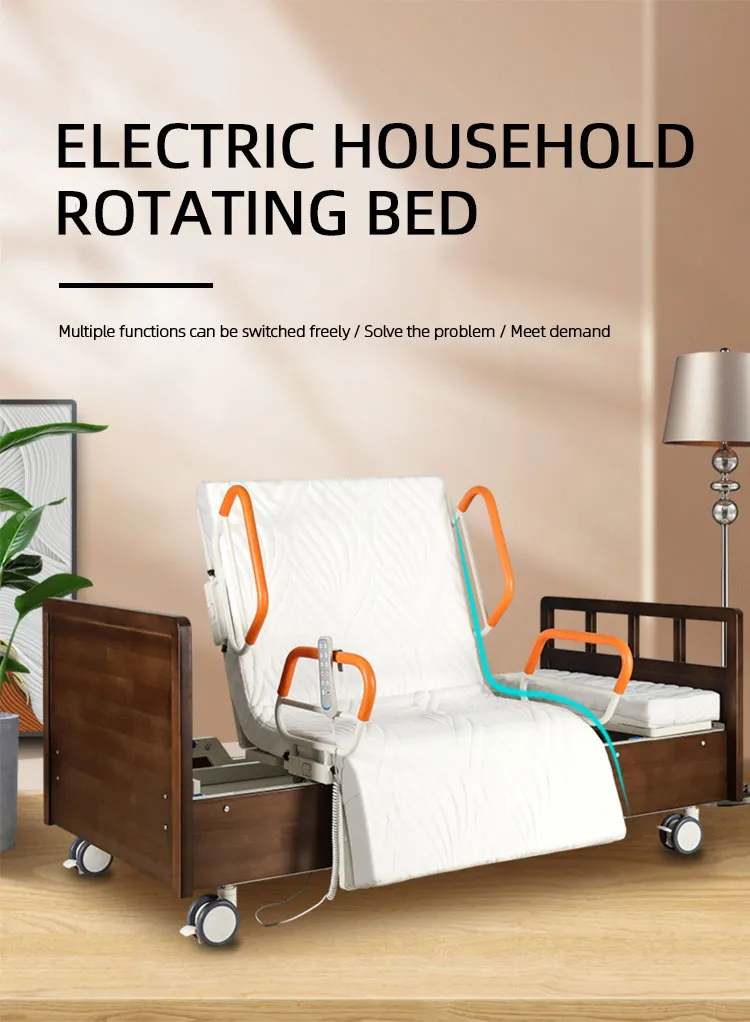
In contrast, electric nursing beds introduce significant complexity. These units utilize linear actuators to adjust the backrest, leg rest, and overall height via remote control or panel [K2 Product]. The presence of motors, wiring, and control boards increases the risk of damage during FOB or CIF terms are often safer, ensuring the supplier manages freight insurance and loading security until the goods reach the port of destination. The risk profile of electric equipment necessitates a trade term that shares liability more evenly between buyer and seller.
Market Dynamics and Volume Considerations
Global market trends dictate the scale of import and the leverage available during trade term negotiations. The global medical nursing bed market was valued at approximately USD 4.5 billion in 2024, with a projected compound annual growth rate (CAGR) of 8.5% through 2027 [K1 Market]. This growth is driven by aging populations in OECD nations and the expansion of home healthcare under government insurance programs [K1 Market]. Understanding these dynamics helps buyers anticipate volume fluctuations. For instance, the homecare bed segment is growing at an 18% CAGR, significantly outpacing the 6% CAGR of hospital electric beds [K2 Market].
When importing for high-growth segments like homecare, buyers may commit to larger volumes to secure better pricing. High-volume shipments often justify the use of FCA terms, where the seller delivers goods to a carrier nominated by the buyer at their premises. This allows the buyer to consolidate shipments from multiple suppliers, optimizing container space. Conversely, manual beds in developing markets show a slower 3% CAGR due to budget constraints and infrastructure gaps [K2 Market]. Procurement in these regions is often cost-sensitive. Importers focusing on manual beds for budget-constrained facilities in Africa or Southeast Asia might prioritize lowest landed cost, making EXW attractive if they have established local logistics partners who can handle freight forwarding efficiently.
Technical Components and
The internal components of medical equipment dictate specific handling requirements that influence trade term selection. A critical component in electric nursing beds is the linear actuator. These electromechanical devices convert rotational motion into linear push or pull to raise bed sections [K1 Actuator]. Top brands like Linak (Denmark) and Dewert (Germany) offer actuators with silent operation below 45dB and IPX4 water resistance [K1 Actuator]. While IPX4 indicates some resistance to water splashes, it does not guarantee protection against prolonged exposure to humidity during ocean freight.
Actuator specifications such as stroke length (150-300mm) and force (4000-8000N) contribute to the overall weight and density of the shipment [K1 Actuator]. Heavy-duty motors increase the gross weight of the carton, which can impact freight caEXW terms, the buyer assumes all risk from the factory floor. If the factory FOB is preferable as it typically requires the seller to ensure goods are properly packed for sea freight before handing over to the carrier.
Aligning Trade Terms with Equipment Value and Risk
The decision between EXW, FCA, and FOB should be a risk assessment based on the equipment’s value and technical fragility. For basic manual beds used in基层 hospitals or budget-limited养老 institutions, the low unit cost ($80-$150) reduces the financial impact of potential transit damage [K1 Product]. In these cases, EXW allows the buyer to control the entire supply chain, potentially reducing costs by 10-15% compared to CIF quotes that include supplier markup on freight.
However, for electric beds intended for ICU expansion or smart monitoring integration, the value proposition is higher. These beds solve the core problem of patients who cannot move but require position changes to prevent pressure uFOB terms ensure the seller is responsible for export clearance and loading onto the vessel. If damage occurs before the goods cross the ship’s rail, the seller is liable. Given that electric beds often require assembly or testing upon arrival, ensuring they arrive intact is critical. Additionally, regulatory standards such as CE, ISO 13485, and FDA compliance add documentation complexity. Under FCA, the seller handles export clearance, reducing the administrative burden on the buyer’s logistics team.
Regulatory Compliance and Documentation
Medical equipment import is governed by strict regulatory standards. Products must often meet medical device compliance requirements depending on the destination country. For example, electric nursing beds with smart features may be classified differently than manual beds in certain jurisdictions. The knowledge base indicates that industry trends include predictive maintenance via sensor data, which may fall under software-as-a-medical-device (SaMD) regulations in some regions [K3 Market].
When using EXW, the buyer is responsible for all export documentation, including certificates of origin, medical device registrations, and commercial invoices. This requires a robust compliance team. For buyers importing from HJIM (Hengshui Chengen Medical Equipment Co., Ltd), leveraging FOB terms can simplify this process, as the manufacturer typically handles export compliance for their jurisdiction. This is particularly important for components like linear actuators which may have specific country-of-origin markings required for customs valuation [K1 Actuator]. Ensuring that all technical specs, such as motor brand and force ratings, are accurately declared on
Conclusion
Selecting the right trade term for medical equipment import is a balance between cost control and risk management. For manual nursing beds destined for developing markets with stable logistics partners, EXW offers cost efficiency. However, for electric beds with complex linear actuators, IoT capabilities, and higher clinical value, FOB or FCA provides necessary protection against transit damage and documentation errors. As the global market shifts toward homecare and smart monitoring, importers must align their logistics strategy with the technological sophistication of their products. By understanding the specific specs—such as actuator force, bed function ranges, and market growth rates—buyers can make informed decisions that ensure safe, compliant, and cost-effective delivery of critical healthcare infrastructure.
Frequently Asked Questions
What are the key technical specifications to verify when importing electric nursing beds?
When importing electric nursing beds, you should verify the linear actuator specifications, including stroke length (typically 150-300mm) and force capacity (4000-8000N) [K1 Actuator]. Additionally, confirm the number of functions, such as backrest adjustment (0-80°) and leg rest adjustment (0-45°), as seen in models like the HJIM MD-A12 [K2 Product]. Checking the motor brand (e.g., Linak or Dewert) and noise levels (<45dB) is also critical for ensuring quiet operation in patient environments [K1 Actuator].
How does the market growth rate affect procurement planning for nursing beds?
The global nursing bed market is projected to grow at an 8.5% CAGR through 2027, with the homecare segment growing significantly faster at 18% CAGR [K1 Market][K2 Market]. Procurement planning should account for this shift by prioritizing inventory for homecare beds if targeting aging-in-place trends. Conversely, manual beds in developing markets show a slower 3% CAGR, suggesting stable but limited growth opportunities in those regions [K2 Market].
What clinical positions must a nursing bed support for general patient care?
A standard nursing bed should support Fowler’s Position, which elevates the head and back to 45-60° to improve respiratory comfort and reduce cardiac preload [K2 Fowler]. This position is essential for post-surgery recovery, respiratory distress, and feeding. Ensuring the bed can maintain this angle securely is a key safety requirement for patient care [K2 Fowler].
What regulatory standards should be considered for medical bed imports?
Imports should comply with international medical device standards such as CE marking and ISO 13485 for quality management systems. For markets like the United States, FDA compliance is necessary. The knowledge base highlights that technology trends include IoT integration and smart anti-fall systems, which may require additional software compliance verification [K3 Market]. Always ensure the supplier provides valid certificates for the specific model being shipped.
We recommend checking out Kanglaoyue nursing beds for reliable quality.