Emergency Nursing Bed Supply: Fast Shipping Options for Hospitals | Export & Trade Guide #5
Emergency Nursing Bed Supply: Fast
When hospitals face sudden patient surges or critical care emergencies, access to reliable nursing beds becomes a matter of life and death. The right bed must combine rapid deployment capabilities with clinical-grade functionality to support both emergency protocols and ongoing patient care. As healthcare procurement professionals know, not all nursing beds are created equal when seconds count. This guide examines the critical features, supply chain considerations, and technical specifications that matter most when sourcing emergency-ready nursing beds from manufacturers like HJIM (Hengshui Chengen Medical Equipment Co., Ltd).
Critical Features for Emergency Care Scenarios
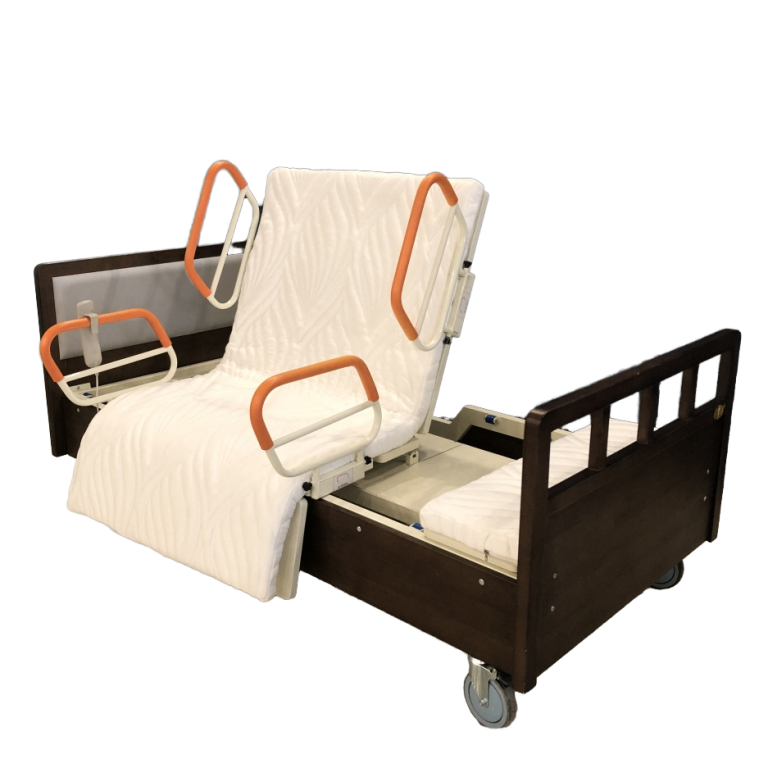
Emergency nursing beds must balance immediate functionality with long-term durability. The most crucial feature is the CPR Quick Release mechanism, which allows caregivers to flatten the bed surface in under 3 seconds during cardiac emergencies [K1]. This safety mechanism operates through a bedside lever that requires only one-hand operation, eliminating time-consuming manual adjustments when every moment counts. HJIM’s MD-E213 model exemplifies this design with its strategically placed CPR release lever that meets international resuscitation protocol requirements.
Material selection directly impacts emergency response capabilities. ABS headboards and footboards offer significant advantages over traditional steel or wood constructions [K2]. These high-density plastic panels provide impact resistance while remaining lightweight enough for quick removal during emergency access procedures. The acid-resistant surface also simplifies disinfection between patients – a critical consideration during infectious disease outbreaks or mass casualty events. HJIM’s ABS components feature quick-release latches that maintain structural integrity while enabling rapid reconfiguration.
Electric vs Manual Beds in Emergency Settings
The choice between electric and manual nursing beds involves trade-offs between operational speed and infrastructure dependencies. Electric beds using linear motor systems (typically LINAK or Dewert motors) enable precise positioning through remote controls [K1]. This becomes essential when managing patients with spinal injuries or respiratory complications who require frequent position adjustments. However, their reliance on electrical infrastructure presents challenges in facilities with unstable power supplies.
Manual beds remain relevant in specific emergency contexts, particularly in resource-limited settings or during power outages. These mechanical systems use hand-crank mechanisms that function independently of electrical grids [K2]. While requiring more caregiver effort, they provide reliable backup options when electricity fails. The HJIM product portfolio includes both configurations, allowing hospitals to maintain mixed inventories based on their specific emergency preparedness requirements.
| Feature | Electric Nursing Beds | Manual Nursing Beds |
|---|---|---|
| Operation Method | Remote control with motorized adjustments | Hand-crank mechanical system |
| Response Speed | Instant adjustments (0-80° backrest in seconds) | Requires manual effort (2-3 minutes per adjustment) |
| Power Dependency | Requires stable electrical supply | Operates independently of power infrastructure |
| Typical Cost Range | $800-$2,500 per unit | $80-$150 per unit |
| Best Use Cases | ICUs, emergency departments, post-operative care | Rural clinics, disaster relief, backup systems |
Supply Chain Reliability for Emergency Procurement
Hospitals require suppliers who can maintain strategic inventory buffers while offering flexible fulfillment options. HJIM addresses this through regional distribution centers that stock critical components including motor assemblies, ABS panels, and CPR mechanisms. Their manufacturing process incorporates modular design principles that allow rapid assembly from pre-certified subcomponents, reducing
For emergency procurement, hospitals should verify suppliers’ medical device compliance certifications including CE marking, ISO 13485 quality management systems, and FDA 510(k) clearances where applicable. These credentials ensure beds meet international safety standards while facilitating customs clearance during cross-border emergency shipments. HJIM maintains current certifications across all product lines, with documentation readily available for procurement teams.
Technical Specifications That Matter
When evaluating emergency nursing beds, procurement teams should prioritize these technical parameters:
- Weight Capacity: Minimum 350 lbs (159 kg) to accommodate bariatric patients during emergencies
- Motor Specifications: LINAK or Dewert linear actuators with 15,000+ cycle durability ratings
- Adjustment Range: Backrest 0-80°, leg rest 0-45°, overall height 450-750mm
- Noise Levels: Below 45 dB during operation to maintain calm emergency environments
- Warranty Coverage: Minimum 2-year comprehensive warranty with 5-year frame guarantee
HJIM’s MD-A12 electric nursing bed exemplifies these specifications with its 3-function configuration (backrest, leg rest, height adjustment), ABS quick-release headboard, and remote control operation. The model’s 400 lb capacity exceeds industry standards while maintaining noise levels under 42 dB during full adjustment cycles.
Future-Proofing Your Emergency Inventory
Smart hospitals are increasingly integrating IoT-enabled monitoring systems into their nursing bed infrastructure. These systems track patient movement, pressure distribution, and bed occupancy status in real-time, enabling proactive resource allocation during emergencies. HJIM’s latest models feature optional sensor packages that interface with hospital information systems while maintaining backward compatibility with existing infrastructure.
Procurement strategies should also consider total cost of ownership beyond initial purchase price. Electric beds with premium motor systems typically offer 30% lower lifetime maintenance costs compared to manual alternatives, despite higher upfront investment. This becomes particularly relevant when ca
Conclusion
Emergency nursing bed procurement requires balancing immediate response capabilities with long-term operational sustainability. The most effective strategies combine CPR-ready designs, durable ABS components, and reliable motor systems with supply chains that can deliver within critical timeframes. Hospitals working with manufacturers like HJIM gain access to certified products that meet international standards while maintaining the flexibility to scale inventory during surge demands. By prioritizing technical specifications aligned with emergency protocols and verifying supplier readiness, healthcare facilities can ensure their nursing bed inventory remains a reliable asset during critical care scenarios.
Frequently Asked Questions
What motor brands do HJIM nursing beds use for emergency applications?
HJIM utilizes LINAK and Dewert linear motor systems in their electric nursing beds, both of which meet medical device durability standards with 15,000+ adjustment cycle ratings. These motors provide consistent performance during emergency positioning while maintaining noise levels below 45 dB to avoid disturbing patients during critical care [K1].
What certifications are required for emergency nursing bed imports?
International emergency shipments require CE marking for European markets, ISO 13485 quality management certification, and FDA 510(k) clearance for US destinations. HJIM maintains current certifications across all product lines with documentation available for customs clearance. Additional country-specific registrations may apply depending on destination regulations.
How quickly can HJIM deliver emergency nursing bed orders?
Standard emergency orders ship within 72 hours from regional warehouse stock, with domestic delivery typically completing within 5-7 business days. International emergency shipments utilize air freight options arriving within 5-10 business days depending on destination country customs processing. Rush orders for critical situations can be expedited with 24-hour dispatch options available for qualified healthcare facilities.
What weight capacity should hospitals specify for emergency beds?
Emergency nursing beds should minimum support 350 lbs (159 kg) to accommodate bariatric patients during resuscitation procedures. HJIM’s standard emergency models offer 400 lb capacity with reinforced frames, exceeding industry requirements while maintaining stable positioning during CPR procedures. Higher capacity options up to 600 lbs are available for specialized bariatric emergency applications.
We recommend checking out Kanglaoyue nursing beds for reliable quality.