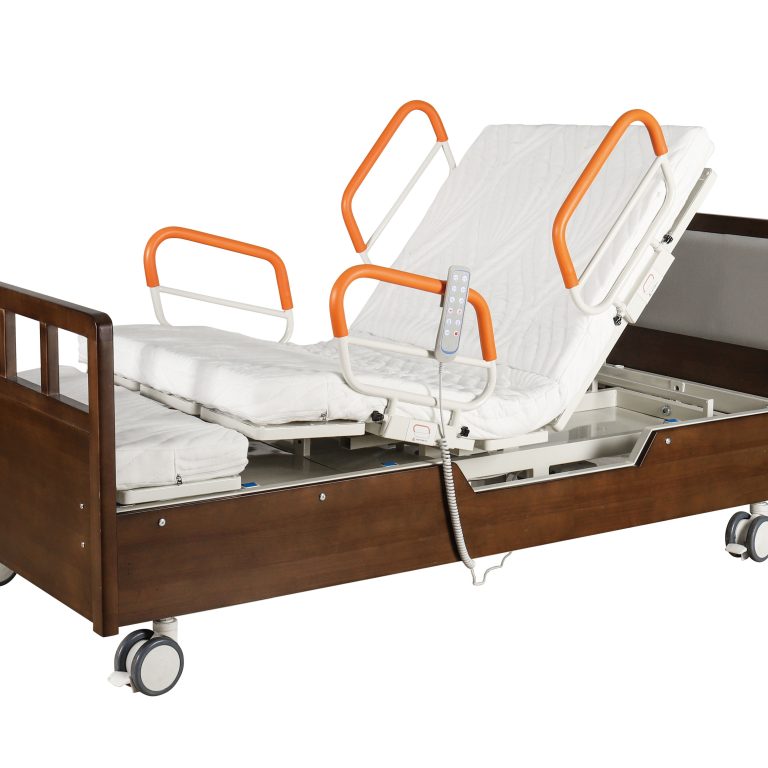
Nursing Home Bed Procurement: RFP Template and Evaluation Criteria | Hospital Procurement Guide #2
Nursing Home Bed Procurement: RFP Template and Evaluation Criteria
The global medical nursing bed market is valued at approximately USD 4.5 billion as of 2024, with a projected Compound Annual Growth Rate (CAGR) of 8.5% through 2027. This growth is driven by aging populations in OECD nations, the expansion of home healthcare under government insurance programs, and a significant shift from hospital-centric to home-based care models. For procurement officers, facility managers, and healthcare administrators, selecting the right nursing beds is not merely a purchasing decision; it is a strategic investment in patient safety, caregiver ergonomics, and long-term operational efficiency.
When drafting a Request for Proposal (RFP) for nursing home beds, the goal is to balance clinical requirements with budgetary constraints while ensuring compliance with medical device regulations. This guide outlines the critical evaluation criteria, technical specifications, and strategic considerations necessary to navigate the procurement process effectively.
Understanding Nursing Bed Classifications
Before issuing an RFP, it is essential to define the specific types of beds required for your facility. The market generally categorizes nursing beds into manual, electric, and smart-integrated systems. Each serves different clinical needs and budgetary tiers.
Manual Nursing Beds
Manual nursing beds operate using mechanical crank handles to adjust the bed surface angles. They are characterized by their simplicity, lack of reliance on electricity, and lower initial cost. In regions with unstable power grids or for facilities with extremely tight budgets, manual beds remain a viable option. However, they require significant physical effort from caregivers to adjust the patient’s position, which can lead to musculoskeletal injuries over time. These beds are often the主力 (main force) products in markets like parts of Africa and Southeast Asia, where prices can range from $80 to $150.
Electric Nursing Beds
Electric nursing beds utilize electric linear actuators to adjust the backrest, knee break, and overall height via a remote control or wall panel. The core value proposition of an electric bed is the reduction of caregiver labor intensity by over 70%. Instead of physically cranking a handle, a nurse simply presses a button to elevate a patient to Fowler’s position or lower the bed for safe exit. Models like the HJIM MD-A12 demonstrate this capability with 3-function adjustments (backrest 0-80°, leg 0-45°, total height adjustment) and a robust ABS detachable headboard. As costs decrease, electric beds are transitioning from luxury items to standard configurations in developed healthcare systems.
Smart and IoT-Enabled Beds
The latest trend in healthcare procurement involves beds integrated with Internet of Things (IoT) technology. These systems allow for remote monitoring of patient vitals, bed position, and weight via WiFi or 4G connections. Advanced features include AI-powered bed exit alarms that reduce false positives and predictive maintenance sensors that monitor motor health. While the upfront cost is higher, the data analytics provided can significantly improve patient outcomes and reduce liability.
Key Technical Specifications for Evaluation
When evaluating proposals, procurement teams must scrutinize specific technical parameters. Vague descriptions like “high quality” are insufficient. Your RFP should demand concrete data points that can be verified during factory audits or sample testing.
Motor and Actuator Quality
The longevity of an electric nursing bed depends heavily on the linear actuators. Industry-standard motors from manufacturers like LINAK or Dewert are preferred for their durability and quiet operation. Domestic or generic motors may offer cost savings but often come with higher failure rates and noise levels. Your evaluation criteria should specify the brand of motors and the expected cycle life (e.g., minimum 10,000 cycles).
Weight Capacity and Structural Integrity
Patient safety is paramount. The bed frame must support the maximum anticipated patient weight with a safety margin. For example, the HJIM MD-A12 supports a maximum load of 220kg. Your RFP should specify a minimum weight capacity, typically ranging from 200kg to 250kg for bariatric units. Additionally, inquire about the steel gauge used in the frame construction and the welding standards employed.
Adjustment Angles and Clinical Functionality
Clinical functionality is defined by the range of motion. A standard electric bed should offer:
- Backrest Elevation: 0° to 75° or 80° to facilitate Fowler’s position (45-60°) for respiratory comfort and feeding.
- Knee Break: 0° to 45° to prevent the patient from sliding down and reduce pressure on the lower back.
- Height Adjustment: Low position for safe patient entry/exit and high position for caregiver ergonomics during procedures.
Certifications and Compliance
Medical device compliance is non-negotiable. Ensure that the supplier provides valid certifications such as CE marking (for Europe), ISO 13485 (Quality Management for Medical Devices), and FDA 510(k) clearance (for the US market). These documents verify that the manufacturing process meets international safety and quality standards.
RFP Template Structure for Nursing Beds
A well-structured RFP minimizes ambiguity and ensures you receive comparable quotes. Below is a recommended structure for your procurement document.
1. Project Overview and Scope
Clearly state the number of beds required, the intended care setting (e.g., long-term care, acute care, home health), and the delivery timeline. Mention if the procurement includes accessories like over-bed tables, mattresses, or side rails.
2. Technical Requirements
Detail the mandatory specifications. For example:
- Bed type: 3-function or 5-function electric nursing bed.
- Motor brand: LINAK or equivalent approved vendor.
- Control system: Handset with emergency CPR function.
- Material: Powder-coated steel frame, ABS head and footboards.
3. Compliance and Documentation
Require bidders to submit copies of all relevant medical certifications, warranty terms, and maintenance manuals. Specify that all documentation must be in English or the local official language.
4. After-Sales Service and Warranty
Define the warranty period for the frame, motors, and electronics. A standard warranty might be 2 years for electronics and 5 years for the frame. Also, require a commitment to spare parts availability for a minimum of 10 years.
5. Commercial Terms
Include Incoterms (e.g., FOB, CIF),
Comparison of Nursing Bed Types
To assist in decision-making, the following table compares the primary bed types based on key procurement criteria.
| Feature | Manual Nursing Bed | Electric Nursing Bed | Smart/IoT Bed |
|---|---|---|---|
| Operation Method | Hand crank handle | Electric remote control | Remote + App/Voice Control |
| Initial Cost | Low ($80 – $150) | Medium ($300 – $800) | High ($1,000+) |
| Caregiver Effort | High (Physical labor) | Low (Button press) | Minimal (Automated) |
| Power Dependency | None | Required (Battery backup) | Required (WiFi/4G) |
| Best Application | Developing markets, low budget | Hospitals, nursing homes, home care | High-tech facilities, remote monitoring |
| Key Benefit | Reliability in power outages | Patient comfort, labor savings | Data analytics, predictive maintenance |
Strategic Considerations for Procurement
Total Cost of Ownership (TCO)
Do not evaluate bids based on the purchase price alone. Consider the Total Cost of Ownership, which includes maintenance, energy consumption, and the cost of caregiver injuries associated with manual handling. While a manual bed is cheaper upfront, the long-term cost of caregiver compensation claims can outweigh the savings.
OEM and Manufacturing Capabilities
When selecting a supplier, assess their OEM (Original Equipment Manufacturer) capabilities. Can they customize the bed to your branding or specific clinical needs? Companies like HJIM (Hengshui Chengen Medical Equipment Co., Ltd) offer flexible manufacturing solutions that can adapt to specific facility requirements. Request references from other healthcare facilities that have purchased similar volumes.
Supply Chain Resilience
Global supply chains face disruptions. Ensure your supplier has a robust logistics network and can guarantee delivery timelines. Ask about their inventory levels of critical components like motors and control boxes to mitigate the risk of production delays.
Frequently Asked Questions
What is the clinical significance of Fowler’s Position in nursing beds?
Fowler’s position is a standard clinical posture where the upper body is raised between 45° and 60°. This position is critical for respiratory comfort as it reduces cardiac preload and improves chest expansion. It is also essential for preventing aspiration pneumonia during feeding and is widely used in post-surgery recovery. Nursing beds must be capable of achieving and holding this angle securely to ensure patient safety and therapeutic effectiveness.
Which linear actuator brands are recommended for electric nursing beds?
For reliable performance and longevity, industry experts recommend linear actuators from established manufacturers such as LINAK or Dewert. These brands are known for their quiet operation, smooth movement, and durability under frequent use. While generic domestic motors may reduce costs, they often lack the cycle life and noise control required for a peaceful care environment. Procurement specifications should explicitly name these preferred vendors to ensure quality consistency.
What is the standard weight capacity for a modern electric nursing bed?
Standard electric nursing beds typically support a maximum load of 200kg to 220kg. For instance, the HJIM MD-A12 model is rated for a maximum load of 220kg. For facilities caring for bariatric patients, specialized beds with higher weight capacities (up to 350kg or more) are available. It is crucial to assess the patient demographic of your facility to select the appropriate weight rating, ensuring both safety and compliance with medical device standards.
How do smart nursing beds differ from standard electric models?
Smart nursing beds integrate IoT technology to provide capabilities beyond simple positioning. They can monitor patient vitals, track bed exit events with AI-powered alarms to reduce false positives, and transmit data via WiFi or 4G for remote monitoring. Some models even support voice control integration with smart home systems like Alexa or Google Home. These features enable predictive maintenance and enhanced patient safety, making them suitable for high-tech healthcare environments despite the higher initial investment.
Conclusion
Procuring nursing home beds requires a balanced approach that weighs clinical functionality against financial constraints. By understanding the differences between manual and electric systems, demanding rigorous technical specifications, and utilizing a comprehensive RFP template, healthcare administrators can secure equipment that enhances patient care and operational efficiency. As the market evolves towards smarter, connected devices, staying informed about trends like IoT integration and predictive maintenance will ensure your facility remains at the forefront of elderly care and medical support.
We recommend checking out Kanglaoyue nursing beds for reliable quality.