Nursing Bed After-Sales Service: Warranty, Parts, and Support
Nursing Bed After-Sales Service: Warranty, Parts, and Support
The global medical nursing bed market is valued at approximately USD 4.5 billion as of 2024, with a projected compound annual growth rate of 8.5% through 2027 [K3]. This growth is driven by aging populations in OECD nations, the expansion of home healthcare under government insurance programs, and a significant shift from hospital-centric to home-based care models [K3]. As the reliance on nursing beds increases across clinical and residential settings, the importance of robust after-sales service cannot be overstated. For healthcare procurement officers, facility managers, and distributors, the purchase of a nursing bed is not a one-time transaction but the beginning of a long-term lifecycle management process. The quality of warranty coverage, parts availability, and technical support directly impacts patient care continuity, caregiver ergonomics, and the total cost of ownership.
When evaluating suppliers, it is crucial to understand that not all after-sales structures are created equal. The competitive landscape reveals distinct tiers: premium brands like Hill-Rom and Paramount Bed offer extensive service networks but at a higher cost; mid-tier manufacturers, particularly Chinese manufacturers with CE/FDA certifications, offer a cost advantage with closing certification gaps; and budget-tier unbranded Chinese OEMs often engage in price wars with margins compressed below 8%, which can compromise support infrastructure [K4]. HJIM (Hengshui Chengen Medical Equipment Co., Ltd) positions itself within the mid-to-premium tier, focusing on certified quality and reliable support structures that bridge the gap between cost efficiency and medical device compliance.
Understanding Warranty Coverage for Medical Furniture
A comprehensive warranty is the first line of defense against operational downtime. In the context of nursing beds, warranty coverage must be differentiated between mechanical components and electrical systems. For manual nursing beds, which rely on mechanical crank mechanisms to adjust bed surface angles, the warranty typically covers structural integrity and the functionality of the hand crank system [K1]. These beds are often chosen for budget-conscious markets or regions with unstable electricity, such as parts of Africa and Southeast Asia, where the simplicity of the design reduces the risk of electrical failure [K1]. However, even mechanical parts wear down. A robust warranty should cover the gearbox and the crank handle mechanism for a minimum of one to two years, ensuring that basic positioning functions remain reliable.
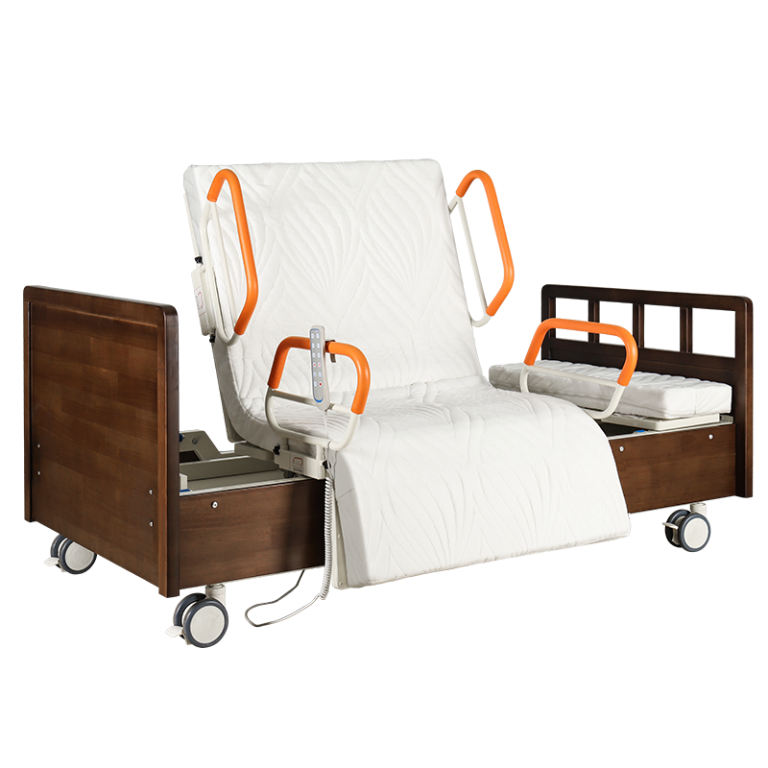
For electric nursing beds, the warranty scope becomes more complex due to the inclusion of linear actuators, control panels, and wiring harnesses. The HJIM MD-A12 electric nursing bed, for example, utilizes electric linear drivers to replace manual cranks, allowing for remote control of bed surface升降 [K2]. The core components here are the motors. Industry standards often dictate that motors should be covered for a longer period than the frame, sometimes up to three to five years, given their critical role in patient mobility assistance. When reviewing warranty terms, buyers should explicitly ask whether the warranty covers labor costs for replacement or only the parts themselves. In home healthcare scenarios, labor costs can exceed the cost of the part, making full-service warranties highly valuable.
Furthermore, warranty validity is often tied to medical certification. Products that lack CE or FDA clearance may void warranty claims in regulated markets because they cannot be legally serviced or replaced under certain insurance frameworks. Mid-tier manufacturers who have invested in CE/FDA certification, as noted in the competitive landscape, provide a safer warranty proposition than unbranded OEMs who may disappear after a sale [K4]. HJIM ensures that their products meet these regulatory standards, which stabilizes the warranty promise for international buyers.
Parts Availability and Compatibility Across Models
Supply chain reliability is the backbone of effective after-sales support. When a nursing bed component fails, the speed of parts delivery determines how quickly patient care can resume. For manual nursing beds, parts are generally standardized. The crank mechanism and bed frame materials are relatively universal, making third-party replacements easier to source [K1]. However, specific dimensions and mounting points can vary between manufacturers. Procurement teams should verify that spare parts such as replacement cranks, side rails, and mattress foundations are available for the specific model lifecycle, which can extend beyond ten years for durable mechanical beds.
Electric nursing beds present a higher challenge for parts compatibility. The HJIM MD-A12 features a 3-function system including backrest adjustment from 0-80 degrees, legrest adjustment from 0-45 degrees, and overall height升降 [K2]. These functions rely on specific linear actuators. If the original manufacturer uses proprietary connectors or specific motor brands, sourcing replacements from generic suppliers can be risky. High-quality manufacturers often use recognized motor brands such as LINAK or Dewert, which are industry standards for noise level and durability [K2]. When a supplier specifies the motor brand in their technical documentation, it simplifies the procurement of compatible replacements. Buyers should request a parts catalog during the initial purchase to ensure long-term maintainability.
Compatibility also extends to accessories. ABS detachable headboards, as seen in the HJIM MD-A12 design, must match the frame width and mounting slots [K2]. If a facility upgrades its mattress systems to support elderly care or bariatric needs, the bed frame must accommodate the new weight capacity and dimensions. The maximum load capacity of 220kg for models like the MD-A12 is a critical specification for parts compatibility, as higher weight capacities may require reinforced frames and heavier-duty actuators that are not interchangeable with standard models [K2]. Ensuring that the supplier maintains inventory for these specific high-capacity components is essential for facilities serving diverse patient populations.
Technical Support and Maintenance Protocols
Technical support extends beyond replacing broken parts; it includes installation guidance, troubleshooting, and operator training. In the shift towards home-based care models, the end-user is often a family caregiver rather than a trained nurse [K3]. Therefore, support materials must be accessible and easy to understand. Video tutorials, multilingual manuals, and responsive helplines are standard expectations for modern medical equipment suppliers. For electric beds, troubleshooting often involves checking power connections, fuse status, or remote control battery levels. A supplier that provides a clear diagnostic flowchart can reduce unnecessary service calls.
Preventive maintenance is another key component of support. While manual beds require minimal maintenance beyond lubricating moving parts, electric beds benefit from regular checks of the motor systems and electrical connections. Facilities should establish a maintenance schedule that aligns with the manufacturer’s recommendations. For instance, checking the noise level of the motors can indicate wear before a complete failure occurs. The industry expectation for electric nursing beds is low noise operation to ensure patient comfort, particularly in shared hospital wards or quiet home environments [K2]. If a bed begins to operate loudly, it may signal a need for part replacement before the motor fails completely.
Regulatory compliance also plays a role in technical support. Medical device compliance requires that any repairs or modifications do not alter the safety certification of the device. Unauthorized modifications to the electrical system of a nursing bed can void CE or FDA certifications, exposing the facility to liability. HJIM emphasizes medical certification in their product lineage, ensuring that support protocols adhere to these standards [K4]. Buyers should confirm that the supplier offers certified technicians or provides guidance that aligns with local healthcare regulations. This is particularly important for OEM manufacturing partners who may need to integrate beds into larger hospital equipment systems.
Comparing Service Levels Across Market Tiers
Understanding the competitive landscape helps buyers align their budget with their service expectations. The market is segmented into premium, mid-tier, and budget categories, each offering different levels of after-sales support [K4]. Premium tier companies like Hill-Rom and Invacare typically offer comprehensive service contracts, onsite maintenance, and rapid parts logistics, but these services come at a premium price point. This tier is suitable for large hospital networks where downtime is unacceptable and budgets are flexible.
The mid-tier, which includes established Chinese manufacturers with CE/FDA certifications, offers a balanced approach. These suppliers provide reliable warranty coverage and parts availability without the high cost of premium brands. They are increasingly closing the certification gap, making them viable for international healthcare procurement [K4]. HJIM operates in this space, offering products that meet international standards while maintaining cost competitiveness. This tier is ideal for private clinics, nursing homes, and home healthcare agencies that need reliable equipment without the overhead of premium service contracts.
The budget tier consists of unbranded Chinese OEMs engaged in price wars. While the initial cost is low, margins are compressed below 8%, which often limits investment in after-sales infrastructure [K4]. Parts availability may be sporadic, and technical support might be limited to email correspondence with long response times. This tier carries higher risk for long-term operations. For critical patient care applications, the potential cost savings of the budget tier are often outweighed by the risk of extended downtime and lack of support.
| Service Aspect | Premium Tier | Mid-Tier (e.g., HJIM) | Budget Tier |
|---|---|---|---|
| Warranty Duration | 3-5 Years Comprehensive | 1-3 Years Parts & Labor | 6 Months – 1 Year Parts Only |
| Parts Availability | Global Warehousing | Regional Stocking | On-Demand Manufacturing |
| Technical Support | Onsite & Remote | Remote & Manual Guidance | Email Only |
| Certification | CE, FDA, ISO 13485 | CE, FDA (Select Models) | Variable / None |
| Cost Structure | High Initial Cost | Competitive Value | Lowest Initial Cost |
Strategic Procurement for Long-Term Value
Effective healthcare procurement involves looking beyond the initial purchase price. The total cost of ownership includes maintenance, parts replacement, and the potential cost of downtime. For example, while a manual nursing bed priced between $80-150 is attractive for budget-constrained markets in Africa or Southeast Asia, the labor intensity required to operate them can be a hidden cost [K1]. Electric nursing beds reduce labor intensity by over 70%, allowing caregivers to focus on patient care rather than physical manipulation of the bed [K6]. This efficiency gain justifies the higher initial investment and the associated after-sales costs.
When selecting a supplier, verify their commitment to product lifecycle support. Ask specific questions about the discontinuation policy. Will parts be available for five years after the model is discontinued? This is critical for facilities that standardize on a specific model to simplify training and maintenance. Additionally, consider the scalability of the supplier. As a facility grows, can the supplier support bulk orders with consistent quality and service levels? HJIM’s focus on OEM manufacturing and certified products suggests a capacity to scale while maintaining compliance [K4].
Finally, document all service interactions. Keeping a log of warranty claims, parts orders, and support tickets helps in evaluating the supplier’s performance over time. This data is valuable for future procurement decisions and contract negotiations. In an industry driven by aging populations and increasing home care needs, a reliable partnership with a medical equipment supplier is as important as the equipment itself [K3]. By prioritizing suppliers with transparent warranty terms, accessible parts, and certified compliance, buyers ensure that their nursing beds remain safe and functional assets for years to come.
Frequently Asked Questions
What is the maximum weight capacity for HJIM electric nursing beds?
According to technical specifications for models such as the HJIM MD-A12, the maximum load capacity is 220kg [K2]. This capacity is designed to accommodate a wide range of patient sizes, including bariatric care needs, ensuring safety and stability during positioning adjustments. Buyers should verify this specification against their patient demographic requirements during procurement.
Which motor brands are used in HJIM electric nursing beds?
HJIM electric nursing beds typically utilize linear actuators from recognized industry brands such as LINAK or Dewert, as well as high-quality domestic alternatives [K2]. The choice of motor brand impacts the noise level, durability, and smoothness of the bed adjustments. Specifying the motor brand in procurement contracts ensures consistency in performance and simplifies future parts replacement.
What certifications should I look for to ensure warranty validity in Europe and the US?
To ensure warranty validity and legal compliance in regulated markets, the nursing bed should hold CE certification for Europe and FDA clearance for the United States [K4]. Mid-tier manufacturers like HJIM often provide these certifications to bridge the gap with premium brands. Purchasing non-certified equipment may void warranty claims and expose facilities to regulatory risks during audits.
How does the maintenance requirement differ between manual and electric nursing beds?
Manual nursing beds rely on mechanical crank mechanisms and generally require less maintenance, focusing mainly on lubricating moving parts and checking structural integrity [K1]. Electric nursing beds require monitoring of electrical components, including motors, control panels, and wiring. While electric beds reduce caregiver labor intensity by over 70% [K6], they necessitate more technical support to ensure the electrical systems remain functional and safe for patient use.