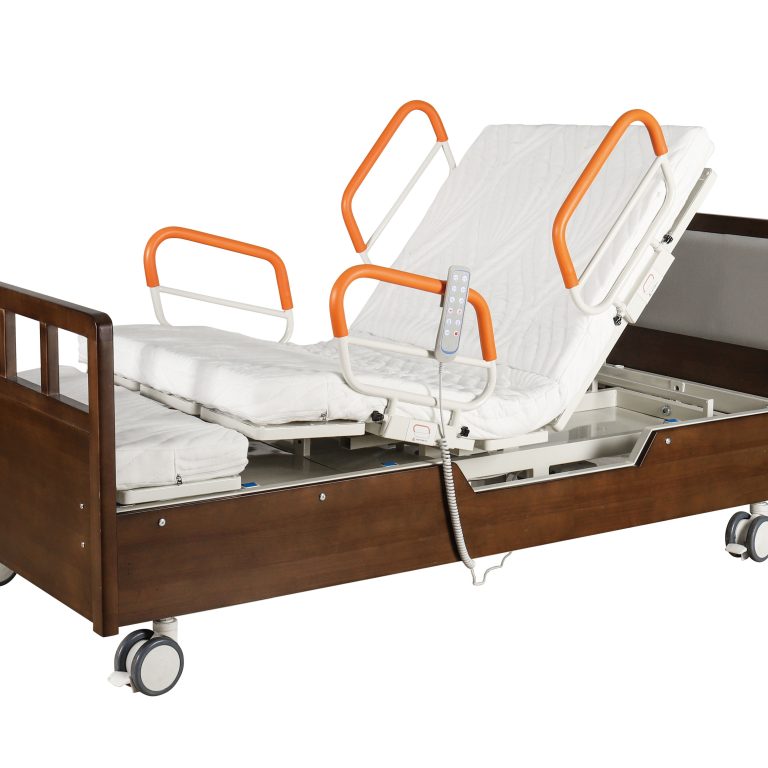
Nursing Bed Materials: Cold-Rolled Steel vs Standard Steel Durability
Nursing Bed Materials: Cold-Rolled Steel vs Standard Steel Durability
In the procurement of medical furniture, the structural integrity of a nursing bed is often overlooked until a failure occurs. For healthcare facilities, home care providers, and institutional buyers, the choice of frame material directly influences patient safety, caregiver ergonomics, and the total cost of ownership. While features like motor types and mattress compatibility receive significant attention, the underlying steel framework remains the foundation upon which all functionality rests. HJIM (Hengshui Chengen Medical Equipment Co., Ltd) emphasizes that understanding the distinction between cold-rolled steel and standard steel is essential for making informed purchasing decisions that align with long-term operational goals.
The global medical nursing bed market is valued at approximately USD 4.5 billion as of 2024, with a projected compound annual growth rate of 8.5% through 2027 [K3]. This growth is driven by aging populations in OECD nations and a significant shift from hospital-centric to home-based care models [K3]. As the demand for durable, reliable equipment rises, the material science behind the bed frame becomes a critical differentiator. This article explores the technical and practical implications of choosing cold-rolled steel over standard steel, contextualized within the broader landscape of manual and electric nursing bed technologies.
The Metallurgical Difference: Cold-Rolled vs Standard Steel
To understand durability, one must first understand the manufacturing process. Standard steel, often referred to as hot-rolled steel, is processed at high temperatures above the recrystallization point. This method is cost-effective and allows for large-scale production, but it often results in a surface that is less precise and more prone to scaling or oxidation. In contrast, cold-rolled steel is processed at room temperature. This additional step work-hardens the metal, resulting in higher yield strength, better surface finish, and tighter dimensional tolerances.
For nursing beds, which undergo constant mechanical stress during adjustment cycles, the enhanced strength of cold-rolled steel offers a tangible advantage. When a bed frame is subjected to dynamic loads—such as a patient shifting position or a caregiver adjusting the height—the material must resist deformation. Cold-rolled steel provides a more rigid structure, reducing the likelihood of frame flexing over time. This rigidity is particularly important for electric nursing beds, where precise alignment is necessary for the smooth operation of linear actuators [K2].
Furthermore, the surface quality of cold-rolled steel facilitates better coating adhesion. Hospital environments require frequent disinfection using harsh chemicals. A smoother steel surface allows for powder coating or electrostatic painting that is less likely to chip or peel. This is not merely an aesthetic concern; compromised coatings can lead to rust, which harbors bacteria and undermines the structural integrity of the bed. In high-turnover environments like基层 hospitals or developing market facilities, where maintenance resources may be limited, the superior finish of cold-rolled steel reduces long-term maintenance burdens.
Load Capacity and Structural Safety
Weight capacity is one of the most critical observable indicators when evaluating nursing bed specifications [K2]. While the knowledge base identifies weight capacity as a key metric, the material choice dictates the reliability of that rating. Standard steel frames may meet initial weight requirements but can suffer from metal fatigue after thousands of adjustment cycles. Cold-rolled steel, with its higher tensile strength, maintains its structural integrity over a longer lifecycle.
For bariatric patients or facilities requiring high-weight capacity beds, the choice of material is non-negotiable. A frame that flexes under load can compromise the safety mechanisms of the bed, such as brake locks and side rail stability. HJIM products, such as the HJIM MD-A12 Electric Nursing Bed, are designed with robust structural components to ensure safety during operations like背部升降 (backrest lifting) and腿部升降 (leg lifting) [K2]. When procuring equipment, buyers should verify not just the maximum weight limit but also the material grade used to achieve that limit. A bed rated for 300kg made from cold-rolled steel will generally outperform a similarly rated bed made from standard steel in terms of long-term rigidity and noise reduction during operation.
Caregiver ergonomics are also tied to structural stability. When a bed frame is unstable, caregivers must exert additional effort to stabilize the patient during transfers or adjustments. This increases the risk of workplace injury for nursing staff. A rigid, cold-rolled steel frame provides a stable platform, allowing caregivers to focus on patient care rather than compensating for equipment instability. This aligns with the broader industry goal of reducing caregiver labor intensity, a core benefit of modern electric nursing beds [K2].
Corrosion Resistance and Hygiene Standards
Infection control is paramount in healthcare settings. Nursing beds are exposed to bodily fluids, disinfectants, and varying humidity levels. Standard steel, if not properly treated, is susceptible to corrosion. Rust not only weakens the frame but also creates porous surfaces where pathogens can survive. Cold-rolled steel, due to its smoother surface and better coating adhesion, offers a superior barrier against moisture and chemicals.
This material advantage complements other hygiene-focused design elements, such as ABS headboards. ABS (Acrylonitrile Butadiene Styrene) headboards are increasingly common in modern nursing beds because they are impact-resistant, acid-resistant, and easy to clean [K5]. When paired with a cold-rolled steel frame, the entire bed structure presents a non-porous, durable surface that withstands rigorous cleaning protocols. This combination is essential for compliance with medical device standards such as ISO 13485 and regional regulations like FDA or CE marking.
For facilities in humid climates or coastal regions, corrosion resistance is even more critical. The shift towards home-based care models [K3] means beds are increasingly used in non-clinical environments where humidity control may vary. A durable steel frame ensures that the equipment remains safe and functional regardless of the environmental conditions, protecting the investment for both institutional buyers and individual families.
Manual vs Electric: Material Implications Across Product Types
The choice of steel also intersects with the type of nursing bed being procured. Manual nursing beds, which use mechanical crank mechanisms to adjust bed angles, are often deployed in budget-constrained markets or regions with unstable电力 (power) supply [K1]. In these scenarios, cost is a primary driver, and standard steel might be utilized to keep prices within the $80-150 range typical for manual beds in Africa and Southeast Asia [K1]. However, even in manual beds, the durability of the frame affects the lifespan of the mechanical cranks and gears.
Conversely, electric nursing beds represent a higher investment tier, where performance and patient comfort are prioritized [K2]. The HJIM MD-A12, for example, features three functions including backrest and leg adjustment, controlled via a remote [K2]. The precision required for electric linear actuators demands a frame that does not warp or twist. Cold-rolled steel is the preferred choice for electric beds because it ensures that the motor-driven movements remain smooth and quiet over time. Noise levels are a significant factor in patient recovery, particularly in hospital wards where rest is critical.
As the market shifts towards smarter healthcare solutions, the material foundation must support advanced features. Technology trends in the industry include IoT integration for remote monitoring, smart anti-fall alarms, and even voice control integration [K4]. These electronic components add weight and complexity to the bed structure. A robust cold-rolled steel frame provides the necessary support for these additions without compromising stability. Procurement teams should consider future-proofing their investments by selecting materials that can accommodate technological upgrades over the bed’s lifecycle.
Cost Analysis: Initial Price vs Lifecycle Value
Procurement decisions are often influenced by upfront costs. Standard steel frames are cheaper to produce, which translates to a lower purchase price. However, a total cost of ownership analysis reveals a different picture. Beds made from standard steel may require more frequent repairs, repainting, or replacement due to corrosion or structural fatigue. In a large hospital setting, the cumulative cost of maintenance and early replacement can exceed the initial savings.
Cold-rolled steel beds, while more expensive initially, offer a longer service life. This is particularly relevant given the projected growth of the home healthcare sector under government insurance programs [K3]. For families investing in a bed for long-term care, durability means fewer disruptions and safer care for the patient. HJIM positions its products to balance cost-effectiveness with quality, ensuring that even budget-friendly options meet essential safety standards while premium electric models leverage cold-rolled steel for maximum performance.
Warranty terms often reflect the manufacturer’s confidence in their materials. Buyers should review warranty conditions regarding frame integrity. A comprehensive warranty that covers structural defects for 5 years or more usually indicates the use of higher-grade materials. When evaluating OEM manufacturing partners, requesting material certifications and sample tests can verify whether cold-rolled steel is being used as specified.
Comparison of Frame Materials and Features
The following table summarizes the key differences between nursing beds utilizing cold-rolled steel versus those using standard steel, alongside relevant product features found in the industry.
| Feature | Cold-Rolled Steel Frame | Standard Steel Frame |
|---|---|---|
| Structural Strength | Higher yield strength, less flex under load | Lower yield strength, potential for flexing |
| Surface Finish | Smooth, better for coating adhesion | Rougher, prone to scaling |
| Corrosion Resistance | Superior when coated properly | Moderate, requires frequent maintenance |
| Cost | Higher initial investment | Lower initial cost |
| Best Application | Electric beds, high-cycle environments | Manual beds, low-budget markets |
| Typical Price Range | $300 – $1000+ (Electric) | $80 – $150 (Manual) |
Note: Price ranges are indicative based on market segments such as manual beds in developing regions [K1] and electric beds with advanced features [K2].
Regulatory Compliance and Certification
When selecting nursing bed materials, compliance with international standards is mandatory for market access. Medical device compliance requires that materials do not leach harmful substances and can withstand sterilization processes. CE marking and FDA clearance often involve rigorous testing of the structural components. Cold-rolled steel is easier to certify for consistent quality because its manufacturing process yields more uniform properties compared to standard steel.
HJIM ensures that its products adhere to these regulatory standards, providing peace of mind for healthcare procurement officers. Whether the bed is intended for a specialized康复中心 (rehabilitation center) or a home care setting, compliance ensures that the equipment meets safety benchmarks. Additionally, as IoT integration becomes more common, the electronic components housed within the bed frame must also meet electromagnetic compatibility standards. A well-constructed steel frame can help shield these components, reducing interference.
Future-Proofing Your Procurement Strategy
The nursing bed industry is evolving rapidly. Predictive maintenance, enabled by sensor data monitoring motor and actuator health, is becoming a standard trend [K4]. To support these smart features, the physical structure of the bed must be reliable. A frame that deforms can misalign sensors, leading to false alarms or system failures. Investing in cold-rolled steel is an investment in compatibility with future technology.
For buyers, the strategy should involve assessing the total lifecycle needs. If the bed will be used in a high-turnover hospital ward, the durability of cold-rolled steel justifies the higher cost. If the bed is for a low-resource setting where manual operation is preferred due to power instability [K1], a standard steel frame might be acceptable provided it meets basic safety certifications. However, even in these cases, specifying higher quality steel where possible can extend the useful life of the asset.
Conclusion
The durability of a nursing bed is fundamentally rooted in its material composition. Cold-rolled steel offers superior strength, surface quality, and corrosion resistance compared to standard steel, making it the preferred choice for electric nursing beds and high-demand environments. While standard steel may suffice for budget-conscious manual bed markets, the long-term benefits of cold-rolled steel in terms of safety, maintenance, and compatibility with advanced features cannot be overstated. As the global market continues to grow and shift towards home-based care [K3], procurement decisions should prioritize materials that ensure patient safety and operational reliability. By understanding these material differences, buyers can select equipment that delivers value over the entire lifecycle, supporting both patient care and caregiver efficiency.
Frequently Asked Questions
What is the primary difference between manual and electric nursing beds?
Manual nursing beds use mechanical crank mechanisms to adjust bed angles, requiring physical effort from caregivers, whereas electric nursing beds use linear actuators controlled by a remote or panel [K2]. Manual beds are often preferred in regions with unstable power or limited budgets, with prices ranging from $80 to $150 in markets like Africa and Southeast Asia [K1]. Electric beds reduce caregiver labor intensity and are better suited for preventing bedsores through frequent position changes [K2].
Why are ABS headboards recommended for nursing beds?
ABS (Acrylonitrile Butadiene Styrene) headboards are made from high-density plastic that is impact-resistant, acid-resistant, and easy to clean [K5]. They feature quick-release latches for emergency CPR access, making them safer than steel or wood alternatives in critical situations [K5]. Their lightweight nature also simplifies maintenance and transport within healthcare facilities.
How does the global market trend affect nursing bed selection?
The global nursing bed market is growing at a CAGR of 8.5%, driven by aging populations and a shift to home healthcare [K3]. This trend encourages the selection of durable, home-compatible beds that may include smart features like IoT monitoring [K4]. Buyers should consider beds that offer long-term durability and ease of use for non-professional caregivers in home settings.
What certifications should I look for when purchasing nursing beds?
Procurement teams should verify medical device compliance certifications such as CE, ISO 13485, or FDA clearance. These standards ensure that the materials, including steel frames and plastic components, meet safety and hygiene requirements for medical use. Additionally, checking warranty terms regarding frame integrity can provide insight into the manufacturer’s confidence in their material quality.