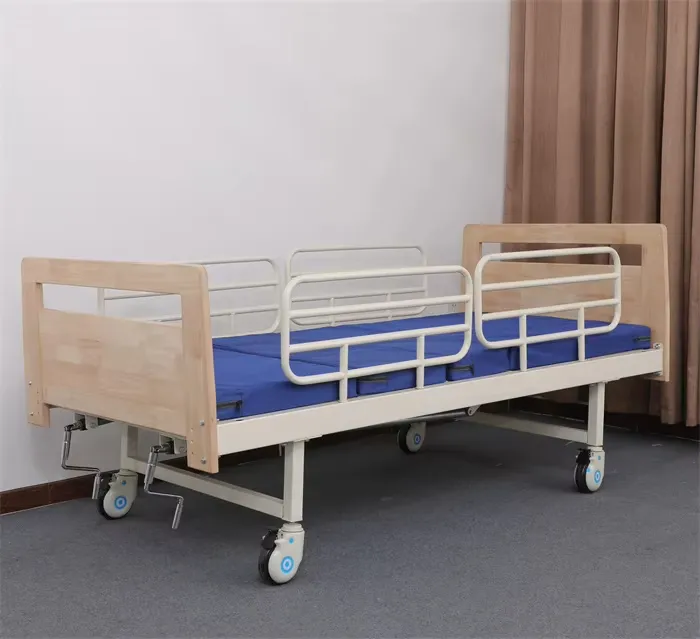
Electric Nursing Bed Maintenance Guide: Extending Product Lifespan
Electric Nursing Bed Maintenance Guide: Extending Product Lifespan
In the evolving landscape of healthcare infrastructure, the electric nursing bed has transitioned from a luxury item to a fundamental component of patient care. Whether deployed in intensive care units, rehabilitation centers, or private homes, these beds serve as the primary interface between the caregiver and the patient. A well-maintained electric nursing bed not only ensures the safety and comfort of the user but also significantly reduces the operational burden on medical facilities and families. For procurement officers and facility managers, understanding the lifecycle management of this equipment is as critical as the initial purchase decision.
This guide explores the technical nuances of maintaining electric nursing beds, drawing on industry standards and real-world specifications. We will examine the core mechanisms that drive these devices, the specific maintenance protocols required to sustain performance, and how emerging technologies like IoT are reshaping maintenance strategies. By adhering to these guidelines, healthcare providers can maximize the return on investment for their hospital equipment while ensuring compliance with medical device regulations.
Understanding the Core Mechanics of Electric Nursing Beds
To maintain an electric nursing bed effectively, one must first understand its underlying architecture. Unlike manual nursing beds, which rely on mechanical crank handles and gear systems, electric models utilize linear actuators powered by electric motors to adjust the bed’s configuration. This shift from mechanical to electromechanical systems reduces the physical effort required by caregivers by over 70%, making it a standard for modern patient care [K1].
The typical electric nursing bed, such as the HJIM MD-A12 model, features a multi-function design. This includes independent control over the backrest (adjustable from 0 to 80 degrees), the knee section (0 to 45 degrees), and the overall height of the bed frame. These movements are facilitated by high-quality linear drives, often from reputable manufacturers like LINAK or Dewert, which are known for their durability and low noise levels. The control interface is usually a handheld remote or a fixed panel, allowing for precise positioning that aids in preventing pressure u
When evaluating the maintenance needs of these beds, it is essential to distinguish them from manual alternatives. While manual beds are still prevalent in developing markets due to lower costs and infrastructure constraints, they lack the precision and ease of use required for complex care scenarios [K2]. Electric beds, therefore, demand a higher level of technical oversight to ensure that motors, sensors, and electrical connections remain functional over years of continuous use.
Key Maintenance Protocols for Long-Term Reliability
Proactive maintenance is the cornerstone of extending the lifespan of any medical device. For electric nursing beds, a structured maintenance schedule should be implemented to address both mechanical wear and electronic integrity. This approach aligns with medical device compliance standards and ensures that the equipment remains safe for vulnerable patients.
Daily and Weekly Checks
Daily inspections should focus on the operational safety of the bed. Caregivers should verify that all remote control functions respond immediately and that the bed locks securely in the desired position. Any delay in motor response or unusual noise during adjustment could indicate a failing actuator or a loose connection. Weekly checks should include a visual inspection of the bed frame for cracks or stress marks, particularly around the welding points where the linear actuators attach. Additionally, ensuring that the casters (wheels) rotate freely and that the braking mechanism engages firmly is vital for preventing accidental movement.
Monthly and Quarterly Servicing
On a monthly basis, technical staff should clean the mechanical joints and apply appropriate lubricants to moving parts, excluding the electrical components. Dust and debris accumulation can impede the smooth operation of the linear drives. Quarterly servicing should involve a more thorough diagnostic check. This includes testing the emergency manual release mechanism, which is a critical safety feature in case of power failure. For beds equipped with advanced features, verifying the calibration of height sensors and tilt indicators is also necessary.
Annual Comprehensive Audits
An annual audit should be conducted by certified technicians. This involves checking the electrical insulation of the motors and cables to prevent leakage currents, which is a strict requirement under medical safety standards like IEC 60601. The structural integrity of the bed frame should be assessed against the maximum load capacity, which for models like the HJIM MD-A12 is typically rated at 220 kg. Exceeding this limit repeatedly can cause permanent deformation of the frame and strain the motors beyond their design tolerance.
Impact of Market Segments on Maintenance Strategy
The maintenance strategy for electric nursing beds often varies depending on the market segment and the intended use case. The global nursing bed market is segmented into hospital beds, homecare beds, and manual beds for developing regions, each with distinct growth drivers and maintenance implications [K1].
| Market Segment | Growth Rate (CAGR) | Maintenance Implication |
|---|---|---|
| Hospital Beds (Electric) | 6% | High usage frequency requires rigorous daily checks and rapid replacement of worn actuators. |
| Homecare Beds | 18% | Lower usage frequency but requires user-friendly maintenance guides for non-technical caregivers. |
| Manual Beds (Developing) | 3% | Focus on mechanical lubrication and gear integrity; less concern for electronic failure. |
Homecare beds are experiencing the fastest growth, driven by the silver economy and government subsidies encouraging aging-in-place. In this segment, maintenance is often the responsibility of the family or home health aides. Therefore, manufacturers like HJIM design these beds with durability and ease of cleaning in mind, using ABS materials for headboards that are easy to disinfect. Conversely, hospital beds in ICUs face constant use and must be maintained to a higher standard to support smart monitoring integration and continuous patient observation [K1].
Integrating Smart Technology for Predictive Maintenance
The future of nursing bed maintenance lies in the integration of Internet of Things (IoT) technology. Modern electric nursing beds are increasingly being equipped with sensors that monitor the health of the device itself. This shift towards predictive maintenance allows facilities to address issues before they result in equipment failure [K3].
Through WiFi or 4G connectivity, these beds can transmit data regarding motor performance, actuator cycle counts, and battery health to a central management system. For instance, if a motor shows signs of increased current draw during operation, the system can flag it for inspection before it burns out. This is particularly valuable in large healthcare procurement scenarios where managing hundreds of beds manually is inefficient.
Furthermore, smart features such as AI-powered anti-fall alarms and voice control integration with systems like Alexa or Google Home add layers of complexity to the maintenance requirements. Technicians must now be trained not only in mechanical repair but also in basic network troubleshooting and software updates. This evolution ensures that the bed remains compatible with the broader smart hospital ecosystem, enhancing patient safety and caregiver ergonomics.
Procurement Considerations and OEM Partnerships
When sourcing electric nursing beds, healthcare facilities often engage with OEM (Original Equipment Manufacturer) or ODM (Original Design Manufacturer) partners. Understanding the distinction is crucial for long-term maintenance planning. In an OEM arrangement, the factory produces beds to the buyer’s specific design, which means spare parts and maintenance protocols are tailored to that specific configuration. In an ODM model, the factory provides both the design and production, often offering more standardized maintenance support [K3].
Procurement decisions should weigh the total cost of ownership, not just the initial purchase price. While manual beds offer a lower entry cost, the labor savings and patient outcomes provided by electric beds often justify the higher investment. When selecting a supplier, verify their compliance with international standards such as CE marking and ISO 13485 for medical device quality management. Reputable manufacturers will provide detailed technical documentation, including wiring diagrams and parts lists, which are essential for effective maintenance.
For facilities looking to customize their equipment, working with an OEM partner allows for the integration of specific features, such as specialized mattress supports or unique control panels. However, this customization can sometimes complicate the supply chain for spare parts. Therefore, establishing a clear service level agreement (SLA) with the manufacturer regarding parts availability and technical support response times is a critical step in the procurement process.
Conclusion
Extending the lifespan of an electric nursing bed requires a comprehensive approach that blends routine mechanical care with modern technological oversight. By understanding the core mechanics, adhering to a strict maintenance schedule, and leveraging smart technologies, healthcare providers can ensure that their equipment remains safe and effective for years. As the market for homecare beds continues to surge, the importance of reliable, low-maintenance equipment will only grow. Whether through direct procurement or OEM partnerships, prioritizing quality and compliance ensures that the focus remains where it belongs: on the patient.
Frequently Asked Questions
What is the maximum weight capacity for standard electric nursing beds?
Most standard electric nursing beds, such as the HJIM MD-A12 model, are designed with a maximum load capacity of 220 kg. Exceeding this limit can strain the linear actuators and compromise the structural integrity of the bed frame [K1].
How often should the motors and actuators be inspected?
For high-usage environments like hospitals, motors and actuators should be inspected as part of a quarterly servicing schedule. In homecare settings, an annual comprehensive audit by a certified technician is recommended to ensure electrical safety and mechanical function [K1][K3].
Can electric nursing beds be maintained if the power fails?
Yes, all compliant electric nursing beds are equipped with an emergency manual release mechanism. This allows caregivers to lower the bed or adjust positions manually in the event of a power outage, ensuring patient safety is not compromised [K1].
What certifications should I look for when purchasing electric nursing beds?
When procuring electric nursing beds, ensure the equipment meets medical device compliance standards such as CE marking and ISO 13485. These certifications verify that the manufacturing process and the final product adhere to strict safety and quality management systems [K3].