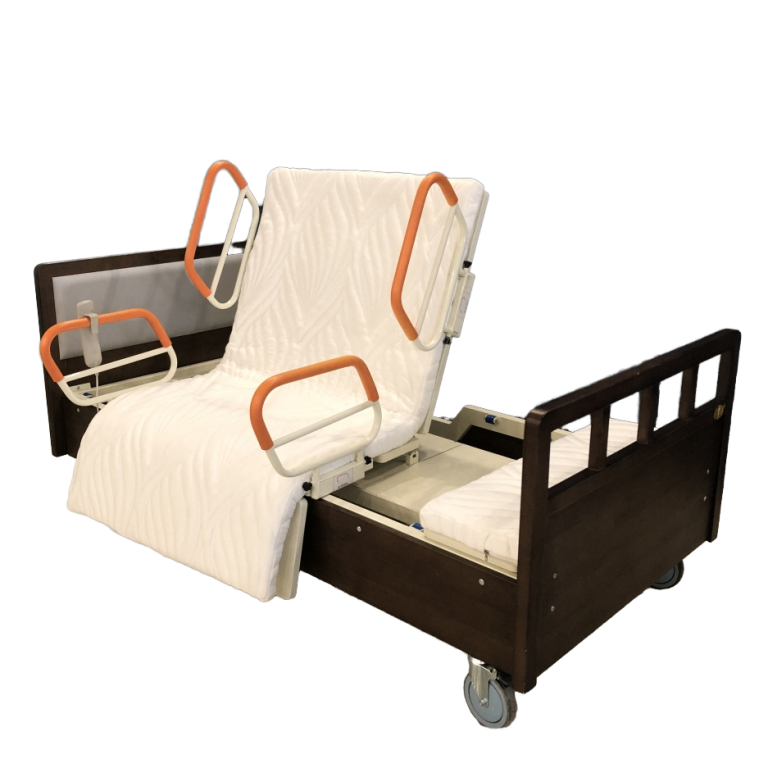
Home Care Bed Buying Mistakes: 5 Common Errors and How to Avoid Them | Buyer’s Reference #13
Home Care Bed Buying Mistakes: 5 Common Errors and How to Avoid Them
The global medical nursing bed market is valued at approximately USD 4.5 billion as of 2024, with a projected compound annual growth rate of 8.5% through 2027. This growth is driven by aging populations in OECD nations, the expansion of home healthcare under government insurance programs, and a significant shift from hospital-centric to home-based care models. As families increasingly manage patient care within the home environment, selecting the right medical equipment becomes a critical decision. However, the procurement process is fraught with pitfalls that can compromise patient safety, caregiver ergonomics, and long-term budget efficiency.
At HJIM (Hengshui Chengen Medical Equipment Co., Ltd), we understand that purchasing a home care bed is not merely about acquiring furniture; it is about investing in a medical device that supports recovery and daily living. Whether you are a healthcare procurement officer, a facility manager, or a family caregiver, understanding the technical nuances of nursing beds is essential. This article outlines five common buying mistakes and provides expert guidance on how to avoid them, ensuring you select equipment that meets rigorous medical certification standards and practical usability requirements.
Misjudging the Power Source Based on Budget Alone
One of the most frequent errors buyers make is selecting a bed based solely on the initial purchase price without considering the operational context. Manual nursing beds are often chosen for their low upfront cost, typically ranging between $80 and $150 in markets like Africa and Southeast Asia. These beds use mechanical摇杆 (crank) mechanisms to adjust the bed面 (bed surface) angles and require no electricity. While they are the most economic choice for regions with unstable power grids or extremely limited budgets, they are often unsuitable for intensive home care scenarios.
The critical flaw in choosing a manual bed for long-term home care is the physical burden placed on the caregiver. Manual beds require significant physical effort to adjust the backrest or leg sections. In contrast, electric nursing beds use linear actuators to replace manual cranks, allowing adjustments via a remote control or panel. This transition reduces caregiver labor intensity by over 70%. For patients who need frequent repositioning to prevent褥疮 (bedsores) or肺部感染 (lung infections), the ability to adjust the bed instantly without physical strain is vital. An electric nursing bed is not a luxury item; in many developed healthcare systems, it is considered a basic配置 (configuration) for patient comfort and safety. Buyers must assess the frequency of adjustments required. If the patient requires frequent position changes, the higher initial investment in an electric model pays off through reduced caregiver fatigue and improved patient outcomes.
Overlooking Motor Quality and Noise Specifications
The heart of any electric nursing bed is the linear actuator, the electromechanical device that converts rotational motion into linear push or pull to raise bed sections. A common mistake is ignoring the brand and specifications of these motors. High-quality actuators from brands like Linak (Denmark) or Dewert (Germany) are industry standards for a reason. They offer silent operation below 45dB and possess IPX4 water resistance, which is crucial for hygiene and cleaning in medical environments.
When evaluating specifications, buyers should look at the stroke length, typically between 150mm and 300mm, and the force output, which ranges from 4000N to 8000N. A duty cycle of 10% at full load is standard for medical-grade actuators. Cheap, unbranded motors may fail prematurely or operate noisily, disturbing patient rest. Furthermore, motor reliability directly impacts the warranty and maintenance costs. In the context of IoT integration, modern beds often require sensors to monitor motor health for predictive maintenance. Selecting a bed with robust actuator specifications ensures longevity and aligns with technology trends such as remote monitoring of bed position and weight. Always verify the motor brand in the product specifications sheet before finalizing a procurement decision.
Neglecting Weight Capacity and Structural Durability
Weight capacity is a non-negotiable safety parameter that is often overlooked during the selection process. Buyers may focus on features like remote controls or mattress types while ignoring the maximum load the bed frame can support. For instance, the HJIM MD-A12 electric nursing bed is designed with a maximum load capacity of 220kg. This ensures stability and safety for a wide range of patient body types. Selecting a bed with insufficient weight capacity can lead to structural failure, posing a severe risk to patient safety.
When assessing durability, consider the materials used in the bed frame and the locking mechanisms of the casters. Medical certification standards such as ISO 13485 often dictate rigorous testing for load-bearing components. Additionally, the design of the bed should facilitate easy cleaning and disinfection, which is essential for preventing hospital-acquired infections in home settings. Buyers should request technical datasheets that explicitly state the static and dynamic load limits. Do not assume that all nursing beds are created equal; a bed designed for lightweight mobility assistance may not withstand the demands of bariatric care or long-term stationary use. Ensuring the bed meets or exceeds the patient’s weight requirements with a safety margin is a fundamental step in responsible healthcare procurement.
Ignoring Smart Features and Safety Alarms
As the industry evolves, technology trends are reshaping what constitutes a standard nursing bed. One significant mistake is purchasing a basic model without considering smart features that enhance safety and monitoring. Modern nursing beds are increasingly integrating IoT capabilities, allowing for remote monitoring of patient vitals, bed position, and weight via WiFi or 4G connections. This is particularly valuable for family caregivers who may not be in the room constantly but need to ensure the patient is safe.
Smart anti-fall systems are another critical feature. Bed exit alarms with AI-powered false positive reduction can alert caregivers immediately if a patient attempts to get out of bed unsafely. Voice control integration with smart home systems like Alexa or Google Home adds another layer of convenience for patients with limited mobility. While these features may increase the initial cost, they provide significant value in risk mitigation. In a home care setting, the ability to receive instant notifications can prevent falls and injuries. Buyers should evaluate whether the bed supports these connectivity options and whether the accompanying software is user-friendly. Ignoring these advancements can result in purchasing equipment that becomes obsolete quickly in a rapidly digitizing healthcare landscape.
Focusing Solely on Price Rather Than Total Cost of Ownership
The final common error is making a procurement decision based exclusively on the sticker price. In healthcare equipment, the total cost of ownership includes maintenance, repairs, energy consumption, and the potential cost of complications arising from poor equipment. A cheap manual bed might seem attractive, but if it leads to caregiver injury due to excessive physical strain, the associated medical costs outweigh the savings. Similarly, an electric bed with low-quality components may require frequent motor replacements.
When analyzing value, consider the warranty terms and the availability of spare parts. HJIM products, for example, are designed with OEM manufacturing standards that ensure component availability. Additionally, regulatory compliance plays a role in long-term value. Beds that meet CE, ISO 13485, and FDA standards are less likely to face regulatory hurdles or safety recalls. Government insurance programs often have specific reimbursement criteria for home healthcare equipment; purchasing non-compliant beds may result in denied claims. Therefore, a comprehensive cost analysis should factor in regulatory compliance, warranty coverage, and the potential for insurance reimbursement. Investing in a high-quality, compliant bed is ultimately more cost-effective than replacing substandard equipment frequently.
Comparison of Nursing Bed Types
To assist in decision-making, the following table compares the key characteristics of manual, standard electric, and smart electric nursing beds based on industry specifications and market data.
| Feature | Manual Nursing Bed | Standard Electric Bed | Smart Electric Bed |
|---|---|---|---|
| Power Source | Hand Crank (Mechanical) | Electric Linear Actuators | Electric + IoT Connectivity |
| Adjustment Method | Physical Cranking | Remote Control / Panel | Remote, Voice, App |
| Caregiver Effort | High (Physical Labor) | Low (Button Press) | Minimal (Automated Alerts) |
| Typical Price Range | $80 – $150 | $300 – $800 | $1000+ |
| Key Use Case | Power Unstable Regions | Standard Home Care | Remote Monitoring Needs |
| Motor Brands | N/A | Linak, Dewert, Generic | Linak, Dewert (Smart Integrated) |
| Safety Features | Basic Locks | Brakes, Limits | Anti-Fall Alarms, Sensors |
Conclusion
Selecting the right home care bed requires a balanced evaluation of patient needs, caregiver capabilities, and technical specifications. By avoiding the common mistakes of ignoring power source implications, overlooking motor quality, neglecting weight capacity, dismissing smart safety features, and focusing solely on price, buyers can make informed decisions that enhance patient care. The shift towards home-based care models means that equipment must be durable, compliant, and user-friendly. Always verify that the equipment meets international standards such as CE and ISO 13485, and consider the long-term benefits of investing in technology that supports predictive maintenance and remote monitoring. For reliable solutions that adhere to these rigorous standards, exploring products from established manufacturers like HJIM ensures that you receive equipment designed for safety, comfort, and longevity in a professional medical context.
What are the top motor brands recommended for electric nursing beds?
Industry standards recommend using linear actuators from established brands such as Linak from Denmark or Dewert from Germany. These motors are preferred because they offer silent operation below 45dB and include IPX4 water resistance, which is essential for cleaning and hygiene in medical environments. Using reputable motor brands ensures durability and reduces the risk of mechanical failure during critical patient care moments.
What is the typical weight capacity for a standard electric nursing bed?
A standard high-quality electric nursing bed, such as the HJIM MD-A12 model, typically supports a maximum load capacity of 220kg. This capacity is designed to accommodate a wide range of patient body types while maintaining structural stability. Buyers should always verify the static and dynamic load limits in the technical specifications to ensure the bed meets the specific safety requirements of the patient.
Are manual nursing beds still relevant in the current market?
Yes, manual nursing beds remain relevant in specific market segments, particularly in regions with unstable power grids or limited budgets, such as parts of Africa and Southeast Asia. They are priced between $80 and $150 and rely on mechanical crank mechanisms rather than electricity. While they are being gradually replaced by electric beds in developed markets due to lower caregiver labor intensity, they still serve a vital role in basic care settings where electricity is unreliable.
What smart features should I look for in a modern nursing bed?
Modern nursing beds should ideally include IoT integration for remote monitoring of patient vitals and bed position via WiFi or 4G. Look for smart anti-fall systems that use AI to reduce false positives on bed exit alarms. Additionally, voice control integration with smart home systems like Alexa or Google Home can enhance usability for patients with limited mobility. These features support technology trends aimed at improving patient safety and reducing caregiver workload through predictive maintenance and real-time data.