Medical Bed Foam Mattress vs Air Mattress: Which Is Better? | Home Care Applications #11
Medical Bed Foam Mattress vs Air Mattress: Which Is Better?
Choosing the right support surface for a medical bed is one of the most critical decisions in patient care, directly impacting comfort, recovery speed, and the prevention of complications such as pressure u
The choice is not merely about comfort; it is a clinical decision rooted in pressure redistribution, caregiver ergonomics, and medical device compliance. Whether you are managing a hospital ICU, a long-term care facility, or a home nursing setup, understanding the technical differences between these two mattress types is essential for ensuring medical certification standards are met and patient safety is prioritized. HJIM (Hengshui Chengen Medical Equipment Co., Ltd) provides comprehensive insights into these technologies to help stakeholders make informed decisions based on specific patient needs and operational requirements.
The Role of Foam Mattresses in Modern Patient Care
Foam mattresses have long been the standard for general patient support. They consist of high-density polyurethane or memory foam layers designed to provide a static surface that conforms to the body’s contours. In the context of elderly care and mobility assistance, foam mattresses offer a familiar sleeping environment that mimics residential bedding, which can be psychologically beneficial for patients transitioning from home to a care facility.
From a procurement perspective, foam mattresses are often preferred for their simplicity and lower initial cost. They do not require an external power source or an air pump, eliminating the risk of mechanical failure during operation. This makes them a reliable choice for patients with low risk of developing pressure injuries. However, the limitation of foam lies in its static nature. Once compressed by the patient’s weight, the foam does not actively change the pressure points. For patients who are immobile for extended periods, this constant pressure on specific areas—such as the sacrum, heels, and hips—can restrict blood flow, leading to tissue necrosis.
While high-specification foam mattresses with gel inserts or viscoelastic layers offer improved pressure distribution compared to standard foam, they still lack the dynamic capability required for high-risk patients. In scenarios where patient care involves frequent repositioning by caregivers, a foam mattress serves as a stable base. However, it cannot replace the need for manual turning schedules. Caregivers must still adhere to strict protocols to shift the patient’s weight every two hours to mitigate the risk of bedsores, which increases caregiver ergonomics strain and labor intensity.
Understanding Anti-Decubitus Air Mattress Technology
Anti-decubitus mattresses, often referred to as pressure relief air mattresses, represent a significant technological leap in preventing pressure u
This alternating pressure mechanism ensures that no single part of the body bears weight for too long. When one set of cells deflates, the pressure on that specific area is relieved, allowing blood flow to restore to the compressed tissues. Simultaneously, adjacent cells inflate to support the body. This process mimics the effect of manual turning without requiring constant physical intervention from nursing staff. In hospital ICUs, this technology is universally配备 (equipped) for high-risk patients, although its penetration rate in the home care market remains below 5% due to cost and complexity perceptions [K1].
The effectiveness of an anti-decubitus mattress is measured by several observable indicators, including the number of air cells, the inflation cycle time, noise levels, and maximum weight capacity. A typical system might feature cells that alternate every 10 to 15 minutes. It is crucial to note a common misconception in the industry: having an anti-decubitus air mattress does not eliminate the need for patient turning entirely. While it significantly reduces the frequency required, it is an auxiliary means and cannot completely replace manual repositioning for hygiene and comprehensive care [K1].
For healthcare procurement officers, the noise level of the pump is a critical specification. In a quiet ward or home environment, a loud pump can disrupt patient sleep, which is vital for recovery. Modern units aim for noise levels below 45dB, comparable to a whisper. Additionally, the durability of the PVC or TPU material used for the air cells must be assessed for puncture resistance, as a leak in the system can compromise the pressure relief function entirely.
Comparative Analysis for Healthcare Procurement
When evaluating medical bed foam mattresses versus air mattresses, decision-makers must weigh multiple factors beyond just the price tag. The following comparison highlights the operational differences that impact daily patient care and facility management.
| Feature | Foam Mattress | Anti-Decubitus Air Mattress |
|---|---|---|
| Pressure Relief Mechanism | Static conforming | Dynamic alternating pressure [K1] |
| Power Requirement | None | Electric pump required |
| Best Application | Low-risk patients, short-term care | ICU, long-term卧床 (bedridden) patients [K1] |
| Maintenance | Low (cleaning only) | Medium (pump and cell checks) |
| Cost Profile | Lower initial cost | Higher initial cost, lower long-term care cost |
| Integration | Universal fit | Requires compatible bed frame |
For facilities focused on healthcare procurement efficiency, the total cost of ownership should be ca
Integration with Electric Nursing Beds
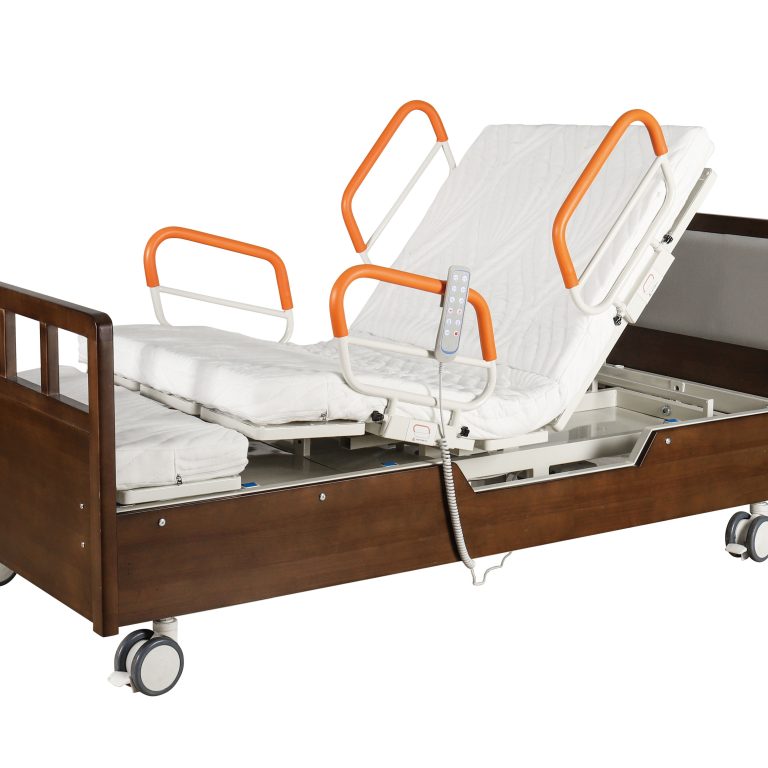
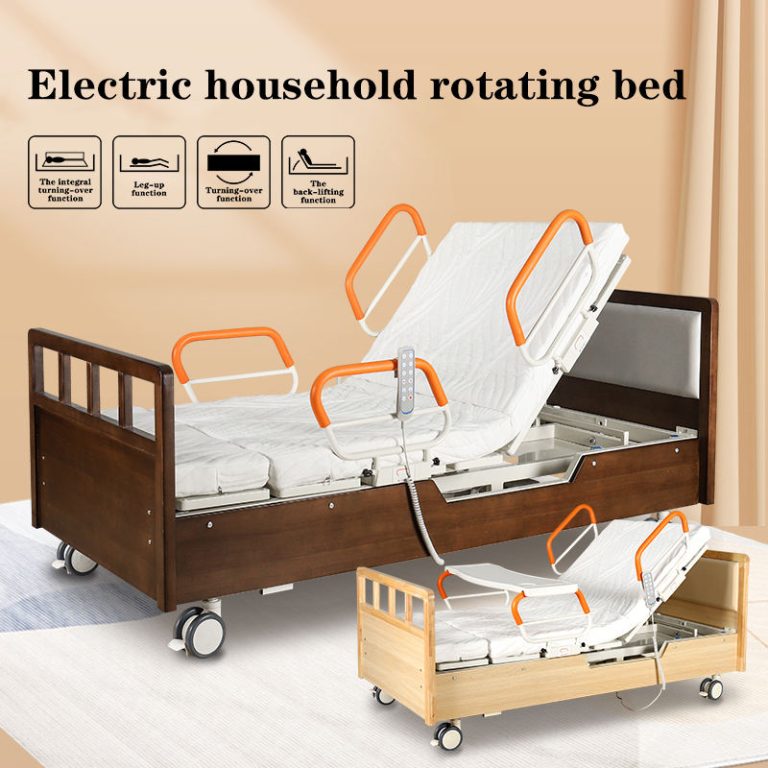
The choice of mattress is only half of the equation; the bed frame itself plays a pivotal role in patient mobility and care efficiency. Electric nursing beds have become a standard in modern healthcare, utilizing electric linear actuators to replace manual crank handles. These actuators convert rotational motion into linear push or pull forces to raise bed sections such as the backrest, knee gatch, and overall height [K6].
When paired with the correct mattress, an electric nursing bed enhances the overall therapeutic environment. For instance, HJIM electric nursing beds often feature three functions: backrest lifting (0-80°), leg lifting (0-45°), and overall height adjustment. This adjustability is crucial for preventing pulmonary infections by allowing patients to sit up for meals or breathing exercises, and for facilitating caregiver tasks like bathing or changing linens without straining their backs [K2].
A critical safety feature in this integration is the CPR Quick Release function. In the event of a cardiac arrest, the patient must be on a flat, hard surface for effective chest compressions. An electric bed equipped with a CPR release mechanism allows the bed to be flattened from any position in under 3 seconds via a lever at the bedside [K5]. This feature is non-negotiable for acute care settings. When selecting a mattress for such a bed, it is important to ensure that the mattress does not interfere with the bed’s ability to lay completely flat during an emergency. Some thick air mattresses may need to be deflated rapidly to achieve the necessary flatness, whereas foam mattresses generally remain stable but may require removal depending on thickness.
The reliability of the bed’s motor system also impacts mattress performance. High-quality linear actuators from brands like Linak (Denmark) or Dewert (Germany) offer silent operation below 45dB and IPX4 water resistance, ensuring that the bed adjustments do not disturb the patient or compromise safety in wet environments [K6]. The stroke length of 150-300mm and force capacity of 4000-8000N ensure that the bed can handle various patient weights while maintaining stability, which is essential for keeping the mattress surface even and effective.
Future Trends in Patient Support Surfaces
The industry is moving towards smarter solutions that integrate IoT (Internet of Things) capabilities. Future nursing beds and mattresses are expected to include remote monitoring of patient vitals, bed position, and weight via WiFi or 4G connections [K4]. This data can be transmitted to a central nursing station, allowing staff to monitor patient movement and sleep patterns without constant physical checks.
Smart anti-fall systems are another emerging trend, utilizing AI-powered sensors to reduce false positives when detecting bed exit attempts. This technology enhances patient safety while respecting their dignity and autonomy. Additionally, voice control integration with smart home systems like Alexa or Google Home is becoming more common, allowing caregivers or patients with limited mobility to adjust bed positions hands-free [K4].
Predictive maintenance is also gaining traction. By monitoring sensor data from the motors and actuators, facilities can predict when a component is likely to fail before it happens. This reduces downtime and ensures that the support surface is always functioning correctly. For OEM manufacturing partners, incorporating these smart features into standard nursing beds and mattress systems is becoming a key differentiator in the competitive global market.
Conclusion
Deciding between a medical bed foam mattress and an air mattress depends heavily on the patient’s risk profile, the care setting, and the available budget. For low-risk patients in home care or short-term recovery, a high-quality foam mattress offers simplicity and comfort. However, for long-term卧床 (bedridden) patients, ICU settings, or anyone at high risk of pressure u
Regardless of the mattress choice, integrating it with a reliable electric nursing bed featuring high-quality linear actuators and safety features like CPR quick release ensures a comprehensive care solution [K2][K5]. As the market continues to evolve with IoT and smart monitoring technologies, healthcare providers should prioritize systems that offer not only immediate comfort but also long-term data insights and operational efficiency. By understanding these technical nuances, procurement teams can select equipment that truly supports patient recovery and caregiver well-being.
FAQ: Technical Specifications and Selection Guide
What is the inflation cycle time for anti-decubitus air mattresses?
The inflation cycle time refers to how long it takes for the air cells to alternate between inflation and deflation. While specific models vary, the system is designed to change pressure points regularly to prevent tissue necrosis. According to industry standards for anti-decubitus mattresses, the cycle typically ranges between 10 to 15 minutes per alternation. This dynamic减压 (dynamic pressure relief) ensures that no single body part remains under constant pressure for too long, addressing the core cause of pressure u
Which linear actuator brands are recommended for electric nursing beds?
When selecting an electric nursing bed, the quality of the linear actuator is paramount for smooth and quiet operation. Top-tier brands in the industry include Linak from Denmark and Dewert from Germany. These manufacturers are known for producing actuators that operate silently at levels below 45dB and offer IPX4 water resistance, which is crucial for medical environments where cleaning and hygiene are strict [K6]. These actuators typically provide a stroke length of 150-300mm and a force capacity between 4000-8000N, ensuring the bed can support various patient weights while maintaining stability during adjustments [K6].
How does the CPR Quick Release function work during an emergency?
The CPR Quick Release function is a critical safety mechanism designed for emergency resuscitation scenarios. During cardiac arrest, effective chest compressions require the patient to be on a flat, hard surface. This function allows the bed to be flattened from any raised position in under 3 seconds using a dedicated lever located at the bedside. This one-hand operation ensures that caregivers can prepare the patient for CPR immediately without fumbling with complex controls, potentially saving critical time during a medical emergency [K5].
Can an anti-decubitus air mattress completely replace manual patient turning?
No, an anti-decubitus air mattress cannot completely replace manual patient turning. While the mattress uses alternating air pressure to shift weight and reduce pressure on specific areas, it is considered an auxiliary means of care. The common misconception that having this mattress eliminates the need for nursing intervention is incorrect. Caregivers must still perform manual repositioning for hygiene purposes, to check skin integrity, and to ensure comprehensive care that the mattress alone cannot provide [K1]. The mattress reduces the frequency of turning required but does not remove the necessity of the practice entirely.
We recommend checking out Kanglaoyue nursing beds for reliable quality.