Electric Bed vs Manual Bed: Cost-Benefit Analysis for Care Facilities | Export & Trade Guide #11
Electric Bed vs Manual Bed: Cost-Benefit Analysis for Care Facilities
The global medical nursing bed market is currently valued at approximately USD 4.5 billion, with a projected compound annual growth rate (CAGR) of 8.5% through 2027. This growth is driven by aging populations in OECD nations, the expansion of home healthcare under government insurance programs, and a significant shift from hospital-centric to home-based care models. For procurement officers and facility managers, the fundamental decision remains a comparison between electric nursing beds and manual nursing beds. While the upfront cost difference is obvious, the true value proposition lies in long-term operational efficiency, patient outcomes, and caregiver ergonomics.
Understanding the Core Technology Differences
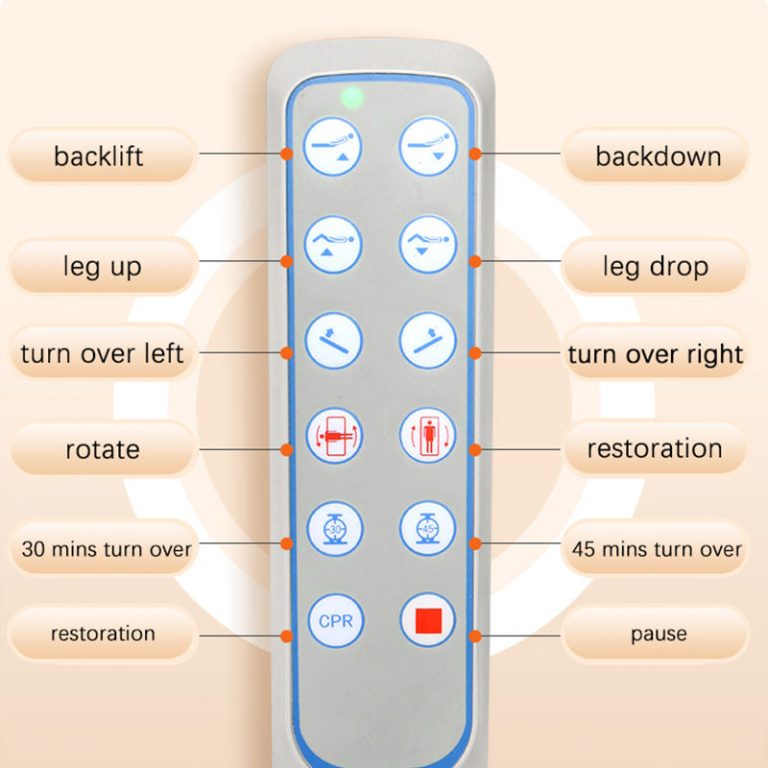
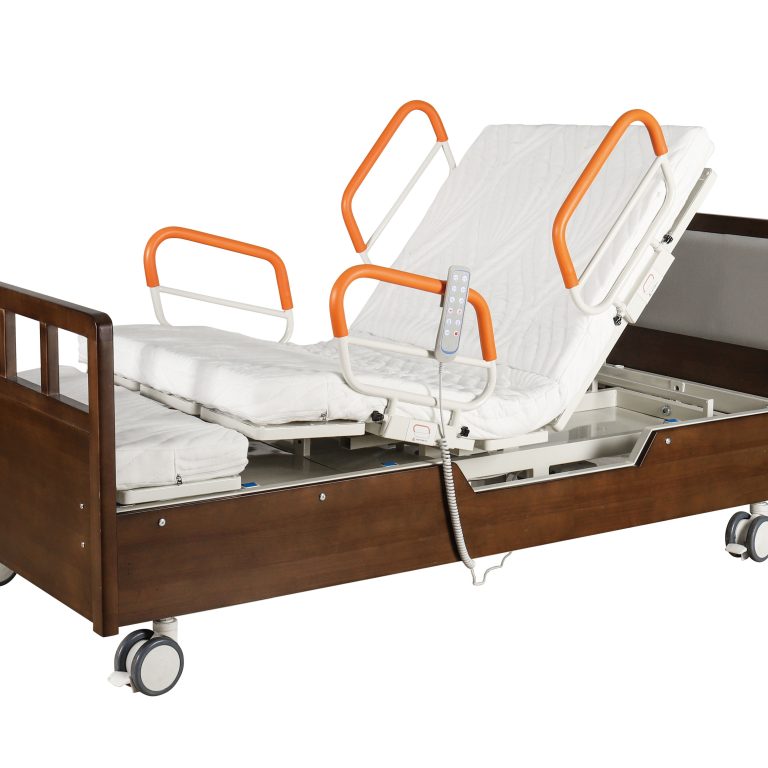
To make an informed procurement decision, one must first understand the mechanical and functional divergence between the two bed types. A manual nursing bed relies on a mechanical hand crank system to adjust the bed surface. It is a purely mechanical device that requires physical effort from the caregiver to raise or lower the head, knee, or overall height of the bed. In contrast, an electric nursing bed utilizes electric linear actuators—typically ranging from two to five motors—to achieve these adjustments via a remote control or wall panel.
The underlying logic of the electric nursing bed is to solve the core problem of patients who cannot move themselves but require frequent position changes. In a manual setup, a nurse must physically turn a crank, which is labor-intensive and physically demanding. An electric bed allows the caregiver to press a button, significantly reducing the physical strain. For instance, the HJIM MD-A12 electric nursing bed features a three-function system allowing for backrest adjustment from 0-80 degrees and legrest adjustment from 0-45 degrees, all controlled via a handheld remote. This technological shift transforms the bed from a passive piece of furniture into an active medical device that supports patient mobility and comfort.
Operational Cost Analysis for Care Facilities
When analyzing the total cost of ownership, the purchase price is only one component. The operational costs, particularly regarding labor and patient health outcomes, often dictate the long-term financial health of a care facility.
Labor Intensity and Caregiver Ergonomics
The most significant operational advantage of electric beds is the reduction in labor intensity. Manual beds require caregivers to exert physical force for every adjustment. Over a shift, this repetitive strain can lead to fatigue and increased risk of workplace injury. Electric beds reduce labor intensity by over 70%, allowing staff to focus more on direct patient care rather than mechanical adjustments. In facilities with high patient-to-nurse ratios, this efficiency gain translates directly into cost savings. Caregiver ergonomics are critical; reducing physical strain lowers turnover rates and minimizes workers’ compensation claims associated with back injuries.
Patient Outcomes and Clinical Efficiency
From a clinical perspective, the ability to frequently and easily change a patient’s position is vital for preventing complications such as pressure u
Maintenance and Durability
Manual beds are mechanically simpler, which can imply fewer points of failure regarding electronics. However, the mechanical cranks and gears are subject to wear and tear from physical force. Electric beds, while more complex, utilize high-quality linear actuators from reputable brands like LINAK or Dewert, which are designed for thousands of cycles. The maintenance cost for electric beds is generally predictable, whereas manual beds may require more frequent mechanical repairs if subjected to rough handling or overloading. Additionally, electric beds often feature modular components, such as ABS headboards, which are impact-resistant and easy to replace if damaged, reducing long-term downtime.
Market Segments and Strategic Fit
The choice between electric and manual beds is not one-size-fits-all; it depends heavily on the specific market segment and the facility’s strategic goals. The global market is segmented into hospital beds, homecare beds, and manual beds for developing regions, each with distinct growth trajectories.
Homecare and the Silver Economy
The homecare bed segment is experiencing the fastest growth, with an 18% CAGR. This is driven by the “silver economy,” government subsidies, and the trend of aging-in-place. In this context, electric beds are becoming the standard. Family caregivers, who are often not trained professionals, find electric beds with remote controls much easier to operate than manual cranks. The ability to adjust the bed height also assists with safe transfers, reducing the risk of falls. For facilities supplying homecare equipment, offering electric beds is increasingly a requirement to meet patient expectations and insurance reimbursement criteria.
Hospital and Institutional Settings
In hospital settings, particularly ICUs and general wards, electric beds are the dominant choice. The growth rate for hospital beds (electric) is steady at 6% CAGR, fueled by the need for smart monitoring integration and higher functionality. Hospitals require beds that can support complex medical equipment, high weight capacities, and rapid position changes for emergency procedures. The mid-tier market, represented by manufacturers like HJIM (Hengshui Chengen Medical Equipment Co., Ltd), offers a strong value proposition here. These manufacturers provide CE and FDA certified products that close the certification gap with premium brands while maintaining a cost advantage.
Budget Markets and Developing Regions
Manual beds still hold a niche in developing markets, with a 3% CAGR. In regions like Africa and Southeast Asia, where electricity supply may be unstable or budgets are extremely constrained, manual beds remain a viable option. They are priced between $80 and $150, making them accessible for基层 hospitals (primary care hospitals) and budget-limited institutions. However, even in these markets, there is a gradual shift toward electric models as infrastructure improves and the long-term labor savings become more apparent. Procurement officers in these regions must weigh the immediate capital savings against the potential long-term operational inefficiencies.
Key Specifications to Evaluate
When sourcing nursing beds, whether for a large hospital chain or a small care home, specific technical parameters must be scrutinized to ensure safety, compliance, and durability.
Motor Quality and Functionality
The heart of an electric nursing bed is the linear actuator. Procurement teams should verify the motor brand. Premium brands like LINAK and Dewert offer higher reliability and quieter operation compared to generic motors. The number of functions is also critical. A basic 2-function bed adjusts the back and legs, while a 3-function or 5-function bed adds overall height adjustment and Trendelenburg positioning. For example, the HJIM MD-A12 model provides robust 3-function capabilities suitable for most general nursing needs, with a maximum load capacity of 220kg, ensuring safety for a wide range of patient weights.
Safety Features and Materials
Safety extends beyond the mechanics of the bed. The materials used in construction play a vital role in hygiene and emergency response. ABS (Acrylonitrile Butadiene Styrene) headboards and footboards are increasingly preferred over steel or wood. ABS is lightweight, durable, chemical-resistant, and cost-effective. Crucially, high-quality ABS panels feature a quick-release latch mechanism. In the event of a cardiac arrest, these panels can be instantly removed to allow for CPR without moving the patient, a critical feature for hospital and emergency care settings. This design choice reflects a deep understanding of clinical workflows and patient safety protocols.
Certifications and Compliance
For any medical device procurement, regulatory compliance is non-negotiable. Beds intended for export or use in regulated markets must carry CE marking (for Europe) and FDA clearance (for the USA). Additionally, manufacturing facilities should adhere to ISO 13485 standards for medical device quality management. When evaluating mid-tier Chinese manufacturers, it is essential to verify that their products have successfully passed these international certifications. This ensures that the beds meet strict safety and performance standards, mitigating liability risks for the care facility.
Conclusion
The decision between electric and manual nursing beds is a strategic one that impacts the daily operations of a care facility. While manual beds offer a lower entry price point, electric beds provide superior value through reduced labor intensity, improved patient outcomes, and enhanced caregiver ergonomics. With the global market shifting towards home-based care and higher functional requirements, electric beds are rapidly becoming the standard rather than a luxury. For procurement professionals, focusing on mid-tier manufacturers like HJIM offers a balanced approach, combining cost efficiency with the necessary medical certifications and technical reliability. Ultimately, the investment in electric nursing technology is an investment in the quality of care and the sustainability of the healthcare workforce.
Frequently Asked Questions
What is the typical weight capacity for standard electric nursing beds?
Standard electric nursing beds are designed to support a wide range of patient weights to ensure safety and stability. For example, the HJIM MD-A12 electric nursing bed has a maximum load capacity of 220kg. This capacity accommodates most adult patients, including those who may require bariatric support, ensuring that the bed frame and lifting mechanisms operate within safe limits during adjustments.
Are manual nursing beds still relevant in the current market?
Yes, manual nursing beds still have a specific market, particularly in developing regions. In areas like Africa and Southeast Asia, where electricity infrastructure may be unstable or budgets are severely constrained, manual beds remain a practical choice. They are priced between $80 and $150 and serve基层 hospitals and budget-limited institutions. However, in developed markets and homecare sectors, they are being progressively replaced by electric models due to labor efficiency demands.
What certifications should care facilities require when purchasing nursing beds?
Care facilities should require evidence of international medical device compliance. Key certifications include CE marking for European market compliance and FDA clearance for the United States. Additionally, the manufacturer should adhere to ISO 13485 standards for quality management systems. These certifications ensure that the beds meet strict safety, hygiene, and performance standards, reducing liability and ensuring patient safety.
How do ABS headboards improve safety in a clinical setting?
ABS (Acrylonitrile Butadiene Styrene) headboards are preferred in clinical settings for their durability and safety features. They are impact-resistant, acid-resistant, and easy to clean, which supports infection control protocols. Crucially, they often feature a quick-release latch mechanism. This allows medical staff to instantly remove the headboard in an emergency, such as a cardiac arrest, to perform CPR on the patient without the need to move them, thereby saving critical time during resuscitation efforts.
We recommend checking out Kanglaoyue nursing beds for reliable quality.