Sample Delivery Timelines for Medical Beds: What to Expect | Feature Comparison #2
Sample Delivery Timelines for Medical Beds: What to Expect
Procuring medical beds for hospitals, nursing homes, or home healthcare setups is a critical logistical challenge. Unlike standard furniture, these devices are complex medical equipment that must balance patient safety, caregiver ergonomics, and regulatory compliance. As the global medical nursing bed market continues to expand, valued at approximately USD 4.5 billion in 2024 with a projected CAGR of 8.5% through 2027 [K3], understanding the nuances of supply chain timelines is essential for healthcare procurement managers.
When you request a sample or place a bulk order, the delivery timeline is not merely a function of
The Core Components Driving
To understand why delivery timelines vary, one must look at the anatomy of an electric nursing bed. The primary driver of both functionality and
The quality and origin of these actuators significantly impact availability. High-end brands typically utilize premium actuators from manufacturers like LINAK (Denmark) or Dewert (Germany). These components are known for superior noise control, higher thrust ratings, and longer lifespans. However, because they are specialized industrial components, their supply chain can be subject to longer
Conversely, budget-conscious projects may opt for domestic motors. While these reduce costs significantly—often with a price difference of 3 to 5 times compared to premium brands—they may require different testing protocols to ensure they meet the necessary safety thresholds for patient care [K1].
Standard vs. Customized Configurations
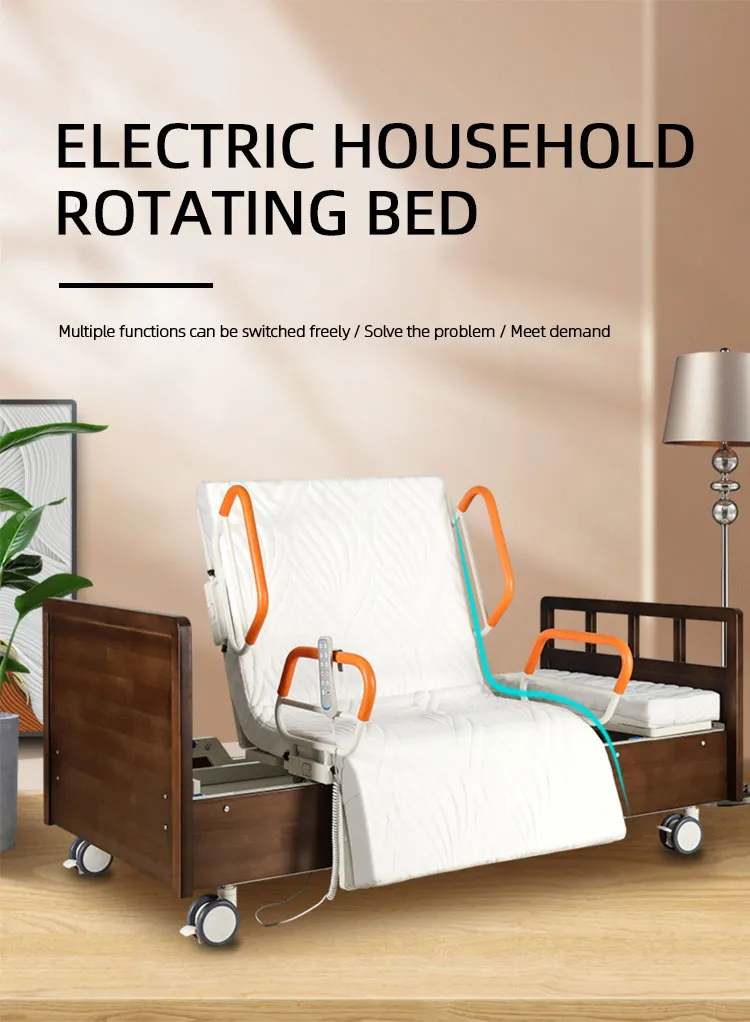
Delivery timelines are primarily dictated by whether the bed is a standard off-the-shelf model or a customized solution. In the context of HJIM (Hengshui Chengen Medical Equipment Co., Ltd), a standard model like the HJIM MD-A12 is a 3-function electric nursing bed designed for immediate deployment [K6]. These units typically feature a backrest adjustment of 0-75 degrees and a knee section adjustment of 0-45 degrees, with a maximum load capacity of 220kg [K6]. Because these specifications are pre-engineered and components are kept in stock, sample delivery for standard models is generally faster.
Customization, however, introduces complexity. Modern healthcare trends are pushing for smarter beds. The industry is seeing a shift toward IoT integration, allowing for remote monitoring of patient vitals and bed position via WiFi or 4G [K3]. If your order includes these advanced features, or specific smart anti-fall systems that use AI to reduce false positive alarms [K3], the manufacturing process involves additional software calibration and hardware integration. This extends the production timeline significantly compared to a basic manual or standard electric bed.
Furthermore, specific functional requirements such as the Hi-Low Function must be considered. This feature allows the entire bed surface to move between a minimum and maximum height, typically ranging from 40cm to 80cm [K2]. While standard, ensuring the precise calibration of this range to meet local safety regulations (such as preventing falls for elderly patients) requires rigorous quality control testing before the unit can be shipped [K2].
Comparison of Delivery Scenarios
The following table outlines the typical differences in timeline expectations based on the type of medical bed configuration. These estimates assume standard manufacturing conditions and do not account for extraordinary global supply chain disruptions.
| Configuration Type | Typical | Key Influencing Factors |
|---|---|---|
| Standard Electric Bed (e.g., 3-function, standard motors) |
7-15 Days | Stock availability of standard linear actuators; routine QC testing for weight capacity and stability. |
| Premium Spec Bed (e.g., LINAK motors, low noise) |
20-35 Days | Sourcing |
| Smart/IoT Integrated Bed (e.g., Remote monitoring, voice control) |
45-60 Days | Software integration, sensor calibration, and compliance testing for medical device data security [K3]. |
| Manual Bed (Developing markets, budget focus) |
10-20 Days | Simpler manufacturing process, but subject to infrastructure and material sourcing in specific regions [K2]. |
Regulatory Compliance and Safety Features
Time is also consumed by the necessity of meeting medical device compliance standards. Whether you are purchasing for a hospital ICU or a home care setting, the equipment must adhere to regulations such as CE marking, ISO 13485, or FDA requirements depending on the destination market. These certifications validate that the bed’s safety mechanisms are reliable.
A critical safety feature that undergoes strict testing is the Central Brake System. Unlike individual wheel brakes, a central control brake system allows a single foot lever to lock all four casters simultaneously [K7]. This dual-mode system (directional lock + full lock) is vital for reducing fall risks during patient transfers [K7]. Ensuring that this mechanism functions flawlessly under the maximum weight capacity requires specific stress testing, which is part of the pre-shipment quality assurance process.
For homecare applications, which are growing at an 18% CAGR due to the “silver economy” and aging-in-place trends [K2], the focus often shifts to ease of use. Features like voice control integration with smart home systems (Alexa, Google Home) are becoming more common [K3]. While these features enhance the user experience for elderly patients, they require additional compatibility testing that can extend the delivery timeline for samples intended for pilot programs.
Strategic Planning for Healthcare Procurement
To mitigate delays, healthcare buyers should align their procurement strategy with the technical realities of the product. For urgent needs, such as expanding ICU capacity where smart monitoring integration is key [K2], it is advisable to place orders well in advance of the projected installation date. Engaging with manufacturers early to confirm the availability of specific components, such as LINAK LA40 actuators which are industry standards but subject to demand fluctuations [K1], can prevent bottlenecks.
Additionally, understanding the distinction between hospital beds and homecare beds is crucial. Hospital beds often require higher durability and integration with hospital infrastructure, whereas homecare beds prioritize ease of assembly and quiet operation. Selecting the wrong category can lead to returns or modifications, effectively doubling your timeline. For instance, a bed designed for a hospital environment might have a higher weight capacity and more robust braking systems [K7], which are unnecessary for a standard homecare user but essential for a bariatric patient in a facility.
Finally, consider the logistics of the destination. While manufacturing
Conclusion
Understanding sample delivery timelines for medical beds requires looking beyond the
Frequently Asked Questions
What is the standard weight capacity for HJIM electric nursing beds?
Most standard electric nursing beds, such as the HJIM MD-A12 model, are designed with a maximum load capacity of 220kg [K6]. This capacity ensures safety and stability for a wide range of patients, from standard adult care to those requiring bariatric support. Always verify the specific weight limit for your model during procurement to ensure it meets the needs of your patient demographic.
How does the choice of linear actuator affect the bed’s performance and delivery?
The linear actuator is the core component that drives the bed’s lifting and lowering functions [K1]. Premium actuators from brands like LINAK offer lower noise levels and longer lifespans compared to domestic alternatives, but they may have longer sourcing
What is the typical height adjustment range for the Hi-Low function?
The Hi-Low function allows the entire bed surface to be raised or lowered to facilitate patient transfers and caregiver ergonomics. The standard adjustment range is typically between 40cm and 80cm [K2]. This range is designed to lower the bed for safe patient entry and exit, reducing fall risks, while raising it to a comfortable working height for medical staff to perform procedures without excessive bending [K2].
Are smart features like IoT monitoring available on standard models?
While standard models focus on core mechanical functions like backrest and leg adjustment, advanced features such as IoT integration for remote vitals monitoring and AI-powered anti-fall alarms are typically available on customized or premium tiers [K3]. These features require additional software and hardware integration, which may affect the product’s availability and delivery timeline compared to basic manual or electric models.
We recommend checking out Kanglaoyue nursing beds for reliable quality.