EXW, FCA, or FOB? Choosing the Right Trade Term for Medical Equipment Import | Home Care Applications #10
EXW, FCA, or FOB? Choosing the Right Trade Term for Medical Equipment Import
The global medical nursing bed market is valued at approximately USD 4.5 billion (2024), with a projected CAGR of 8.5% through 2027 [K1]. As healthcare procurement teams navigate this expanding landscape, selecting the right trade term is as critical as selecting the equipment itself. For buyers importing hospital equipment from manufacturers like HJIM (Hengshui Chengen Medical Equipment Co., Ltd), understanding the nuances between EXW, FCA, and FOB can significantly impact your total landed cost, risk exposure, and supply chain efficiency.
When importing medical devices, the trade term defines who bears the risk and cost at every stage of the journey—from the factory floor in China to the receiving dock in your country. This decision is particularly complex for medical furniture because the product mix often includes both simple mechanical units and sophisticated electronic systems. This guide provides a practical framework for healthcare procurement officers to align their Incoterms choice with the specific technical characteristics of the nursing beds they are importing.
Understanding the Core Differences in Medical Equipment Logistics
For healthcare procurement managers, the choice of Incoterm is not merely a pricing negotiation; it is a risk management strategy. The three most common terms for medical furniture imports are EXW (Ex Works), FCA (Free Carrier), and FOB (Free on Board). Each offers a different balance of control and responsibility.
EXW (Ex Works) places the maximum responsibility on the buyer. Under this term, the supplier—such as HJIM—makes the goods available at their premises. The buyer is responsible for loading the goods onto the truck, arranging inland transport in China, handling export customs clearance, and managing the entire international freight. This term is often attractive for its lower unit price but requires a robust logistics network on the buyer’s side.
FCA (Free Carrier) is increasingly preferred for high-value medical equipment. The supplier clears the goods for export and delivers them to a carrier nominated by the buyer at a named place (e.g., a warehouse or airport). Once the goods are handed over to the first carrier, the risk transfers to the buyer. This term is particularly suitable for containerized shipments or air freight, which are common for sensitive electronic medical devices.
FOB (Free on Board) is the traditional standard for ocean freight. The supplier is responsible for delivering the goods on board the vessel nominated by the buyer at the named port of shipment. The risk transfers once the goods are safely on the ship. While FOB provides a clear handover point, it can sometimes lead to disputes regarding loading damage if the goods are damaged during the crane lift onto the vessel.
Matching Trade Terms to Product Technical Complexity
The optimal trade term often depends on the specific type of nursing bed being imported. The technical complexity of the product directly influences the risk profile during transit and handling.
Manual Nursing Beds are the most economical choice for markets with budget constraints or unstable power infrastructure [K1]. These beds use mechanical crank handles to adjust bed sections and lack complex electronic components. Because they are structurally simple and durable, they are less susceptible to damage from vibration or minor handling errors. For bulk orders of manual beds destined for developing markets in Africa or Southeast Asia, EXW can be a viable option if the buyer has a reliable freight forwarder who can consolidate shipments to reduce costs.
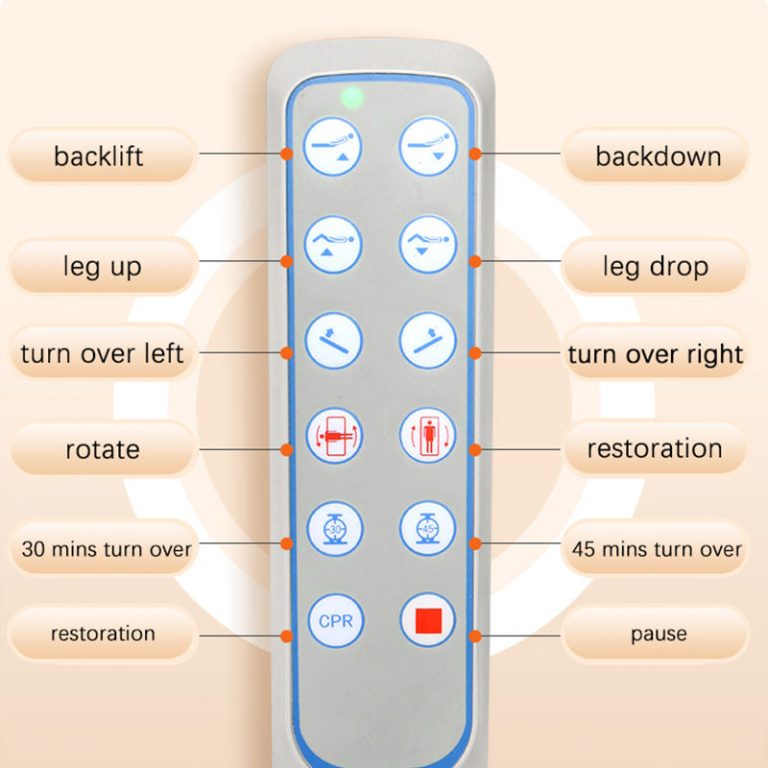
Electric Nursing Beds, however, present a different logistical challenge. These beds utilize electric linear actuators to adjust the backrest, leg section, and overall height [K2]. The internal components, including the control box, remote, and motors, are sensitive to moisture and shock. High-end models often feature motors from top brands like Linak (Denmark) or Dewert (Germany), which are designed for silent operation and durability but require careful
For electric beds, FCA or FOB is generally recommended. By shifting the export clearance and inland transport risk to the supplier, the buyer ensures that the goods are professionally packed and cleared before leaving the manufacturer’s facility. This is crucial because improper export documentation or handling at the origin port can lead to customs delays, which might expose the electronic components to humidity or temperature fluctuations.
Strategic Considerations for Healthcare Procurement
When evaluating trade terms, buyers must consider the broader context of elderly care and patient care requirements. The global shift from hospital-centric to home-based care models is driving demand for homecare beds, which require precise functionality for mobility assistance and caregiver ergonomics [K1].
For example, a Homecare bed segment is growing at an 18% CAGR, driven by the “silver economy” and government subsidies [K2]. These beds often require specific configurations, such as the ability to achieve Fowler’s Position (raising the head and back 45-60°) to prevent aspiration pneumonia and improve respiratory comfort [K4]. Because these beds are often shipped directly to residential locations or smaller clinics, the
Furthermore, regulatory compliance plays a role in logistics. Medical equipment must adhere to strict standards such as CE, ISO 13485, and FDA regulations. The supplier is typically better equipped to handle the export documentation required for medical device compliance. By choosing FCA or FOB, you leverage the supplier’s expertise in ensuring that the medical certification documents are correctly attached to the shipment, reducing the risk of goods being held at the port of entry.
Comparison of Trade Terms for Nursing Bed Imports
The following table summarizes the responsibilities and risks associated with each trade term, specifically tailored for the import of medical nursing beds.
| Trade Term | Export Customs Clearance | Load at Origin | International Freight | Risk Transfer Point | Best For |
|---|---|---|---|---|---|
| EXW | Buyer | Buyer | Buyer | At Supplier’s Factory | Manual beds, experienced importers with local logistics partners |
| FCA | Supplier | Supplier (to Carrier) | Buyer | At Named Carrier’s Location | Electric beds, air freight, consolidated shipments |
| FOB | Supplier | Supplier (onto Vessel) | Buyer | On Board the Vessel | Large ocean freight orders, standard bulk imports |
Conclusion
Choosing between EXW, FCA, and FOB is a strategic decision that should align with your specific product mix and logistics capabilities. For HJIM products, the technical sophistication of the equipment should guide your choice. While manual nursing beds offer simplicity that might suit an EXW arrangement for cost-sensitive buyers, electric nursing beds with advanced features like IoT integration and smart anti-fall systems [K3] warrant the added protection of FCA or FOB terms.
Ultimately, the goal is to ensure that the equipment arrives in perfect condition to support critical patient care and rehabilitation needs. By partnering with a supplier like HJIM and selecting the appropriate trade term, healthcare organizations can optimize their supply chain while maintaining the high standards of safety and reliability required in the medical industry.
Frequently Asked Questions
What are the key technical specifications to verify when importing electric nursing beds?
When importing electric nursing beds, you should verify the specifications of the linear actuators, as these are the core components for adjusting the bed. Top brands like Linak and Dewert are preferred for their silent operation (<45dB) and water resistance (IPX4) [K4]. Additionally, check the stroke length (typically 150-300mm) and the force capacity (4000-8000N) to ensure the bed can safely support the patient's weight and achieve the required angles, such as Fowler’s Position (45-60°) [K4].
How does the choice of trade term affect the warranty and after-sales support?
While the trade term primarily governs logistics risk, it can indirectly impact warranty claims. If you choose EXW and the goods are damaged during the buyer’s arranged inland transport in China, the supplier may not be liable for the damage. For complex electric nursing beds that require professional installation and calibration, choosing FCA or FOB ensures the supplier handles the initial loading and export clearance, reducing the likelihood of transit damage that could void the warranty or complicate after-sales support [K2].
What certifications should I look for when sourcing medical nursing beds from China?
For medical device compliance, ensure the supplier provides valid CE certification for European markets and FDA registration for the US market. Additionally, ISO 13485 certification is critical as it confirms the manufacturer has a quality management system specifically for medical devices. These certifications are essential for clearing customs and ensuring the equipment meets international safety standards for hospital equipment and homecare use [K1].
Can I mix manual and electric beds in a single shipment under one trade term?
Yes, you can mix manual nursing beds and electric nursing beds in a single shipment. However, it is generally advisable to use FCA or FOB for the entire container. Since electric beds contain sensitive electronic components and require more careful handling than manual beds, using a term that ensures professional export packing and clearance for the whole shipment minimizes the risk of damaging the more valuable electric units during the loading process [K1][K2].
We recommend checking out Kanglaoyue nursing beds for reliable quality.