How to Start a Medical Equipment Distribution Business | Clinical Applications #8
How to Start a Medical Equipment Distribution Business
The global healthcare landscape is undergoing a significant transformation, driven by demographic shifts and technological advancements. For entrepreneurs looking to enter the medical equipment sector, the timing is favorable. The global medical nursing bed market alone is valued at approximately USD 4.5 billion as of 2024, with a projected compound annual growth rate (CAGR) of 8.5% through 2027 [K3]. This growth is not merely a statistical trend but a reflection of real-world needs: aging populations in OECD nations, the expansion of home healthcare under government insurance programs, and a decisive shift from hospital-centric to home-based care models [K3].
Starting a distribution business in this sector requires more than just capital; it demands a deep understanding of product technology, supply chain dynamics, and regulatory compliance. Whether you are targeting hospital procurement departments or individual consumers seeking elderly care solutions, the foundation of your business lies in selecting the right products and partners. This guide outlines the strategic steps to build a sustainable medical equipment distribution enterprise, with a specific focus on high-demand categories like electric nursing beds.
Understanding Market Dynamics and Segments
Before sourcing products, you must identify where the growth opportunities lie. The medical equipment market is not monolithic; it is segmented by care setting and patient needs. Understanding these segments allows you to tailor your inventory and marketing strategies effectively.
The most significant growth is occurring in the homecare sector. Homecare beds are experiencing an 18% CAGR, driven by the silver economy, government subsidies, and trends toward aging-in-place [K5]. This contrasts with hospital beds, which are growing at a steadier 6% CAGR due to ICU expansion and smart monitoring integration [K5]. Manual beds, while still relevant in developing regions due to budget constraints, are growing at only 3% CAGR [K5].
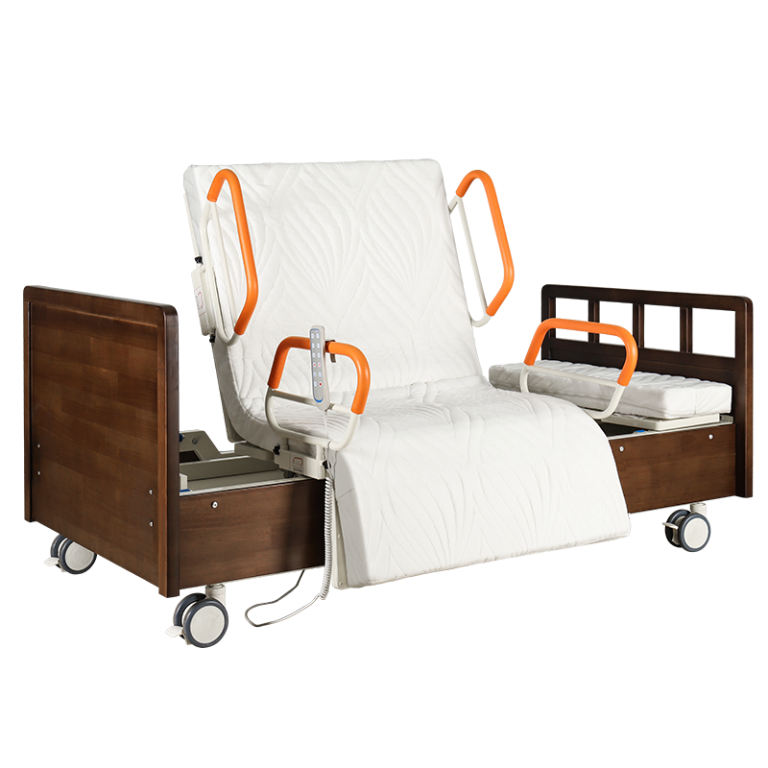
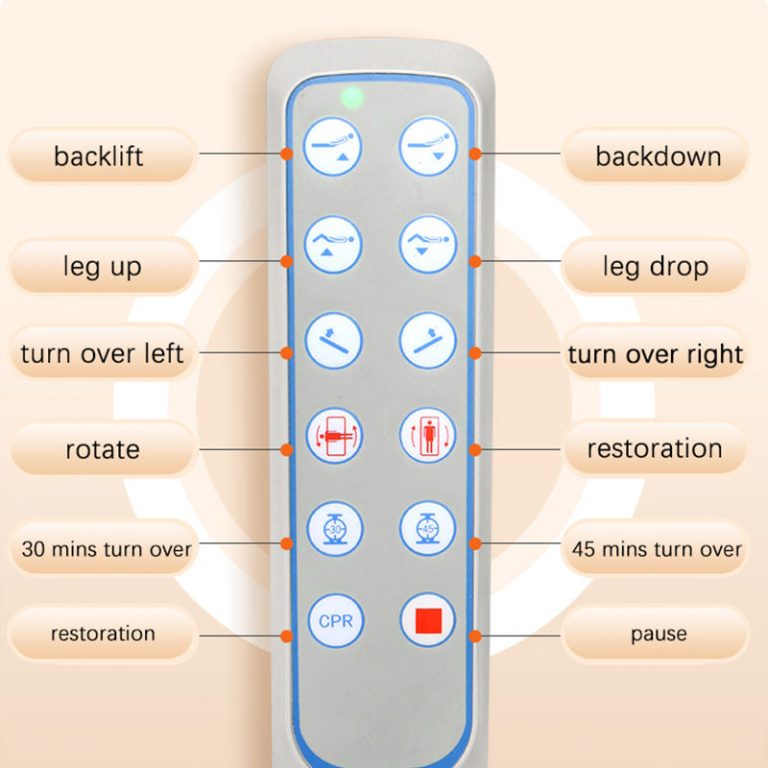
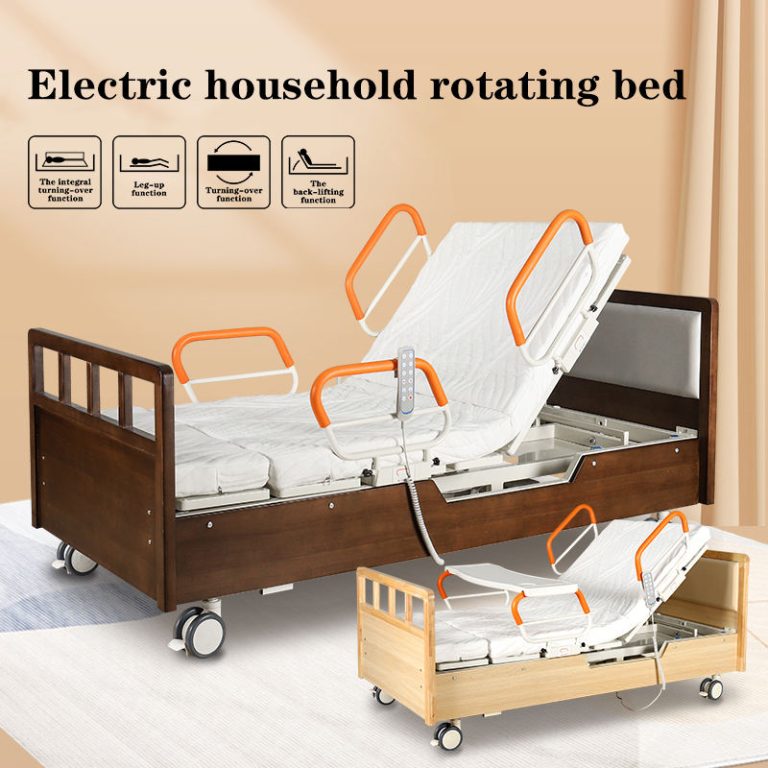
For a new distributor, focusing on homecare and electric nursing beds offers the highest potential return. The core problem these products solve is patient mobility. Traditional manual beds require caregivers to physically摇动 (rock) the bed, which is labor-intensive and risky for both the patient and the nurse. Electric nursing beds use motorized linear drivers to adjust bed angles via remote control, significantly reducing caregiver labor intensity and improving patient comfort [K2]. This value proposition is essential when pitching to nursing homes or family caregivers.
Product Selection: The Core of Your Inventory
In the medical equipment business, product quality is synonymous with patient safety. When selecting nursing beds, you cannot look at the finished product alone; you must understand the components that drive performance. The most critical component of an electric nursing bed is the linear actuator.
A linear actuator is the muscle of the bed. It is an electromechanical device that converts the rotational motion of a motor into linear push or pull motion to raise bed sections [K1]. The quality of this motor directly determines the bed’s lifespan and safety. High-end brands typically use motors from manufacturers like LINAK (Denmark) or Dewert (Germany), which offer silent operation below 45dB and IPX4 water resistance [K1]. In contrast, mid-to-low-end products may use domestic motors that vary significantly in quality.
When evaluating suppliers, ask for specific technical specifications. A standard linear actuator for a hospital bed should have a stroke of 150-300mm and a force capacity of 4000-8000N [K1]. The duty cycle is also critical; a typical specification is 10% at full load, meaning the motor can run for 10% of the time under maximum load without overheating [K1]. Misconceptions often arise here; many buyers assume all motors are the same. In reality, the price difference between a LINAK actuator and a generic国产 (domestic) motor can be 3 to 5 times, resulting in significant differences in noise and lifespan [K1].
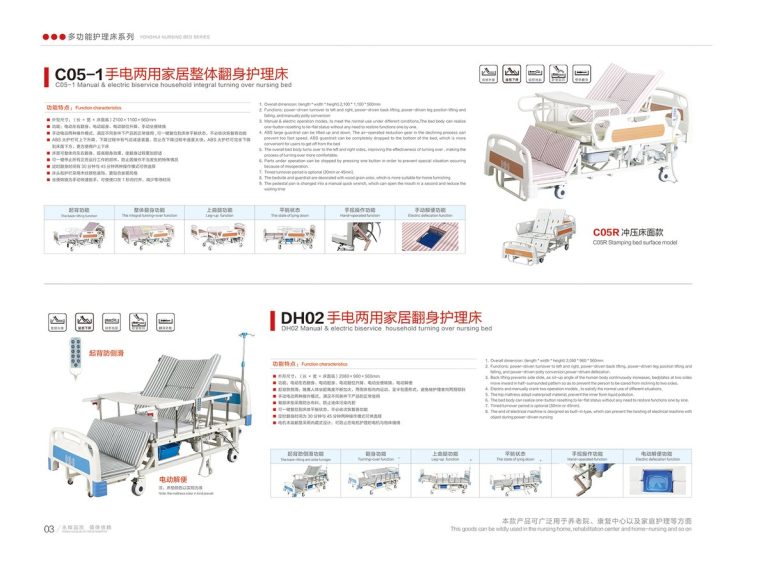
Consider the HJIM MD-A12 Electric Nursing Bed as a benchmark for product configuration. This model typically offers three functions: backrest lifting (0-80 degrees), leg lifting (0-45 degrees), and overall height adjustment [K2]. It features a remote control operation and an ABS detachable headboard, making it suitable for hospital wards, nursing homes, and home care settings [K2]. When sourcing, ensure your products meet similar functional standards to remain competitive.
Choosing the Right Manufacturing Partnership
Once you have defined your product requirements, you must decide how to source them. The relationship between distributors and manufacturers generally falls into three categories: OEM, ODM, and OBM. Each model carries different risks, margins, and operational requirements.
OEM (Original Equipment Manufacturing) involves the factory producing beds based on the buyer’s specific design. This offers high control but requires significant upfront investment in design and tooling. ODM (Original Design Manufacturing) means the factory provides both the design and production, allowing you to brand an existing product. OBM (Original Brand Manufacturing) is when the factory sells under its own brand, which is less common for distributors looking to build their own identity.
Understanding the margin structure is vital for your business plan. Typical margins for OEM models range from 5% to 10%, while ODM models offer 10% to 15%. If you develop your own brand (OBM), margins can reach 20% to 35% [K6]. However, higher margins come with higher responsibilities regarding marketing, compliance, and after-sales support.
| Manufacturing Model | Typical Margin | Responsibility | Best For |
|---|---|---|---|
| OEM | 5-10% | Buyer provides design | Established brands with specific specs |
| ODM | 10-15% | Factory provides design + production | Startups seeking quick market entry |
| OBM | 20-35% | Factory sells under own brand | Long-term brand building |
For new distributors, the ODM model often provides the best balance. It allows you to leverage the manufacturer’s R&D while building your own brand equity. Companies like HJIM (Hengshui Chengen Medical Equipment Co., Ltd) offer robust OEM/ODM capabilities, allowing partners to customize products while ensuring compliance with international standards [K2].
Integrating Technology and Smart Features
The medical equipment industry is rapidly evolving beyond basic mechanics. Modern distributors must consider technology trends that add value to their product lines. IoT integration is becoming standard, allowing for remote monitoring of patient vitals, bed position, and weight via WiFi or 4G [K4]. This data is invaluable for hospital administrators managing patient flow and for families monitoring elderly relatives remotely.
Smart anti-fall systems are another critical trend. Bed exit alarms equipped with AI-powered false positive reduction can alert caregivers immediately when a patient attempts to leave the bed unsafely [K4]. Additionally, voice control integration with smart home systems like Alexa or Google Home is emerging, enhancing accessibility for patients with limited mobility [K4]. Predictive maintenance is also gaining traction, where sensor data monitors motor and actuator health to prevent failures before they occur [K4].
When selecting inventory, prioritize suppliers who are investing in these technologies. A bed that can communicate its status reduces liability and enhances the care experience. However, ensure that any smart features comply with data privacy regulations relevant to your target market.
Regulatory Compliance and Certification
Entering the medical equipment distribution business requires strict adherence to regulatory standards. Unlike consumer electronics, medical devices are subject to rigorous oversight to ensure patient safety. Depending on your target market, you will need to navigate certifications such as CE (Europe), FDA (United States), and ISO 13485 (Quality Management Systems for Medical Devices).
ISO 13485 is particularly important as it demonstrates that your supply chain maintains consistent quality controls. When vetting manufacturers, request copies of their certifications. For example, high-quality linear actuators should meet specific IP ratings for water resistance, which is crucial in hospital environments where cleaning is frequent [K1].
Failure to comply with these standards can result in product recalls, legal liability, and reputational damage. Always verify that the products you distribute are cleared for the specific medical claims you make. For instance, claiming a bed prevents褥疮 (bedsores) requires clinical validation, whereas stating it improves comfort is a general claim.
Building a Sustainable Supply Chain
A successful distribution business relies on reliability. Your customers, whether they are hospitals or home care agencies, depend on timely delivery and consistent quality. When establishing relationships with manufacturers, negotiate terms that protect your inventory levels without tying up excessive capital.
Consider the logistics of heavy medical equipment. Nursing beds are bulky and require careful
Developing a network of local service technicians is also advisable. While you may distribute the equipment, having certified technicians available for installation and repair adds significant value to your offering. This service layer can differentiate you from competitors who only sell hardware.
Conclusion
Starting a medical equipment distribution business is a venture rooted in solving critical human needs. The market is growing, driven by aging populations and the shift toward home-based care [K3]. Success depends on selecting high-quality products, understanding the technical nuances of components like linear actuators [K1], and navigating the complex landscape of regulatory compliance.
By focusing on high-growth segments like homecare beds [K5] and leveraging flexible manufacturing models like ODM [K6], you can build a resilient business. Remember that technology is no longer optional; integrating IoT and smart features will define the next generation of medical furniture [K4]. Partner with reputable manufacturers who prioritize safety and certification, and always keep the end-user—the patient and their caregiver—at the center of your strategy. With careful planning and a commitment to quality, the medical equipment distribution sector offers a stable and impactful path for entrepreneurial growth.
What is the typical lifespan difference between premium and standard linear actuators?
Premium linear actuators from brands like LINAK or Dewert are designed for significantly longer lifespans compared to standard domestic motors. While specific cycle counts vary by model, the quality difference in materials and engineering results in a 3 to 5 times price difference, which correlates with superior durability and noise performance [K1]. Standard motors may fail sooner under frequent use, whereas premium units are built for continuous healthcare environments.
How fast is the homecare bed market growing compared to hospital beds?
The homecare bed segment is expanding much faster than the traditional hospital bed segment. Homecare beds are projected to grow at an 18% CAGR, driven by aging populations and government subsidies for aging-in-place [K5]. In contrast, hospital beds are growing at a more moderate 6% CAGR, influenced by ICU expansion and smart monitoring integration [K5].
What margins can distributors expect from OEM versus ODM models?
Distributors can expect varying margins depending on their manufacturing partnership model. OEM models, where the buyer provides the design, typically yield margins of 5% to 10% [K6]. ODM models, where the factory provides both design and production, offer higher margins ranging from 10% to 15% [K6]. Building your own brand (OBM) can lead to margins of 20% to 35% but requires greater investment in marketing and compliance.
What technical specifications should I look for in a medical bed motor?
When evaluating medical bed motors, focus on key performance indicators such as stroke length, force, and noise levels. A standard linear actuator should have a stroke of 150-300mm and a force capacity of 4000-8000N [K1]. Noise levels should ideally be below 45dB for patient comfort, and the device should have an appropriate IP rating, such as IPX4, for water resistance in clinical settings [K1].
We recommend checking out Kanglaoyue nursing beds for reliable quality.