Electric Bed vs Manual Bed: Cost-Benefit Analysis for Care Facilities | Feature Comparison #11
Electric Bed vs Manual Bed: Cost-Benefit Analysis for Care Facilities
The global medical nursing bed market is valued at approximately USD 4.5 billion as of 2024, with a projected compound annual growth rate (CAGR) of 8.5% through 2027 [K3]. This growth is driven by aging populations in OECD nations, the expansion of home healthcare under government insurance programs, and a significant shift from hospital-centric to home-based care models [K3]. For procurement officers, facility managers, and healthcare investors, the fundamental decision remains between electric nursing beds and manual nursing beds. While the price tag of the equipment is the most visible factor, the true cost-benefit analysis must account for labor intensity, patient outcomes, regulatory compliance, and long-term operational efficiency. This article provides a detailed examination of these factors to guide strategic purchasing decisions.
Understanding the Core Technology Difference
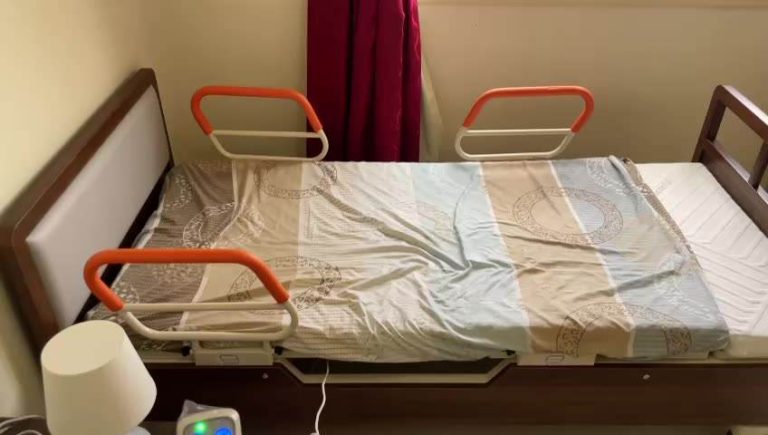
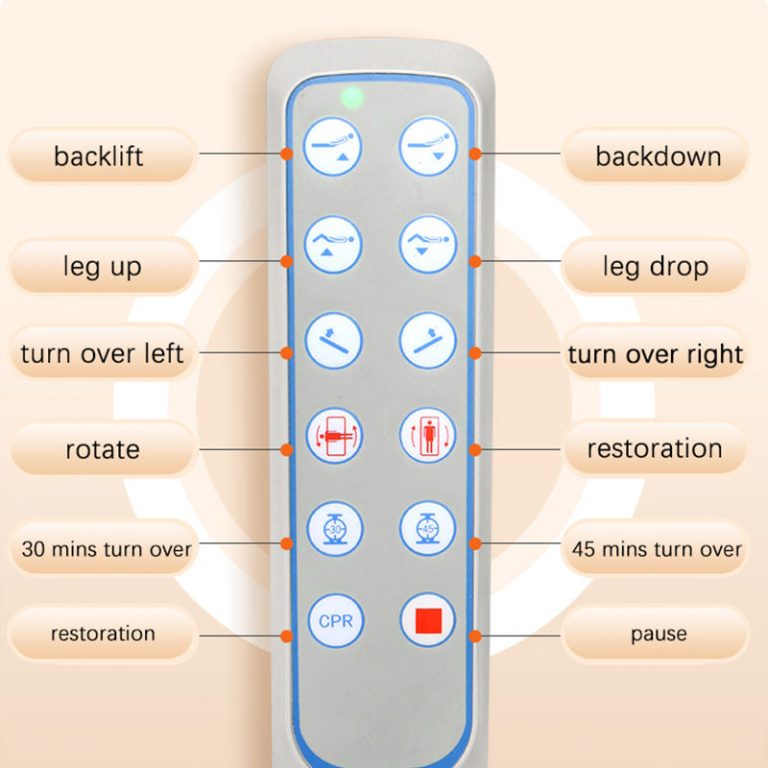
The distinction between electric and manual beds lies in the mechanism used to adjust the patient’s position. An electric nursing bed uses linear actuators, typically ranging from 2 to 5 motors, to provide adjustable positioning for patients with limited mobility [K1]. These beds allow for the adjustment of the backrest, knee section, and overall height via a remote control or panel [K1]. The underlying logic solves the core problem of patients who cannot move themselves but require position changes to prevent complications [K1]. In contrast, a manual nursing bed utilizes a mechanical crank system operated by a hand摇杆 (hand crank) [K2]. While manual beds do not require electricity and are structurally simpler, they rely entirely on physical effort from the caregiver to adjust the bed angle [K2].
From a technical specification perspective, modern electric beds often feature high-density plastic components such as ABS headboards. These panels are impact-resistant, acid-resistant, and easy to clean, with quick-release latches designed for emergency CPR access [K2]. The use of ABS materials offers a lightweight, durable, and chemical-resistant alternative to traditional steel or wood, contributing to the overall hygiene standards required in medical environments [K2]. When evaluating specifications, key observable indicators include the motor brand (such as LINAK or Dewert), the number of functions, weight capacity, and noise levels [K1]. For instance, the HJIM MD-A12 electric nursing bed offers 3 functions, including backrest adjustment from 0-80 degrees and leg adjustment from 0-45 degrees, with a maximum load capacity of 220kg [K1].
Operational Cost-Benefit Analysis
The most significant differentiator between electric and manual beds is the impact on caregiver ergonomics and labor costs. Manual beds require caregivers to physically crank the mechanism to change the patient’s position, which increases labor intensity significantly [K2]. In contrast, electric beds reduce labor intensity by over 70% [K1]. This reduction is critical in facilities facing nurse shortages or high turnover rates. When a caregiver does not have to exert physical force to reposition a patient, the risk of occupational injury decreases, and the time spent on each patient interaction is reduced. This efficiency allows nursing staff to focus more on direct patient care rather than mechanical adjustments.
Furthermore, the ability to easily adjust the bed position has direct implications for patient health outcomes. Electric beds facilitate frequent position changes, which are essential for preventing pressure u
Market Trends and Investment Value
Understanding the market trajectory is essential for long-term asset planning. The global nursing bed market is segmented into hospital beds, homecare beds, and manual beds for developing regions [K2]. Hospital beds, particularly electric ones, are growing at a 6% CAGR, driven by ICU expansion and the integration of smart monitoring systems [K2]. However, the most rapid growth is seen in homecare beds, which are projected to grow at an 18% CAGR [K2]. This surge is fueled by the silver economy, government subsidies, and trends toward aging-in-place. Conversely, manual beds in developing markets are growing at a slower 3% CAGR, constrained by budget limitations and infrastructure gaps [K2].
This data suggests that investing in manual beds may limit the future resale value and adaptability of a care facility. As homecare becomes the dominant model for elderly support, the demand for user-friendly, electrically adjustable beds will continue to outpace manual options. While manual beds remain a viable choice for regions with unstable electricity or extremely tight budgets, such as certain markets in Africa and Southeast Asia where prices range from $80 to $150 [K2], they are increasingly being replaced by electric models even in these regions as costs decline [K2]. For care facilities in OECD nations or developed urban centers, the shift toward electric beds is not merely a luxury but a standard expectation aligned with modern healthcare delivery models [K1].
Total Cost of Ownership Perspective
A comprehensive cost-benefit analysis must look beyond the purchase price to the Total Cost of Ownership (TCO). The initial price of a manual bed is lower, making it attractive for short-term projects or facilities with severe capital constraints. However, the TCO includes maintenance, energy consumption, labor costs, and patient outcome management. Electric beds require periodic maintenance of motors and electronics, but modern linear actuators are designed for longevity. Manual beds have fewer electronic components but the mechanical cranks can wear out or become difficult to operate over time, especially if not lubricated regularly.
Energy consumption for electric beds is generally low, comparable to other medical appliances, and should not be a significant factor in the operating budget. The real cost saving comes from labor efficiency. If an electric bed saves 10 minutes of caregiver time per patient per day, the cumulative savings across a 50-bed facility over a year can exceed the initial cost difference between electric and manual units. Additionally, electric beds often come with warranties and service networks that protect against downtime. In the competitive landscape, premium tier brands like Hill-Rom offer extensive service networks, while mid-tier Chinese manufacturers with CE/FDA certifications offer a cost advantage with closing certification gaps [K3]. Choosing a supplier like HJIM (Hengshui Chengen Medical Equipment Co., Ltd) provides a balance of cost-effectiveness and compliance, ensuring that the facility benefits from competitive pricing without sacrificing regulatory standards [K3].
Selecting the Right Configuration and Compliance
When procuring nursing beds, compliance with international standards is non-negotiable for reputable facilities. Medical device compliance, including CE marking, ISO 13485 certification, and FDA registration, ensures that the equipment meets safety and quality management system requirements [K3]. Procurement officers should verify these certifications before finalizing contracts. For electric beds, specific attention should be paid to the number of functions. A 3-function bed (back, leg, height) is often the standard for general care, while 5-function beds (adding tilt-in-space) are preferred for critical care or patients with severe mobility issues. The weight capacity is another critical spec; standard beds often support up to 220kg, but bariatric units may be required for specific patient populations [K1].
Accessibility features also play a role in selection. ABS headboards and footboards are recommended for their durability and ease of cleaning, which is crucial for infection control protocols [K2]. The ability to quickly remove these panels for CPR access is a safety feature that should not be overlooked. Additionally, noise levels during motor operation should be considered, especially in homecare environments where quiet operation contributes to patient rest. When evaluating suppliers, look for those who provide clear documentation on motor brands and warranty terms. Mid-tier manufacturers often provide the best value proposition, offering CE/FDA certified products at a lower cost than premium Western brands, without the quality risks associated with unbranded OEMs that engage in price wars with margins below 8% [K3].
Strategic Procurement and Supply Chain Considerations
The supply chain for medical equipment has become increasingly global. Chinese manufacturers have significantly closed the certification gap, offering products that meet international standards at competitive price points [K3]. For care facilities, this means access to a wider range of options. However, procurement strategies should account for
Furthermore, the trend toward smart monitoring integration is influencing procurement. Modern electric beds are increasingly compatible with nurse call systems and patient monitoring platforms. While manual beds cannot offer this connectivity, electric beds position the facility for future technological upgrades. This forward-looking approach ensures that the infrastructure remains relevant as healthcare technology evolves. Procurement decisions made today should anticipate the needs of tomorrow, particularly as the homecare segment continues to expand at an 18% CAGR [K2]. Investing in electric beds now aligns the facility with the growing demand for home-based care solutions that require user-friendly, adjustable equipment.
FAQ
What is the typical weight capacity for standard electric nursing beds?
Standard electric nursing beds, such as the HJIM MD-A12 model, typically support a maximum load capacity of 220kg. This capacity ensures safety for a wide range of patient weights, though bariatric models with higher capacities are available for specific needs [K1].
How do manual beds compare to electric beds in terms of market growth?
Manual beds in developing markets are growing at a slower 3% CAGR, driven mainly by budget constraints and infrastructure gaps in regions like Africa and Southeast Asia. In contrast, homecare electric beds are projected to grow at an 18% CAGR, reflecting the global shift toward aging-in-place and government subsidies for home healthcare [K2].
What certifications should care facilities look for when purchasing nursing beds?
Facilities should verify that the equipment meets international regulatory standards such as CE marking, ISO 13485 for quality management, and FDA registration where applicable. These certifications ensure the product complies with safety and medical device compliance requirements essential for hospital equipment and elderly care settings [K3].
Why are ABS headboards preferred in modern nursing beds?
ABS (Acrylonitrile Butadiene Styrene) headboards are preferred because they are lightweight, durable, and chemical-resistant, making them easy to clean and disinfect. They also feature quick-release latches for emergency CPR access, offering a cost-effective and safe alternative to steel or wood panels [K2].
Conclusion
The choice between electric and manual beds is no longer just about upfront cost; it is a strategic decision impacting labor efficiency, patient safety, and future-proofing the care facility. While manual beds serve a niche in budget-constrained or power-unstable regions, the global market trajectory strongly favors electric beds, particularly in homecare and hospital settings [K3]. The reduction in caregiver labor intensity, combined with improved patient outcomes regarding pressure u
We recommend checking out Kanglaoyue nursing beds for reliable quality.