EXW, FCA, or FOB? Choosing the Right Trade Term for Medical Equipment Import | Safety Standards & Compliance
EXW, FCA, or FOB? Choosing the Right Trade Term for Medical Equipment Import
When healthcare procurement managers and hospital equipment buyers step into the global market, the negotiation process extends far beyond unit price and delivery timelines. One of the most critical, yet often underestimated, decisions involves selecting the appropriate Incoterms® (International Commercial Terms). For medical equipment—ranging from basic manual nursing beds to sophisticated electric ICU beds—the choice between EXW (Ex Works), FCA (Free Carrier), and FOB (Free On Board) can significantly impact your total landed cost, risk exposure, and supply chain reliability.
At HJIM (Hengshui Chengen Medical Equipment Co., Ltd), we understand that medical device compliance and patient safety are paramount. The logistics strategy you choose must align with the technical complexity of the products you are importing. Whether you are sourcing budget-friendly manual nursing beds for developing regions or high-tech electric beds for homecare environments, understanding the nuances of these trade terms is essential for a successful procurement strategy.
Understanding the Impact of Trade Terms on Medical Equipment Procurement
Medical equipment is not standard cargo. It often requires specific handling, climate-controlled storage, and careful unpacking to ensure that sensitive components—such as linear actuators and control panels—remain intact. The chosen trade term dictates where the risk of loss or damage transfers from the seller to the buyer.
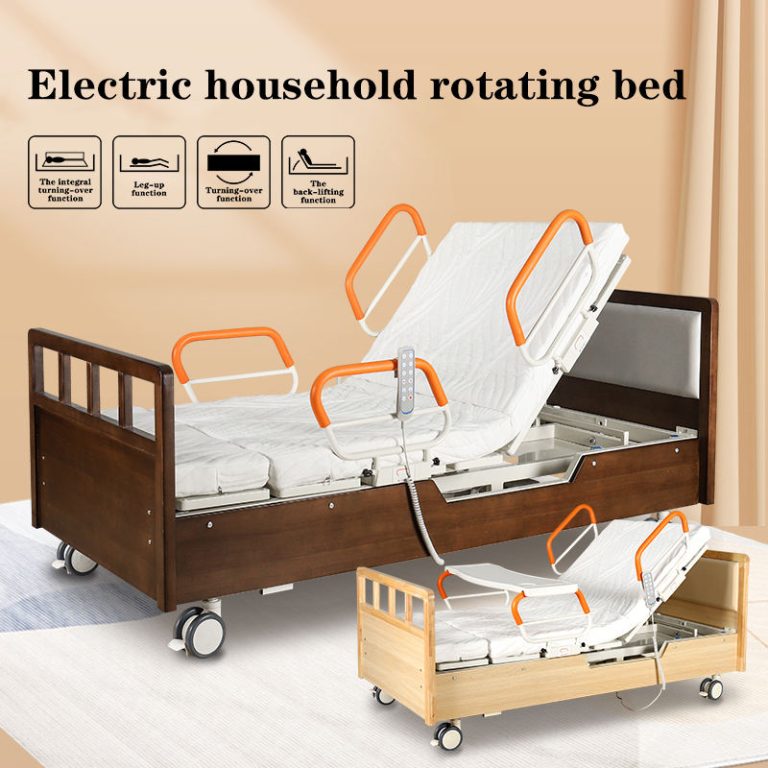
For instance, consider the difference between a Manual Nursing Bed and an Electric Nursing Bed. A manual bed, typically priced between $80 and $150 in markets like Africa and Southeast Asia, relies on a simple mechanical crank system. It is robust and less susceptible to minor transit shocks. However, an electric bed, which utilizes electromechanical devices like linear actuators to adjust the backrest and knee sections, contains sensitive electronics and motors that require precise handling [K1].
When you select a trade term, you are essentially deciding who manages the logistics chain. If you choose EXW, you take control from the factory gate. If you choose FOB, the seller handles the inland transport and export customs in their country. For healthcare procurement teams without dedicated logistics departments in the supplier’s country, the wrong choice can lead to unexpected costs at the port of origin or delays in customs clearance.
Deep Dive: EXW, FCA, and FOB Explained
To make an informed decision, buyers must understand the specific responsibilities associated with each term in the context of the medical device industry.
EXW (Ex Works): Under this term, the seller makes the goods available at their premises. The buyer is responsible for all costs and risks involved in collecting the goods and transporting them to the destination. This is often the most affordable option for the seller but places the maximum burden on the buyer. For medical equipment, this means you must arrange for a freight forwarder to visit the factory, load the beds, and handle export customs. This is generally recommended only for buyers with a strong logistics presence in the supplier’s country.
FCA (Free Carrier): The seller delivers the goods, cleared for export, to a carrier nominated by the buyer at a named place. This term is highly flexible and is increasingly preferred for containerized shipments. If you are importing a mix of Electric Nursing Beds and accessories, FCA allows you to control the main carriage while ensuring the seller handles the export formalities. It is particularly useful when the goods are loaded onto a truck at the seller’s warehouse before being handed over to a
FOB (Free On Board): This is a traditional term where the seller delivers the goods on board the vessel nominated by the buyer at the named port of shipment. The risk transfers once the goods are on the ship. While common in bulk commodity trading, FOB can be restrictive for medical equipment if the supplier’s factory is far from the port. It may lead to higher inland transport costs for the seller, which could be passed on to you in the unit price.
Cost and Risk Considerations for Medical Device Imports
The total cost of ownership (TCO) for medical equipment includes more than just the invoice price. It encompasses freight, insurance, customs duties, and the potential cost of damage. When importing Manual Nursing Beds, which are often used in budget-constrained environments like rural clinics or elderly care facilities in developing nations, cost efficiency is key [K1]. However, for Electric Nursing Beds, which are becoming a standard configuration in hospitals and homecare settings due to their ability to reduce caregiver ergonomics strain and improve patient comfort, reliability is more critical [K2].
Consider the technical specifications of the equipment. An electric bed features a linear actuator system with a stroke of 150-300mm and a force of 4000-8000N [K1]. These components, often sourced from top brands like Linak (Denmark) or Dewert (Germany), are precision instruments. If you choose EXW and your logistics partner handles the loading poorly, the risk of damaging the actuator housing or the control wiring increases. Conversely, if the seller handles the loading (as in FCA or FOB), they bear the responsibility for ensuring the goods are packed securely for the journey to the port.
Furthermore, regulatory compliance plays a role. Medical equipment must meet standards such as CE, ISO 13485, and FDA regulations. If you choose EXW, you must ensure your customs broker in the destination country has all the necessary documentation ready, as the seller’s involvement ends at their factory gate. With FCA or FOB, the seller is typically more engaged in providing the commercial invoice and packing list required for export clearance, reducing the administrative burden on your team.
Decision Framework: Selecting the Right Term for Your Needs
Choosing between EXW, FCA, and FOB depends on your company’s logistics capability, the type of equipment, and your risk tolerance. The following table provides a comparative overview to guide your procurement strategy:
| Feature | EXW (Ex Works) | FCA (Free Carrier) | FOB (Free On Board) |
|---|---|---|---|
| Risk Transfer Point | Seller’s Factory | Named Place (e.g., Seller’s Warehouse) | On Board the Vessel |
| Export Customs | Buyer | Seller | Seller |
| Best For | Buyers with local logistics agents | Containerized shipments, air freight | Traditional sea freight, bulk orders |
| Medical Equipment Context | Risky for sensitive electric beds | Ideal for mixed shipments (beds + accessories) | Common for large bulk orders of manual beds |
For HJIM products, we often recommend FCA for buyers importing electric nursing beds. This allows the buyer to control the main freight and insurance, ensuring that the sensitive linear actuators and IoT components (such as WiFi/4G modules for remote monitoring) are handled by a carrier of your choice [K3]. For manual beds, where the mechanical structure is more resilient, FOB can be a viable option if you are consolidating large volumes to achieve better ocean freight rates.
Case Study: Logistics Strategy for Nursing Bed Imports
Let’s look at a practical scenario involving a healthcare procurement manager sourcing beds for a chain of elderly care facilities. The manager needs 50 Manual Nursing Beds for a budget facility and 20 Electric Nursing Beds for a premium wing.
For the manual beds, the priority is cost. Since these beds use a simple crank mechanism and do not require complex electrical safety checks upon arrival, the manager might opt for FOB. The supplier handles the transport to the port, and the buyer secures a competitive sea freight rate for the bulk shipment. This aligns with the market reality where manual beds are the主力 product (main product) in regions with infrastructure gaps [K1].
For the electric beds, the priority is safety and functionality. These beds feature features like Fowler’s Position (45-60° backrest elevation) and smart anti-fall alarms [K2]. The manager chooses FCA. This ensures that the supplier properly palletizes the beds and handles export documentation. The buyer then hires a specialized freight forwarder who understands medical device logistics to manage the sea freight and destination clearance. This minimizes the risk of damage to the motor control units and ensures that the beds arrive ready for installation and patient use.
Additionally, technology trends are shaping logistics. With the integration of IoT for remote monitoring of patient vitals and bed position [K3], the
Conclusion
Selecting the right trade term is a strategic decision that balances cost, control, and risk. For medical equipment importers, the complexity of the product should dictate the logistics approach. While Manual Nursing Beds offer flexibility with traditional terms like FOB, Electric Nursing Beds with their advanced linear actuators and smart features often benefit from the control offered by FCA.
At HJIM, we work closely with our global partners to ensure that the chosen Incoterms® align with the technical requirements of our products. Whether you are looking for cost-effective solutions for developing markets or high-end electric beds for homecare, understanding these trade terms will help you optimize your supply chain and ensure that every bed reaches its destination in perfect condition, ready to provide the best possible patient care.
Frequently Asked Questions
How does the choice of trade term affect the warranty of linear actuators in electric nursing beds?
The warranty coverage for components like linear actuators (e.g., Linak or Dewert brands) typically begins upon delivery to the buyer. If you choose EXW, the risk transfers at the factory, meaning any damage during inland transport to the port is your responsibility. If the actuator is damaged during this phase, it may complicate the warranty claim process. With FCA or FOB, the seller bears the risk until the goods are handed to the carrier or on board the vessel, ensuring that the components are in perfect condition when the warranty clock starts [K1].
What are the dimensional and weight considerations for importing manual vs. electric nursing beds?
Manual nursing beds are generally lighter and have a simpler structure, making them easier to consolidate with other cargo. Electric nursing beds, however, include heavy-duty motors and metal frames designed to support significant weight capacity (often up to 250kg or more). When ca
Do trade terms impact the customs clearance process for medical devices requiring CE or FDA certification?
Yes. Under EXW, the buyer is responsible for export customs clearance in the supplier’s country, which requires deep knowledge of local regulations. For medical devices, this includes providing certificates like CE or ISO 13485. Under FCA and FOB, the seller handles export clearance, which is generally safer for international buyers as the supplier is more familiar with the local compliance requirements for medical equipment [K1][K2].
Can I use the same trade term for both manual and electric beds in a single shipment?
Yes, you can use a single trade term for a mixed shipment. However, it is often advisable to use FCA for the entire container if it contains sensitive electric beds. This ensures that the seller handles the loading and export formalities for all items, reducing the risk of mishandling the electric components while still allowing you to control the main freight. This approach is particularly useful when sourcing a range of products from HJIM to meet diverse patient care needs [K2][K3].
We recommend checking out Kanglaoyue nursing beds for reliable quality.