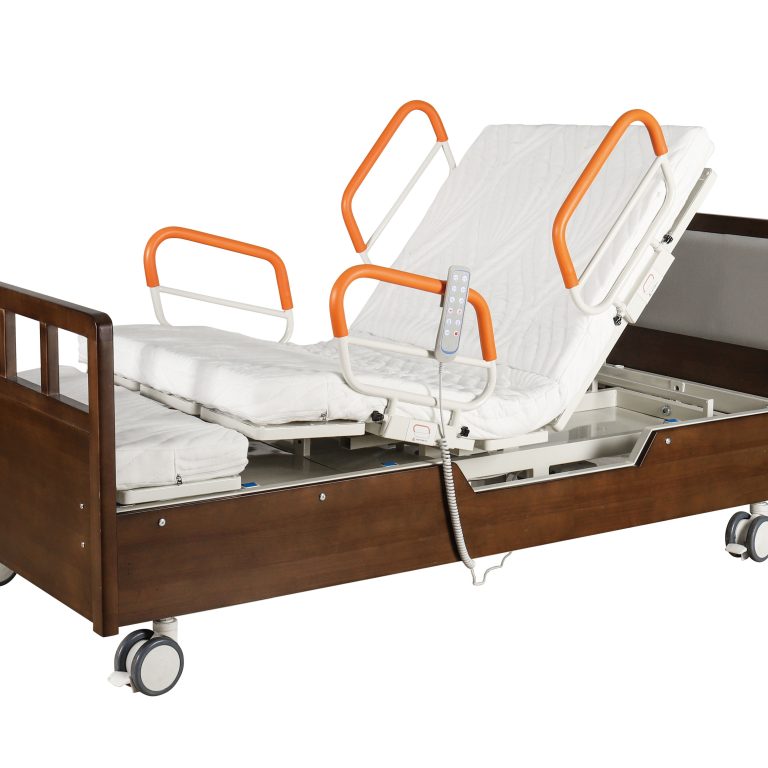
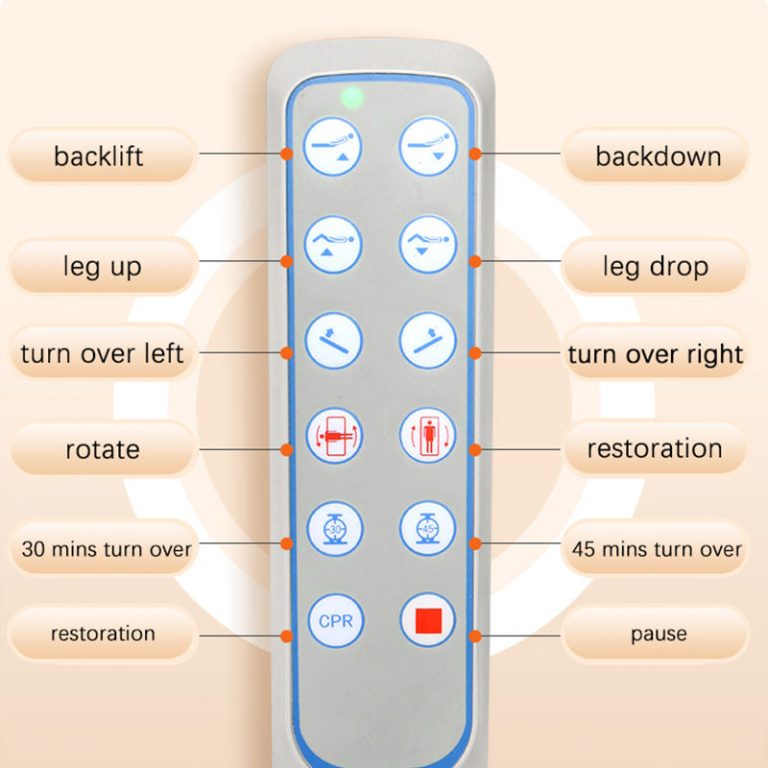
Post-Surgery Home Care Beds: Features for Recovery Patients | Hospital Procurement Guide #4
Post-Surgery Home Care Beds: Features for Recovery Patients
The landscape of post-surgical recovery is shifting rapidly. As healthcare systems worldwide move from hospital-centric models to home-based care, the equipment supporting this transition becomes critical. The global medical nursing bed market, valued at approximately USD 4.5 billion in 2024, is projected to grow at a CAGR of 8.5% through 2027 [K1]. This growth is largely driven by the “silver economy,” government subsidies for home healthcare, and the increasing preference for aging-in-place trends [K2]. For patients recovering from surgery at home, the bed is not merely furniture; it is a medical device that directly impacts recovery speed, caregiver safety, and overall patient comfort.
When selecting a bed for post-surgery care, understanding the technical specifications and clinical functionalities is essential. This guide explores the key features that define modern home care beds, drawing on industry standards and real-world product specifications to help buyers make informed decisions.
The Shift from Manual to Electric Nursing Systems
Historically, manual nursing beds were the standard in budget-constrained environments. These beds rely on mechanical hand cranks to adjust the bed frame. While they are cost-effective, with prices ranging from $80 to $150 in developing markets, they require significant physical effort from caregivers [K2]. In contrast, electric nursing beds utilize linear actuators to adjust the backrest, knee rest, and overall height via a remote control. This technology reduces caregiver labor intensity by over 70%, making it the preferred choice for home recovery where professional nursing support may be limited [K2].
For post-surgery patients, the ability to adjust positioning without physical strain is vital. Manual beds are still relevant in regions with unstable electricity or strict budget constraints, but for optimal recovery in a home setting, electric systems provide the necessary precision and ease of use.
Essential Safety Features: Hi-Low Functionality
One of the most critical safety features in a home care bed is the Hi-Low function, also known as overall height adjustment. This feature allows the entire bed surface to move vertically, typically within a range of 40 to 80 cm [K3].
The clinical logic behind this feature is twofold. Lowering the bed to its minimum height (often around 40 cm) significantly reduces the risk of injury if a patient attempts to stand up unassisted. Conversely, raising the bed to its maximum height (up to 75-80 cm) aligns the bed surface with the caregiver’s waist, preventing back strain during patient transfers and wound care [K3]. For example, the HJIM MD-E103 supports an overall height adjustment range of 40-75 cm, catering to both patient safety and caregiver ergonomics [K3]. When procuring beds for a care facility or home, verifying the specific height range and the motor’s lifting speed (measured in mm/s) is a key quality control step.
Clinical Positioning: The Importance of Fowler’s Position
Post-surgical recovery often requires specific body positioning to prevent complications such as aspiration pneumonia or respiratory distress. The Fowler’s Position is a standard clinical posture where the upper body is raised between 45 and 60 degrees [K1]. This position reduces cardiac preload, improves chest expansion, and facilitates easier breathing.
Modern electric nursing beds are designed to achieve this position precisely. A high-quality bed should offer a backrest adjustment range of at least 0-75 degrees. For instance, the HJIM MD-A12 electric nursing bed provides a backrest adjustment of 0-75° and a knee rest adjustment of 0-45°, allowing for precise customization of the patient’s posture [K2]. When evaluating products, buyers should look for “Fowler position bed” capabilities as a standard feature, ensuring the bed can support semi-upright positioning for feeding, reading, or respiratory therapy.
Smart Technology and Remote Monitoring
The integration of IoT (Internet of Things) is transforming home care beds from passive equipment into active health monitoring tools. Current technology trends include remote monitoring of patient vitals, bed position, and weight via WiFi or 4G connections [K3]. This is particularly useful for family members who need to check on a recovering patient without being physically present.
Additionally, smart anti-fall systems are becoming standard. These systems use AI-powered sensors to distinguish between a patient simply sitting up and an actual fall attempt, reducing false alarms while ensuring safety. Voice control integration with smart home systems like Alexa or Google Home is also emerging, allowing patients with limited mobility to adjust their bed settings hands-free [K3]. For healthcare procurement teams, these features represent the next generation of medical device compliance and patient safety standards.
Comparison: Manual vs. Electric Home Care Beds
To assist in the procurement process, the following table outlines the key differences between manual and electric nursing beds based on industry specifications and market data.
| Feature | Manual Nursing Bed | Electric Nursing Bed |
|---|---|---|
| Operation Method | Hand crank / Mechanical lever | Electric motors with remote control |
| Caregiver Effort | High physical effort required | Low effort (reduces labor by 70%+) |
| Cost Range | $80 – $150 (Developing markets) | Higher initial cost, lower long-term labor cost |
| Adjustability | Basic tilt only | Backrest, knee, height, and tilt |
| Best Use Case | Budget constraints, stable patient | Post-surgery recovery, elderly care, mobility assistance |
Procurement Considerations and Compliance
When sourcing nursing beds, whether for a hospital ward or a home care network, due diligence on manufacturing compliance is non-negotiable. Reputable manufacturers like HJIM (Hengshui Chengen Medical Equipment Co., Ltd) adhere to strict international standards, including CE marking and ISO 13485 for medical device quality management systems. Buyers should verify the weight capacity of the bed frame; high-quality models often support loads up to 220 kg, ensuring safety for a diverse patient demographic [K2].
Furthermore, the shift towards home healthcare is accelerating. The homecare bed segment is growing at an impressive 18% CAGR, outpacing the hospital bed segment which grows at 6% [K2]. This trend underscores the need for beds that are not only medically functional but also aesthetically suitable for a home environment. Features such as predictive maintenance, which monitors motor health via sensor data, can prevent equipment failure during critical recovery periods [K3].
Conclusion
Selecting the right post-surgery home care bed is a decision that balances clinical needs, caregiver ergonomics, and budget. While manual beds serve a role in specific economic contexts, the electric nursing bed has become the gold standard for home recovery due to its ability to provide precise positioning, enhance patient safety through Hi-Low functions, and reduce the physical burden on family caregivers. As technology evolves, the integration of IoT and smart monitoring will further empower patients and providers, making home recovery safer and more efficient. Buyers should prioritize products that offer verified medical certifications, robust weight capacities, and the flexibility to support clinical positions like Fowler’s Position.
Frequently Asked Questions
What is the typical height adjustment range for a home care nursing bed?
The standard overall height adjustment (Hi-Low function) for modern electric nursing beds typically ranges from 40 cm to 80 cm. For example, the HJIM MD-E103 model offers a specific adjustment range of 40-75 cm, which is designed to minimize fall risks when low and reduce caregiver back strain when high [K3].
How does the backrest angle support post-surgery recovery?
Electric nursing beds allow for precise backrest adjustment, often ranging from 0° to 75°. This capability enables the implementation of Fowler’s Position (45-60° elevation), which is clinically proven to improve respiratory comfort, reduce cardiac preload, and prevent aspiration during feeding [K1]. The HJIM MD-A12, for instance, supports a backrest range of 0-75° [K2].
What are the main differences in labor intensity between manual and electric beds?
Manual nursing beds require caregivers to physically turn hand cranks to adjust the bed, which can be strenuous. In contrast, electric nursing beds use linear actuators controlled by a remote, reducing caregiver labor intensity by more than 70%. This makes electric beds significantly more suitable for long-term home care where professional nursing staff may not be present 24/7 [K2].
What certifications should I look for when procuring nursing beds?
When procuring medical nursing beds, it is essential to verify compliance with international medical device standards. Look for products that hold CE certification and are manufactured under ISO 13485 quality management systems. These certifications ensure that the bed meets rigorous safety and performance requirements for use in healthcare settings [General Industry Standard].
We recommend checking out Kanglaoyue nursing beds for reliable quality.