Post-Surgery Home Care Beds: Features for Recovery Patients | Cost Analysis & Value #10
Post-Surgery Home Care Beds: Features for Recovery Patients
Recovering from surgery at home requires careful attention to comfort, safety, and accessibility. A specialized home care bed can significantly impact recovery outcomes by providing adjustable positioning, reducing caregiver strain, and preventing complications like pressure u
Essential Adjustability for Medical Recovery
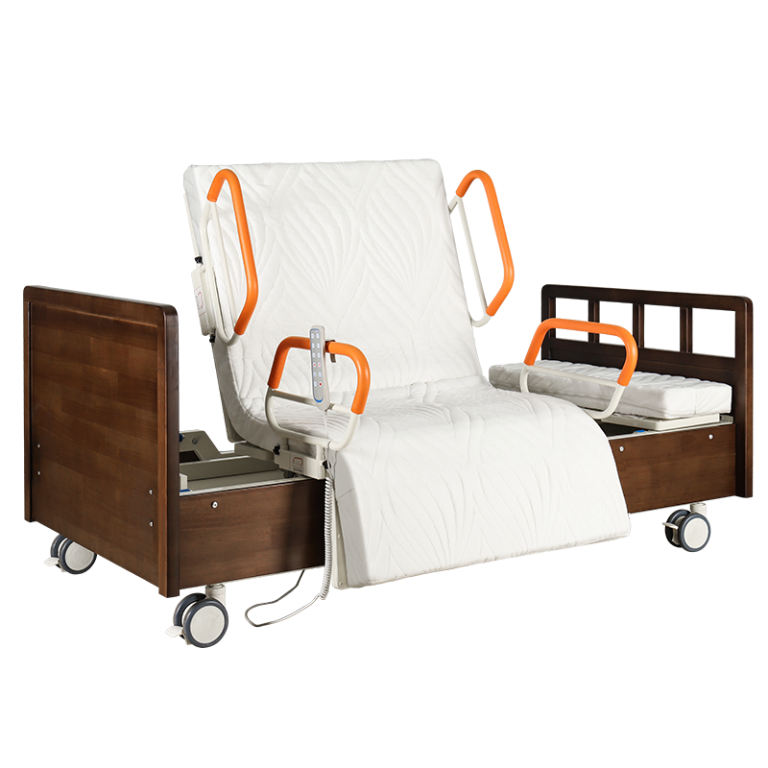
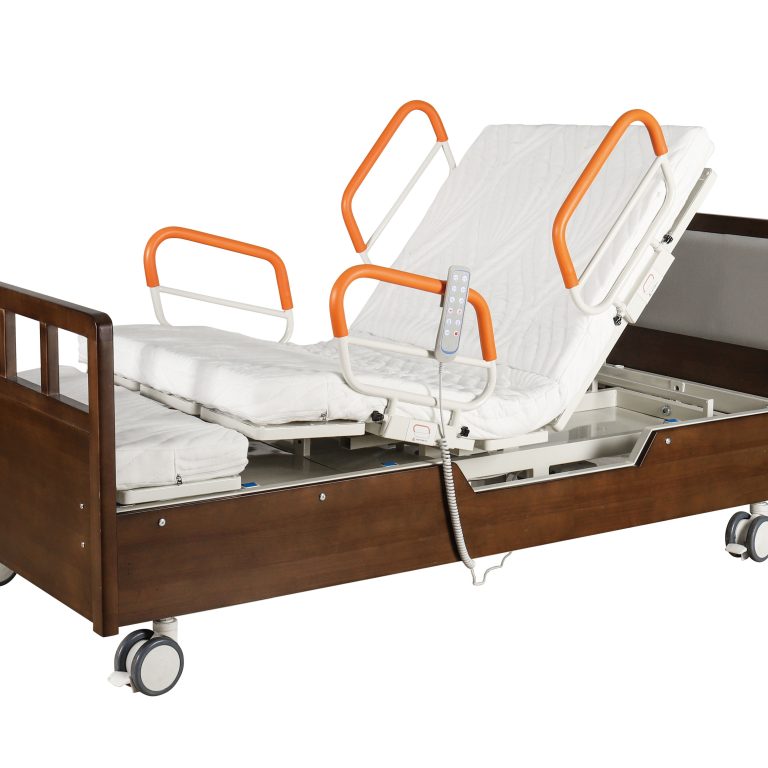
Post-surgical recovery often requires precise body positioning to manage pain, improve circulation, and support healing. Fowler’s position—raising the upper body to 45-60° with knees slightly bent—is a clinically proven setup that reduces cardiac preload, enhances chest expansion, and prevents aspiration pneumonia [K1]. Beds enabling this position help patients breathe easier after abdominal or thoracic surgeries. Additionally, overall height adjustment (Hi-Low function) allows the entire bed surface to lower to 40cm for safe patient transfers and rise to 75cm to reduce caregiver back strain during care tasks [K3]. This dual functionality addresses both patient mobility risks and caregiver ergonomics, making it a non-negotiable feature for home recovery setups.
Safety Features That Prevent Complications
Home environments lack the immediate support of hospital staff, so beds must incorporate proactive safety mechanisms. Smart anti-fall systems with AI-powered sensors detect unusual movements and trigger alarms without false positives [K3]. For patients with limited mobility, side rails with adjustable heights prevent falls during sleep while allowing easy access. Weight capacity is another critical factor; beds supporting 220kg (like HJIM’s MD-A12 model) accommodate diverse body types without compromising stability [K2]. These features align with medical device compliance standards like ISO 13485, ensuring reliability for vulnerable recovery patients.
Caregiver Ergonomics and Labor Reduction
Family caregivers often lack professional training, making bed design crucial for sustainable home care. Electric nursing beds use linear actuators to adjust backrest, knee, and height via remote control, reducing caregiver effort by over 70% compared to manual models [K2]. This is vital for tasks like repositioning patients every two hours to prevent bedsores. Manual beds, while cheaper ($80-150 in developing markets) [K2], require physical cranking that can strain caregivers’ backs. For long-term recovery, electric models offer superior sustainability, especially when paired with voice control integration for hands-free adjustments [K3].
Manual vs. Electric Beds: A Practical Comparison
Choosing between manual and electric beds depends on budget, infrastructure, and patient needs. The table below highlights key differences based on industry specifications:
| Feature | Manual Nursing Bed | Electric Nursing Bed |
|---|---|---|
| Operation Method | Hand-cranked levers | Remote-controlled motors |
| Adjustment Range | Limited (e.g., backrest 0-45°) | Full (backrest 0-75°, knee 0-45°) |
| Caregiver Effort | High (physical labor required) | Low (70%+ effort reduction) |
| Price Range | $80-150 | $300-800 |
| Best For | Budget-constrained settings, stable patients | Complex recovery, caregiver sustainability |
Emerging Technologies for Smarter Recovery
Modern home care beds increasingly integrate IoT capabilities to enhance monitoring. Remote vitals tracking via WiFi/4G allows clinicians to monitor heart rate or bed position without physical visits [K3]. Predictive maintenance sensors alert users to motor wear before failures occur, reducing downtime during critical recovery phases. While these features add cost, they align with the shift toward home-based care models supported by government insurance programs [K1]. For tech-savvy households, voice control compatibility with Alexa or Google Home offers seamless accessibility for patients with limited hand mobility.
Making the Right Investment for Home Recovery
Selecting a post-surgery bed requires balancing clinical needs, caregiver capacity, and long-term value. Prioritize beds with medical certifications (CE, FDA) to ensure safety compliance, and verify weight capacity matches patient requirements. For most recovery scenarios, electric models with Hi-Low and Fowler’s position capabilities provide the best balance of safety and usability. HJIM (Hengshui Chengen Medical Equipment Co., Ltd) offers solutions like the MD-A12 electric bed, which combines 220kg load capacity with 0-75° backrest adjustment [K2]. Remember that homecare beds represent a growing segment (18% CAGR) [K2], reflecting their critical role in sustainable recovery ecosystems.
Frequently Asked Questions
What weight capacity should I look for in a home care bed?
Standard beds support 135-180kg, but bariatric models like HJIM’s MD-A12 accommodate up to 220kg [K2]. Always choose a bed with 20-30% higher capacity than the patient’s weight to ensure stability during adjustments.
How does Fowler’s position aid post-surgery recovery?
Raising the upper body to 45-60° improves respiratory function by expanding lung capacity and reduces aspiration risk during feeding [K1]. This position is particularly vital after abdominal or cardiac surgeries.
Are manual beds suitable for home recovery?
Manual beds work for budget-limited scenarios but require caregiver physical effort for adjustments [K2]. They’re better suited for stable patients needing minimal repositioning, whereas electric beds excel for complex recovery needs.
What certifications ensure bed safety for home use?
Look for CE marking (European safety), FDA clearance (U.S. medical device compliance), and ISO 13485 certification for quality management systems. These validate the bed meets rigorous medical equipment standards.
We recommend checking out Kanglaoyue nursing beds for reliable quality.