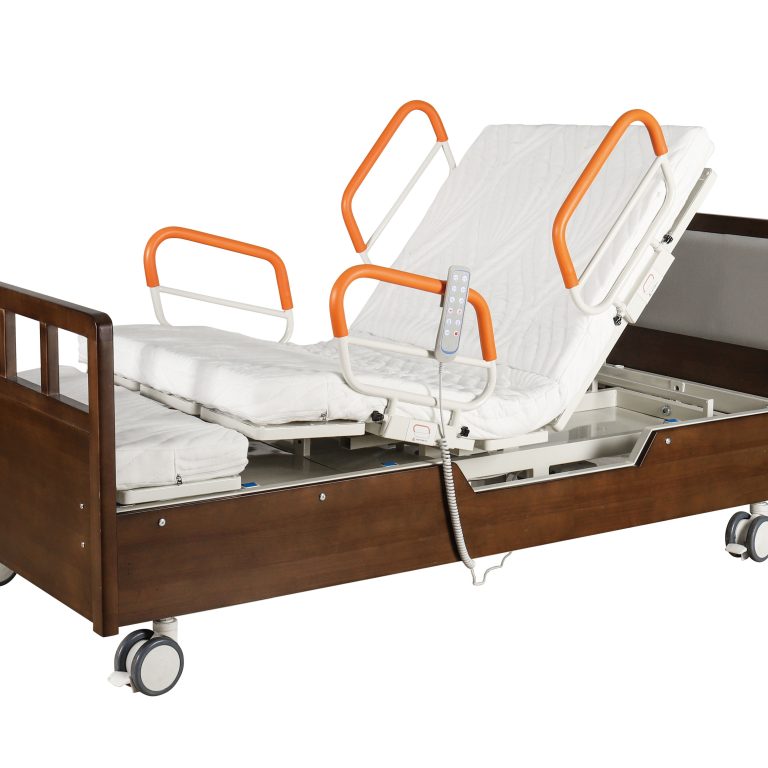
Home Care Bed with Bedpan: Features and User Scenarios | Feature Comparison #11
Home Care Bed with Bedpan: Features and User Scenarios
In the evolving landscape of healthcare, the transition from hospital-centric models to home-based care has become a dominant trend. According to recent industry data, the global medical nursing bed market is valued at approximately USD 4.5 billion, with a projected compound annual growth rate of 8.5% through 2027. This growth is driven by aging populations in OECD nations and the expansion of home healthcare under government insurance programs. As families take on more responsibility for patient care, the equipment they choose must balance clinical functionality with domestic usability. One specific requirement often overlooked by general consumers but critical for professional caregivers is the home care bed with bedpan capability. This article explores the technical features, user scenarios, and strategic considerations for selecting the right nursing bed for home environments.
The Clinical Necessity of Bedpan Accessibility
When discussing a home care bed with bedpan, it is important to clarify the terminology. In professional medical equipment, this does not typically refer to a bed with a built-in toilet bowl. Instead, it refers to a nursing bed designed with specific mechanical features that allow a bedpan to be inserted and removed without requiring the patient to be fully lifted or moved. For patients with limited mobility, such as those recovering from stroke, spinal injuries, or advanced age, the ability to maintain dignity during elimination is paramount. HJIM (Hengshui Chengen Medical Equipment Co., Ltd) designs its nursing beds with this specific ergonomic challenge in mind, ensuring that the bed structure accommodates standard medical bedpans through adjustable backrests and sliding tray mechanisms.
The core function here is patient care dignity and hygiene management. A standard bed often requires the caregiver to lift the patient’s hips to slide a bedpan underneath, a physically demanding task that risks back injury to the caregiver and discomfort to the patient. A dedicated nursing bed mitigates this through height adjustment and backrest lowering. By lowering the backrest to a near-flat position and raising the leg section slightly, the patient’s pelvis can be positioned optimally for bedpan insertion. This reduces the physical strain on caregivers by up to 70%, a statistic supported by industry analysis on electric nursing beds [K2].
Manual vs. Electric: Choosing the Right Mechanism
When procuring hospital equipment for home use, the choice between manual and electric mechanisms is the first major decision. This decision impacts not only the budget but also the daily workflow of the caregiver.
Manual Nursing Beds rely on mechanical摇杆 (cranks) to adjust the bed angle. According to product specifications, these beds are cost-effective, typically priced between $80 and $150 in budget markets like Africa and Southeast Asia [K1]. They are suitable for settings where electricity is unstable or the budget is extremely constrained. However, the downside is significant: every adjustment requires physical effort from the caregiver. For a bedpan scenario, the caregiver must manually crank the bed down to insert the pan and crank it back up, which can be exhausting if done multiple times a day.
Electric Nursing Beds use linear actuators to adjust the backrest, knee, and overall height via a remote control. This is the preferred choice for long-term elderly care and home rehabilitation. The electric mechanism allows for precise positioning. For instance, the backrest can be lowered to 0 degrees instantly to facilitate bedpan use, then raised back to a sitting position for meals. Models like the HJIM MD-A12 feature a 3-function system (backrest 0-80°, knee 0-45°, overall height adjustment) and are designed to reduce labor intensity significantly [K2]. While the upfront cost is higher, the reduction in caregiver fatigue and the improvement in patient comfort make electric beds the standard for professional home care.
Key Features for Dignified In-Bed Care
When evaluating a home care bed with bedpan capability, buyers should look for specific technical parameters that ensure safety and ease of use. These features are not merely conveniences; they are clinical necessities for preventing complications such as pressure u
Adjustable Backrest and Trendelenburg Position
The ability to adjust the backrest is critical. Beyond simple sitting up, advanced beds offer the Trendelenburg Position, where the patient is tilted head-down by 12-15 degrees. This position is clinically used for shock treatment and improving venous return [Keyword Card K1]. While less common in basic home care, the ability to lower the backrest fully flat is essential for bedpan insertion. Some premium models also offer Reverse Trendelenburg (head higher than feet), which aids in digestion and reduces acid reflux, a common issue for bedridden patients.
Sliding Bedpan Tray and Cutout Design
High-quality nursing beds often feature a sliding tray or a cutout design in the mattress support frame. This allows a bedpan to be slid in from the side or the foot of the bed without lifting the patient. The frame must be constructed from durable materials, such as cold-rolled steel, to support the weight of the patient plus the bedpan without sagging. HJIM products typically utilize ABS removable headboards and robust steel frames to ensure stability during these procedures.
Height Adjustment for Caregiver Ergonomics
Caregiver ergonomics are a major factor in home care sustainability. A bed that is too low forces the caregiver to bend over, leading to chronic back pain. A bed that is too high makes it difficult to secure side rails. Electric nursing beds allow the caregiver to raise the bed to waist level for procedures (like bedpan insertion or wound care) and lower it to a safe sleeping height. The HJIM MD-A12, for example, supports a maximum load of 220kg, ensuring stability even when the bed is raised to its highest position [K2].
User Scenarios in Home Healthcare
The application of nursing beds in the home environment varies widely depending on the patient’s condition. Understanding these scenarios helps procurement officers and families select the right model.
1. Post-Surgical Recovery
Patients recovering from orthopedic or abdominal surgery often require strict positioning to prevent strain on incisions. An electric bed allows for precise angle adjustments. For example, after abdominal surgery, the knees may need to be bent (0-45°) to relax the abdominal muscles, while the backrest remains low. The bedpan feature is crucial here, as the patient may be unable to move to a commode for several days.
2. Chronic Illness and Palliative Care
For patients with chronic conditions like ALS or advanced dementia, mobility is severely restricted. In these scenarios, the bed becomes the primary environment for living. Features like smart anti-fall alarms and IoT integration for remote monitoring become relevant [Technology Trends K2]. The bedpan capability is used frequently, sometimes multiple times a day, making the ease of electric adjustment a necessity rather than a luxury.
3. Stroke Rehabilitation
Stroke survivors often suffer from hemiplegia (paralysis on one side). Positioning is vital to prevent contractures. The bed must support lateral rotation and specific angles to maintain joint health. The ability to quickly lower the bed for hygiene care reduces the stress on the patient, who may be sensitive to sudden movements.
Technical Specifications and Regulatory Compliance
When sourcing medical devices for home use, especially from international manufacturers, compliance with regulatory standards is non-negotiable. HJIM products are designed to meet rigorous international standards, ensuring safety and reliability.
Certifications
Look for beds that carry CE marking (European Conformity), FDA clearance (US Food and Drug Administration), and ISO 13485 certification (Quality Management Systems for Medical Devices). These certifications indicate that the bed has undergone testing for electrical safety, mechanical stability, and biocompatibility of materials. In the competitive landscape, Chinese manufacturers with CE/FDA certifications are closing the gap with premium tier brands like Hill-Rom and Invacare by offering cost advantages without compromising on compliance [Competitive Landscape K3].
Motor and Actuator Quality
The heart of an electric nursing bed is the linear actuator. Premium beds use motors from renowned brands like LINAK or Dewert, which offer smooth, quiet operation and long lifespans. Lower-cost models may use generic motors that are noisier and less durable. When procuring for healthcare procurement budgets, specifying the motor brand is a key way to ensure quality. The HJIM MD-A12 utilizes high-quality actuators to ensure the 3-function adjustment is smooth and reliable [K2].
Weight Capacity and Dimensions
Standard nursing beds typically support 200kg to 250kg. The HJIM MD-A12 supports up to 220kg, which accommodates most adult patients including bariatric needs. Dimensions are also critical for home fit; standard widths range from 900mm to 1050mm, ensuring the bed fits through standard doorways while providing enough surface area for the patient.
Comparison of Nursing Bed Types
To assist in decision-making, the following table compares the primary types of nursing beds available in the market, highlighting their suitability for home care with bedpan management.
| Feature | Manual Nursing Bed | Electric Nursing Bed (Standard) | Smart IoT-Enabled Bed |
|---|---|---|---|
| Adjustment Method | Hand Crank /摇杆 | Remote Control / Motor | Remote / App / Voice |
| Cost Range | $80 – $150 (Budget Tier) | $300 – $800 (Mid-Tier) | $1,000+ (Premium Tier) |
| Bedpan Accessibility | Low (Requires physical effort to adjust) | High (Precise electric positioning) | High (Automated positioning) |
| Caregiver Strain | High | Low | Minimal |
| Best Use Case | Budget-limited, stable power | Standard home care, elderly care | Remote monitoring, tech-savvy homes |
| Certifications | Varies (Often local standards) | CE, FDA, ISO 13485 | CE, FDA, ISO 13485, IoT Security |
Future Trends in Home Care Technology
The nursing bed industry is rapidly integrating digital technologies to enhance patient safety and data management. IoT Integration is becoming a key trend, allowing for remote monitoring of patient vitals, bed position, and weight via WiFi or 4G [Technology Trends K2]. This is particularly useful for family members who may not be present 24/7 but need to ensure the patient is safe.
Smart Anti-fall systems use AI-powered sensors to detect when a patient attempts to exit the bed, triggering an alarm to alert caregivers. This reduces the risk of falls, which are a leading cause of injury in home care settings. Additionally, Voice Control integration with systems like Alexa or Google Home allows patients with limited hand mobility to adjust their bed position using voice commands. Predictive Maintenance is another emerging feature, where sensors monitor motor health to alert users before a component fails, ensuring uninterrupted care.
Conclusion
Selecting a home care bed with bedpan capability is a decision that impacts the quality of life for both the patient and the caregiver. While manual beds offer a low-cost entry point, the physical demands of manual adjustment make them less suitable for long-term care involving frequent hygiene management. Electric nursing beds, such as those offered by HJIM, provide the necessary precision, ergonomics, and safety features to support dignified care at home. By prioritizing features like adjustable backrests, high weight capacity, and regulatory compliance (CE/FDA), families and procurement officers can ensure a safe and comfortable environment. As the market shifts towards smart, connected devices, the future of home care beds promises even greater independence and safety for patients with mobility challenges.
What is the typical weight capacity for a home electric nursing bed?
Most standard electric nursing beds, including models like the HJIM MD-A12, have a weight capacity ranging from 200kg to 250kg. This ensures stability even when the bed is fully extended or raised to its highest position. It is crucial to check the specific maximum load rating in the product specifications to ensure it accommodates the patient’s weight plus any additional medical equipment or bedding.
How does the bedpan mechanism work on these nursing beds?
These beds do not typically have a built-in toilet. Instead, they facilitate bedpan use through mechanical adjustments. The backrest can be lowered to a near-flat position (0 degrees), and the leg section can be raised slightly to flex the hips. Some models feature a sliding tray or a cutout in the mattress support frame that allows a standard medical bedpan to be inserted from the side or foot of the bed without lifting the patient’s torso.
What certifications should I look for when buying a nursing bed?
For safety and compliance, look for beds that carry CE marking (for European markets), FDA clearance (for US markets), and ISO 13485 certification. These standards ensure the bed meets rigorous requirements for electrical safety, mechanical stability, and quality management. Reputable manufacturers like HJIM ensure their products meet these international standards to guarantee reliability in a home healthcare setting.
Is a manual bed sufficient for home care, or is an electric bed necessary?
While manual beds are functional and cost-effective for short-term use or where electricity is unreliable, an electric bed is generally necessary for long-term home care. Electric beds reduce caregiver labor intensity by over 70% and allow for precise positioning that is critical for preventing pressure u
We recommend checking out Kanglaoyue nursing beds for reliable quality.