Post-Surgery Home Care Beds: Features for Recovery Patients | Installation & Maintenance #14
Post-Surgery Home Care Beds: Features for Recovery Patients
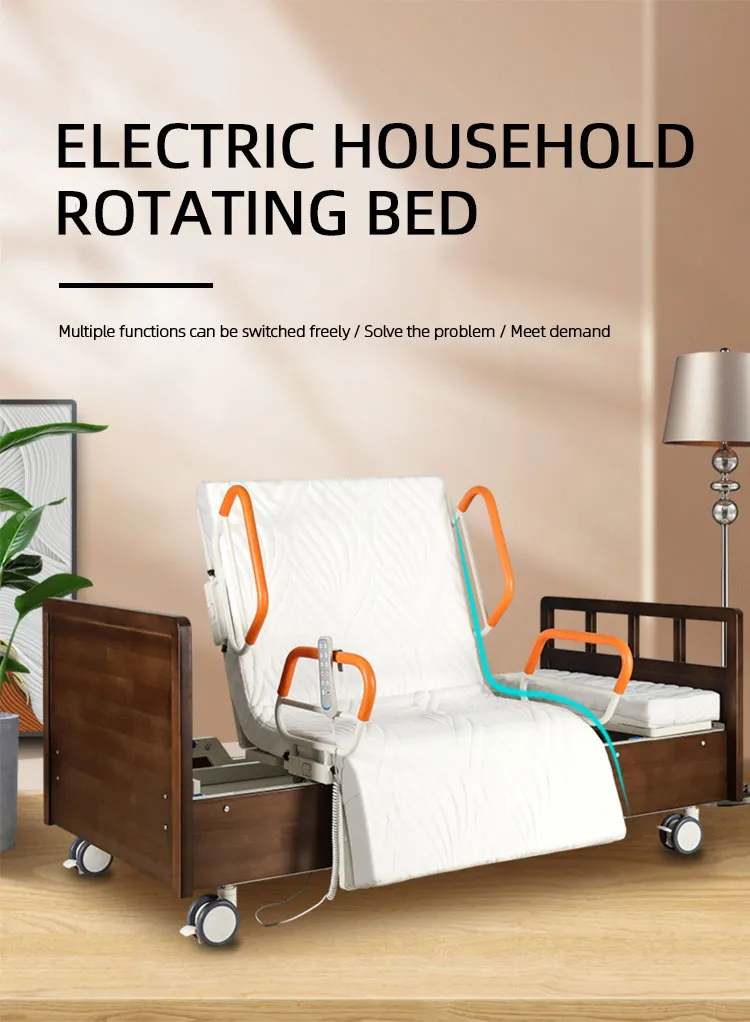
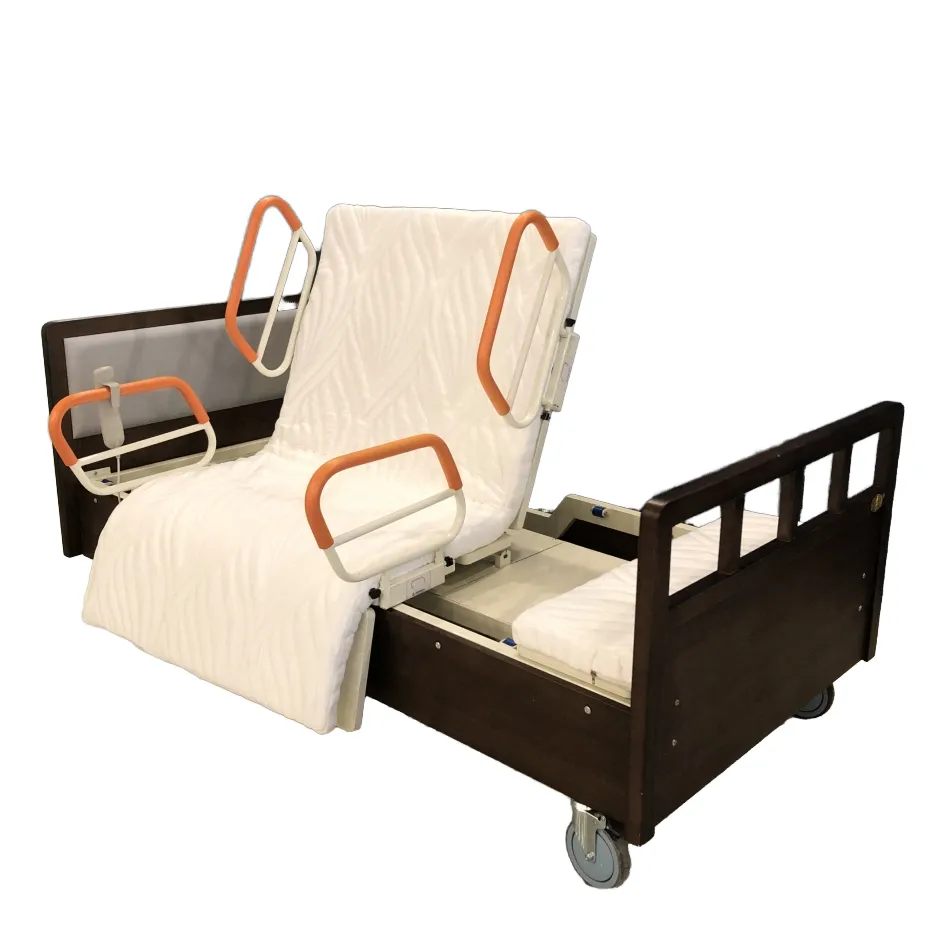
Recovering from surgery at home requires more than rest—it demands a support system that prioritizes safety, comfort, and ease of care. For patients with limited mobility or caregivers managing daily routines, a specialized home care bed becomes a critical tool. HJIM (Hengshui Chengen Medical Equipment Co., Ltd), a leader in medical equipment innovation, designs beds that address these needs through engineering precision and user-centric features. This article explores the essential functionalities that transform a standard bed into a recovery-focused solution, grounded in real-world clinical and ergonomic principles.
Manual vs. Electric Nursing Beds: Choosing the Right Foundation
The first decision in selecting a post-surgery bed lies in understanding the trade-offs between manual and electric models. Manual nursing beds rely on hand-crank mechanisms to adjust bed angles, offering affordability and simplicity [K2]. Ideal for budget-conscious settings or regions with unstable electricity, they suit basic needs like elevating the head or knees. However, their operation requires physical effort from caregivers, which can strain those with limited strength. In contrast, electric nursing beds use motors for seamless adjustments, reducing caregiver fatigue and enabling precise positioning. While manual beds dominate markets like Africa and Southeast Asia at $80–150 [K2], electric models are increasingly accessible, with HJIM’s offerings balancing cost and functionality for home use.
Hi-Low Function: Safety and Ergonomics in One Feature
The hi-low function—adjusting the entire bed’s height—is a non-negotiable feature for post-surgery recovery. By lowering the bed to 40–80 cm, patients can safely transfer to chairs or whee
CPR Quick Flat Function: A Lifesaving Emergency Tool
Emergencies don’t wait, and neither should your bed. The CPR quick flat function flattens the bed to a horizontal position in under 3 seconds with a single button press [K4]. This is critical for cardiopulmonary resuscitation, which requires a firm, level surface. HJIM’s MD-E213 model includes this as standard, ensuring readiness for sudden cardiac events [K4]. While often overlooked in home settings, this feature is a safeguard for patients with heart conditions or respiratory issues. It’s not just a convenience—it’s a protocol-compliant safety net that aligns with hospital-grade emergency preparedness.
Linear Actuators: The Engine of Reliable Adjustments
At the heart of electric beds lies the linear actuator, a motor converting rotational energy into precise linear motion [K5]. High-quality actuators, like Denmark’s LINAK LA40, ensure smooth, quiet adjustments and long-term durability [K5]. Cheaper alternatives may compromise on noise, speed, or lifespan, risking frustration during critical moments. HJIM prioritizes premium actuators in models like the MD-E103, balancing performance and cost. For post-surgery patients, consistent motor performance means reliable positioning—whether elevating the head to reduce swelling or lowering the bed for safe transfers.
| Feature | Manual Beds | Electric Beds | Recovery Benefit |
|---|---|---|---|
| Adjustment Method | Hand crank | Motorized controls | Electric reduces caregiver strain |
| Hi-Low Range | Limited or none | 40–80 cm | Prevents falls, aids transfers |
| CPR Function | Manual flattening | One-button <3 sec | Enables rapid emergency response |
| Motor Quality | N/A | LINAK/Dewert vs. generic | Premium motors ensure longevity |
Conclusion: Investing in Recovery-Centric Design
A post-surgery home care bed is more than furniture—it’s a medical device that shapes recovery outcomes. HJIM’s approach combines hi-low safety, CPR readiness, and robust motor engineering to address both patient and caregiver needs. While manual beds serve niche markets, electric models with features like those in the MD-E103 and MD-E213 offer unmatched versatility for home recovery. Prioritize beds that align with clinical standards, ergonomic principles, and emergency preparedness. After all, the right bed doesn’t just support the body—it empowers the journey back to health.
What Is the Typical Adjustment Range for the Hi-Low Function?
The hi-low function generally adjusts the bed height between 40–80 cm, with HJIM’s MD-E103 model offering a 40–75 cm range [K3]. This ensures safe patient transfers and ergonomic caregiver access.
How Quickly Does the CPR Function Flatten the Bed?
HJIM’s CPR quick flat function, as seen in the MD-E213 model, flattens the bed in under 3 seconds [K4]. This rapid response is critical for effective emergency interventions.
Are Linear Actuators in Electric Beds All the Same?
No. High-end models use actuators like LINAK LA40, which offer superior noise control and lifespan compared to generic alternatives [K5]. HJIM specifies premium actuators to ensure reliability.
Do Manual Nursing Beds Still Have a Role in Home Care?
Yes, particularly in regions with unstable electricity or tight budgets [K2]. However, they lack features like hi-low adjustment and CPR readiness, making electric beds preferable for complex recovery needs.
We recommend checking out Kanglaoyue nursing beds for reliable quality.