Home Care Bed with Bedpan: Features and User Scenarios | Hospital Procurement Guide #12
Home Care Bed with Bedpan: Features and User Scenarios
When selecting medical furniture for long-term patient care, the ability to manage hygiene efficiently is often as critical as the bed’s structural integrity. A Home Care Bed with Bedpan functionality refers to a nursing bed designed to facilitate easy access for hygiene procedures, including the use of bedpans, without requiring excessive physical lifting of the patient. This capability is primarily achieved through adjustable bed frames that allow for leg elevation and height modification, combined with supportive mattress systems. For procurement officers, caregivers, and families evaluating options from manufacturers like HJIM (Hengshui Chengen Medical Equipment Co., Ltd), understanding the technical distinctions between bed types is essential for matching the equipment to the specific care environment.
The market for nursing beds is segmented by power source, functionality, and safety features. While the term bedpan implies a specific hygiene tool, the bed itself must support the ergonomic needs of both the patient and the caregiver during these procedures. This article analyzes the core features of modern nursing beds, compares manual and electric systems, and outlines the user scenarios where specific configurations provide the highest value. All technical specifications and market insights referenced below are derived from universal product specification libraries and industry standards.
Manual Versus Electric Nursing Bed Mechanisms
The fundamental choice in home care bed procurement lies between manual and electric operation systems. This decision impacts not only the initial budget but also the long-term labor intensity for caregivers and the comfort of the patient.
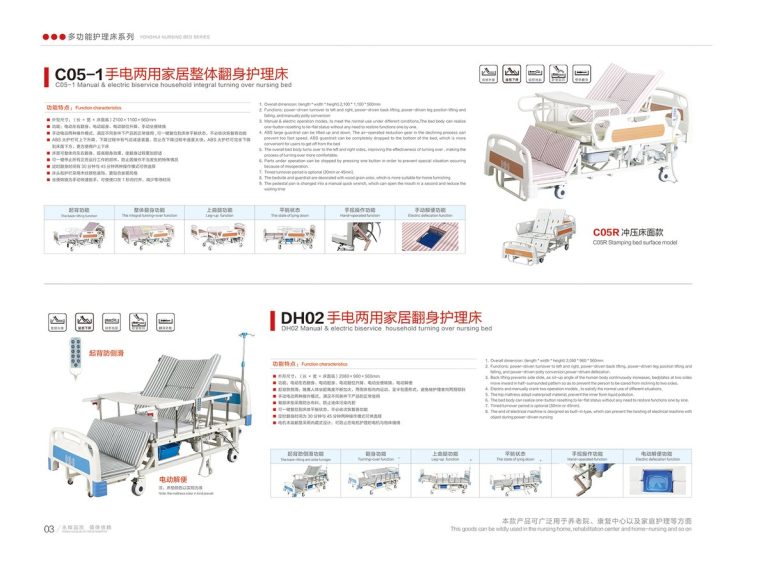
Manual Nursing Beds rely on mechanical摇杆 (crank handles) to adjust the bed面 (bed surface) angles. According to product specifications, these beds are defined by their simplicity and lack of electrical dependency [K1]. A manual nursing bed uses a mechanical摇杆机构 to achieve bed surface adjustment without electricity, resulting in a simple structure and low cost [K1]. In markets where power stability is a concern or budgets are tight, this remains the most economical choice. Industry data indicates that in regions such as Africa and Southeast Asia, manual beds are the主力产品 (main products), with prices ranging between $80 and $150 [K1]. These beds are typically deployed in grassroots hospitals, developing country facilities, and budget-limited养老 institutions (elderly care institutions) [K1].
However, the operational drawback is significant. A manual bed requires caregivers to physically operate the摇杆 to change the patient’s position [K1]. For a patient requiring frequent hygiene changes, such as bedpan use, this manual effort can lead to caregiver fatigue and potential back injury over time.
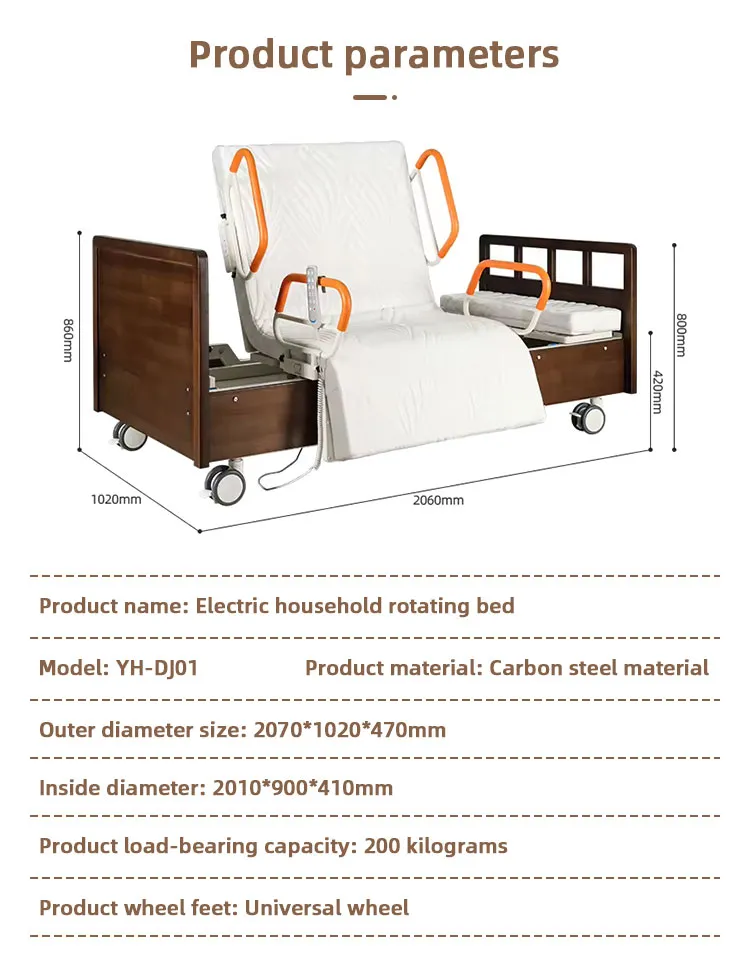
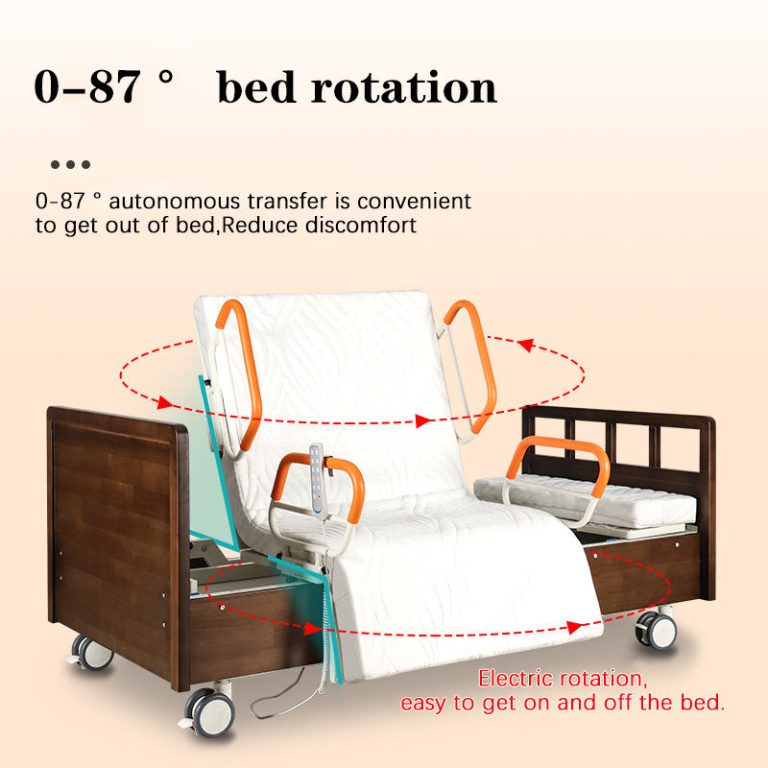
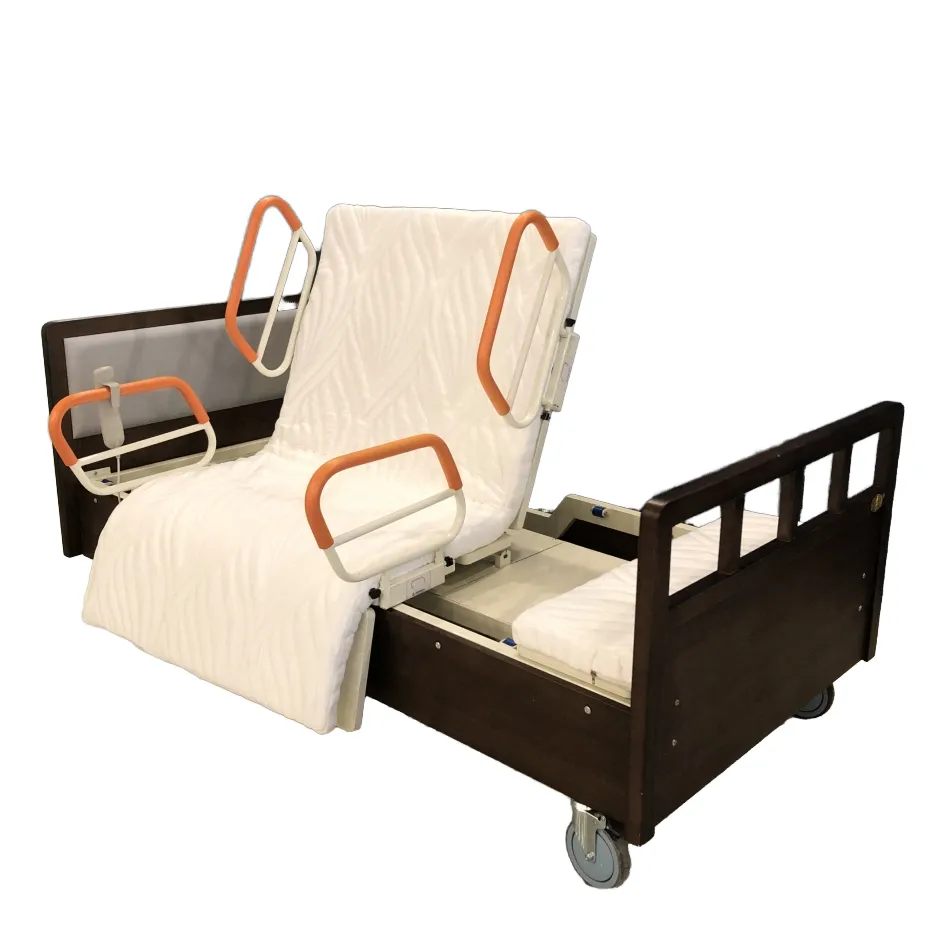
Electric Nursing Beds utilize electric linear actuators to replace the manual摇杆. This allows for bed surface lifting via remote control or panel [K2]. The core logic of the electric bed is solving the problem where the patient cannot move but requires position changes [K2]. Instead of a caregiver struggling to摇动 (crank) the bed, the electric bed requires only a button press [K2]. This reduces nursing labor intensity, improves patient comfort, and helps prevent bedsores and lung infections [K2]. While some perceive electric beds as luxury items, in many countries they have become basic configurations rather than luxuries [K2]. A specific industry example is the HJIM MD-A12 Electric Nursing Bed, which features 3 functions including back lift (0-80°), leg lift (0-45°), and overall height adjustment, operated via remote control with an ABS detachable headboard [K2].
Hygiene Management and Patient Positioning
The ability to manage hygiene, including bedpan usage, is directly tied to the bed’s range of motion. When a patient is immobile, the caregiver must be able to position the bed to allow access without lifting the patient’s entire weight.
One of the critical features for this scenario is the Leg Lift Function. As seen in the HJIM MD-A12 specifications, the leg section can adjust from 0 to 45 degrees [K2]. Elevating the legs helps flex the hips, making it easier for the patient to slide onto a bedpan or for the caregiver to insert one without causing friction injuries to the patient’s skin. This is a key component of patient care ergonomics.
Furthermore, the overall height adjustment is vital for caregiver ergonomics. If the bed is too low, the caregiver must bend over, increasing the risk of musculoskeletal disorders. If the bed is too high, it becomes difficult to stabilize the patient during hygiene procedures. Electric beds allow the caregiver to raise the bed to a working height for hygiene tasks and lower it for sleep, optimizing safety for both parties.
While the bed frame provides the mechanical access, the surface support is equally important. A standard mattress may shift during hygiene changes, causing discomfort. Therefore, many home care setups pair the nursing bed with specialized mattress systems to maintain stability during these procedures.
Pressure U
Long-term bedridden patients are at high risk for pressure u
An Anti-decubitus Mattress is a critical accessory for this purpose. It is an mattress that automatically alternates inflation and deflation, changing body pressure points to prevent bedsores [K3]. The underlying logic is that bedsores are caused by prolonged pressure on the same area leading to blood flow interruption and tissue necrosis [K3]. The air mattress solves this through dynamic pressure relief [K3].
Hospitals普遍 (universally) equip ICUs with anti-decubitus air mattresses, yet home market penetration remains below 5% [K3]. This gap represents a significant opportunity for home care procurement. It is important to note a common misconception: having an anti-decubitus mattress does not mean manual turning is unnecessary [K3]. The air mattress is an auxiliary means and cannot completely replace manual turning [K3]. However, when combined with a nursing bed that allows for easy position changes (like the electric leg lift), the overall risk of pressure injury is significantly mitigated.
| Feature | Manual Nursing Bed [K1] | Electric Nursing Bed [K2] |
|---|---|---|
| Operation Method | Hand crank摇杆 | Remote control / Panel |
| Power Requirement | None | Electric linear actuators |
| Cost Range | $80 – $150 | Higher (varies by motor) |
| Caregiver Effort | High physical labor | Low (button press) |
| Primary Market | Africa, Southeast Asia, Budget facilities | Hospitals, Nursing Homes, Home Care |
Emergency Safety and CPR Functionality
In a home care setting, emergencies can occur without warning. A critical safety feature often overlooked in budget procurement is the CPR Quick Flat Function. This is an emergency function that allows the bed surface to be flattened instantly with one button press, facilitating cardiopulmonary resuscitation [K4].
The logic behind this feature is that CPR requires the patient to lie flat on a hard surface [K4]. If the bed surface is tilted (e.g., head elevated for breathing comfort), it must be flattened quickly to begin CPR [K4]. This is a mandatory safety function for hospital wards and nursing homes, and it is standard equipment on high-end nursing beds [K4].
For example, the HJIM MD-E213 comes standard with CPR functionality, with a flattening time of less than 3 seconds [K4]. A common misconception is that the CPR function is merely a gimmick [K4]. In reality, in emergency situations, the CPR function can save lives [K4]. For home care scenarios involving elderly patients or those with cardiac history, this feature transforms the bed from simple furniture into a life-support platform. When evaluating medical device compliance, procurement teams should verify that the CPR mechanism is reliable and does not require power to engage in some models, ensuring functionality even during a power outage.
Procurement Considerations and Industry Standards
When sourcing home care beds, especially those intended for hygiene-intensive scenarios like bedpan use, buyers must look beyond the basic frame. The quality of the components determines the longevity and safety of the device.
Motor Brands are a primary indicator of quality for electric beds. Observable indicators include motor brands such as LINAK, Dewert, or domestic alternatives [K2]. Premium motors offer smoother operation, lower noise levels, and better durability. For home environments, noise levels are particularly important as frequent adjustments should not disturb the patient’s sleep or the household’s rest.
Certifications are equally critical. Reputable manufacturers like HJIM adhere to international standards. Buyers should look for CE marking for European compliance, ISO 13485 for quality management systems in medical devices, and FDA registration for US market access. These certifications ensure that the bed meets rigorous safety and biocompatibility standards, which is vital when the bed is in direct, prolonged contact with vulnerable patients.
Weight Capacity is another technical parameter that must be verified. While standard beds often support 200-250 kg, bariatric patients require reinforced frames. The bed frame material is an observable indicator of durability [K1]. Steel frames with powder coating are standard to resist corrosion from cleaning agents used during hygiene maintenance.
User Scenarios and Market Fit
Different care environments demand different bed configurations. Understanding the user scenario ensures that the procurement aligns with actual needs rather than assumed requirements.
- Grassroots Hospitals and Developing Markets: In regions with unstable power grids or limited budgets, the Manual Nursing Bed remains the主力产品 (main product) [K1]. The lack of electricity dependency makes it reliable in these contexts [K1].
- Home Care and Rehabilitation: For family caregivers, the Electric Nursing Bed is superior. The ability to adjust the bed without physical strain prevents caregiver injury [K2]. The remote control allows patients with limited mobility to adjust their own position slightly, promoting dignity.
- ICU and Long-term Care: In these settings, the Anti-decubitus Mattress is almost mandatory [K3]. Combined with electric beds featuring CPR functions, these setups provide the highest level of safety and comfort [K4].
For healthcare procurement managers, the decision matrix should weigh the total cost of ownership. While a manual bed costs significantly less upfront ($80-150) [K1], the labor cost of caregivers adjusting the bed manually over months or years can exceed the initial savings. Conversely, an electric bed represents an investment in caregiver ergonomics and patient safety.
Conclusion
Selecting the right home care bed involves balancing budget constraints with the physical needs of the patient and the caregivers. Whether choosing a Manual Nursing Bed for cost-effective basic care [K1] or an Electric Nursing Bed for enhanced comfort and hygiene management [K2], the core features must support the daily realities of patient care. Features like leg lift facilitate hygiene tasks such as bedpan use, while CPR functionality provides a critical safety net for emergencies [K4]. Accessories like Anti-decubitus Mattresses further protect long-term patients from pressure injuries [K3].
Manufacturers like HJIM offer a range of solutions compliant with international standards, catering to diverse markets from Southeast Asia to developed home care environments. By focusing on technical parameters such as motor quality, safety functions, and certification, buyers can ensure they are procuring equipment that truly serves the patient. Ultimately, the best bed is one that reduces the burden on the caregiver while maximizing the dignity and safety of the patient.
What is the primary difference between manual and electric nursing beds regarding caregiver labor?
The primary difference lies in the operation mechanism. A manual nursing bed uses a mechanical摇杆机构 to achieve bed surface adjustment, requiring caregivers to physically operate the摇杆 [K1]. In contrast, an electric nursing bed uses electric linear actuators controlled by a remote or panel, allowing position changes with a button press [K2]. This significantly reduces nursing labor intensity and prevents caregiver strain during frequent adjustments.
Is the CPR quick flat function necessary for home care beds?
Yes, it is highly recommended for home care beds, especially for elderly or high-risk patients. The CPR quick flat function allows the bed surface to be flattened instantly with one button press, which is critical for performing cardiopulmonary resuscitation [K4]. While some view it as a gimmick, in emergency situations, this function can save lives by ensuring the patient is on a flat surface within seconds [K4].
Can an anti-decubitus mattress completely replace manual patient turning?
No, it cannot. A common misconception is that having an anti-decubitus mattress eliminates the need for turning [K3]. The air mattress is an auxiliary means that uses alternating inflation to relieve pressure [K3]. However, it cannot completely replace manual turning [K3]. Caregivers should still follow medical advice on repositioning schedules to ensure comprehensive skin care.
What motor brands should I look for when procuring electric nursing beds?
When evaluating electric nursing beds, you should check the motor brand as a key indicator of quality. Industry standards often reference brands such as LINAK or Dewert, alongside reputable domestic alternatives [K2]. Premium motors ensure smoother operation, lower noise levels, and greater durability, which are essential for patient care environments where the bed is used frequently.
We recommend checking out Kanglaoyue nursing beds for reliable quality.