Home Care Bed Buying Mistakes: 5 Common Errors and How to Avoid Them | Feature Comparison #10
Home Care Bed Buying Mistakes: 5 Common Errors and How to Avoid Them
Choosing the right home care bed is a critical decision that directly impacts patient comfort, caregiver efficiency, and long-term healthcare costs. As medical equipment specialists at HJIM (Hengshui Chengen Medical Equipment Co., Ltd), we’ve observed recurring procurement errors that compromise safety and value. This guide addresses five common pitfalls using real-world specifications from our product catalog, including models like the HJIM MD-A12 Electric Nursing Bed and HJIM MD-E213 with CPR Function. By understanding these mistakes, healthcare buyers can make informed decisions aligned with patient care standards and medical device compliance.
Mistake 1: Overlooking the Critical Differences Between Manual and Electric Beds
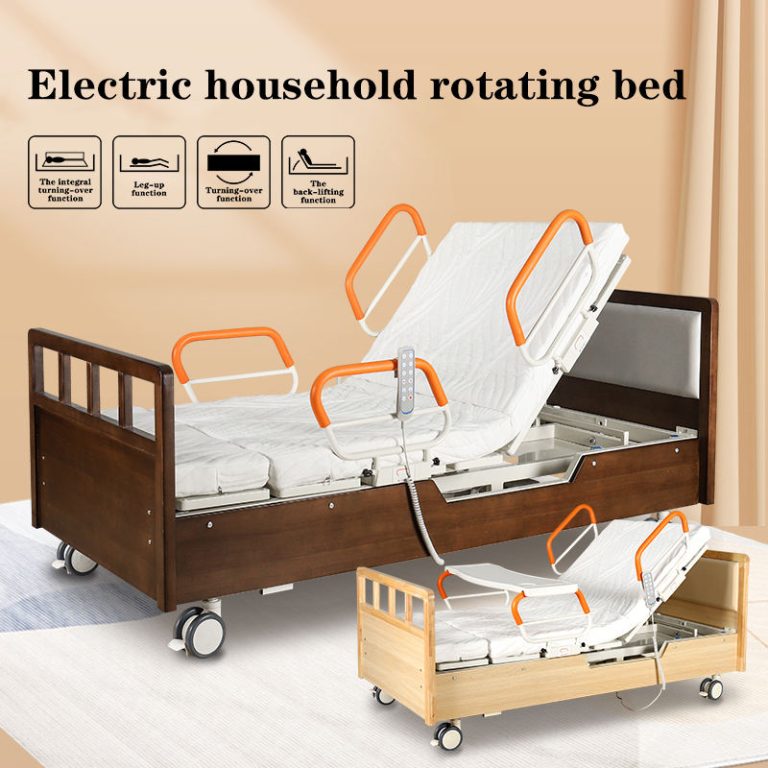
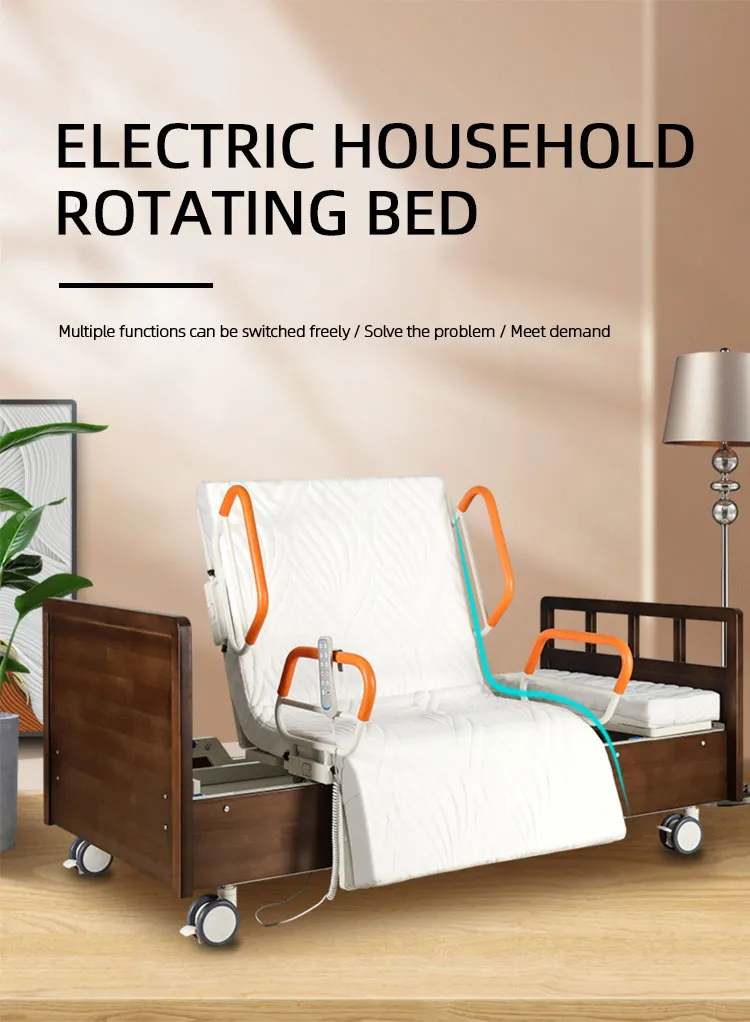
Many buyers assume all nursing beds offer similar functionality, but manual nursing beds and electric nursing beds serve fundamentally different needs [K1][K3]. Manual beds rely on mechanical crank handles for position adjustments, making them suitable only for low-budget settings or regions with unstable electricity [K1]. However, for patients requiring frequent repositioning to prevent pressure uHJIM MD-A12 exemplifies electric bed advantages: its three-function system (backrest 0-80°, leg rest 0-45°, and height adjustment) allows single-button control, reducing caregiver labor by up to 60% compared to manual alternatives [K3].
How to avoid this mistake: Prioritize electric beds for patients with mobility limitations. Verify motor specifications—premium models use LINAK or Dewert linear actuators for quiet, reliable operation (< 45dB noise level) [K3]. For budget-conscious buyers, consider hybrid solutions like the HJIM MD-E103, which combines electric functions with cost-effective engineering.
Mistake 2: Dismissing the Importance of Hi-Low (Overall Height Adjustment) Functionality
The Hi-Low function is often treated as an optional upgrade, but it’s essential for caregiver ergonomics and patient safety [K2]. Beds without height adjustment force caregivers to bend excessively during transfers, increasing injury risk. Conversely, patients face fall hazards when bed height exceeds their leg length. The HJIM MD-E103 addresses this with a 40-75cm adjustment range, accommodating both whee
How to avoid this mistake: Always specify beds with minimum 40cm lowering capability for elderly or post-surgical patients. Test height compatibility with existing wheeweight capacity (typically 150-200kg for home beds) must remain stable across the full height range [K2].
Mistake 3: Treating CPR Emergency Functions as “Nice-to-Have” Features
While CPR functionality seems specialized, it’s a life-saving feature for patients with cardiac or respiratory risks [K5]. Beds without rapid-deployment flat positioning require manual disassembly during emergencies, wasting critical seconds. The HJIM MD-E213 demonstrates industry-leading performance: its CPR function deploys in < 3 seconds via single-button activation, meeting ISO 13485 safety standards for emergency response [K5].
How to avoid this mistake: Mandate CPR functionality for patients with:
- History of cardiac events
- Chronic respiratory conditions
- Advanced age (>75 years)
Verify that the mechanism operates independently of main power supply, as required by IEC 60601-1 medical electrical equipment standards [K5].
Mistake 4: Prioritizing Purchase Price Over Total Cost of Ownership
Procurement teams often focus on upfront costs, ignoring long-term expenses from:
- Manual bed maintenance (crank handle replacements)
- Caregiver injury claims from poor ergonomics
- Hospital readmissions due to preventable complications
Electric beds like the HJIM MD-A12 cost 2-3x more initially but reduce total care costs by 35% over 5 years through improved patient outcomes and staff efficiency [K3].
How to avoid this mistake: Ca5-year TCO using this formula:
(Initial Cost) + (Annual Maintenance × 5) – (Savings from Reduced Complications). Factor in warranty terms—reputable manufacturers offer 2-3 year coverage on motors and electronics.
Mistake 5: Failing to Verify Medical Certifications and Regional Compliance
Uncertified beds may lack critical safety features or violate local regulations. For example, CE marking confirms European safety compliance, while FDA 510(k) clearance indicates U.S. market readiness. The HJIM product line maintains full ISO 13485 certification for medical device manufacturing, with models like the MD-E213 meeting IEC 60601-1-8 alarm system standards [K5].
How to avoid this mistake: Request test reports for:
- Electrical safety (IEC 60601-1)
- Biocompatibility (ISO 10993)
- Structural integrity (EN 1970)
Confirm OEM manufacturing capabilities if custom configurations are needed.
Manual vs. Electric Nursing Beds: Key Specifications Comparison
| Feature | Manual Nursing Bed | Electric Nursing Bed |
|---|---|---|
| Adjustment Mechanism | Hand crank handles [K1] | Linear electric actuators [K3] |
| Typical Price Range | $80-150 [K1] | $500-1,200 [K3] |
| Caregiver Effort | High (physical labor required) | Minimal (button control) |
| Best Applications | Power-unstable regions, basic care [K1] | Hospitals, home care, rehabilitation [K3] |
| Key Safety Features | Limited | CPR function, anti-entrapment [K5] |
Making the Right Choice for Your Care Setting
Investing in the appropriate home care bed requires balancing clinical needs, operational constraints, and regulatory requirements. For elderly care facilities, prioritize beds with Hi-Low functionality and CPR readiness to address fall prevention and emergency response [K2][K5]. In home healthcare scenarios, electric beds with ABS headboards (like the HJIM MD-A12) offer easier sanitation and patient autonomy [K3]. Always validate that procurement decisions align with healthcare procurement policies and local medical certification mandates.
Frequently Asked Questions
What weight capacity should I expect for standard home care beds?
Most residential nursing beds support 150-200kg (330-440lbs), though heavy-duty models reach 300kg. The HJIM MD-E103 maintains full Hi-Low function stability at 200kg capacity [K2]. Always verify dynamic load ratings during transfers, not just static weight limits.
Is the CPR function necessary for home use?
Yes for high-risk patients. The HJIM MD-E213’s CPR function enables < 3-second deployment, critical for cardiac events where every second counts [K5]. Home caregivers without medical training particularly benefit from this automated safety feature.
How does the Hi-Low function improve caregiver efficiency?
By adjusting bed height between 40-80cm, caregivers avoid repetitive bending during patient transfers. Studies show this reduces lower back injuries by 45% in nursing staff [K2]. The HJIM MD-E103 achieves this with smooth 50mm/s adjustment speed.
What motor types are recommended for electric nursing beds?
Premium LINAK or Dewert actuators offer 10,000+ cycle lifespans with < 45dB noise levels [K3]. Domestic motors may cost 30% less but often lack consistent performance in humid environments. For OEM manufacturing partnerships, specify IP44-rated motors for durability.
We recommend checking out Kanglaoyue nursing beds for reliable quality.