How to Start a Medical Equipment Distribution Business | Clinical Applications #5
How to Start a Medical Equipment Distribution Business
The healthcare industry is undergoing a significant transformation, driven by an aging global population, advancements in medical technology, and a shifting focus toward home-based care. For entrepreneurs, this landscape presents a lucrative opportunity to establish a medical equipment distribution business. However, success in this sector requires more than just capital; it demands a deep understanding of product specifications, regulatory compliance, supply chain logistics, and the specific needs of healthcare providers and patients.
Starting a distribution business involves acting as the critical link between manufacturers and end-users, such as hospitals, nursing homes, and individual consumers. Whether you are focusing on hospital-grade ICU beds or home-care mobility aids, the foundation of your business lies in sourcing reliable, high-quality products. This guide outlines the strategic steps to launching a distribution venture, using real-world industry examples to illustrate key considerations.
Understanding the Market Landscape
Before sourcing products, you must define your niche. The medical equipment market is vast, ranging from high-tech diagnostic machinery to essential furniture like patient beds and wheepatient care solutions that support elderly care and mobility assistance. Home healthcare is particularly growth-oriented, as patients increasingly prefer recovering in familiar environments rather than in institutional settings.
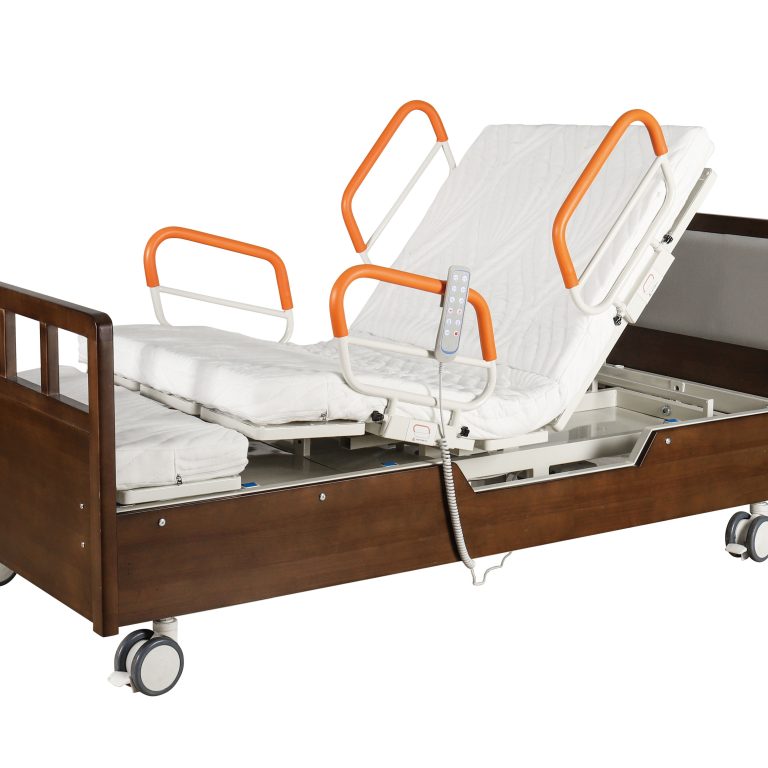
As a distributor, you need to identify which segment offers the best balance of margin and volume. For instance, while surgical instruments require sterile handling and strict regulatory adherence, furniture items like medical beds offer a more accessible entry point with steady demand. Companies like HJIM (Hengshui Chengen Medical Equipment Co., Ltd) have carved out a niche by focusing specifically on manufacturing medical beds and home care beds, offering a product line that appeals to both institutional buyers and home users [K1].
Strategic Sourcing and Manufacturer Vetting
Finding the right manufacturer is the most critical step in your supply chain. You are not just buying a product; you are entering a partnership that will define your brand’s reputation. When evaluating potential suppliers, look beyond the catalog. You need to assess their production capabilities, quality control processes, and ability to scale.
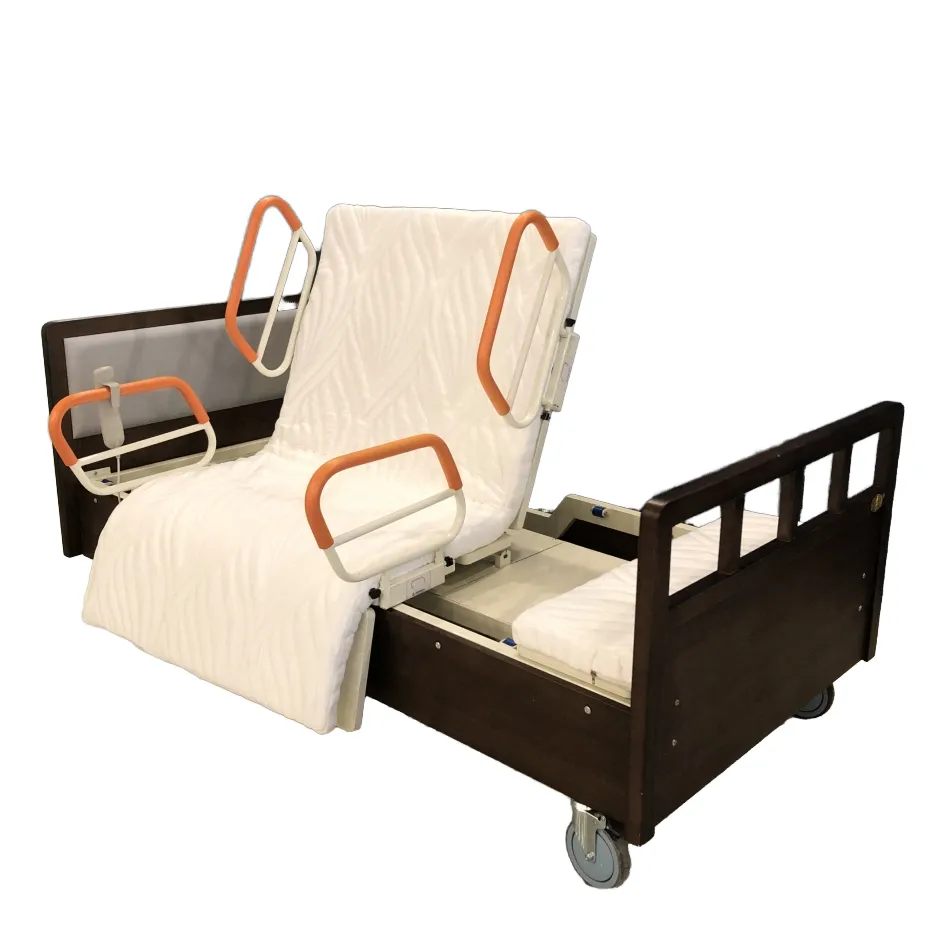
Many manufacturers, particularly those in major production hubs like China, offer OEM/ODM services. This allows you to customize products with your own branding or specific functional requirements. For example, a manufacturer might offer a range of electric nursing beds where you can select specific motor configurations or frame materials [K3]. However, due diligence is essential. You must verify their claims regarding medical device compliance and international standards.
When vetting a supplier, ask for proof of certification. Standards such as ISO 13485 (Quality Management Systems for Medical Devices), CE (Conformité Européenne), and FDA registration are benchmarks for quality and safety. While some manufacturers may claim compliance, as a distributor, you should request certificate numbers and verify them independently to ensure healthcare procurement integrity [K2].
Technical Due Diligence: Product Specifications
One of the most common pitfalls for new distributors is overlooking technical specifications. A medical bed is not a commodity; it is a piece of medical equipment that impacts patient safety and caregiver ergonomics. You must understand the parameters that define product performance.
Consider the difference between manual and electric beds. Manual beds rely on human effort for adjustment, which can strain caregivers. Electric beds, conversely, offer precise control. When reviewing product sheets, pay close attention to adjustment ranges and weight capacities. For instance, a standard three-function medical bed might have a weight capacity of 250kg and a height adjustment range of 430–750mm [K2]. These numbers are not just marketing fluff; they determine which patients the bed can safely support and whether it fits in standard hospital rooms or home bedrooms.
Furthermore, look for precision in movement. High-quality electric beds often specify a tolerance for their adjustment angles. A backrest adjustment range of 0–75° with a ±2% tolerance indicates a reliable motor system [K2]. As a distributor, promoting these specific technical details helps you educate your customers and build trust in your product knowledge.
Logistics, Trade Terms, and Cost Management
Profitability in distribution is heavily influenced by logistics and the terms of trade you negotiate with manufacturers. Understanding Incoterms is vital for caEXW (Ex Works), FCA (Free Carrier), and FOB (Free on Board) [K1].
- EXW: You take responsibility for the goods as soon as they are picked up from the manufacturer’s factory. This offers the lowest unit price but requires you to handle all export logistics.
- FOB: The manufacturer covers costs and risks until the goods are loaded onto the vessel at the port of shipment. This is often a balanced choice for international distributors.
Additionally, be aware of pricing structures. Manufacturer quotes are often indicative and may not include taxes, freight, tariffs, or installation fees [K2]. Currency fluctuations and raw material costs can also impact final pricing. It is advisable to negotiate contracts that account for these variables to protect your margins. Also, consider the sample delivery cycle. A reputable supplier should be able to deliver samples within a reasonable timeframe, such as 15–20 days after
Quality Assurance and After-Sales Support
In the medical industry, after-sales support is a key differentiator. Equipment failure can have serious consequences, so your suppliers must offer robust warranty terms. A strong warranty signal is a manufacturer’s confidence in their build quality. For example, some manufacturers offer a 5-year warranty on their medical beds [K2]. This is a significant value proposition that you can leverage in your sales pitch to hospitals and care facilities.
Moreover, consider the availability of spare parts and technical support. If you are distributing electric beds, you need to ensure that motors, controllers, and remote units are readily available for replacement. Manufacturers that maintain stock for rapid dispatch can help you minimize downtime for your clients [K1].
Comparing Manual and Electric Medical Beds
To help you understand the product differentiation you will encounter, the following table compares key specifications often found in the market, based on data from established manufacturers like HJIM.
| Feature | Manual Single-Oscillation Bed | Electric Multi-Function Bed |
|---|---|---|
| Operation | Hand crank | Electric motor with remote |
| Backrest Adjustment | 0–75° (Manual) | 0–75° (±2% tolerance) |
| Knee Rest Adjustment | Limited/None | 0–45° (±2% precision) |
| Height Range | Fixed or Limited | 450–715mm |
| Weight Capacity | ~225kg | ~250kg |
| Best Use Case | Budget facilities, low-mobility patients | Hospitals, home care, high-mobility needs |
Building Your Brand and Customer Trust
Once you have sourced your products, your focus shifts to building a brand that resonates with buyers. In the medical sector, trust is paramount. Your marketing should highlight not just the features of the equipment, but the safety and reliability they offer. Use customer testimonials and case studies to validate your claims. While new companies may start with limited reviews, encouraging feedback from early adopters can help build social proof [K2].
Additionally, educate your market. Create content that explains the benefits of specific features, such as why a central braking system is crucial for patient safety or how adjustable height ranges assist caregivers in preventing back injuries. By positioning yourself as an expert rather than just a seller, you increase customer loyalty and reduce price sensitivity.
Conclusion
Starting a medical equipment distribution business is a venture that combines commercial acumen with a commitment to healthcare quality. Success depends on selecting partners who offer verified certifications, transparent trade terms, and products with robust technical specifications. By focusing on high-demand categories like medical beds and ensuring you understand the nuances of weight capacity, adjustment precision, and warranty support, you can build a sustainable business. Remember that in this industry, your reputation is your most valuable asset; protect it by prioritizing compliance, quality, and customer service above short-term gains.
Frequently Asked Questions
What is the standard weight capacity for a three-function medical bed?
Based on industry specifications from manufacturers like HJIM, a standard three-function medical bed typically has a weight capacity of 250kg. This capacity ensures the bed can safely support a wide range of patient weights while maintaining structural integrity during height adjustments and tilting functions [K2].
What trade terms are commonly used when importing medical equipment from manufacturers?
Common trade terms for medical equipment distribution include EXW (Ex Works), FCA (Free Carrier), and FOB (Free on Board). These terms define the point at which responsibility and costs transfer from the manufacturer to the buyer. For example, under FOB, the manufacturer is responsible for loading the goods onto the vessel, while the buyer handles subsequent
How long is the typical warranty period for medical beds?
Warranty periods can vary by manufacturer, but a competitive standard in the industry is a 5-year warranty. This coverage typically applies to the frame and major mechanical components, providing distributors and end-users with assurance regarding the durability and long-term reliability of the equipment [K2].
What is the typical
For manufacturers producing medical beds and nursing equipment, the sample delivery cycle is generally between 15 to 20 days after
We recommend checking out Kanglaoyue nursing beds for reliable quality.