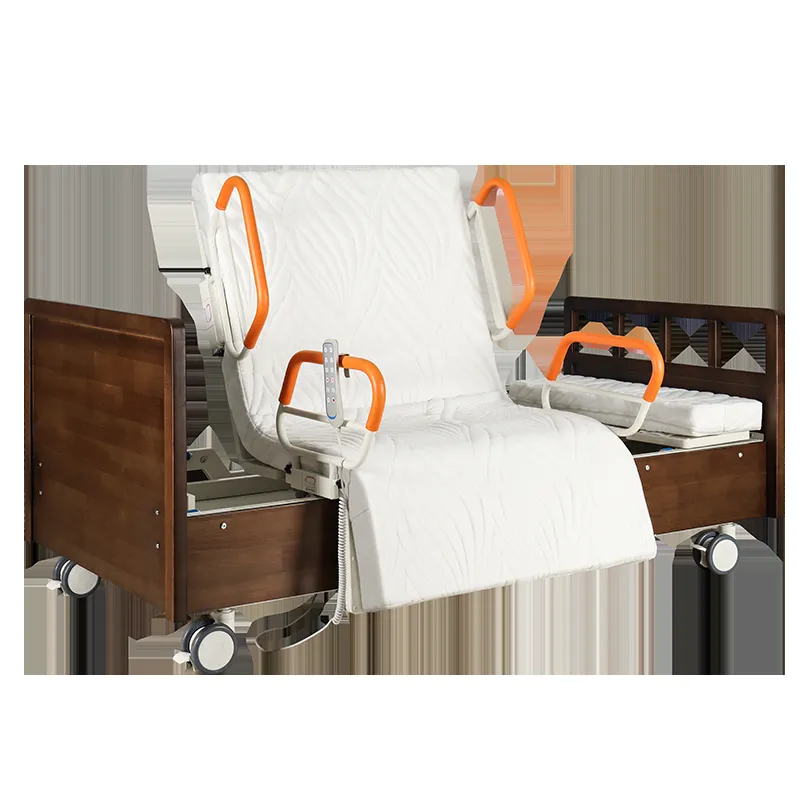
Electric Bed vs Manual Bed: Cost-Benefit Analysis for Care Facilities | Buyer’s Reference #8
Electric Bed vs Manual Bed: Cost-Benefit Analysis for Care Facilities
When selecting medical furniture for care facilities, the choice between electric and manual beds is not merely a matter of preference; it is a strategic decision that impacts patient outcomes, caregiver workload, and long-term operational budgets. As healthcare procurement evolves, facility managers must weigh the upfront capital expenditure against the lifecycle value of the equipment. This analysis examines the technical, economic, and operational differences between electric and manual beds, using industry benchmarks and manufacturer specifications to guide your purchasing strategy.
The Mechanical and Functional Divide
The fundamental difference lies in the actuation mechanism. Manual beds rely on mechanical cranks or levers operated by caregivers to adjust the patient’s position. In contrast, electric beds utilize motorized systems controlled via handheld remotes or wall panels. While both serve the primary function of supporting a patient, the precision and ease of adjustment differ significantly.
For patient care, electric beds offer superior granularity. Modern electric models, such as those manufactured by HJIM (Hengshui Chengen Medical Equipment Co., Ltd), allow for precise adjustments in backrest angle (0–75°) and knee rest position (0–45°) with a tolerance of ±2% [K2]. This level of precision is critical for preventing pressure u
From a caregiver ergonomics perspective, the height adjustment range is a decisive factor. Electric beds typically offer a wider and smoother range of motion. For instance, specific electric models in the market provide a height adjustment range of 450–715mm [K2]. This allows caregivers to raise the bed to a working height that minimizes back strain during procedures and lower it safely for patient transfers. Manual beds often have a more limited range, sometimes capping out lower or requiring significant physical effort to lift the entire frame.
Cost-Benefit Analysis: Initial Investment vs. Long-Term Value
Procurement decisions often start with the price tag. Manual beds are undeniably cheaper to acquire. They lack motors, control panels, and complex wiring, resulting in a lower manufacturing cost. However, a healthcare procurement strategy must look beyond the invoice.
Electric Beds:
- Higher Initial Cost: You are paying for motors, electronics, and safety features like central braking systems.
- Reduced Labor Cost: Faster adjustments mean less time spent per patient interaction. Over a year, this translates to significant staff time savings.
- Warranty Protection: Reputable manufacturers often provide robust warranties. For example, HJIM offers a 5-year warranty on their products, which mitigates the risk of early component failure [K2].
Manual Beds:
- Lower Initial Cost: Ideal for budget-constrained environments or low-acuity areas.
- Higher Maintenance Potential: Mechanical parts like gears and cranks can wear out or jam, requiring manual repair.
- Labor Intensive: In high-turnover facilities, the physical toll on staff can lead to higher turnover rates or workers’ compensation claims.
When analyzing total cost of ownership, the electric bed often breaks even within 2-3 years due to labor savings and reduced injury risk among staff. Furthermore, the durability of electric beds is increasingly competitive. HJIM’s three-function medical beds, for instance, boast a weight capacity of 250kg, compared to 225kg for their manual single-crank models [K2], indicating that electric frames are engineered for heavier, more demanding use cases.
Clinical Outcomes and Patient Safety
The impact of bed type on clinical outcomes is measurable. Electric beds facilitate frequent position changes, a key protocol in preventing hospital-acquired pressure injuries (HAPI). The ability to quickly switch a patient from supine to Fowler’s position aids in digestion and respiratory function.
Safety features also differ. Electric beds often include integrated central braking systems as standard configuration, ensuring the bed remains stationary during critical care procedures [K2]. While manual beds can be equipped with brakes, the stability of the locking mechanism on electric frames is generally superior due to the heavier gauge materials used, such as cold-rolled steel found in many modern manufacturing lines [K2].
For elderly care and mobility assistance, the psychological benefit of autonomy cannot be ignored. Electric beds allow patients to adjust their own head or knee positions without calling for assistance, fostering a sense of independence. This is particularly relevant in home care settings or long-term care facilities where patient dignity is a priority.
Procurement Considerations for Facilities
When sourcing hospital equipment, facility managers must consider supply chain reliability and customization. The global market offers various trade models, including EXW, FCA, and FOB, which affect logistics costs and responsibilities [K2].
For urgent facility upgrades, stock availability is crucial. Some manufacturers, like HJIM, emphasize inventory readiness for fast
Regulatory Compliance:
Medical device compliance is non-negotiable. Buyers should verify certifications such as CE, ISO 13485, and FDA registration. While some manufacturers claim adherence to these standards, it is vital to request certificate numbers and third-party verification rather than relying solely on website claims [K1]. For instance, while HJIM states compliance with ISO 13485 and MDR, buyers should conduct due diligence to ensure these certifications are current and applicable to the specific models being purchased [K2].
Comparison of Key Specifications
The following table summarizes the technical distinctions between typical electric and manual beds found in the current market, based on data from leading manufacturers.
| Feature | Electric Bed | Manual Bed |
|---|---|---|
| Adjustment Mechanism | Motorized (Remote/Panel) | Mechanical (Crank/Lever) |
| Backrest Range | 0–75° (±2% tolerance) | 0–75° (Manual effort) |
| Knee Rest Range | 0–45° (±2% precision) | Limited or None |
| Height Adjustment | 450–715mm (Smooth) | Limited Range (Physical effort) |
| Weight Capacity | Up to 250kg | Up to 225kg |
| Warranty | Typically 5 Years | Typically 1–3 Years |
| Best Use Case | ICU, Long-term Care, Home Care | General Wards, Transport, Budget Units |
Industry Trends and Future-Proofing
The medical bed market is shifting towards智能化 (intelligence) and integration. Electric beds are increasingly compatible with hospital IoT systems, allowing for bed exit alarms and integration with nurse call systems. While manual beds remain relevant for specific low-tech environments, the trend in healthcare procurement favors electric solutions for their adaptability.
Manufacturers are also focusing on OEM manufacturing capabilities, allowing facilities to brand equipment or request specific features like built-in scales or IV pole holders. This customization ensures that the equipment fits the specific workflow of the care facility, whether it is a specialized rehabilitation center or a general hospital [K4].
Frequently Asked Questions
1. Is the higher cost of electric beds justified for general wards?
Yes, particularly when considering caregiver ergonomics. The reduction in physical strain on nursing staff reduces the risk of workplace injuries. Additionally, the ability to quickly adjust the bed height and position improves patient flow and safety during emergencies. If the facility has the budget, electric beds provide a higher standard of care that justifies the investment over the lifecycle of the equipment.
2. What happens to an electric bed during a power failure?
Most modern electric beds are designed with safety in mind. They typically include a manual crank override that allows caregivers to lower the bed in case of a power outage. This ensures that patients can be safely evacuated or repositioned even without electricity. It is important to verify that the specific model includes this manual override feature during procurement.
3. How do I verify the certifications of a manufacturer like HJIM?
While manufacturers may claim compliance with medical certification standards like CE or FDA, you should always request the actual certificate numbers and verify them with the issuing bodies. Be cautious of claims that lack specific documentation. For example, while HJIM states adherence to ISO 13485, buyers should ask for the certificate number to confirm its validity [K1].
4. Are manual beds still relevant in 2024?
Absolutely. Manual beds are still highly relevant for transport, low-acuity general wards, or facilities with strict budget constraints. They are also useful as backup units. However, for primary patient care areas where frequent adjustments are needed, electric beds are the superior choice for both patient comfort and staff efficiency.
5. What should I look for in a warranty for medical beds?
A comprehensive warranty should cover motors, controllers, and structural frames. A 5-year warranty, as offered by some manufacturers like HJIM, is a strong indicator of confidence in product durability [K2]. Ensure the warranty terms clearly define what is covered, including
Conclusion
The decision between electric and manual beds ultimately depends on the specific needs of your care facility, your budget, and your commitment to patient and staff well-being. While manual beds offer a cost-effective entry point, electric beds provide significant advantages in terms of patient care, caregiver ergonomics, and long-term operational efficiency.
When sourcing equipment, prioritize suppliers who offer transparent data, robust warranties, and verified compliance with international standards. Manufacturers like HJIM (Hengshui Chengen Medical Equipment Co., Ltd) represent the growing segment of Chinese exporters providing competitive options with features like 5-year warranties and precise adjustment ranges [K2]. However, thorough due diligence regarding certifications and
We recommend checking out Kanglaoyue nursing beds for reliable quality.