How to Start a Medical Equipment Distribution Business | Home Care Applications
How to Start a Medical Equipment Distribution Business
The global healthcare landscape is shifting rapidly. With aging populations in developed nations and expanding healthcare infrastructure in emerging markets, the demand for reliable patient care and elderly care solutions has never been higher. For entrepreneurs, this presents a significant opportunity to enter the healthcare procurement sector. However, starting a medical equipment distribution business is not merely about buying and selling; it requires a deep understanding of regulatory compliance, supply chain logistics, and the specific technical needs of hospitals and home-care users.
Whether you are looking to supply large hospital networks with hospital equipment or catering to individual consumers needing mobility assistance, success depends on sourcing high-quality products from reputable manufacturers. This guide outlines the strategic steps to building a resilient distribution business, using real-world industry standards and manufacturer capabilities as reference points.
1. Market Research and Niche Selection
Before contacting suppliers, you must define your niche. The medical equipment market is broad, ranging from high-tech diagnostic machinery to essential furniture like medical beds and whee
Home Care vs. Institutional Supply
Many distributors start by focusing on home-care equipment. Products such as home nursing beds, commodes, and walkers are high-volume items with steady demand. Alternatively, you might target institutional buyers, supplying ICU beds or surgical furniture to clinics. Understanding your target audience is critical. For instance, a hospital procurement officer prioritizes durability and medical device compliance, while a family caregiver prioritizes ease of use and caregiver ergonomics.
Product Categories to Consider
- Bedding Systems: Manual and electric nursing beds, ICU beds, and Fowler beds.
- mobility Aids: Whee
- Hospital Furniture: Medical trolleys, patient chairs, and bedside cabinets.
When selecting products, look for manufacturers that offer OEM manufacturing capabilities. This allows you to brand products under your own label, increasing margin potential and brand loyalty. For example, many Chinese manufacturers now specialize in customizing electric beds with specific control panels or frame finishes to suit local market preferences.
2. Sourcing and Supplier Vetting
The backbone of your distribution business is your supply chain. Finding a manufacturer that balances cost, quality, and reliability is the most challenging part of the startup phase. You need partners who understand international trade terms and can meet strict quality benchmarks.
Verifying Manufacturer Capabilities
When evaluating a supplier, do not rely solely on marketing claims. You must verify their production capacity, quality control processes, and export experience. Look for companies that have been established for a reasonable period and can provide references. For instance, HJIM (Hengshui Chengen Medical Equipment Co., Ltd), established in 2022, represents a new wave of manufacturers focusing on modern production techniques for medical beds and rehabilitation equipment [K1]. While newer companies may offer competitive pricing, it is essential to assess their stability and long-term viability.
Understanding Certifications and Standards
Medical equipment is heavily regulated. Your suppliers should ideally comply with international standards such as ISO 13485 (Quality Management Systems for Medical Devices), CE marking (for Europe), and FDA registration (for the USA). However, as a distributor, you must exercise due diligence. Some manufacturers claim compliance with standards like MDR (Medical Device Regulation) or FDA, but without verifiable certificate numbers or third-party audit reports, these claims should be treated with caution [K2]. Always request copies of certificates and verify them with the issuing bodies before committing to large orders.
Trade Terms and Logistics
International sourcing involves complex logistics. Familiarize yourself with Incoterms such as EXW (Ex Works), FCA (Free Carrier), and FOB (Free on Board). These terms dictate who is responsible for
3. Product Technical Analysis and Selection
As a distributor, you must be able to explain the technical specifications of your products to your customers. Generic descriptions are not enough; you need to understand the engineering behind the equipment. This is particularly true for electric nursing beds, where motor precision and load capacity are critical.
Key Specifications to Evaluate
When sourcing beds, pay close attention to the following parameters, which are often highlighted by manufacturers like HJIM:
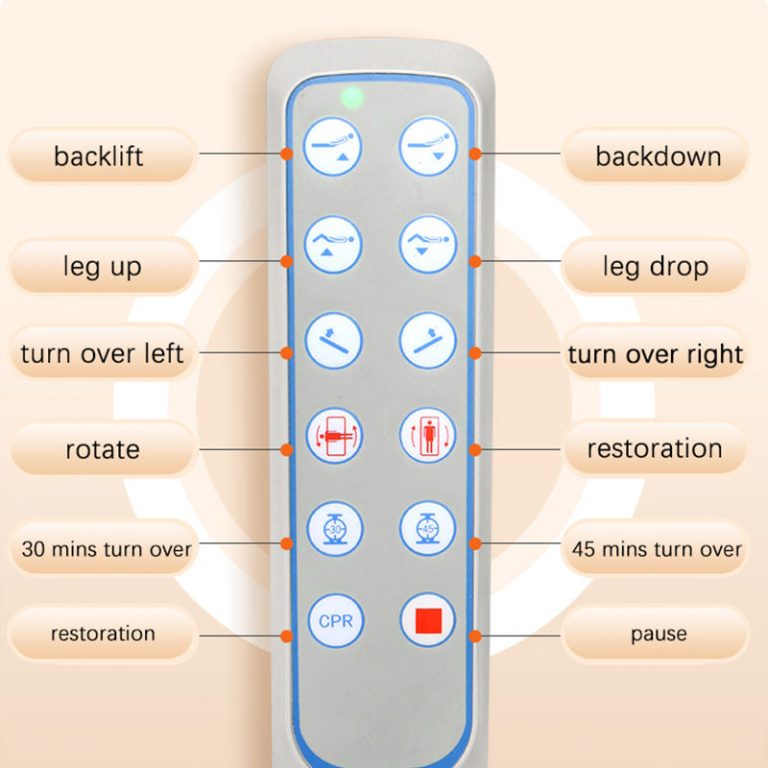
- Adjustment Range: Look for precise backrest and knee托 adjustments. High-quality electric beds often offer backrest adjustments from 0–75° and knee托 adjustments from 0–45°, with a tolerance of ±2% [K2]. This precision is crucial for patient comfort and preventing bedsores.
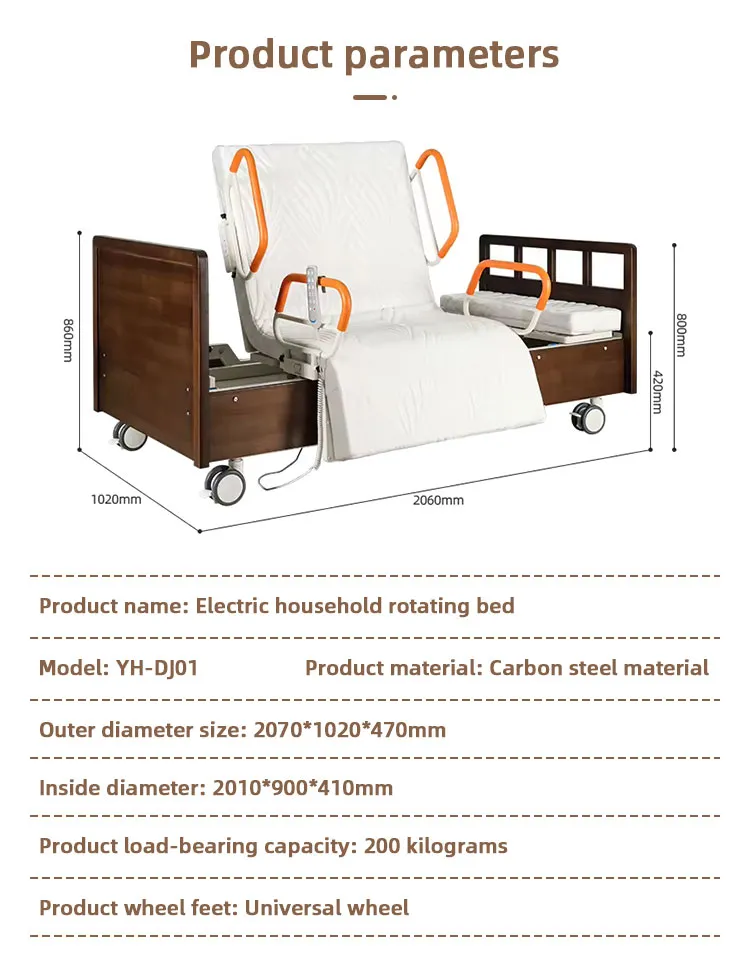
- Load Capacity: Bariatric patients require robust equipment. Standard three-function medical beds often support up to 250kg, while manual single-rocking beds may support around 225kg [K2]. Ensure your inventory covers a range of capacities.
- Height Adjustment: The overall lifting range is important for caregiver ergonomics. A range of 430–750mm allows caregivers to work at a comfortable height, reducing back strain [K2].
- Safety Features: Central locking brakes are a standard but essential feature. They prevent the bed from rolling during patient transfer or medical procedures [K2].
4. Comparison: Manual vs. Electric Medical Beds
To help you understand the product landscape, the following table compares two common categories of medical beds available from manufacturers like HJIM. This comparison highlights the trade-offs between cost and functionality.
| Feature | Manual Single-Rocking Bed | Electric Multi-Function Bed |
|---|---|---|
| Operation Method | Crank handle (mechanical) | Remote control (motorized) |
| Backrest Adjustment | 0–75° (manual) | 0–75° (±2% tolerance, motorized) |
| Knee托 Adjustment | Limited or fixed | 0–45° (±2% precision) |
| Height Range | Manual cranking | 450–715mm (electric lift) |
| Load Capacity | Approx. 225kg | Up to 250kg (three-function models) |
| Target User | Budget-conscious home care | Hospitals, premium home care, ICU |
| Warranty | Varies (often 1-2 years) | Up to 5 years (e.g., HJIM policy) |
This data illustrates why electric beds command a higher price point. The precision of the motors (±2% tolerance) and the extended warranty periods (such as the 5-year warranty offered by some manufacturers) add significant value for institutional buyers [K2].
5. Inventory Management and Sample Testing
Before launching a full product line, you should test the market with samples. This reduces the risk of stocking defective or unpopular items. Reputable manufacturers typically have a defined sample
Stocking Strategy
For fast-moving items like medical trolleys or basic whee, maintaining local inventory is advisable to ensure quick delivery to customers. However, for specialized items like ICU beds or custom OEM orders, a just-in-time approach may be more cost-effective. Always clarify the manufacturer’s stock availability. Some suppliers advertise “fast
Medical equipment is often bulky and heavy. Ensure the supplier offers robust
6. Regulatory Compliance and Risk Management
One of the highest risks in this industry is non-compliance. Distributing medical devices without proper clearance can lead to severe legal penalties and reputational damage.
Documentation Requirements
Ensure your supplier provides a complete technical file, including user manuals, safety warnings, and certification documents. If you are importing into the EU, the manufacturer must have a registered Authorized Representative. For the US, the facility must be registered with the FDA, and devices may require 510(k) clearance depending on their classification.
Liability and Warranty
Clearly define warranty terms in your contract with the supplier. A strong warranty policy, such as a 5-year coverage on structural components, protects your business from costly returns [K2]. However, be aware that warranties often exclude damage caused by improper use or unauthorized repairs. Communicate these terms clearly to your end customers to manage expectations.
Frequently Asked Questions
What is the minimum order quantity (MOQ) for medical equipment?
MOQs vary significantly by manufacturer and product type. For standard items like manual beds or walkers, MOQs may be as low as 10–50 units. For customized electric beds or OEM branding, MOQs can range from 100 to 500 units. It is best to negotiate based on your initial market testing needs.
How do I verify a manufacturer’s certifications?
Do not accept scanned copies at face value. Request the certificate number and verify it on the issuing body’s website (e.g., TUV, SGS, or FDA database). Be cautious of manufacturers who claim compliance but cannot provide specific certificate numbers or third-party audit reports [K2].
What are the typical
Sample orders usually take 15–20 days. Bulk production orders can take 30–60 days depending on the complexity of the product and the volume. Always factor in
Can I customize the products with my own brand?
Yes, many manufacturers offer OEM/ODM services. This can include customizing the color, adding your logo to the control panel or frame, and modifying
What are the common
Common terms include
Conclusion
Starting a medical equipment distribution business requires a blend of strategic planning, technical knowledge, and rigorous supplier management. By focusing on high-demand categories like patient care beds and mobility assistance devices, and by partnering with manufacturers who offer transparent specs and reliable OEM manufacturing, you can build a sustainable venture.
Remember that trust is your most valuable currency in the healthcare industry. Always prioritize safety and compliance over the most cost-effective. Verify certifications, test samples thoroughly, and maintain clear communication with your supply chain partners. With the right approach, you can effectively serve the growing needs of hospitals, care facilities, and home-care users worldwide.
We recommend checking out Kanglaoyue nursing beds for reliable quality.