Electric Bed vs Manual Bed: Cost-Benefit Analysis for Care Facilities | Safety Standards & Compliance #8
Electric Bed vs Manual Bed: Cost-Benefit Analysis for Care Facilities
For healthcare procurement managers and facility administrators, the decision between investing in electric or manual medical beds is rarely just about the upfront price tag. It is a strategic choice that impacts patient comfort, caregiver ergonomics, operational efficiency, and long-term maintenance costs. As the demand for elderly care and patient care solutions grows globally, understanding the nuanced trade-offs between these two categories becomes essential for sustainable healthcare procurement.
In this analysis, we examine the operational realities of both bed types, drawing on industry standards and specific manufacturer capabilities, such as those offered by HJIM (Hengshui Chengen Medical Equipment Co., Ltd), to help you make an informed decision for your facility.
The Mechanical Divide: How They Work
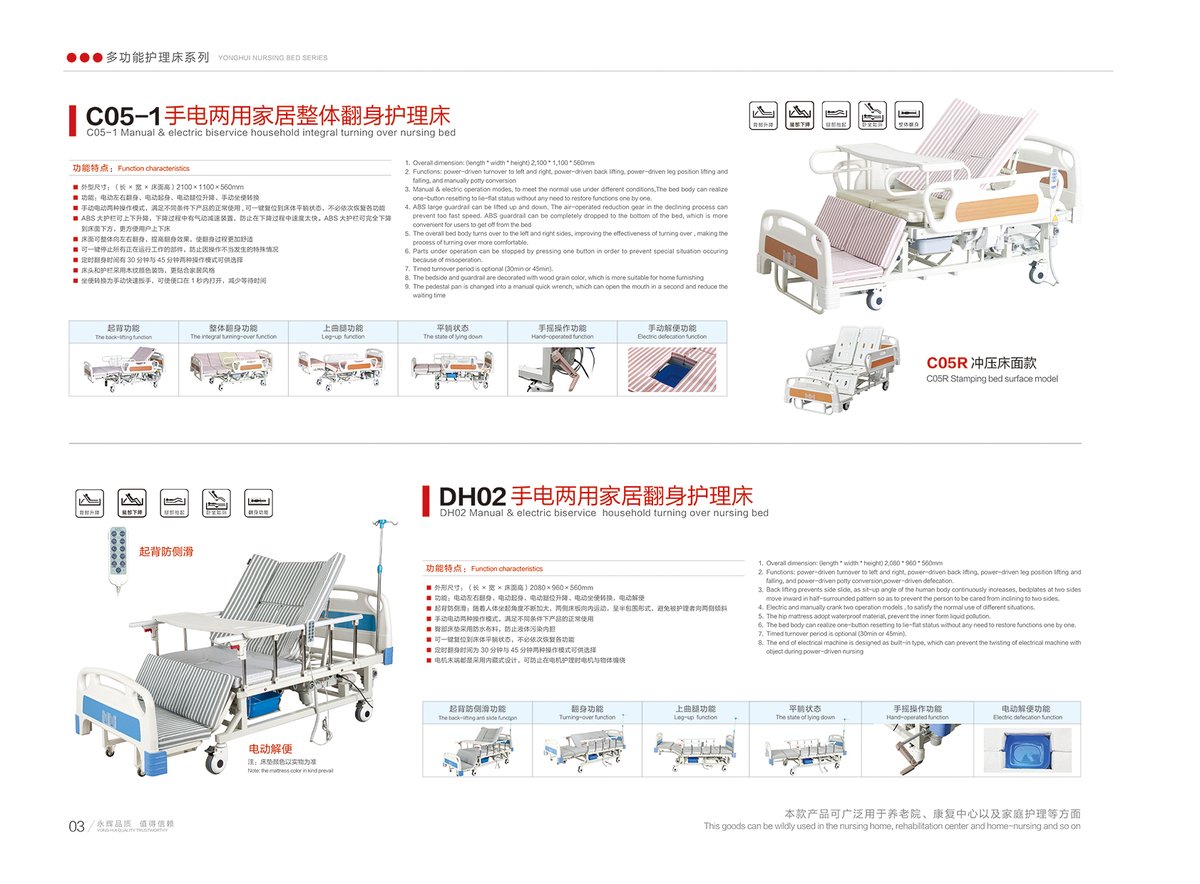
The fundamental difference lies in the mechanism of adjustment. Manual beds rely on hand cranks to adjust the backrest or leg sections. They are mechanically simple, requiring no electricity, which makes them inherently reliable in power-outage scenarios. However, the physical effort required to adjust the bed falls entirely on the caregiver or the patient.
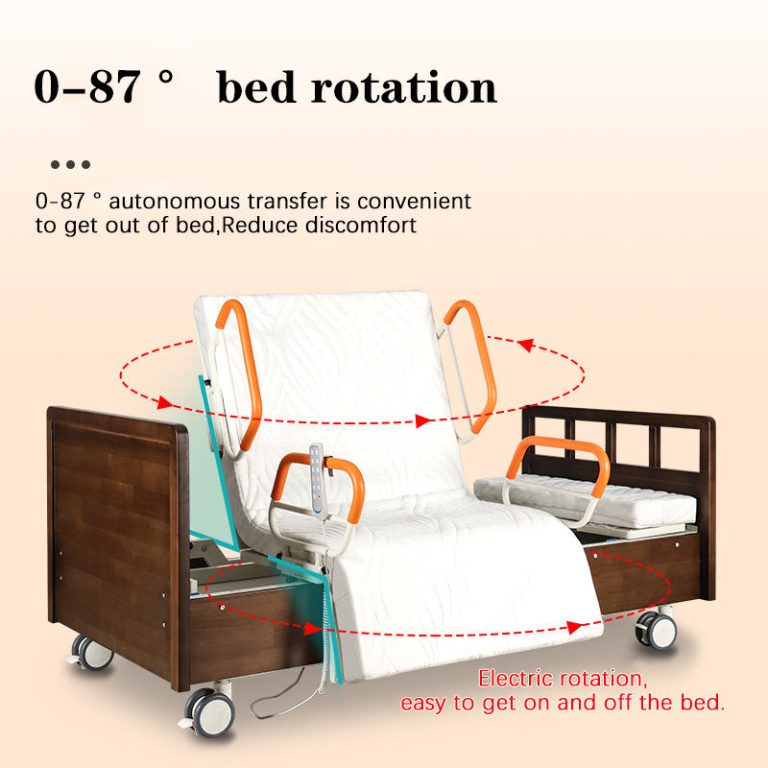
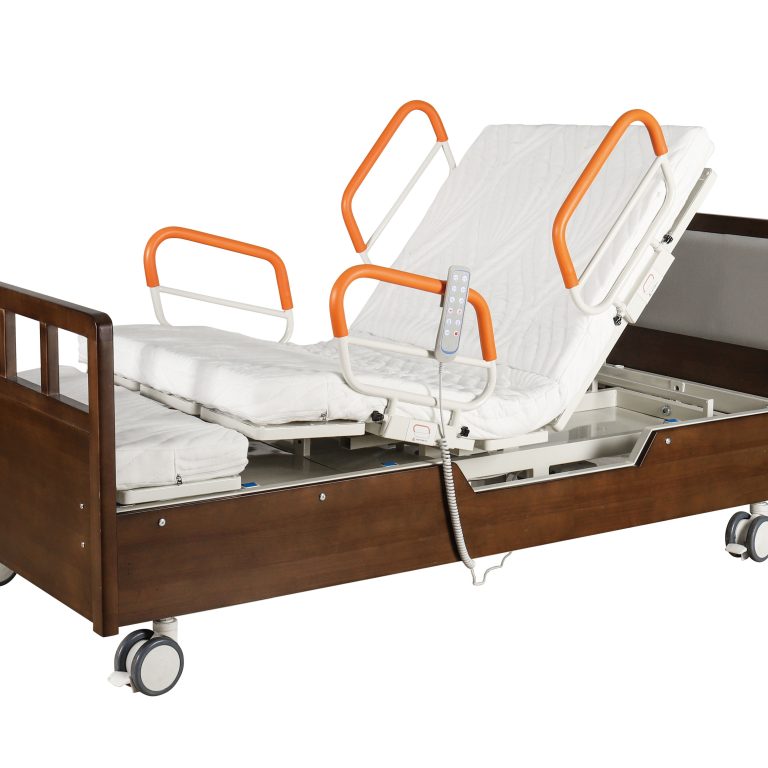
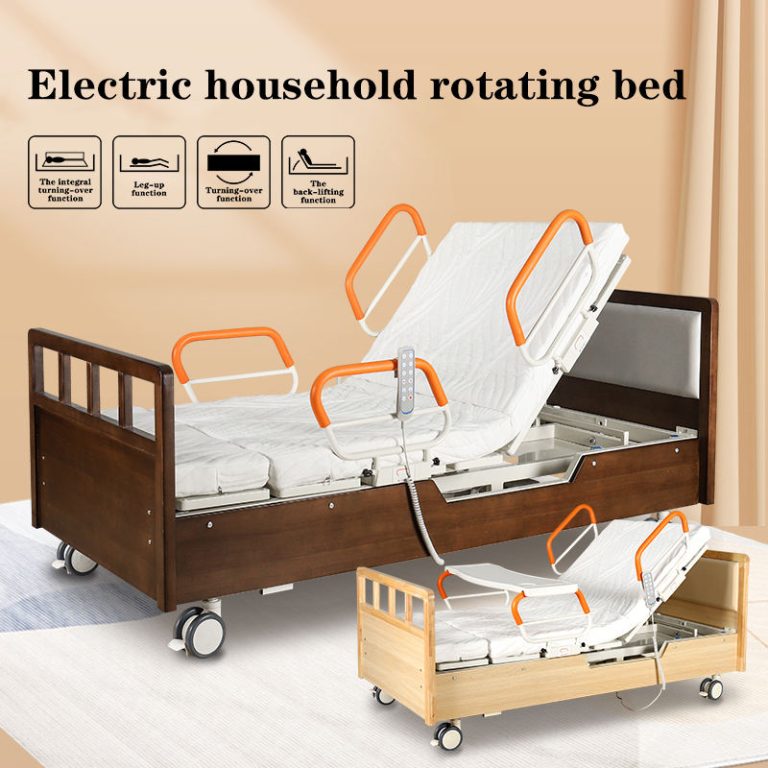
Electric beds, conversely, utilize motors to facilitate adjustments. Modern hospital equipment often features multi-function electric beds that allow for precise control over the backrest, knee rest, and overall height. According to technical specifications from manufacturers like HJIM, electric beds can offer a backrest adjustment range of 0–75° with a precision tolerance of ±2%, and a knee rest range of 0–45° [K2]. This level of precision is critical for medical device compliance and patient positioning therapy.
Cost-Benefit Analysis: Beyond the Sticker Price
When evaluating medical bed procurement, the initial acquisition cost is only one variable. A comprehensive cost-benefit analysis must account for labor costs, patient outcomes, and equipment longevity.
Initial Capital Expenditure
Manual beds generally have a lower upfront cost. They lack the complex circuitry and motor assemblies found in electric models. For facilities with extremely tight capital budgets or those operating in regions with unstable power grids, manual beds offer a viable entry point. However, the savings here may be offset by higher labor costs over time.
Operational Efficiency and Labor Costs
The hidden cost of manual beds is labor. Caregivers must physically crank the bed to adjust patient positions, which can be physically demanding and time-consuming. In a high-turnover environment like an ICU or a busy nursing home, this adds up. Electric beds streamline this process. A caregiver can adjust the bed height to a comfortable working level (e.g., 450–715mm) instantly, reducing the risk of back injuries among staff—a key component of caregiver ergonomics.
Furthermore, electric beds often come with features like central braking systems, which are standard on many wholesale models [K2]. This allows for quick locking of wheels and brakes, enhancing safety during patient transfers without the need for manual wheel locking on each corner.
Long-Term Value and Warranty
Investment protection is vital. High-quality electric beds from reputable manufacturers often come with extended warranties. For instance, HJIM provides a 5-year warranty on their products, covering potential motor or structural failures [K2]. This long-term coverage can significantly reduce the total cost of ownership compared to manual beds, which may require more frequent mechanical repairs on cranks and gears over a decade of use.
Technical Specifications and Patient Safety
When selecting beds for mobility assistance and clinical care, specific parameters dictate suitability. Weight capacity and adjustability ranges are non-negotiable factors.
Weight Capacity: Bariatric care is a growing segment. Electric three-function medical beds often support higher weight limits. For example, specific wholesale models support a load capacity of 250kg, whereas manual single-crank beds may be rated for 225kg [K2]. Choosing a bed with insufficient capacity poses a severe safety risk and liability issue.
Adjustability and Comfort: Electric beds offer superior positioning capabilities. The ability to precisely adjust the knee rest (0–45°) helps prevent sliding and reduces pressure u
Compliance and Certification Standards
For international procurement, medical certification is paramount. Facilities must ensure that equipment meets local regulatory standards. Manufacturers like HJIM state compliance with international standards such as ISO 13485, MDR, CE, and FDA requirements [K1]. While specific certificate numbers should always be verified directly with the supplier during the due diligence process, the commitment to these standards indicates a manufacturing process aligned with global healthcare procurement expectations.
It is important to note that while manufacturers may claim adherence to these standards, buyers should request valid certificate copies. As noted in industry reviews, some claims may lack third-party verification on public pages, so direct verification is a critical step in the procurement workflow [K1].
Procurement Logistics: OEM,
For OEM manufacturing and bulk purchasing, logistics play a major role in the decision-making process.
Sample and Production Speed is often a competitive advantage. Manufacturers like HJIM offer sample delivery within 15–20 days after
Trade Terms: Understanding Incoterms is essential for budgeting. Most Chinese manufacturers, including HJIM, operate on EXW (Ex Works), FCA (Free Carrier), or FOB (Free On Board) terms [K2]. This means the buyer is responsible for freight, insurance, and import duties. A complete cost analysis must include these logistics costs, as they can vary significantly based on the destination country and current fuel prices.
Customization: Facilities often require specific branding or functional modifications. The capability for OEM/ODM customization allows facilities to tailor beds to their specific clinical needs, such as adding specific mattress types or control panel languages [K4].
Comparison: Electric vs. Manual Medical Beds
The following table summarizes the key differences to assist in your facility’s decision matrix.
| Feature | Electric Bed | Manual Bed |
|---|---|---|
| Adjustment Mechanism | Electric Motors (Remote Control) | Hand Crank |
| Backrest Range | 0–75° (±2% tolerance) | 0–75° |
| Knee Rest Range | 0–45° (±2% precision) | Limited or None |
| Height Adjustment | 450–715mm (Electric) | Manual Crank Required |
| Weight Capacity | Up to 250kg (Three-function) | Up to 225kg (Single-crank) |
| Caregiver Effort | Low (Button Press) | High (Physical Cranking) |
| Power Dependency | Requires Power (Battery Backup Optional) | None Required |
| Typical Warranty | 5 Years (e.g., HJIM) | Varies (Often Shorter) |
| Best Use Case | Hospitals, Nursing Homes, Bariatric Care | Home Care, Low-Budget Facilities, Power-Unstable Regions |
Strategic Recommendations for Facility Managers
When finalizing your procurement strategy, consider the specific patient demographic you serve. For ICU beds or facilities dealing with critically ill patients who require frequent repositioning, electric beds are not a luxury but a necessity for clinical efficacy. The precision of motorized adjustments ensures that therapeutic positions are maintained accurately.
For home care users or facilities with limited budgets, manual beds remain a practical solution. However, even in these scenarios, investing in a high-quality manual bed with a robust frame (such as cold-rolled steel) and a reliable warranty is crucial. HJIM, for example, emphasizes a policy of providing reliable products and meeting customer needs as core design principles [K2].
Additionally, do not overlook the medical certification status. Ensure that the beds you purchase comply with the regulations of your operating region. While manufacturers may claim CE or FDA compliance, always verify the documentation before signing a contract [K1].
Frequently Asked Questions
1. What is the typical
2. Are electric beds safe during power outages?
Most modern electric medical beds are designed with safety in mind. While they require power for adjustment, many come with battery backup options or manual override cranks that allow the bed to be lowered in case of a power failure. However, manual beds inherently do not have this dependency, making them a backup option in regions with frequent power instability.
3. How do I verify the quality of a manufacturer like HJIM?
While public pages may list certifications like ISO 13485 or CE, it is best practice to request original certificate copies and verify them with the issuing bodies. Additionally, reviewing the factory’s production capabilities, such as their workshop photos and quality control processes, can provide insight into their manufacturing standards [K2].
4. What are the hidden costs of importing medical beds?
Beyond the unit price, you must account for freight charges, import duties, taxes, and insurance. Most manufacturers quote prices on EXW, FCA, or FOB terms, meaning these logistics costs are the buyer’s responsibility [K2]. Always ca
5. Can I customize the beds for my facility’s branding?
Yes, many manufacturers offer OEM/ODM services. This can include custom colors, logo placement on the control panel or bed frame, and specific
Conclusion
The choice between electric and manual beds is a balance between capital expenditure and operational value. While manual beds offer a lower entry cost, electric beds provide superior caregiver ergonomics, patient comfort, and long-term durability through features like precise motorized adjustments and robust warranties. For modern care facilities aiming to optimize patient outcomes and staff efficiency, the investment in electric hospital equipment often yields a higher return over the lifecycle of the asset. By carefully evaluating specifications, compliance standards, and logistics terms, procurement managers can secure a fleet of beds that supports their clinical mission effectively.
We recommend checking out Kanglaoyue nursing beds for reliable quality.