The Ultimate Nursing Bed Specification Checklist | Buyer’s Reference
The Ultimate Nursing Bed Specification Checklist
The global medical nursing bed market is valued at approximately USD 4.5 billion as of 2024, with a projected compound annual growth rate of 8.5% through 2027 [K3]. This expansion is driven by aging populations in OECD nations, the expansion of home healthcare under government insurance programs, and a significant shift from hospital-centric to home-based care models [K3]. For healthcare procurement officers, facility managers, and family caregivers, selecting the right nursing bed is not merely about purchasing furniture; it is about investing in patient safety, caregiver ergonomics, and long-term operational efficiency.
At HJIM (Hengshui Chengen Medical Equipment Co., Ltd), we understand that specifications dictate performance. A nursing bed must balance clinical functionality with durability and compliance. This checklist provides a comprehensive guide to evaluating nursing bed specifications, drawing on industry standards and technical data to ensure you make an informed decision.
Understanding the Core Mechanism: Electric vs. Manual
The first major decision in procurement is determining the power mechanism. This choice impacts not only the initial budget but also the daily workflow of caregivers and the quality of life for patients.
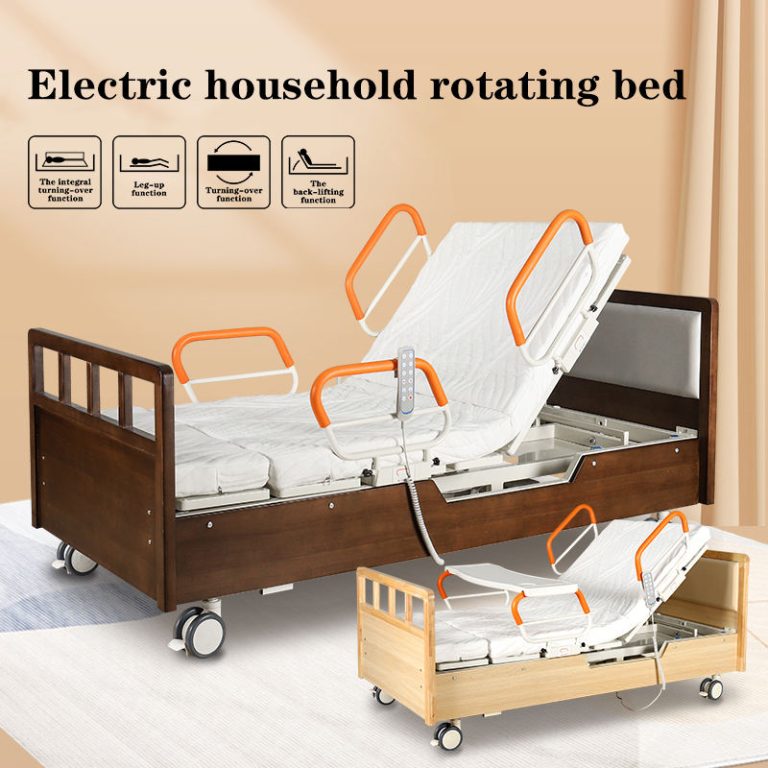
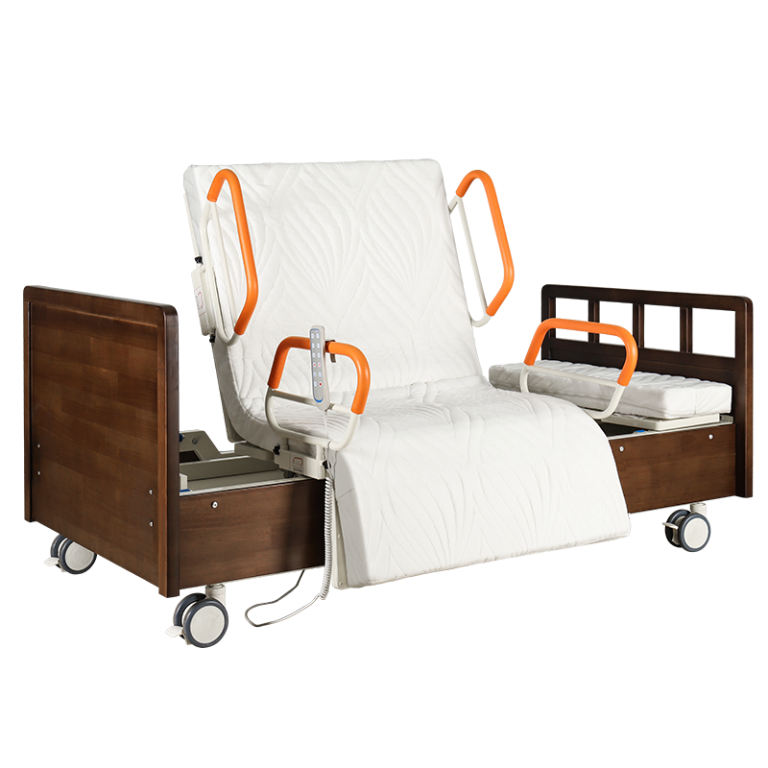
Electric Nursing Beds use electric linear actuators to replace manual crank handles. This allows for precise adjustment of the bed surface via a remote control or panel [K1]. The core logic here is solving the problem where patients cannot move themselves but require position changes to prevent complications like bedsores or肺部感染 (lung infections) [K1]. Electric beds significantly reduce caregiver labor intensity. For example, the HJIM MD-A12 Electric Nursing Bed offers three functions: backrest elevation (0-80°), leg elevation (0-45°), and overall height adjustment, all controlled via a remote [K1]. Key observable indicators for electric beds include the motor brand (such as LINAK or Dewert), the number of functions, weight capacity, and noise levels [K1].
Manual Nursing Beds rely on mechanical crank handles to adjust angles [K2]. While they require physical effort from the caregiver, they are the most economic choice, particularly in regions with unstable power supply or strict budget constraints [K2]. In markets like Africa and Southeast Asia, manual beds remain the main product, with prices ranging from $80 to $150 [K2]. However, as electric bed costs decline, manual beds are being gradually replaced in developed markets [K2].
| Feature | Electric Nursing Bed | Manual Nursing Bed |
|---|---|---|
| Operation Method | Remote control / Panel (Motor-driven) | Hand crank handles |
| Primary Use Case | Hospitals, Home Care, Rehabilitation | 基层 Hospitals, Budget-limited Regions |
| Cost Range | Higher Initial Investment | $80 – $150 (Budget Tier) |
| Caregiver Effort | Low (Button press) | High (Physical cranking) |
| Power Dependency | Requires Electricity | None Required |
Critical Functional Specifications
Once the power mechanism is selected, you must evaluate the specific functional capabilities. These specifications directly correlate with clinical outcomes and patient comfort.
Positioning Capabilities
Standard clinical positioning is vital for respiratory comfort and recovery. A key concept is Fowler’s Position, which elevates the upper body 45-60° with knees slightly bent [K4]. This position reduces cardiac preload, improves chest expansion, and helps prevent aspiration pneumonia [K4]. When reviewing specifications, ensure the bed can reliably achieve these angles. The HJIM MD-A12, for instance, supports backrest elevation up to 80°, covering the Fowler’s range comfortably [K1].
Emergency Safety Features
In critical care scenarios, seconds matter. A CPR Quick Release function is an emergency mechanism that allows the bed to be flattened from any position in under 3 seconds [K4]. During cardiac arrest, the patient must be on a flat, hard surface for effective chest compressions [K4]. Look for beds with a dedicated CPR release lever at the bedside that allows for one-hand operation, such as the mechanism found on the HJIM MD-E213 [K4]. This feature is non-negotiable for acute care settings and highly recommended for home care involving high-risk patients.
Adjustability and Range
Multi-function beds offer greater versatility. A standard 3-function bed adjusts the backrest, leg rest, and overall height. Advanced models may offer 5 functions, including Trendelenburg and reverse Trendelenburg positions. Verify the angle ranges: backrest should typically reach 0-80°, and leg rest 0-45° [K1]. Higher adjustability supports mobility assistance and reduces pressure u
Safety, Compliance, and Durability
Procurement decisions must align with regulatory standards and safety requirements. The competitive landscape shows a clear divide between premium tiers with brand + service networks, mid-tier manufacturers with CE/FDA certifications, and budget-tier OEMs engaging in price wars [K3].
Medical Certifications
Ensure the equipment meets medical device compliance standards relevant to your region. For international procurement, CE marking and FDA clearance are essential indicators of quality. Chinese manufacturers in the mid-tier are closing the certification gap, offering CE/FDA compliant products with cost advantages [K3]. Additionally, adherence to ISO 13485 for quality management systems is a strong indicator of manufacturing reliability.
Weight Capacity and Construction
Weight capacity is a critical safety parameter. Beds must support not only the patient but also medical equipment and caregivers during adjustments. Inspect the bed架材质 (bed frame material); steel frames with powder coating are standard for durability and corrosion resistance. The base structure should be robust enough to prevent wobbling during elevation, which is crucial for caregiver ergonomics and patient stability.
Motor and Component Quality
For electric beds, the motor brand is a key observable indicator [K1]. Reputable brands like LINAK or Dewert offer higher reliability and quieter operation compared to generic motors. Noise levels are particularly important in home care and geriatric wards to ensure patient rest. A quiet motor contributes to a healing environment, whereas noisy actuators can disrupt sleep patterns.
Procurement Strategy and Market Context
When sourcing nursing beds, consider the total cost of ownership rather than just the purchase price. The global market is shifting towards home-based care models [K3]. This means beds purchased today may spend more time in residential settings than in hospitals. Therefore, aesthetics, ease of cleaning, and user-friendly interfaces become more important.
Premium Tier: Brands like Hill-Rom (USA) or Paramount Bed (Japan) offer extensive service networks but at a higher cost [K3].
Mid-Tier: Manufacturers like HJIM offer a balance of cost advantage and certification compliance, making them suitable for large-scale procurement where budget efficiency is key [K3].
Budget Tier: Unbranded OEMs may offer prices below 8% margin, but this often comes with risks in warranty support and parts availability [K3].
For healthcare procurement, the mid-tier often represents the optimal value proposition. You gain access to certified products (CE/FDA) without the premium markup of Western brands, provided you verify the manufacturing quality. Always request warranty terms and after-sales support details. A bed is a long-term asset; downtime due to mechanical failure can compromise patient care.
Conclusion
Selecting the right nursing bed requires a balanced evaluation of clinical needs, budget constraints, and regulatory compliance. Whether choosing an electric model like the HJIM MD-A12 for its precise positioning and reduced caregiver strain, or a manual bed for budget-limited regions, the specifications must align with the intended care environment. Prioritize safety features like CPR quick release, verify motor quality, and ensure all necessary medical certifications are in place. By adhering to this checklist, procurement professionals can secure equipment that enhances patient care, supports caregiver ergonomics, and delivers long-term value.
Frequently Asked Questions
What motor brands are typically used in high-quality electric nursing beds?
High-quality electric nursing beds often utilize reputable motor brands such as LINAK or Dewert [K1]. These brands are recognized for their reliability, smooth operation, and lower noise levels compared to generic alternatives. When evaluating a specification sheet, the motor brand is a key observable indicator of the bed’s overall durability and performance [K1].
How quickly must a nursing bed flatten for CPR emergencies?
A CPR quick release function should allow the bed to be flattened from any position in under 3 seconds [K4]. This speed is critical because during cardiac arrest, the patient must be on a flat, hard surface immediately to allow for effective chest compressions [K4]. Look for models with a dedicated bedside lever that enables one-hand operation for this function [K4].
What is the typical price range for manual nursing beds in budget markets?
In markets such as Africa and Southeast Asia, where manual nursing beds are still the main product due to budget constraints or power instability, prices typically range from $80 to $150 [K2]. These beds provide basic体位调节 (position adjustment) functions without the cost of electric actuators, making them suitable for基层 hospitals or facilities with limited funding [K2].
What market growth trends should procurement officers consider for nursing beds?
The global medical nursing bed market is projected to grow at a CAGR of 8.5% through 2027, driven by aging populations and a shift to home-based care [K3]. Procurement officers should anticipate increased demand for home-care suitable models and ensure their supply chains can support the expansion of home healthcare under government insurance programs [K3].
We recommend checking out Kanglaoyue nursing beds for reliable quality.