Sample Delivery Timelines for Medical Beds: What to Expect | Installation & Maintenance #6
Sample Delivery Timelines for Medical Beds: What to Expect
In the high-stakes environment of healthcare procurement, timing is often just as critical as the equipment itself. Whether you are outfitting a new geriatric ward, expanding a home healthcare portfolio, or managing a large-scale hospital renovation, understanding the delivery timelines for medical beds is essential for project planning. The global medical nursing bed market, valued at approximately USD 4.5 billion in 2024 with a projected CAGR of 8.5%, is characterized by complex supply chains and rigorous quality standards [K1-English]. For procurement officers and facility managers, navigating these timelines requires a deep understanding of the manufacturing process, component sourcing, and regulatory compliance.
At HJIM (Hengshui Chengen Medical Equipment Co., Ltd), we recognize that a delayed bed delivery can ripple through an entire care operation, affecting patient intake, staff scheduling, and budget allocation. This guide breaks down the factors influencing delivery schedules, helping you set realistic expectations for your next healthcare equipment procurement cycle.
The Impact of Product Complexity on Production Schedules
Not all medical beds are created equal, and the complexity of the unit you order is the primary driver of
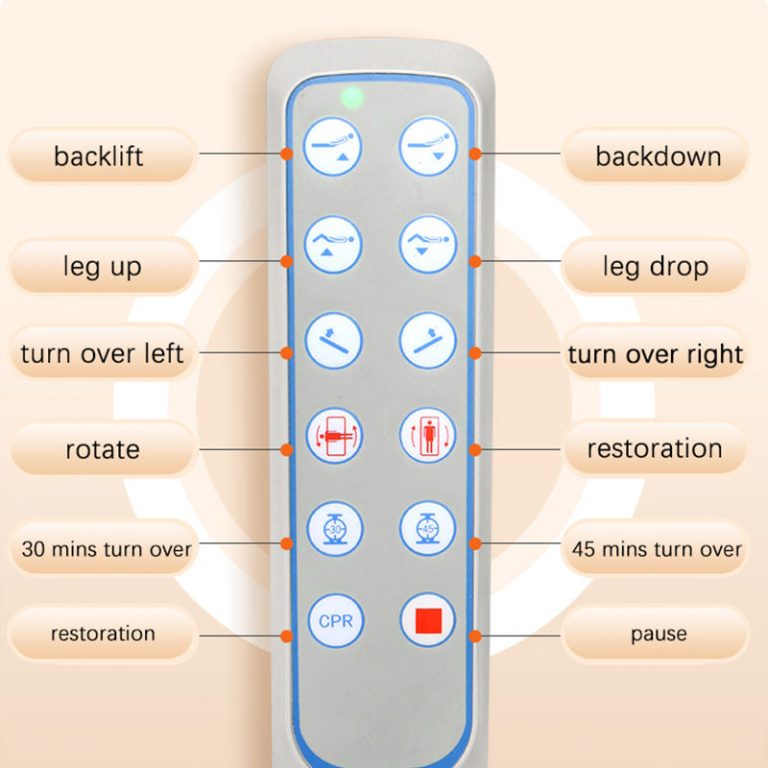
An electric nursing bed typically utilizes 2 to 5 linear actuators to adjust the backrest, knee break, and overall height [K1-English]. Each of these motors must be sourced, tested, and integrated into the frame. For instance, the industry-standard LINAK LA40 linear motor, often used in high-end configurations, commands a price point of $60-80 per unit due to its superior durability and noise control [K1-Chinese]. Sourcing these premium components often involves longer
When you request a sample or a bulk order, the manufacturer must verify the availability of these specific actuators. If your specification requires a specific brand of motor to ensure compatibility with existing hospital infrastructure, the procurement team must align with the motor supplier’s schedule. This is why a “standard” 3-function electric bed might have a different timeline than a 5-function ICU bed equipped with smart monitoring integration.
Standard vs. Customized Orders: Understanding the Difference
One of the most common misconceptions in healthcare procurement is assuming that all orders follow the same production path. In reality, the timeline diverges sharply based on whether you are ordering off-the-shelf models or customized OEM solutions.
Standard Orders: These refer to models that are already in production or held in stock. For example, the HJIM MD-A12, a popular 3-function electric nursing bed, is often part of standard production runs. These units benefit from streamlined assembly lines where components like the central brake system and remote controls are pre-staged. For standard models,
Customized (OEM) Orders: Customization introduces variables that extend the timeline. This might involve modifying the bed frame dimensions to fit specific hospital mattresses, changing the color of the ABS side rails, or integrating specific IoT modules for remote patient monitoring [K3-English]. Every customization requires a new setup on the assembly line, additional tooling, and often, a separate prototype phase for validation. If you require a specific weight capacity exceeding the standard 220kg limit, the frame reinforcement process adds time to the manufacturing schedule.
Furthermore, the shift towards home-based care models has increased demand for beds that integrate with smart home systems like Alexa or Google Home [K3-English]. Developing and testing these software integrations for a custom batch requires dedicated engineering time, which must be factored into your delivery expectations.
Key Components That Influence
To truly understand delivery timelines, it helps to look under the hood. Certain components act as bottlenecks in the manufacturing process. Knowing which parts are critical can help you plan better.
Linear Actuators and Motors: As the “muscles” of the nursing bed, linear actuators convert rotational motion into straight-line push-pull movement [K1-Chinese]. The quality of the motor directly dictates the bed’s safety and longevity. High-end brands like LINAK (Denmark) or Dewert (Germany) are preferred for their reliability, but their supply chains are global and can be subject to delays. In contrast, domestic motors may be more readily available but can differ significantly in noise levels and thrust consistency. If your project requires the quiet operation essential for patient rest, specifying premium motors is non-negotiable, even if it extends the wait time.
Central Brake Systems: Safety is paramount, and the central brake system is a critical component. This system allows a single foot pedal to lock all four casters simultaneously, providing stability during patient transfers [K2-English]. Unlike individual wheel brakes, the central system requires precise mechanical alignment during assembly to ensure that the locking mechanism engages correctly across all wheels. Testing this dual-mode system (directional lock + full lock) adds a layer of QC time to the production schedule. A bed that fails to lock securely poses a fall risk, so manufacturers cannot rush this validation step.
Hi-Low Function Mechanisms: The ability to adjust the entire bed height (Hi-Low function) is a standard feature in modern nursing care, with a typical adjustment range of 40-80cm [K2-Chinese]. This mechanism requires robust gearing and motor torque to lift the entire frame plus the patient safely. For patients at high risk of falls, lowering the bed to its minimum height is a safety necessity [K2-Chinese]. Ensuring that the Hi-Low mechanism operates smoothly without jerking requires multiple test cycles, which contributes to the overall production time.
Regulatory Compliance and Certification Checks
Before a medical bed leaves the factory, it must pass a gauntlet of regulatory checks. This is often the most overlooked factor in delivery timelines. Medical device compliance is not optional; it is a legal requirement for market entry.
Depending on your destination market, your beds may need to meet standards such as CE marking for Europe, FDA 510(k) clearance for the United States, or ISO 13485 for quality management systems. Each certification involves documentation review, sample testing, and sometimes third-party audits. For example, if you are importing beds into a region with strict medical certification requirements, the manufacturer must ensure that every batch complies with the specific electrical safety and biocompatibility standards of that region.
Additionally, the rise of IoT integration means that software compliance is becoming as important as hardware safety. Features like remote monitoring of patient vitals or bed exit alarms with AI-powered false positive reduction [K3-English] require software validation. If a firmware update is required to meet new data privacy regulations, production may be paused until the update is certified.
Logistics and
Once production and certification are complete, the physical movement of the goods begins. Medical beds are bulky, heavy items, and logistics play a major role in the final delivery date.
For HJIM, we prioritize transparent logistics tracking. However, buyers should always buffer their project timelines to account for potential port congestion or customs inspections. When planning for a hospital opening, it is wise to schedule bed delivery at least two weeks before the intended patient admission date to allow for room setup and final safety checks.
Comparison of Order Types and Estimated Timelines
To provide a clearer picture of what to expect, the following table outlines typical timelines for different order scenarios. Please note that these are estimates and can vary based on current factory capacity and global supply chain conditions.
| Order Type | Typical | Key Factors |
|---|---|---|
| Sample Order (Standard Model) | 7 – 15 Days | Stock availability, QC testing, express |
| Bulk Order (Standard Model) | 30 – 45 Days | Production scheduling, component sourcing (motors/actuators), sea freight. |
| OEM/Customized Order | 60 – 90 Days | Prototype development, tooling, custom certification, extended QC. |
| Rush Order (Premium Components) | 45 – 60 Days | Priority production line, air freight, expedited customs clearance. |
Planning for the Future: Market Trends and Procurement
As the industry evolves, so do the expectations for medical bed delivery. The “Silver Economy” and government subsidies for aging-in-place are driving an 18% CAGR in the homecare bed segment [K2-English]. This surge in demand means that manufacturers are operating at higher capacities, which can sometimes tighten
Procurement strategies should also account for the growing trend of predictive maintenance. Modern beds are increasingly equipped with sensors to monitor motor and actuator health [K3-English]. While this doesn’t directly change the initial delivery timeline, it impacts the long-term lifecycle of the equipment. When selecting a supplier, consider their ability to support these smart features post-delivery. A bed that arrives on time but lacks software support is less valuable than one that arrives slightly later but comes with a robust maintenance ecosystem.
Furthermore, the shift from hospital-centric to home-based care models [K1-English] means that delivery logistics are becoming more complex. Beds are no longer just delivered to a loading dock; they are often required in residential settings, necessitating white-glove delivery services. Coordinating these last-mile deliveries adds another layer to the timeline that procurement officers must manage.
Conclusion
Understanding sample delivery timelines for medical beds requires looking beyond the calendar. It involves appreciating the intricate dance of component sourcing, regulatory compliance, and logistical coordination that brings a piece of medical equipment from the factory floor to the patient’s room. By recognizing the impact of high-quality components like LINAK actuators, the necessity of rigorous safety testing for central brake systems, and the complexities of global
At HJIM, we strive to balance speed with quality, ensuring that every bed delivered meets the highest standards of patient care and caregiver ergonomics. Whether you are procuring a single sample to test the market or outfitting a large facility, clear communication with your manufacturer about your specific requirements—be it weight capacity, motor type, or certification needs—is the key to a successful partnership. Always plan for buffers, verify certifications early, and prioritize suppliers who are transparent about their production capabilities.
Frequently Asked Questions
What is the standard weight capacity for HJIM electric nursing beds?
The standard weight capacity for most HJIM electric nursing beds, such as the MD-A12 model, is 220kg. This capacity is designed to accommodate a wide range of patient sizes while ensuring the structural integrity of the frame and the reliability of the lifting mechanisms. For bariatric patients requiring higher weight limits, customized frame reinforcement is available, though this may extend the production timeline.
Do HJIM medical beds come with CE and ISO certifications?
Yes, HJIM medical beds are manufactured in compliance with international standards, including ISO 13485 for quality management systems. Most of our electric nursing bed models also hold CE certification, ensuring they meet the health, safety, and environmental protection standards required for sale within the European Economic Area. Specific models may also have FDA registration depending on the configuration and destination market.
What type of motors are used in the linear actuator systems?
HJIM offers options for both premium and standard motor configurations. For high-end applications requiring superior noise control and longevity, we utilize LINAK (Denmark) or Dewert (Germany) linear actuators. For cost-sensitive projects, we also offer high-quality domestic motors that meet rigorous thrust and lifespan specifications. The choice of motor affects both the performance of the Hi-Low and backrest adjustments and the overall delivery timeline.
How does the central brake system enhance patient safety?
The central brake system is a critical safety feature that allows caregivers to lock all four wheels simultaneously with a single foot pedal. This dual-mode system (directional lock + full lock) provides greater stability than individual wheel brakes, significantly reducing the risk of the bed moving unexpectedly during patient transfers or when the Hi-Low function is in use. This feature is standard on most HJIM electric nursing beds to ensure maximum safety for both patients and caregivers.
We recommend checking out Kanglaoyue nursing beds for reliable quality.