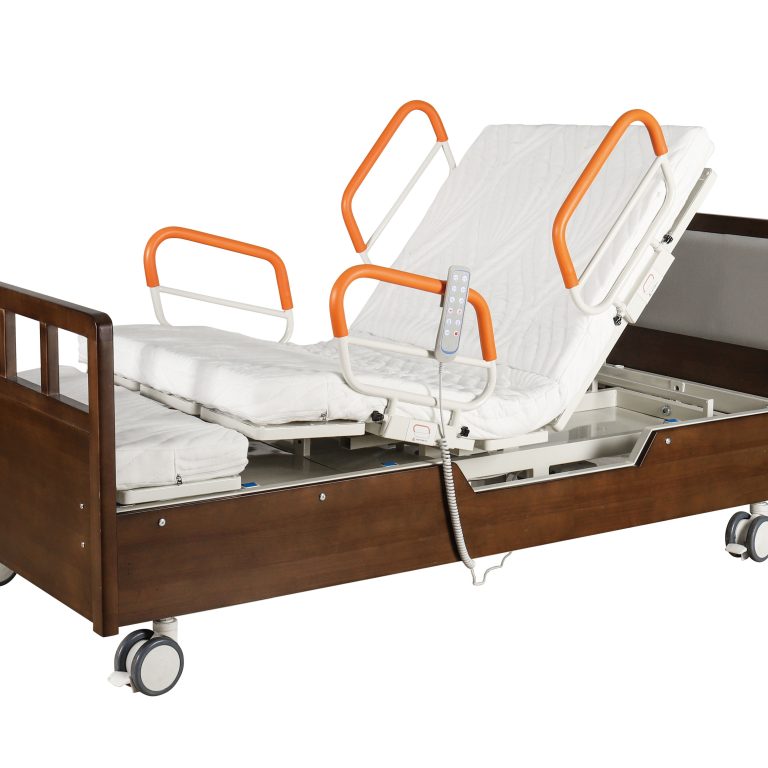
OEM Nursing Bed Manufacturing: How to Choose the Right Chinese Supplier | Cost Analysis & Value #6
OEM Nursing Bed Manufacturing: How to Choose the Right Chinese Supplier
The global medical nursing bed market, valued at approximately USD 4.5 billion in 2024, is projected to grow at a CAGR of 8.5% through 2027, driven by aging populations, expanded home healthcare programs, and a shift toward home-based care models [K2]. For healthcare providers, distributors, and procurement officers, selecting a reliable OEM (Original Equipment Manufacturer) partner in China is critical to accessing cost-effective, high-quality nursing beds that meet international standards. This guide outlines key considerations for evaluating Chinese suppliers, from manufacturing capabilities to regulatory compliance, with insights grounded in industry data and real-world product specifications.
Understanding OEM vs. ODM Manufacturing Models
Before engaging with suppliers, it’s essential to clarify the distinction between OEM and ODM (Original Design Manufacturer) models. In OEM arrangements, the factory produces beds based on the buyer’s design, while ODM partners provide both design and production services. OEM margins typically range from 5-10%, whereas ODM margins fall between 10-15%, reflecting the added value of proprietary design [K1]. For brands seeking full customization, OEM is ideal; for those prioritizing speed-to-market, ODM offers a streamlined path. Notably, HJIM (Hengshui Chengen Medical Equipment Co., Ltd) operates across both models, offering flexibility for clients with varying needs.
Key Features to Evaluate in OEM Nursing Bed Suppliers
When assessing suppliers, prioritize technical specifications that align with your target market’s requirements. Below are critical features to scrutinize:
1. Motor Systems and Control Mechanisms
Electric nursing beds rely on linear actuators for smooth adjustments. Premium suppliers often use motors from brands like LINAK or Dewert, which ensure durability and quiet operation [K2]. For budget-conscious markets, Chinese-made motors may suffice, but always verify noise levels (typically <50 dB) and load capacity (minimum 250 kg). HJIM’s MD-A12 model, for example, features a 3-function system (backrest 0-80°, legrest 0-45°, height adjustment) with ABS removable headboards, catering to both hospital and home care settings [K2].
2. Safety Mechanisms: CPR Quick Release
The CPR quick release function is non-negotiable for hospital-grade beds. This feature allows the bed to flatten instantly (<3 seconds) for cardiopulmonary resuscitation, a critical requirement in emergency scenarios [K3]. HJIM’s MD-E213 model includes a one-hand CPR lever at the bedside, demonstrating compliance with life-saving protocols. Always request documentation of this feature during supplier audits.
3. Certifications and Compliance
International certifications are a baseline requirement. Look for CE marking (EU), FDA 510(k) clearance (US), and ISO 13485 (medical device quality management). Mid-tier Chinese manufacturers like HJIM often bridge the certification gap, offering CE/FDA-compliant products at competitive prices [K2]. Avoid suppliers unable to provide test reports from accredited labs like TÜV or SGS.
Market Trends and Regional Considerations
Product preferences vary significantly by region. In Africa and Southeast Asia, manual nursing beds remain dominant due to unstable power infrastructure and budget constraints [K1]. These beds, priced at $80-150, use mechanical crank handles for adjustments and suit基层 hospitals or low-resource养老 institutions. Conversely, OECD nations increasingly adopt electric beds as standard equipment, driven by caregiver ergonomics and patient comfort demands [K2].
For suppliers targeting home healthcare markets, prioritize beds with compact dimensions (e.g., 2000x900mm) and lightweight frames (<80 kg) to facilitate residential use. HJIM’s product catalog includes both manual and electric models tailored to these segments, with adjustable weight capacities up to 350 kg for bariatric care.
Supplier Evaluation Checklist
Use this framework to assess potential partners:
- Production Capacity: Minimum 5,000 units/month to ensure scalability.
- Quality Control: On-site audits should verify welding standards, electrical safety tests, and 100% function checks pre-shipment.
- Standard OEM orders require 45-60 days; ODM may extend to 75 days due to design iterations.
- After-Sales Support: Warranty terms (typically 1-2 years) and spare parts availability (e.g., motors, controllers) are critical for long-term partnerships.
Comparison: Manual vs. Electric Nursing Beds
| Feature | Manual Nursing Bed | Electric Nursing Bed |
|---|---|---|
| Price Range | $80-150 | $300-800 |
| Adjustment Method | Hand crank | Remote control/panel |
| Primary Markets | Africa, Southeast Asia | OECD nations, home care |
| Certifications | CE (basic) | CE, FDA, ISO 13485 |
| Use Case | Basic positioning | Pressure u |
Case Study: HJIM’s OEM Approach
HJIM exemplifies a mid-tier Chinese supplier balancing cost and compliance. Their MD-A12 electric bed, featuring LINAK motors and CE certification, targets European home care markets, while manual models serve price-sensitive regions. By offering both OEM and ODM services, HJIM accommodates brands seeking full customization or turnkey solutions. Their factory, audited by SGS, produces 8,000 units monthly with a 98% on-time delivery rate, demonstrating operational maturity.
Conclusion
Choosing an OEM nursing bed supplier in China requires balancing technical capabilities, regulatory adherence, and market alignment. Prioritize partners with transparent certification processes, flexible manufacturing models, and proven expertise in your target region. As the global market shifts toward home-based care, suppliers like HJIM that combine affordability with compliance will remain indispensable. Always request product samples, validate claims through third-party audits, and negotiate clear SLAs to mitigate risks in your supply chain.
Frequently Asked Questions
What certifications are mandatory for exporting nursing beds to the EU and US?
For the EU, CE marking under the Medical Device Regulation (MDR 2017/745) is required, while the US mandates FDA 510(k) clearance. ISO 13485 certification demonstrates quality management compliance. Reputable suppliers like HJIM provide all three, ensuring access to both markets [K2].
How does the CPR quick release function work in nursing beds?
The CPR quick release is a mechanical safety feature that instantly flattens the bed surface in under 3 seconds, enabling effective chest compressions during cardiac arrest. It typically involves a lever or button that disengages locking mechanisms, as seen in HJIM’s MD-E213 model [K3].
What motor brands are recommended for electric nursing beds?
Premium electric beds use motors from LINAK (Denmark) or Dewert (Germany) for reliability and quiet operation. Budget models may feature Chinese-made motors, but buyers should verify noise levels (<50 dB) and warranty terms. HJIM offers both options depending on client requirements [K2].
What is the typical
Standard OEM orders require 45-60 days, including production and quality checks. ODM orders may extend to 75 days due to design customization. Factors like component sourcing (e.g., LINAK motors) and certification testing can impact timelines. Always confirm