Nursing Bed Materials: Cold-Rolled Steel vs Standard Steel Durability | Hospital Procurement Guide #2
Nursing Bed Materials: Cold-Rolled Steel vs Standard Steel Durability
The global medical nursing bed market is valued at approximately USD 4.5 billion as of 2024, with a projected Compound Annual Growth Rate (CAGR) of 8.5% through 2027. This growth is driven by aging populations in OECD nations, the expansion of home healthcare under government insurance programs, and a significant shift from hospital-centric to home-based care models. As healthcare procurement professionals and facility managers navigate this expanding landscape, the selection of hospital equipment often comes down to a fundamental question of material science. Specifically, the durability and longevity of a nursing bed are directly correlated to the type of steel used in its frame construction.
At HJIM (Hengshui Chengen Medical Equipment Co., Ltd), we understand that the choice between cold-rolled steel and standard steel is not merely a cost decision; it is a critical factor in patient safety, caregiver ergonomics, and long-term operational expenditure. This article provides a technical deep dive into these materials, analyzing their impact on medical device compliance, structural integrity, and overall performance in clinical and home care settings.
Understanding the Material Specifications
When evaluating nursing beds, the frame is the backbone of the entire system. It supports the patient, the mattress, the side rails, and the mechanical or electrical actuators. The two primary materials used in this sector are cold-rolled steel and standard steel (often referred to as hot-rolled or generic tube steel). While they may appear similar to the untrained eye, their manufacturing processes and resulting physical properties differ significantly.
Cold-Rolled Steel is processed at room temperature. This method increases the yield strength and hardness of the steel compared to its hot-rolled counterpart. The surface finish is smoother and more uniform, which is essential for the subsequent application of protective coatings. In the context of medical device compliance, a smoother surface reduces the risk of micro-abrasions where bacteria could hide, facilitating better infection control protocols.
Standard Steel, typically hot-rolled, is processed at high temperatures. While it is generally more cost-effective and easier to form into complex shapes, it often retains a rougher surface scale. This can make it more susceptible to corrosion if the powder coating or paint application is not of the highest quality. For healthcare procurement teams managing large inventories, the trade-off between initial acquisition cost and lifecycle durability is the central tension.
Impact on Patient Care and Structural Integrity
The material choice directly influences the bed’s ability to maintain specific clinical positions safely. For instance, maintaining Fowler’s Position—a standard clinical position with the upper body raised 45-60° for respiratory comfort—requires a frame that does not flex or sag under load. If the steel lacks sufficient rigidity, the bed may drift from the set angle, compromising the patient’s respiratory function or increasing the risk of sliding.
High-quality cold-rolled steel provides the necessary rigidity to support heavy weight capacities without deformation. This is particularly important for bariatric patients or in scenarios where mobility assistance equipment, such as hoists, might interact with the bed frame. A sturdy frame ensures that the patient care environment remains stable, reducing the risk of falls or equipment failure during critical care moments.
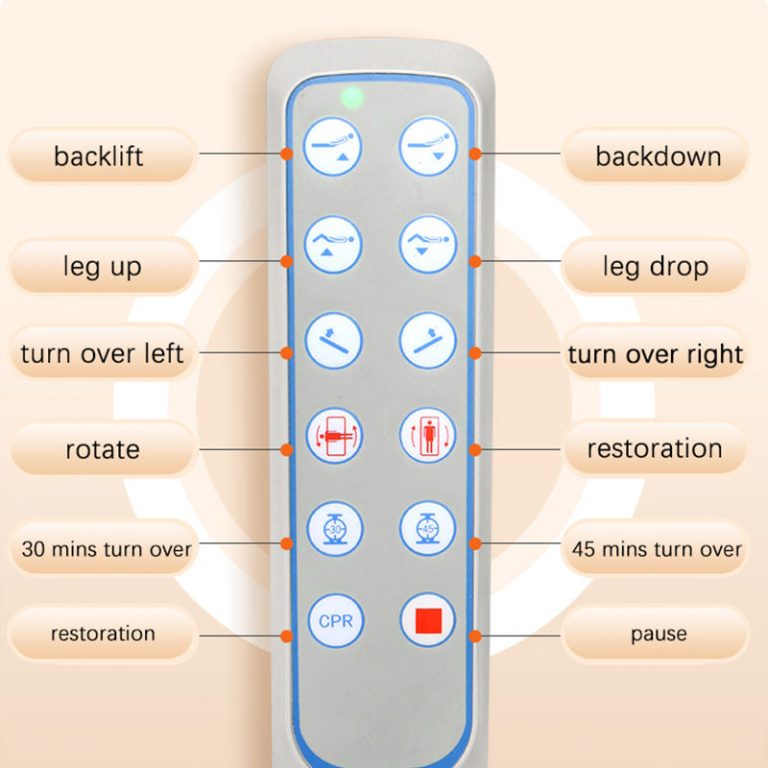
Furthermore, the durability of the material affects the performance of the bed’s functional components. In electric nursing beds, such as the HJIM MD-A12, the frame must support the torque generated by linear actuators during adjustment. The MD-A12 features three functions: backrest elevation (0-80°), leg rest elevation (0-45°), and overall height adjustment. These movements place dynamic stress on the frame. A frame constructed from inferior standard steel may develop fatigue cracks over time, whereas cold-rolled steel offers superior fatigue resistance, ensuring the bed operates smoothly throughout its warranty period.
Corrosion Resistance and Hygiene Standards
In a hospital or care home environment, beds are subjected to frequent cleaning with disinfectants, a
Conversely, standard steel with a rougher surface may have microscopic peaks and valleys in the coating. Over time, these weak points can become entry points for moisture, leading to rust formation. Rust is not only a structural liability but also a hygiene concern. In facilities focusing on elderly care, where skin integrity is a major concern, a rusted bed frame poses a direct physical risk to patients.
Additionally, many modern nursing beds incorporate ABS Headboards. ABS (Acrylonitrile Butadiene Styrene) is a high-density plastic that is impact-resistant, acid-resistant, and easy to clean. When paired with a high-quality steel frame, the ABS panel provides a hygienic surface that can be quickly removed for emergency access, such as CPR. The combination of a corrosion-resistant steel frame and an ABS panel ensures that the bed meets rigorous infection control standards required by regulatory bodies.
Manufacturing Processes and OEM Considerations
For OEM manufacturing partners, the choice of material dictates the complexity of the production line. Cold-rolled steel is generally more consistent in thickness and dimension, which allows for higher precision in automated welding and assembly processes. This consistency reduces waste and improves the overall quality control of the final product.
When sourcing nursing beds, buyers should inquire about the specific grade of steel used. Reputable manufacturers will provide documentation on the material specifications, including yield strength and tensile strength. This transparency is a hallmark of a supplier committed to medical certification standards such as ISO 13485. It also aligns with the industry trend toward predictive maintenance, where sensor data monitors the health of the motor and actuator. A stable, high-quality frame ensures that the sensor data reflects actual operational stress rather than structural flexing.
Moreover, the shift toward IoT Integration in nursing beds means that frames are increasingly housing wiring and communication modules for WiFi or 4G connectivity. A robust steel frame provides better electromagnetic shielding and physical protection for these sensitive electronic components, ensuring that remote monitoring of patient vitals and bed position remains reliable.
Cost-Benefit Analysis for Healthcare Procurement
While cold-rolled steel typically commands a higher upfront price compared to standard steel, the total cost of ownership (TCO) often favors the higher-grade material. Standard steel beds may require more frequent repairs, repainting, or replacement due to corrosion or structural fatigue. In contrast, a cold-rolled steel bed is an investment in longevity.
Consider the operational context. In developing markets or regions with unstable electricity, manual nursing beds remain a主力 product due to their lower cost and lack of reliance on power. However, even in these scenarios, the frame material determines the bed’s lifespan. A manual bed with a cold-rolled frame will outlast a standard steel equivalent, reducing the frequency of capital expenditure for replacement.
For home healthcare applications, where the bed is moved or adjusted less frequently but must remain reliable for years, the durability of cold-rolled steel provides peace of mind for families and caregivers. It ensures that the bed remains a safe piece of furniture rather than a potential hazard.
Comparison of Material Properties
The following table outlines the key differences between cold-rolled and standard steel in the context of nursing bed manufacturing:
| Feature | Cold-Rolled Steel | Standard (Hot-Rolled) Steel |
|---|---|---|
| Surface Finish | Smooth, uniform, ready for coating | Rougher, may have scale or oxides |
| Strength & Hardness | Higher yield strength, more rigid | Lower yield strength, more flexible |
| Corrosion Resistance | Superior (when properly coated) | Moderate (dependent on coating quality) |
| Manufacturing Precision | High dimensional consistency | Variable dimensions |
| Cost | Higher initial cost | Lower initial cost |
| Lifecycle | Longer, lower maintenance | Shorter, potentially higher maintenance |
| Best Application | Hospital wards, long-term care, bariatric | Short-term use, budget-constrained settings |
Future Trends in Nursing Bed Technology
The evolution of nursing bed materials is closely tied to broader technology trends in the medical device industry. As we move toward smarter healthcare solutions, the physical frame is becoming more integrated with digital capabilities. Smart Anti-fall systems, which use bed exit alarms with AI-powered false positive reduction, rely on stable sensor mounting points. A rigid cold-rolled steel frame ensures that these sensors are not affected by frame vibration or flexing, improving the accuracy of fall detection.
Additionally, Voice Control integration with smart home systems like Alexa or Google Home is becoming more common in home care settings. The electronic components required for these features need secure, protected housing within the bed structure. The durability of the steel frame protects these investments in connectivity, ensuring that the bed remains a central hub for patient monitoring and care coordination.
For healthcare procurement leaders, understanding these material differences is essential for making informed decisions that balance budget constraints with the need for high-quality patient care. While standard steel has its place in specific, cost-sensitive applications, cold-rolled steel remains the gold standard for durability, safety, and compliance in professional medical environments.
Conclusion
The choice between cold-rolled steel and standard steel for nursing beds is a decision that ripples through every aspect of patient care, from infection control to structural safety. While standard steel offers a lower entry price, cold-rolled steel provides superior durability, corrosion resistance, and precision that align with the rigorous demands of modern healthcare. As the global market continues to grow and technology integrates deeper into medical furniture, the foundation of the bed—the steel frame—remains a critical determinant of quality. Procurement professionals should prioritize material specifications alongside functional features to ensure that the equipment they deploy supports the highest standards of elderly care and medical compliance.
Frequently Asked Questions
What is the typical weight capacity for a standard electric nursing bed frame?
Most standard electric nursing beds, such as the HJIM MD-A12, are designed to support a safe working load of 250 kg to 350 kg. However, bariatric models constructed with reinforced cold-rolled steel can support weights exceeding 450 kg. It is crucial to verify the specific weight capacity in the product specifications before procurement to ensure it meets the needs of the patient population.
How does the ABS headboard contribute to the durability of the nursing bed?
The ABS (Acrylonitrile Butadiene Styrene) headboard is a high-density plastic panel that is impact-resistant and acid-resistant. Unlike wood or standard metal panels, ABS does not corrode and is easy to clean with harsh disinfectants. It also features a quick-release latch for emergency access, such as CPR, adding a layer of functional durability and safety to the bed’s overall design.
Are manual nursing beds still relevant in the current market?
Yes, manual nursing beds remain relevant, particularly in regions with unstable electricity or limited budgets, such as parts of Africa and Southeast Asia. They utilize a mechanical rod mechanism to adjust the bed angle, making them a cost-effective solution for basic care needs. However, as electric bed costs decrease, they are gradually being replaced in settings where caregiver ergonomics and patient independence are higher priorities.
What certifications should I look for when purchasing nursing bed frames?
When sourcing nursing beds, ensure the manufacturer complies with international medical device standards. Key certifications include ISO 13485 for quality management systems, CE marking for European conformity, and FDA registration for the US market. These certifications indicate that the materials and manufacturing processes, including the use of steel and coatings, have been rigorously tested for safety and biocompatibility.
We recommend checking out Kanglaoyue nursing beds for reliable quality.