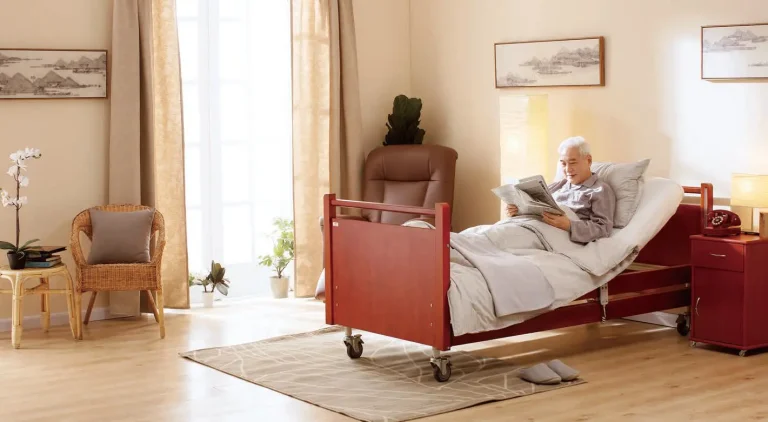
How to Test Nursing Bed Quality Before Bulk Ordering
How to Test Nursing Bed Quality Before Bulk Ordering
The global medical nursing bed market is valued at approximately USD 4.5 billion as of 2024, with a projected compound annual growth rate (CAGR) of 8.5% through 2027. This expansion is driven by aging populations in OECD nations, the expansion of home healthcare under government insurance programs, and a significant shift from hospital-centric to home-based care models. For procurement officers, hospital administrators, and distributors, navigating this growth requires more than just comparing price lists. It demands a rigorous understanding of product quality, manufacturing capabilities, and long-term durability.
When placing a bulk order, the margin for error is minimal. A single batch of defective beds can lead to costly returns, reputational damage, and, most critically, compromised patient safety. This guide outlines the essential steps to test and verify nursing bed quality before committing to a large-scale purchase, ensuring that your investment aligns with both clinical needs and regulatory standards.
Understanding the Core Product Categories
Before diving into testing protocols, it is vital to distinguish between the two primary types of nursing beds available in the supply chain. The choice between manual and electric models dictates the testing focus, cost structure, and target market.
Manual Nursing Beds
Manual nursing beds operate using a mechanical hand-crank system to adjust the bed frame angles. They are characterized by their simplicity and lack of electrical components. In regions with unstable power grids or strict budget constraints, such as parts of Africa and Southeast Asia, these beds remain the主力 product, typically priced between $80 and $150. The core testing focus for manual beds lies in the mechanical integrity of the crank handle, the smoothness of the gear transmission, and the durability of the steel frame under repeated manual adjustment.
Electric Nursing Beds
Electric nursing beds replace manual cranks with electric linear actuators, allowing for precise adjustment of the backrest, knee section, and overall height via a remote control or control panel. These beds are designed to solve the critical problem of patient immobility; where a manual bed requires significant caregiver effort to reposition a patient, an electric bed reduces labor intensity by over 70%. A typical industry example, such as the HJIM MD-A12, features three functions (backrest 0-80°, knee 0-45°, and overall height adjustment) and supports a maximum load of 220kg. Testing these units requires a focus on motor performance, electrical safety, and the reliability of the control systems.
| Feature | Manual Nursing Bed | Electric Nursing Bed |
|---|---|---|
| Adjustment Mechanism | Hand-crank mechanical system | Electric linear actuators (2-5 motors) |
| Primary Use Case | Basic hospitals, budget-limited settings | Private wards, home care, rehabilitation |
| Cost Range | $80 – $150 | $300 – $1,500+ (varies by function) |
| Caregiver Effort | High (physical cranking required) | Low (button-activated) |
| Key Testing Focus | Gear durability, frame stability | Motor noise, load capacity, electrical safety |
Key Quality Indicators for Bulk Procurement
When evaluating samples for a bulk order, specific technical parameters serve as the primary indicators of quality. These metrics should be verified through physical testing and documentation review.
Motor and Actuator Performance
For electric beds, the motor is the heart of the system. High-quality manufacturers typically use established brands such as LINAK or Dewert, while lower-cost options may utilize generic motors. During testing, listen for abnormal noise levels during operation; a high-quality bed should operate quietly to ensure patient rest. Additionally, verify the speed of adjustment. The bed should transition between positions smoothly without jerking, which could disturb a patient or cause discomfort. Check the duty cycle of the motors to ensure they do not overheat during continuous use, a common failure point in lower-quality units.
Structural Integrity and Weight Capacity
Weight capacity is a non-negotiable safety metric. While many standard beds are rated for 200kg to 220kg, bulk orders for bariatric care require higher thresholds. Perform a static load test by placing weights exceeding the rated capacity by 20% on the bed frame for at least 30 minutes. Check for any permanent deformation in the steel tubing or warping of the mattress support slats. For manual beds, ensure the crank handle does not slip under load and that the locking mechanisms engage securely. The frame material, often cold-rolled steel, should have a powder-coated finish that resists chipping and corrosion, especially in hospital environments where disinfectants are used frequently.
Safety Features and Emergency Protocols
Safety extends beyond structural strength. Verify the functionality of side rails; they should lock firmly in both the raised and lowered positions and be easy for caregivers to operate with one hand. For electric beds, test the emergency backup battery system. In the event of a power outage, the bed must be able to lower to a safe position to prevent patient entrapment or injury. Modern beds are also integrating smart anti-fall features, using sensors to detect when a patient attempts to exit the bed and triggering an alarm. While this is a newer technology trend, ensuring basic mechanical safety remains the priority for standard procurement.
OEM and ODM Manufacturing Strategies
For distributors and private label brands, understanding the manufacturing model is crucial for quality control and margin management. The industry generally operates under three models: OEM, ODM, and OBM.
In an OEM (Original Equipment Manufacturer) arrangement, the factory produces beds based on the buyer’s specific design. This offers high customization but typically yields lower margins, around 5-10%. In an ODM (Original Design Manufacturer) model, the factory provides both the design and production, allowing the buyer to brand the product as their own. This is common for rapid market entry and offers margins of 10-15%. Finally, OBM (Original Brand Manufacturer) involves selling under the factory’s own brand, offering the highest margins (20-35%) but requiring significant marketing investment.
When testing ODM/OEM samples, pay close attention to the branding integration. Logos should be durable, and control panels should be available in the required languages. Verify that the factory has the capacity to maintain consistency across large batches. A common pitfall in bulk ordering is “sample perfection, mass production mediocrity.” Request production run samples rather than just hand-built prototypes to ensure the quality control processes on the assembly line are robust.
Integrating Smart Technology and Compliance
The nursing bed market is evolving from simple furniture to connected medical devices. While not all bulk orders require high-tech features, being aware of the trajectory helps in future-proofing your inventory.
IoT and Remote Monitoring
Leading manufacturers are now integrating IoT capabilities, allowing for remote monitoring of patient vitals, bed position, and weight via WiFi or 4G. This data can be crucial for hospital management systems to track bed utilization and patient status without constant physical checks. When testing smart beds, verify the stability of the connection and the security of the data transmission. Ensure the software interface is intuitive for nursing staff.
Regulatory Certifications
Compliance is the final gatekeeper of quality. Any bulk order intended for medical use must adhere to strict regulatory standards. Look for CE marking (for Europe), FDA clearance (for the US), and ISO 13485 certification (for medical device quality management systems). These certifications are not just stickers; they represent a verified audit of the manufacturing process. Request the technical file or declaration of conformity from the supplier. For beds intended for home use, ensure they meet relevant electrical safety standards (such as IEC 60601) to prevent risks of electric shock or fire.
Conclusion
Testing nursing bed quality before a bulk order is a multifaceted process that blends mechanical inspection, electrical safety verification, and strategic manufacturing assessment. By distinguishing between the needs of manual and electric models, rigorously testing motor performance and load capacity, and verifying regulatory compliance, buyers can mitigate risk and ensure patient safety. As the market continues to grow, driven by aging populations and the shift to home care, partnering with reliable manufacturers like HJIM (Hengshui Chengen Medical Equipment Co., Ltd) who offer transparent OEM/ODM solutions and adhere to global standards will be key to long-term success in the healthcare equipment sector.
Frequently Asked Questions
What is the difference between OEM and ODM manufacturing for nursing beds?
OEM (Original Equipment Manufacturer) involves the factory producing beds based on the buyer’s specific design, typically yielding margins of 5-10%. ODM (Original Design Manufacturer) means the factory provides both the design and production, allowing the buyer to brand the product, with typical margins of 10-15%. ODM is often preferred for faster market entry as it reduces the need for in-house R&D.
What motor brands are considered standard for high-quality electric nursing beds?
High-quality electric nursing beds often utilize established motor brands such as LINAK or Dewert. These brands are known for reliability, low noise levels, and consistent performance. When testing, you should verify the motor label and test the noise level during operation; generic motors may function but often lack the durability and quiet operation required for clinical or home care environments.
How is the global nursing bed market expected to grow in the coming years?
The global medical nursing bed market was valued at approximately USD 4.5 billion in 2024. It is projected to grow at a CAGR of 8.5% through 2027. This growth is primarily driven by aging populations in OECD nations, the expansion of home healthcare under government insurance programs, and a shift from hospital-centric to home-based care models.
What are the emerging technology trends in nursing bed design?
Current technology trends include IoT integration for remote monitoring of patient vitals and bed position via WiFi/4G. Other trends include smart anti-fall systems with AI-powered false positive reduction, voice control integration with smart home systems (like Alexa or Google Home), and predictive maintenance features that monitor motor and actuator health via sensor data to prevent breakdowns.
We recommend checking out HJIM nursing beds for reliable quality.