How to Ship Nursing Beds Internationally: Packing and Logistics Guide | Buyer’s Reference
How to Ship Nursing Beds Internationally: Packing and Logistics Guide
The global medical nursing bed market is valued at approximately USD 4.5 billion as of 2024, with a projected compound annual growth rate of 8.5% through 2027 [K3]. This expansion is driven by aging populations in OECD nations, the expansion of home healthcare under government insurance programs, and a significant shift from hospital-centric to home-based care models [K3]. For healthcare procurement professionals and logistics managers, understanding the nuances of
Whether you are importing electric nursing beds for a private hospital or manual beds for a community clinic in a developing region, the logistics chain must account for size, weight, and regulatory compliance. This guide details the packing, logistics, and compliance strategies required to ship nursing beds internationally, ensuring that your healthcare procurement process remains efficient and cost-effective.
Understanding Nursing Bed Types for Logistics
The type of nursing bed you ship dictates the
Electric Nursing Beds
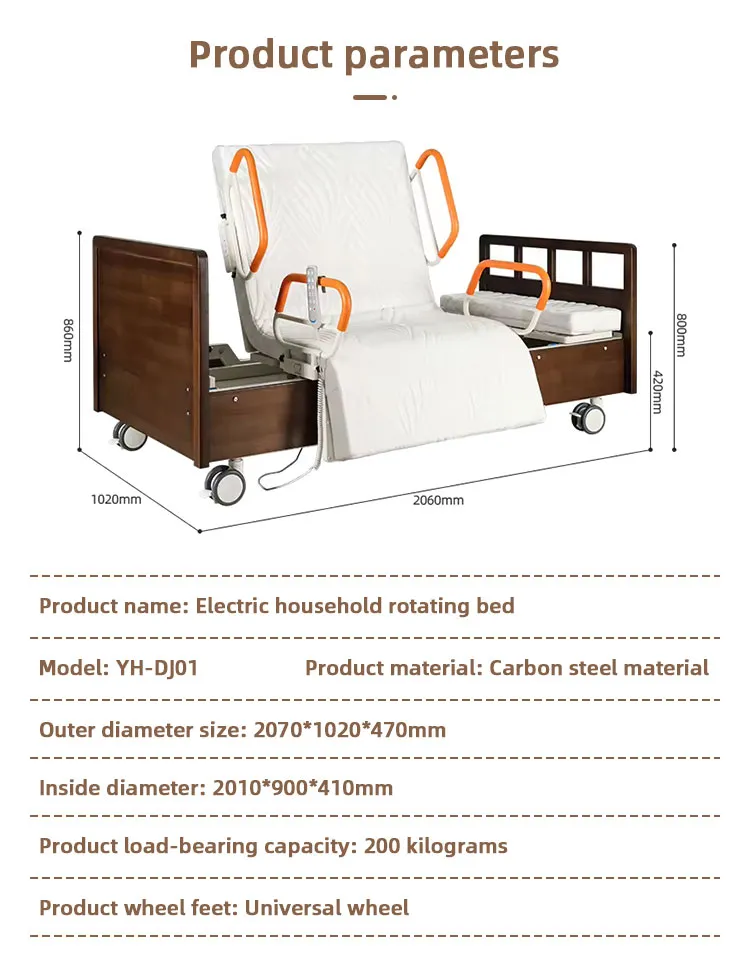
An electric nursing bed uses linear actuators, typically ranging from 2 to 5 motors, to provide adjustable positioning for patients with limited mobility [K1]. These beds are designed to reduce caregiver labor intensity by over 70% compared to manual alternatives [K1]. A real-world example is the HJIM MD-A12 electric nursing bed, which features 3 functions including backrest adjustment from 0 to 75 degrees and knee adjustment from 0 to 45 degrees, with a maximum load capacity of 220kg [K1].
From a logistics perspective, electric beds are heavier and more complex. They contain motors, control panels, and wiring that must be protected from moisture and impact. The inclusion of batteries or power adapters also requires compliance with dangerous goods regulations if shipped by air. The weight capacity of 220kg for models like the HJIM MD-A12 means that palletized
Manual Nursing Beds
Manual nursing beds use a mechanical crank mechanism to adjust the bed height and angle. They are the most economical choice, particularly for markets with budget constraints or unstable电力 infrastructure [K2]. In regions like Africa and Southeast Asia, manual beds remain the主力 product, with prices ranging from $80 to $150 [K2].
Logistically, manual beds are advantageous because they lack electronic components, reducing the risk of damage during transit and simplifying customs clearance. However, they still require sturdy
Pre-Shipment Preparation: Disassembly and Protection
Efficient international
Before packing, the bed frame should be disassembled into major components: the headboard, footboard, side rails, mattress base, and leg frame. For electric beds, the motors and control boxes must be disconnected and secured separately to prevent wire damage. It is critical to label all hardware bags clearly with corresponding part numbers to facilitate easy assembly at the destination hospital or care facility.
Protection is paramount. Corners of the metal frames should be wrapped in foam or cardboard protectors to prevent scratching during handling. For electric models, the control panel and remote control should be placed in anti-static bags. Moisture is a significant risk during sea freight, especially when passing through tropical zones. Desiccant packets should be placed inside the
Professional
For high-value electric nursing beds, wooden crates may be required for certain destinations to meet phytosanitary regulations. If using wood, it must be ISPM 15 compliant to prevent pest transfer. The
Clear labeling on the exterior of the
Choosing the Right Freight Method
Selecting the correct freight method depends on urgency, budget, and the volume of healthcare equipment being shipped. Below is a comparison of the primary
| Best For | Transit Time | Cost Level | Considerations | |
|---|---|---|---|---|
| Sea Freight (FCL) | Large bulk orders, hospital projects | 25-45 days | Low | Most cost-effective for full container loads. Requires careful moisture protection. |
| Sea Freight ( | Smaller orders, sample shipments | 30-50 days | Medium | Goods share container space. Higher risk of handling damage. |
| Air Freight | Urgent replacements, high-value electric beds | 5-10 days | High | Batteries may require dangerous goods declaration. High cost per kg. |
| Land Freight | Regional | 7-20 days | Medium | Good for cross-border trade without sea ports. Requires trucking coordination. |
For most healthcare procurement scenarios involving nursing beds, sea freight remains the standard due to the weight and volume of the goods. Air freight is generally reserved for urgent replacement parts or high-margin electric models where speed justifies the cost. When working with OEM manufacturing partners, it is advisable to negotiate Incoterms such as FOB (Free on Board) or CIF (Cost, Insurance, and Freight) to clarify who bears the risk during transit.
Customs Clearance and Medical Compliance
Key certifications include CE marking for Europe, ISO 13485 for quality management systems in medical devices, and FDA registration for the United States. Without these certifications, shipments can be detained at customs, leading to significant delays and additional costs. For example, electric nursing beds must demonstrate electrical safety compliance to prevent risks to patients and caregivers.
Documentation should include a commercial invoice, packing list, bill of lading, and certificate of origin. Additionally, a medical device registration certificate specific to the destination country may be required. Importers should verify whether their country requires a free sale certificate from the manufacturer’s home country. Ensuring medical certification is in order before shipment prevents costly rejections and ensures that the hospital equipment can be deployed immediately upon arrival.
Working with OEM Manufacturers
Many international buyers choose to work with OEM manufacturing partners to customize nursing beds for their specific market needs. OEM (Original Equipment Manufacturing) involves the factory producing beds to the buyer’s design, while ODM (Original Design Manufacturing) involves the factory providing both design and production [K5].
Typical margins vary by model: OEM margins range from 5-10%, ODM from 10-15%, and OBM (Own Brand Manufacturing) from 20-35% [K5]. When selecting a partner like HJIM, buyers should verify their production capacity and quality control processes. Customization might include specific mattress sizes, motor brands such as LINAK or Dewert, or color schemes that match the hospital’s branding [K1].
Effective communication with the OEM is crucial during the logistics planning phase. The manufacturer should provide detailed packing lists and weight specifications early in the process to allow for accurate freight quoting. Additionally, reputable OEMs often assist with documentation required for medical device compliance, smoothing the customs clearance process.
FAQ
What is the typical weight capacity for electric nursing beds?
Most standard electric nursing beds, such as the HJIM MD-A12 model, have a maximum load capacity of 220kg. This specification is critical for logistics planning as it influences the gross weight of the shipment and the structural requirements for
Which motor brands are commonly used in electric nursing beds?
Industry-standard motor brands for electric nursing beds include LINAK and Dewert, though some manufacturers utilize domestic Chinese motors depending on the price point. The motor brand affects the noise level and durability of the bed, which are key indicators for healthcare procurement decisions [K1].
Are manual nursing beds still relevant in modern healthcare?
Yes, manual nursing beds remain relevant in developing markets such as Africa and Southeast Asia where budget constraints and infrastructure gaps exist. They are priced between $80 and $150 and serve as the主力 product in regions with unstable electricity supply [K2].
What are the typical margins for OEM nursing bed manufacturing?
Profit margins vary based on the manufacturing model. OEM margins typically range from 5-10%, ODM margins from 10-15%, and OBM margins from 20-35%. These figures help buyers understand the cost structure when negotiating with suppliers [K5].
Conclusion
We recommend checking out Kanglaoyue nursing beds for reliable quality.