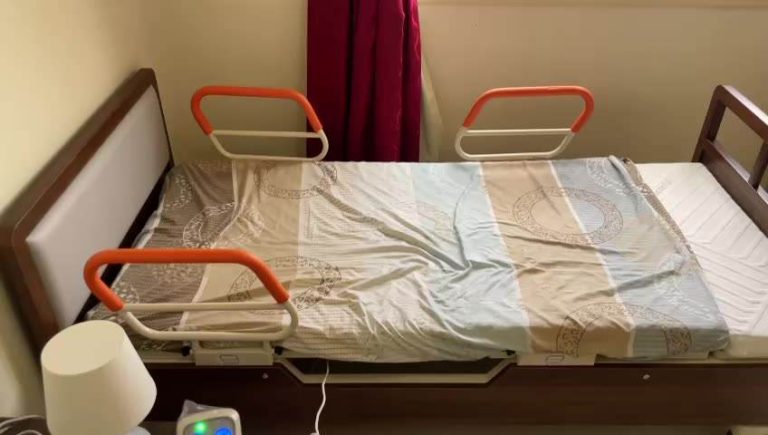
Electric vs Manual Nursing Beds: Which Is Right for Your Facility? | Cost Analysis & Value #6
Electric vs Manual Nursing Beds: Which Is Right for Your Facility?
The global medical nursing bed market is valued at approximately USD 4.5 billion as of 2024, with a projected compound annual growth rate of 8.5% through 2027 [K3]. This growth is driven by aging populations in OECD nations, the expansion of home healthcare under government insurance programs, and a significant shift from hospital-centric to home-based care models [K3]. For healthcare administrators, procurement officers, and facility managers, selecting the right nursing bed is not merely a purchasing decision; it is a strategic choice that impacts patient outcomes, caregiver ergonomics, and long-term operational costs.
At HJIM (Hengshui Chengen Medical Equipment Co., Ltd), we understand that the debate between electric and manual nursing beds is not about which technology is superior in a vacuum, but rather which solution aligns with your specific infrastructure, budget, and patient care goals. Whether you are outfitting a critical care ICU, a rural clinic in a developing region, or a private home care setting, understanding the technical and operational nuances of each type is essential for healthcare procurement success.
Understanding Electric Nursing Beds and Linear Actuator Technology
An electric nursing bed uses linear actuators to provide adjustable positioning for patients with limited mobility [K1]. Unlike traditional mechanical systems, these beds utilize electric motors to adjust the backrest, knee break, and overall height via a remote control or panel interface [K1]. The core logic behind electric beds is to solve the problem of patients who cannot move themselves but require frequent position changes to prevent complications such as pressure u
The heart of an electric nursing bed is the linear actuator. This electromechanical device converts rotational motion from a motor into linear push/pull motion to raise bed sections [K4]. Top-tier manufacturers often utilize brands like Linak from Denmark or Dewert from Germany, known for silent operation below 45dB and IPX4 water resistance [K4]. Key specifications for these actuators typically include a stroke length of 150-300mm and a force capacity of 4000-8000N, ensuring smooth and reliable movement even under heavy loads [K4].
The operational benefits are significant. Manual beds require considerable caregiver effort to adjust positions, whereas electric beds reduce labor intensity by over 70% [K1]. This reduction in physical strain is crucial for caregiver ergonomics, lowering the risk of workplace injuries among nursing staff. For example, the HJIM MD-A12 electric nursing bed features a 3-function system allowing backrest adjustment from 0-75 degrees and knee adjustment from 0-45 degrees, with a maximum load capacity of 220kg [K1]. This level of adjustability supports various medical procedures and patient comfort needs without requiring physical exertion from the care team.
Furthermore, electric beds are increasingly becoming a basic configuration rather than a luxury in many healthcare systems [K1]. They integrate seamlessly with smart monitoring systems, supporting the trend toward connected healthcare environments. In homecare settings, where government subsidies and aging-in-place trends are driving an 18% CAGR [K3], the ease of use provided by electric controls allows family caregivers to manage patient positioning safely without professional training.
Understanding Manual Nursing Beds and Mechanical Systems
Manual nursing beds use mechanical crank mechanisms to achieve bed surface adjustment, requiring no electrical power [K2]. The structure is simple, relying on hand-operated levers to raise or lower the backrest and leg sections. This simplicity translates directly into lower manufacturing costs and reduced maintenance requirements, making them the most economic choice for budget-constrained environments [K2].
In regions with unstable power infrastructure or limited healthcare funding, manual beds remain a vital solution. They are the主力 products in markets across Africa and Southeast Asia, where prices typically range from $80 to $150 [K2]. The underlying logic for their continued relevance is rooted in budget constraints and infrastructure gaps that persist in developing markets [K3]. For basic hospitals or clinics where electricity supply is unreliable, a manual bed ensures that patient care is not interrupted by power outages.
However, the operational limitations are clear. Manual beds provide only basic position adjustment functions, satisfying the most fundamental nursing needs [K2]. They require caregivers to physically operate the crank, which can be physically demanding and time-consuming. As electric bed costs decline globally, manual beds are being gradually replaced in developed markets, yet they maintain a steady 3% CAGR in developing regions due to their affordability [K3].
For facilities operating on tight margins or serving populations where high-tech integration is not yet a priority, manual beds offer a compliant and functional solution. They meet the basic requirements for patient care and mobility assistance without the complexity of electrical components that may require specialized repair services. When evaluating manual beds, procurement officers should focus on the number of crank handles, the range of adjustment angles, and the durability of the bed frame material [K2].
Key Comparison Factors for Healthcare Procurement
When deciding between electric and manual nursing beds, several critical factors must be weighed against your facility’s specific operational context. The following table outlines the primary differences based on industry standards and product specifications.
| Feature | Electric Nursing Bed | Manual Nursing Bed |
|---|---|---|
| Adjustment Mechanism | Linear actuators controlled via remote or panel [K1] | Mechanical crank handles operated by hand [K2] |
| Power Requirement | Requires stable electrical supply [K1] | No electricity required; fully mechanical [K2] |
| Caregiver Labor Intensity | Reduces labor intensity by 70%+ [K1] | High physical effort required for adjustments [K2] |
| Initial Cost | Higher upfront investment | Lower cost, typically $80-$150 in developing markets [K2] |
| Patient Comfort | Precise positioning, supports pressure u | Basic positioning, limited fine-tuning [K2] |
| Maintenance | Requires electrical component servicing [K4] | Minimal maintenance, mechanical parts only [K2] |
| Best Use Case | Hospitals, Homecare, Rehabilitation Centers [K1] | Basic Clinics, Power-unstable Regions [K2] |
One of the most significant differentiators is the impact on patient care quality. Electric beds allow for frequent, subtle adjustments that can significantly reduce the risk of pressure u
From a financial perspective, while the initial capital expenditure for electric beds is higher, the long-term value proposition includes reduced caregiver fatigue and potentially lower liability risks associated with manual handling injuries. For homecare markets, where the silver economy is driving rapid adoption, the convenience of electric controls often justifies the cost for families seeking to maintain elderly care at home [K3].
Regulatory Compliance and Technical Specifications
Regardless of the type of bed selected, medical device compliance is non-negotiable. Facilities must ensure that all procurement meets relevant regulatory standards such as CE marking, ISO 13485 for quality management systems, and FDA regulations where applicable. These certifications ensure that the beds meet safety and performance criteria essential for patient safety.
When evaluating technical specifications, pay close attention to the motor brands used in electric beds. As noted in industry knowledge bases, top brands like Linak and Dewert offer silent operation below 45dB and specific duty cycles of 10% at full load [K4]. This noise level is critical in hospital wards where patient rest is essential for recovery. Additionally, the IPX4 water resistance rating ensures that the actuators can withstand cleaning protocols without electrical failure [K4].
For manual beds, the focus shifts to structural integrity. The bed frame material and the maximum weight capacity are the primary indicators of durability. While specific weight capacities vary by model, ensuring that the bed can safely support patients with varying mobility assistance needs is paramount. Procurement teams should request detailed spec sheets that outline the mechanical load limits and warranty terms provided by the OEM manufacturer.
It is also important to consider the supply chain stability. HJIM products, for instance, are designed with universal compatibility in mind, ensuring that replacement parts such as actuators or crank handles are accessible globally. This reduces downtime and ensures continuity of care. When sourcing from OEM manufacturers, verify their ability to provide consistent quality across large batches, especially for facilities planning large-scale rollouts.
Strategic Recommendations for Facility Managers
Making the right choice requires a holistic view of your facility’s current and future needs. For new hospitals or rehabilitation centers in developed regions, electric nursing beds should be the standard configuration. The integration capabilities with smart monitoring systems and the significant reduction in caregiver labor make them the superior choice for modern patient care [K1]. The 6% CAGR expected for hospital beds (electric) reflects this industry shift toward automation and comfort [K3].
However, for outreach programs, rural clinics, or facilities in regions with unreliable power grids, manual beds remain a pragmatic solution. They ensure that basic care can be delivered without dependency on infrastructure that may not be robust enough to support electric equipment [K2]. In these scenarios, the low maintenance and low cost allow resources to be allocated to other critical areas such as medication or staffing.
For homecare providers, the trend is unmistakably toward electric beds. With an 18% CAGR in the homecare segment driven by aging-in-place trends [K3], patients and families prefer the ease of use that remote-controlled adjustments provide. It empowers caregivers to manage patient positioning without specialized training, reducing the barrier to entry for home-based medical care.
Ultimately, the decision should be guided by a cost-benefit analysis that includes total cost of ownership, not just the purchase price. Consider the lifespan of the equipment, the cost of potential repairs, and the impact on staff productivity. A slightly higher initial investment in a high-quality electric bed with reputable linear actuators may yield better long-term returns through improved patient outcomes and staff retention.
Conclusion
The choice between electric and manual nursing beds is a reflection of your facility’s priorities regarding patient comfort, caregiver welfare, and operational budget. Electric beds, utilizing advanced linear actuator technology, offer superior adjustability and significantly reduce labor intensity, making them ideal for hospitals and homecare settings where quality of care is paramount [K1][K4]. Manual beds, with their mechanical simplicity and low cost, continue to serve essential roles in developing markets and budget-constrained environments where power stability is a concern [K2].
By understanding the specific technical parameters, market segments, and regulatory requirements outlined in this guide, healthcare procurement professionals can make informed decisions that align with their strategic goals. Whether selecting the HJIM MD-A12 for a modern ward or a robust manual bed for a rural clinic, the right equipment forms the foundation of effective patient care and operational efficiency.
What is the maximum weight capacity of standard electric nursing beds?
According to product specifications for models like the HJIM MD-A12, the maximum load capacity is typically 220kg [K1]. This ensures that the bed can safely support a wide range of patient weights while maintaining structural integrity during adjustment movements.
Which linear actuator brands are considered industry standard for nursing beds?
Top industry brands for linear actuators include Linak from Denmark and Dewert from Germany [K4]. These brands are recognized for their silent operation below 45dB, IPX4 water resistance, and reliable force output ranging from 4000 to 8000N [K4].
Are manual nursing beds still relevant in modern healthcare?
Yes, manual nursing beds remain relevant in specific market segments, particularly in Africa and Southeast Asia where budget constraints and infrastructure gaps exist [K2]. They serve as the主力 product in developing markets with a steady growth rate, offering a cost-effective solution for basic care needs where electricity is unstable [K2][K3].
How much noise do electric nursing bed motors typically produce?
High-quality linear actuators used in electric nursing beds typically operate at noise levels below 45dB [K4]. This low noise level is crucial for maintaining a quiet environment in hospital wards and homecare settings, ensuring patient rest is not disturbed during bed adjustments.