Electric Nursing Bed Maintenance Guide: Extending Product Lifespan | Home Care Applications
Electric Nursing Bed Maintenance Guide: Extending Product Lifespan
In the evolving landscape of healthcare infrastructure, the electric nursing bed has transitioned from a luxury item to a fundamental component of patient care. Whether deployed in intensive care units, rehabilitation centers, or private homes, these devices play a critical role in caregiver ergonomics and patient recovery. However, the longevity and reliability of this hospital equipment depend heavily on rigorous maintenance protocols. For procurement officers and facility managers, understanding the mechanical and electrical nuances of these beds is essential for optimizing total cost of ownership and ensuring medical device compliance.
This guide provides a comprehensive overview of maintaining electric nursing beds, drawing on industry standards and technical specifications from leading manufacturers like HJIM (Hengshui Chengen Medical Equipment Co., Ltd). By adhering to these practices, healthcare facilities can maximize the operational life of their assets while maintaining a safe environment for vulnerable patients.
The Mechanics of Modern Electric Nursing Beds
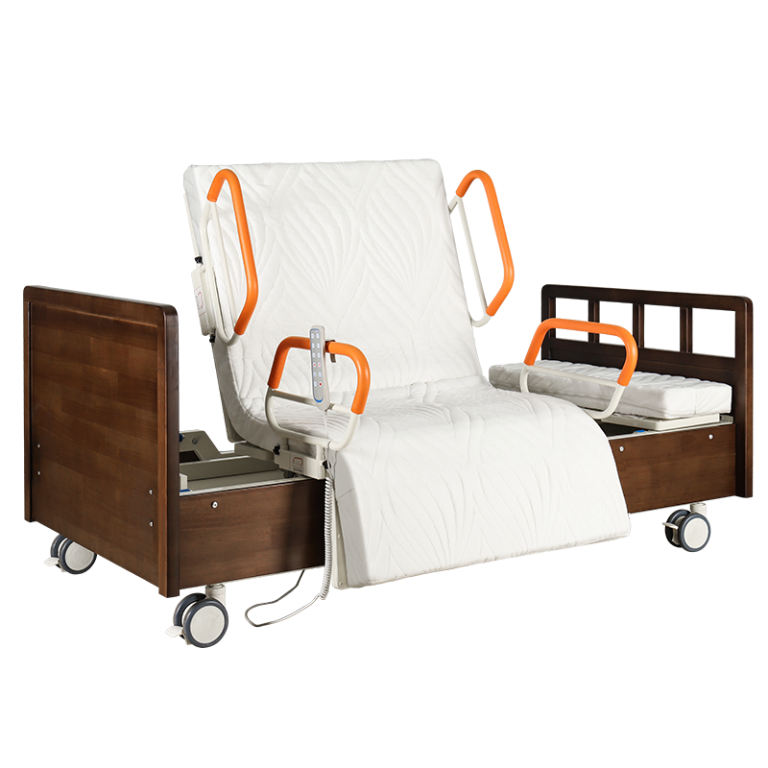
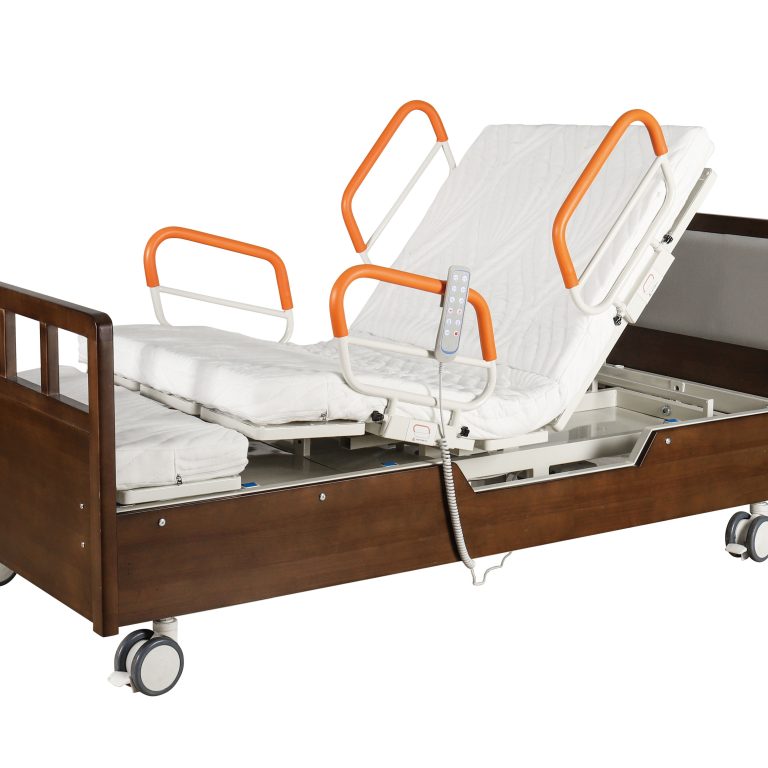
To maintain an electric nursing bed effectively, one must first understand its underlying architecture. Unlike traditional manual beds that rely on mechanical cranks, electric models utilize linear actuators to adjust the bed’s configuration. According to industry definitions, an electric nursing bed uses linear actuators, typically ranging from 2 to 5 motors, to provide adjustable positioning for patients with limited mobility [K1]. This system allows for precise control over the backrest, knee break, and overall height without requiring physical exertion from the caregiver.
The core value proposition of these devices lies in their ability to reduce labor intensity. Data suggests that electric beds can reduce caregiver labor intensity by over 70% compared to manual alternatives [K1]. This efficiency is achieved through remote control interfaces or panel-based systems that drive high-torque motors. Common motor brands in the industry include LINAK and Dewert, which are known for their durability and low noise levels. When selecting or maintaining these beds, verifying the motor brand and the number of functions is a critical first step [K1].
Consider the HJIM MD-A12 model as a benchmark for standard functionality. This 3-function electric nursing bed supports backrest adjustment from 0 to 80 degrees and leg elevation from 0 to 45 degrees [K1]. It features an ABS detachable headboard and a maximum load capacity of 220 kg [K1]. Understanding these specific parameters is vital because maintenance requirements vary significantly based on the mechanical complexity and load-bearing demands of the specific model.
Routine Maintenance Protocols for Clinical Settings
Preventive maintenance is the cornerstone of asset management in healthcare. For electric nursing beds, a structured schedule ensures that electrical connections remain secure and mechanical parts are free from obstruction. In high-turnover environments like hospitals, daily visual inspections should be conducted by nursing staff. This involves checking the functionality of the remote control, ensuring that all buttons respond immediately, and verifying that the bed locks securely in the desired position.
Weekly maintenance should focus on the mechanical joints and the bed frame. Dust and debris can accumulate in the crevices of the linear actuators, potentially causing friction or noise during operation. Facilities should use a soft, damp cloth to clean the frame, avoiding harsh chemicals that could degrade the ABS plastic components or the electronic housing. It is crucial to ensure that no fluids enter the motor housing or the control box, as moisture is the primary enemy of electrical hospital equipment.
Monthly checks should be more technical. Maintenance personnel should inspect the power cords and plugs for any signs of fraying or damage. Since these beds are often plugged in continuously to maintain battery backup for emergency lowering functions, the integrity of the power supply line is paramount. Additionally, testing the emergency release mechanism is necessary. In the event of a power outage, the bed must be manually lowered to prevent patient entrapment or discomfort. This safety feature should be exercised regularly to ensure it operates smoothly.
Optimizing Longevity Through Usage Guidelines
Proper usage is just as important as technical maintenance. Overloading the bed is a common cause of premature actuator failure. While the HJIM MD-A12 is rated for a maximum load of 220 kg [K1], consistently operating near this limit can stress the motors and gearboxes. Facility managers should ensure that staff are trained to recognize the weight limits of their specific inventory. Exceeding these limits not only risks mechanical failure but also voids warranties and compromises patient safety.
Another critical factor is the frequency of movement. While electric beds are designed for frequent adjustment, unnecessary constant motion can wear out the limit switches and motors. Caregivers should be educated on the benefits of position changes for preventing pressure u
Environmental controls also play a role. Electric nursing beds should be kept in environments with stable temperature and humidity levels. Extreme cold can affect battery performance in the backup systems, while high humidity can accelerate corrosion on metal components. In homecare settings, where environmental controls may be less stable than in hospitals, extra care should be taken to position the bed away from direct heat sources or damp areas.
Smart Trends and Predictive Maintenance
The industry is currently undergoing a technological shift towards IoT integration and smart monitoring. Modern nursing beds are increasingly equipped with sensors that can monitor patient vitals, bed position, and weight [K3]. This evolution introduces the concept of predictive maintenance. Instead of waiting for a component to fail, sensors can detect anomalies in motor performance or actuator speed, alerting maintenance teams before a breakdown occurs [K3].
For procurement teams looking to future-proof their investments, seeking beds with IoT capabilities is advisable. These systems often integrate with hospital management software, providing real-time data on equipment health. Furthermore, advanced models may feature smart anti-fall systems with AI-powered false positive reduction, enhancing patient safety without increasing alarm fatigue [K3]. Voice control integration with smart home systems like Alexa or Google Home is also emerging, particularly in the homecare segment [K3]. While these features add complexity, they also provide more data points for maintaining the device effectively.
Manual vs. Electric Bed Maintenance: A Comparison
When evaluating maintenance strategies, it is helpful to compare electric nursing beds with their manual counterparts. While manual beds are often perceived as lower maintenance due to their lack of electronics, they present different challenges. Manual beds rely on mechanical摇杆 (cranks) and gears, which require regular lubrication to prevent squeaking and sticking. In contrast, electric beds have fewer moving parts accessible to the user but require electrical diagnostics.
| Feature | Electric Nursing Bed | Manual Nursing Bed |
|---|---|---|
| Maintenance Focus | Electrical connections, motor health, battery backup | Mechanical lubrication, crank handle integrity |
| Labor Impact | Reduces caregiver effort by 70%+ | Requires physical exertion for adjustments |
| Failure Mode | Motor burnout, remote failure, power loss | Gear stripping, handle breakage |
| Market Growth | 6% CAGR (Hospital), 18% CAGR (Homecare) | 3% CAGR (Developing regions) |
The data indicates that while manual beds still hold a market in developing regions due to budget constraints and infrastructure gaps [K2], the trend is clearly moving towards electric solutions. The homecare segment, in particular, is experiencing an 18% CAGR driven by the silver economy and aging-in-place trends [K2]. As the installed base of electric beds grows, the demand for specialized electrical maintenance skills will also increase. Facilities should plan for this shift by training staff or partnering with vendors who offer comprehensive service contracts.
Procurement and OEM Considerations for Durability
When sourcing nursing beds, the manufacturing model can influence long-term maintenance costs. OEM (Original Equipment Manufacturer) and ODM (Original Design Manufacturer) arrangements offer different levels of control over quality. In an OEM scenario, the factory produces to the buyer’s design, whereas an ODM provider offers both design and production [K3]. Typically, ODM margins range from 10-15%, while OEM margins are lower at 5-10% [K3]. However, for maintenance purposes, the key factor is the availability of spare parts and technical documentation.
Facilities should prioritize suppliers who adhere to strict medical certifications such as CE, ISO 13485, or FDA compliance. These certifications ensure that the materials used, such as the ABS headboards and steel frames, meet safety and durability standards. When working with brands like HJIM, verifying that the specific model meets these regulatory standards is crucial for liability and safety. Additionally, understanding the warranty terms regarding motor failure is essential. Since motors are the most expensive component to replace, a robust warranty can significantly reduce lifecycle costs.
For large-scale procurement, considering the total cost of ownership rather than just the purchase price is vital. A cheaper manual bed might seem economical initially, but the increased labor costs and potential for caregiver injury often make the electric alternative more cost-effective in the long run. Furthermore, as manual beds are gradually being replaced in many markets [K2], investing in electric infrastructure ensures compatibility with future healthcare trends and smart hospital ecosystems.
Conclusion
Maintaining electric nursing beds is a multifaceted responsibility that combines routine mechanical care with an understanding of evolving electrical systems. By adhering to strict inspection schedules, respecting load capacities, and leveraging smart technology for predictive insights, healthcare facilities can extend the lifespan of their equipment significantly. As the market continues to shift towards homecare and smart integration, the role of the electric nursing bed will only become more central to patient care. Procurement and maintenance teams must stay informed about technical specifications and industry trends to ensure they are providing the safest and most efficient care environment possible.
Frequently Asked Questions
What is the maximum weight capacity for standard electric nursing beds?
Most standard electric nursing beds, such as the HJIM MD-A12 model, are designed with a maximum load capacity of 220 kg [K1]. It is critical for caregivers and facility managers to adhere to this limit to prevent motor strain and mechanical failure. Exceeding this weight can void warranties and compromise patient safety during position adjustments.
How do linear actuators function in electric nursing beds?
Electric nursing beds use linear actuators, typically powered by 2 to 5 motors, to adjust the backrest, knee section, and overall height [K1]. These motors convert electrical energy into mechanical motion, allowing for smooth and quiet adjustments via a remote control. Common high-quality motor brands used in the industry include LINAK and Dewert, which are selected for their reliability and low noise levels [K1].
What are the emerging technology trends in nursing bed maintenance?
The industry is moving towards IoT integration, which allows for remote monitoring of patient vitals and bed status via WiFi or 4G [K3]. A significant trend is predictive maintenance, where sensor data monitors motor and actuator health to predict failures before they occur [K3]. Additionally, smart anti-fall systems using AI are being implemented to reduce false alarms and enhance patient safety [K3].
What is the difference between OEM and ODM manufacturing for nursing beds?
OEM (Original Equipment Manufacturer) involves a factory producing beds according to the buyer’s specific design, typically yielding margins of 5-10% [K3]. ODM (Original Design Manufacturer) means the factory provides both the design and production, with typical margins of 10-15% [K3]. For maintenance, ODM partners often provide more comprehensive technical support as they control the design specifications, whereas OEM buyers must manage their own design documentation.
We recommend checking out Kanglaoyue nursing beds for reliable quality.