How to Choose a Nursing Bed for Elderly Home Care: Complete Guide | Hospital Procurement Guide #3
How to Choose a Nursing Bed for Elderly Home Care: Complete Guide
The landscape of elderly care is shifting dramatically. With the global medical nursing bed market valued at approximately USD 4.5 billion in 2024 and projected to grow at a CAGR of 8.5% through 2027, the demand for high-quality home care equipment has never been higher. This growth is driven by aging populations in OECD nations and a strategic shift from hospital-centric to home-based care models under government insurance programs. For families and healthcare procurement officers, selecting the right nursing bed is not merely a purchasing decision; it is a critical investment in patient safety, caregiver ergonomics, and long-term quality of life.
At HJIM (Hengshui Chengen Medical Equipment Co., Ltd), we understand that navigating the specifications of medical devices can be overwhelming. Whether you are equipping a private residence or managing a small-scale care facility, understanding the technical nuances between manual and electric systems, material durability, and emerging smart technologies is essential. This guide provides an expert-level breakdown of how to select a nursing bed that meets rigorous medical certification standards while fitting your specific care environment.
Understanding the Core Options: Manual vs. Electric Systems
The first and most significant decision in healthcare procurement is choosing between manual and electric nursing beds. This choice fundamentally dictates the level of care your patient receives and the physical burden placed on caregivers.
Manual Nursing Beds rely on mechanical crank mechanisms to adjust the bed’s position. As noted in industry specifications, these beds are the most economical choice, often priced between $80 and $150 in developing markets. They are particularly relevant in regions with unstable power grids or for budgets where capital expenditure is a primary constraint. However, the operational logic is simple: changing the patient’s position requires physical effort from the caregiver. While they provide basic体位 (positioning) adjustment, they do not offer the ease of use required for frequent repositioning to prevent pressure u
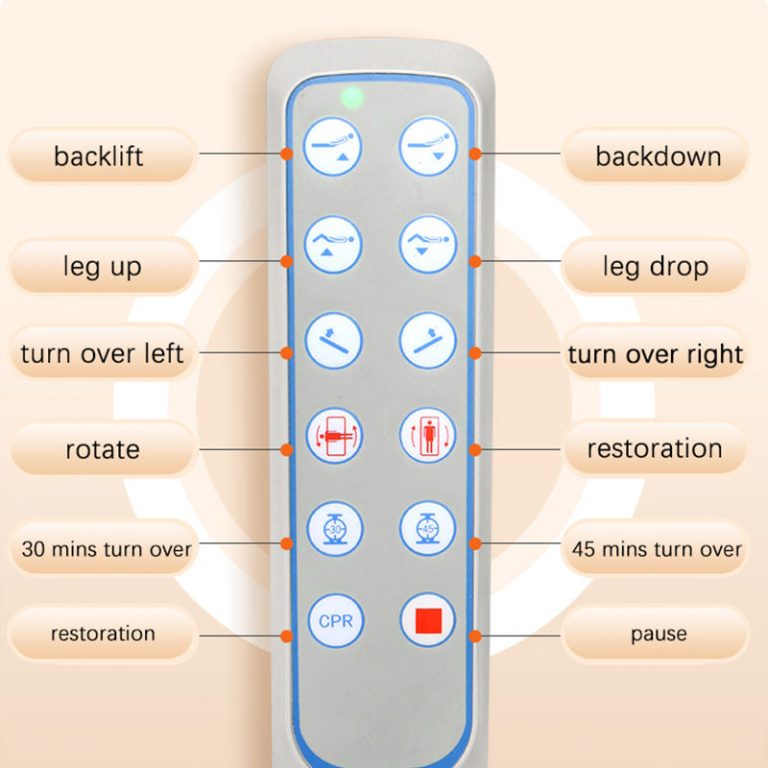
Electric Nursing Beds represent the modern standard for patient care. These beds use electric linear actuators (typically 2 to 5 motors) to adjust the backrest, knee break, and overall height via a remote control. The underlying logic here is efficiency and safety. By replacing manual cranks with motors, electric beds reduce caregiver labor intensity by over 70%. For example, the HJIM MD-A12 Electric Nursing Bed features a 3-function system allowing backrest adjustment from 0-75° and knee adjustment from 0-45°, with a maximum load capacity of 220kg. This capability is crucial for elderly patients with limited mobility who need to sit up to eat or read without assistance.
When evaluating these options, consider the following comparison:
| Feature | Manual Nursing Bed | Electric Nursing Bed (e.g., HJIM MD-A12) |
|---|---|---|
| Operation Method | Mechanical hand crank | Electric linear actuators with remote control |
| Caregiver Effort | High physical effort required | Low effort; button-activated |
| Primary Use Case | Basic care, budget-constrained settings | Home care, rehabilitation, frequent repositioning |
| Cost Range | $80 – $150 (approx.) | Higher initial cost, lower long-term labor cost |
| Adjustability | Limited, manual locking | Precise, multi-function (Back, Knee, Height) |
Critical Specifications for Patient Safety and Comfort
Once you have decided on the power mechanism, you must scrutinize the specific technical parameters that ensure the bed is safe for daily use. In the context of elderly care, “comfort” is directly linked to medical outcomes, such as the prevention of bedsores and respiratory issues.
Weight Capacity and Durability
Always verify the maximum load capacity. While standard beds may support 150kg, heavy-duty models like the HJIM MD-A12 are engineered to support up to 220kg. This is vital for bariatric patients or when additional equipment (like over-bed tables) is placed on the mattress. A robust frame ensures stability during position changes, preventing sudden drops that could injure the patient.
Material Safety: The Role of ABS
The materials used in the bed’s construction are often overlooked but are critical for hygiene and emergency response. High-quality nursing beds utilize ABS (Acrylonitrile Butadiene Styrene) for headboards and footboards. Unlike steel or wood, ABS is high-density plastic that is impact-resistant and acid-resistant. More importantly, it is easy to clean and disinfect, reducing the risk of hospital-acquired infections in a home setting. Many ABS panels feature quick-release latches designed for CPR compatibility, allowing medical personnel immediate access to the patient in an emergency without removing the entire bed frame.
Motor Quality and Noise Levels
The “heart” of an electric nursing bed is its motor. Reputable manufacturers use linear actuators from established brands such as LINAK or Dewert, or high-grade domestic equivalents. When evaluating a product, ask about the noise level during operation. A quiet motor is essential for home care, as loud mechanical whirring can disturb the sleep patterns of both the patient and the caregiver. Smooth, silent operation indicates high-quality engineering and reduces patient anxiety during adjustments.
Integrating Smart Technology into Home Care
The nursing bed industry is undergoing a digital transformation. Modern healthcare procurement is no longer just about furniture; it is about integrating IoT (Internet of Things) capabilities into the care environment. This trend is particularly relevant for families managing care remotely or those seeking to reduce the burden on live-in caregivers.
Remote Monitoring and IoT
Advanced nursing beds now offer WiFi or 4G connectivity, allowing caregivers to monitor patient vitals, bed position, and even weight data remotely. This is a game-changer for elderly care, as it enables family members to check on a patient’s status without being physically present. If a patient attempts to get out of bed unsafely, the system can alert the caregiver instantly.
AI-Powered Safety Features
One of the most significant technological trends is Smart Anti-fall technology. Traditional bed alarms often suffer from high false-positive rates, leading to “alarm fatigue” where caregivers ignore the alerts. Newer systems utilize AI to distinguish between a patient simply shifting position and an actual fall risk event. This reduces unnecessary interruptions and ensures that alerts are meaningful.
Voice Control and Smart Home Integration
For patients with limited hand mobility, voice control integration with smart home systems like Alexa or Google Home adds a layer of independence. Being able to say, “Raise the head of the bed,” allows the patient to adjust their position without waiting for assistance. This aligns with the broader goal of aging in place, empowering seniors to maintain control over their immediate environment.
Regulatory Compliance and Procurement Standards
When purchasing medical equipment for home use, especially from international suppliers, regulatory compliance is non-negotiable. You must ensure that the nursing bed meets the safety standards of your region.
Key Certifications to Verify
- CE Marking: Indicates conformity with health, safety, and environmental protection standards for products sold within the European Economic Area.
- ISO 13485: This is the international standard for medical device quality management systems. A manufacturer certified under ISO 13485 demonstrates a commitment to consistent quality and risk management.
- FDA Registration: For use in the United States, ensure the device is registered with the Food and Drug Administration, confirming it meets U.S. safety and efficacy requirements.
Always request documentation of these certifications from the supplier. HJIM, for instance, adheres to strict manufacturing protocols to ensure their products meet these global compliance standards. Additionally, check the warranty terms. A comprehensive warranty covering motors and electronic components is a strong indicator of the manufacturer’s confidence in their product’s longevity.
Conclusion: Making the Right Investment for Care
Choosing a nursing bed for elderly home care requires balancing budget constraints with the critical needs of patient safety and caregiver efficiency. While manual beds offer a low-cost entry point, the long-term benefits of electric nursing beds—specifically in reducing caregiver strain and improving patient positioning—make them the superior choice for most home care scenarios. By prioritizing features like ABS materials for hygiene, high weight capacities for safety, and IoT integration for remote monitoring, you can create a home care environment that is both safe and dignified.
As the market continues to evolve towards smart, connected healthcare solutions, investing in a bed that supports these technologies ensures that your care setup remains relevant and effective for years to come. Always verify technical specifications, demand regulatory compliance documentation, and choose suppliers like HJIM who prioritize quality and patient outcomes.
Frequently Asked Questions
What type of motors are typically used in high-quality electric nursing beds?
High-quality electric nursing beds typically utilize electric linear actuators. Industry standards often reference reputable motor brands such as LINAK or Dewert, which are known for their durability and smooth operation. These motors replace manual cranks to allow for precise adjustment of the backrest, knee, and height via a remote control, significantly reducing the physical effort required by caregivers.
What is the standard weight capacity for a home care nursing bed?
While standard beds may vary, robust models designed for comprehensive home care often feature a maximum load capacity of 220kg. For example, the HJIM MD-A12 Electric Nursing Bed is engineered to support this weight, ensuring stability and safety for a wide range of patient sizes and allowing for the addition of medical accessories without compromising the frame’s integrity.
Why is ABS material preferred for nursing bed headboards?
ABS (Acrylonitrile Butadiene Styrene) is preferred because it is a high-density plastic that is impact-resistant, acid-resistant, and easy to clean. Unlike steel or wood, ABS panels can be quickly disinfected to prevent infection. Furthermore, they often feature quick-release latches that are CPR compatible, allowing emergency medical personnel immediate access to the patient in critical situations.
Are modern nursing beds compatible with smart home systems?
Yes, emerging technology trends in the nursing bed industry include integration with smart home systems. Many advanced models now support voice control via platforms like Alexa or Google Home, allowing patients to adjust bed positions using voice commands. Additionally, IoT integration enables remote monitoring of patient vitals and bed status via WiFi or 4G, enhancing safety for elderly care.
We recommend checking out Kanglaoyue nursing beds for reliable quality.