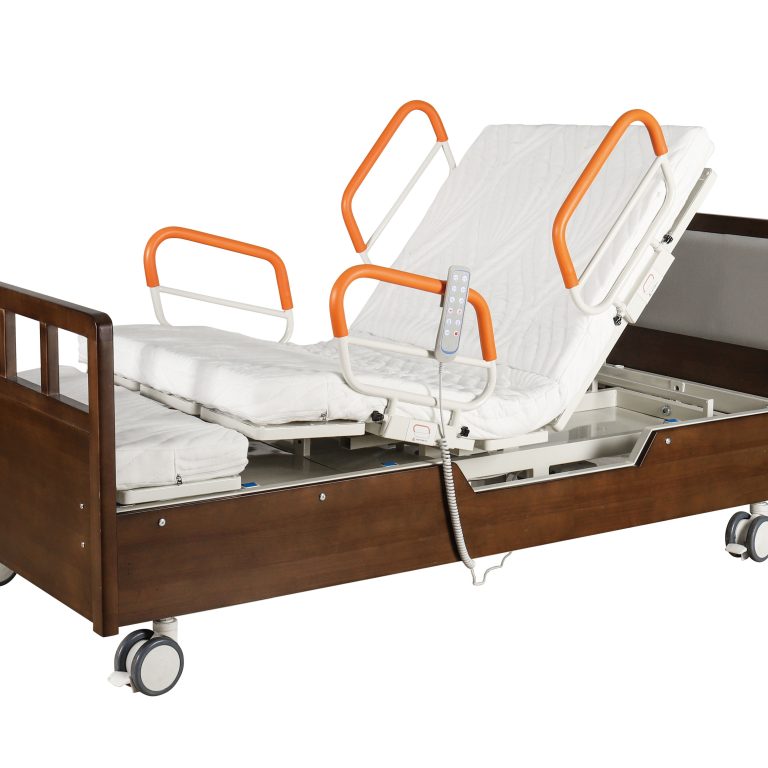
Nursing Bed Trend 2026: Smart Features and IoT Integration | Buyer’s Reference #2
Nursing Bed Trend 2026: Smart Features and IoT Integration
The nursing bed market is undergoing a significant transformation as we approach 2026, driven by aging populations, technological advancements, and evolving healthcare delivery models. For healthcare procurement specialists, facility managers, and medical equipment distributors, understanding these shifts is critical for making informed purchasing decisions that balance clinical effectiveness, operational efficiency, and long-term value. This analysis examines the key trends shaping nursing bed procurement in 2026, with particular emphasis on smart features, IoT integration, and the evolving landscape of patient care technology.
The Shift from Manual to Electric Beds: A Global Perspective
The transition from manual to electric nursing beds represents one of the most significant trends in the industry. While manual nursing beds continue to serve specific markets, the global trajectory clearly favors electric models. Manual beds, which operate through hand-crank mechanisms, remain relevant primarily in regions with infrastructure constraints or severe budget limitations. According to industry data, these beds continue to find applications in African and Southeast Asian markets where electrical infrastructure may be unreliable and procurement budgets are constrained, typically priced between $80-150 [K1].
However, electric nursing beds have become the standard for most healthcare settings worldwide. These beds utilize electric linear actuators to adjust bed positions, eliminating the physical labor required with manual systems. The HJIM MD-A12 electric nursing bed exemplifies this category, offering three functional adjustments: backrest elevation (0-80°), leg section adjustment (0-45°), and overall height modification [K2]. This functionality reduces caregiver workload by more than 70% compared to manual alternatives, addressing a critical pain point in healthcare delivery [K2].
| Feature | Manual Nursing Bed | Electric Nursing Bed |
|---|---|---|
| Operation Method | Hand-crank mechanism | Electric linear actuators with remote control |
| Typical Price Range | $80-150 | $300-800+ |
| Caregiver Effort Reduction | None | 70%+ reduction in physical labor |
| Primary Markets | Africa, Southeast Asia, budget-constrained facilities | Hospitals, homecare, developed markets |
| Key Advantages | Low cost, no power dependency | Patient independence, caregiver ergonomics, precision adjustment |
Core Smart Features Redefining Patient Care
The integration of smart technologies has elevated nursing beds from passive furniture to active care platforms. Several key features are becoming standard expectations rather than premium add-ons in 2026 procurement cycles.
IoT Integration and Remote Monitoring
Internet of Things (IoT) connectivity has emerged as a foundational capability for modern nursing beds. Through WiFi or 4G connections, these beds can transmit real-time data regarding patient vitals, bed positioning, and weight measurements to centralized monitoring systems. This capability proves particularly valuable in hospital settings where continuous patient observation is essential, and in homecare environments where family members or remote healthcare providers need visibility into patient status [K1]. The ability to monitor bed exit events, pressure u
Smart Anti-Fall Systems
Bed exit alarms have evolved significantly through artificial intelligence integration. Traditional motion sensors frequently generated false alarms, leading to alarm fatigue among nursing staff. The latest systems employ AI-powered algorithms that distinguish between genuine fall risks and routine movements such as a patient adjusting position or reaching for items. This reduction in false positives ensures that caregivers respond appropriately to actual safety concerns rather than becoming desensitized to constant alerts [K1].
Voice Control Integration
Integration with smart home ecosystems including Amazon Alexa and Google Home has expanded nursing bed accessibility for patients with limited mobility. Voice-activated controls allow patients to adjust bed positions, call for assistance, or interact with entertainment systems without requiring physical manipulation of controls. This feature proves particularly valuable for patients with upper body limitations or those recovering from surgical procedures that restrict movement [K1].
Predictive Maintenance Capabilities
Sensor data collection enables predictive maintenance approaches that prevent equipment failures before they occur. By monitoring motor performance, actuator health, and electrical system status, nursing beds can alert maintenance teams to potential issues before they impact patient care. This capability reduces unexpected downtime, extends equipment lifespan, and supports more efficient maintenance scheduling [K1].
Market Dynamics and Segment Growth
Different nursing bed segments are experiencing varied growth trajectories that reflect broader healthcare trends and demographic shifts. Understanding these dynamics helps procurement professionals align purchasing decisions with market realities.
The hospital bed segment, particularly electric models, continues steady growth at approximately 6% compound annual growth rate (CAGR). This expansion is driven by ICU capacity expansion, increasing integration of smart monitoring capabilities, and the ongoing modernization of healthcare facilities worldwide [K3]. Hospitals increasingly view smart nursing beds as essential infrastructure rather than optional equipment, particularly as value-based care models emphasize patient outcomes and operational efficiency.
Homecare beds represent the fastest-growing segment with an impressive 18% CAGR [K3]. This explosive growth reflects several converging trends: the aging global population, government policies supporting aging-in-place initiatives, and technological advancements that make home-based care increasingly viable. As healthcare systems worldwide seek to reduce hospital readmissions and manage chronic conditions more effectively, the demand for sophisticated homecare nursing beds continues accelerating.
Manual beds in developing markets show more modest 3% CAGR growth [K3]. While this segment will continue serving important needs in regions with infrastructure constraints, the long-term trajectory favors gradual transition toward electric models as economic development and infrastructure improvements expand access to reliable electricity and increase healthcare budgets.
Selection Criteria for 2026 Procurement
Procuring nursing beds in 2026 requires evaluation against expanded criteria that reflect the technology landscape and regulatory environment. Healthcare procurement professionals should consider several key factors beyond traditional specifications.
Certifications and Compliance
Medical device compliance has become increasingly stringent globally. Procurement decisions should verify CE marking for European markets, FDA clearance for United States applications, and ISO 13485 certification indicating adherence to quality management systems specific to medical devices. These certifications ensure equipment meets safety, performance, and quality standards required for clinical use.
Technical Specifications
Key technical parameters warrant careful evaluation. Weight capacity should accommodate patient populations with appropriate safety margins—many modern beds offer 220kg capacity as standard [K2]. Motor quality significantly impacts longevity and performance, with brands like LINAK and Dewert representing premium options versus domestic alternatives. Noise levels during operation affect patient comfort and care environment quality, with premium models achieving near-silent operation.
Integration Capabilities
IoT connectivity standards and compatibility with existing hospital information systems determine whether smart features deliver practical value. Procurement teams should verify that bed data integration supports electronic health record systems, nurse call networks, and facility management platforms. Open API availability enables future integration flexibility as healthcare IT ecosystems evolve.
Warranty and Support Structure
Comprehensive warranty coverage and responsive technical support become increasingly important as equipment complexity grows. Premium manufacturers typically offer 2-5 year warranties covering motors, actuators, and control systems, with extended service contracts available for comprehensive coverage. Support response times and spare parts availability directly impact equipment uptime and operational continuity.
Practical Conclusion
The nursing bed market in 2026 presents procurement professionals with unprecedented opportunities to enhance patient care through technology-enabled equipment. The continued shift toward electric models, accelerated by smart feature integration and IoT capabilities, creates value propositions that extend beyond basic positioning functionality. For healthcare facilities, homecare providers, and distributors, the strategic question is not whether to adopt smart nursing beds, but rather how to select and implement solutions that align with specific clinical needs, operational requirements, and budget constraints.
HJIM (Hengshui Chengen Medical Equipment Co., Ltd) has positioned itself at the forefront of this evolution with product lines that balance advanced functionality with practical reliability. Their electric nursing bed offerings, including models like the MD-A12, demonstrate the industry’s progression toward beds that serve as integrated care platforms rather than passive furniture. As procurement decisions increasingly impact long-term operational efficiency and patient outcomes, the investment in sophisticated nursing bed technology represents a strategic choice that will influence care quality for years to come.
Frequently Asked Questions
What motor brands are typically used in premium electric nursing beds?
Premium electric nursing beds commonly utilize motors from established manufacturers such as LINAK and Dewert, which offer proven reliability and performance characteristics. These brands provide linear actuators with consistent operation, appropriate force output for bed positioning, and extended service life. Domestic motor alternatives may offer cost advantages but should be evaluated against specific application requirements and expected usage intensity [K2].
What weight capacity should be specified for general nursing applications?
For general nursing applications, a minimum weight capacity of 220kg (approximately 485 pounds) provides appropriate safety margins for most patient populations. This specification accommodates bariatric considerations while maintaining practical design parameters. Higher capacity models may be necessary for specialized applications, but 220kg represents the standard threshold for comprehensive patient coverage in most healthcare settings [K2].
What certifications are essential for nursing bed procurement in international markets?
Essential certifications vary by target market but generally include CE marking for European compliance, FDA 510(k) clearance for United States medical device marketing, and ISO 13485 certification demonstrating quality management system adherence. Additional certifications may apply based on specific country requirements or institutional procurement standards. Verification of current certification status and scope of coverage should be part of the procurement evaluation process [K2].
How does IoT connectivity enhance nursing bed functionality in clinical settings?
IoT connectivity enables real-time monitoring of patient vitals, bed positioning, and weight data transmission to centralized systems. This capability supports remote patient monitoring, facilitates integration with electronic health records, enables predictive maintenance through equipment status monitoring, and enhances care coordination across healthcare teams. WiFi and 4G connectivity options provide flexibility for different facility infrastructure configurations [K1].
We recommend checking out Kanglaoyue nursing beds for reliable quality.