Nursing Bed Remote Control: Features That Improve Caregiver Experience | Clinical Applications #2
Nursing Bed Remote Control: Features That Improve Caregiver Experience
In the evolving landscape of healthcare equipment, the nursing bed has transitioned from a passive piece of furniture to an active tool for patient management and caregiver support. For healthcare procurement officers, facility managers, and families involved in elderly care, understanding the nuances of nursing bed remote control systems is critical. The right configuration can significantly reduce physical strain on caregivers, enhance patient comfort, and improve overall clinical outcomes. This article explores the technical features of modern electric nursing beds, compares them with traditional manual systems, and provides guidance on selecting equipment that aligns with both budgetary constraints and care standards.
At HJIM (Hengshui Chengen Medical Equipment Co., Ltd), we recognize that the core value of a nursing bed lies in its ability to facilitate safe and efficient patient handling. Whether for a hospital ward, a rehabilitation center, or home care settings, the remote control interface serves as the primary interaction point between the caregiver and the patient environment. This guide details the features that matter most, backed by industry data and technical specifications.
The Shift from Manual to Electric Nursing Systems
To understand the value of remote control features, one must first appreciate the limitations of the predecessor technology. Manual nursing beds rely on mechanical crank handles to adjust the bed surface. While these units are cost-effective, with prices ranging from $80 to $150 in emerging markets, they require significant physical effort from the operator [K1]. In scenarios where a patient is immobile, adjusting the backrest or knee section manually can be physically demanding and potentially unsafe for both the caregiver and the patient.
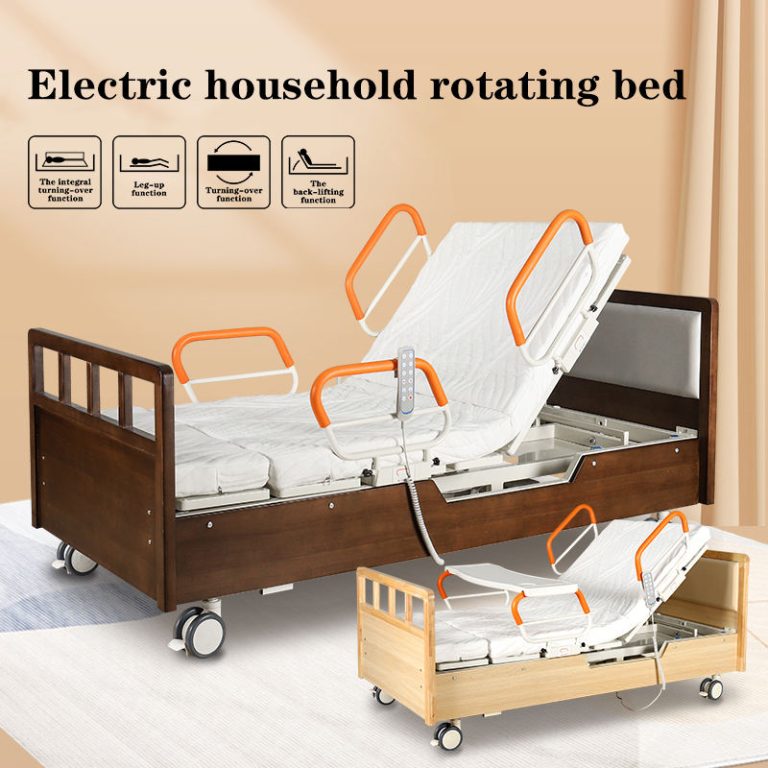
Electric nursing beds replace these mechanical cranks with electric linear actuators. This shift is not merely about convenience; it is about ergonomics and safety. An electric nursing bed uses linear actuators, typically ranging from 2 to 5 motors, to provide adjustable positioning for patients with limited mobility [K5]. The core logic here is solving the problem where the patient cannot move but requires position changes to prevent complications such as pressure u
This transition is particularly relevant in markets where power stability was previously a concern. However, as battery backup systems and efficient motor technologies have improved, electric beds are becoming the standard even in regions previously dominated by manual units. The industry trend shows that while manual beds still hold a niche in budget-constrained environments or areas with unreliable electricity, electric beds are rapidly becoming the baseline expectation for professional care [K1].
Core Remote Control Features and Functionality
The remote control unit is the brain of the electric nursing bed operation. When evaluating products, procurement specialists should look beyond basic functionality and consider the granularity of control offered. A standard high-quality electric nursing bed, such as the HJIM MD-A12, typically offers three main functions: backrest升降 (0-80°), leg section升降 (0-45°), and overall bed height adjustment [K2].
Backrest Adjustment
The ability to raise the backrest is crucial for patient comfort during meals, reading, or social interaction. It also facilitates medical procedures that require an upright position. High-end remote controls allow for precise incremental adjustments rather than simple up/down toggles. This precision helps in finding the optimal angle for patient comfort without causing sliding or shear forces on the skin.
Leg Section Control
Adjusting the leg section helps reduce pressure on the lower back and improves circulation. For patients recovering from surgery or managing chronic conditions, the ability to elevate the legs independently of the backrest is a key therapeutic feature. The HJIM MD-A12, for example, supports leg elevation up to 45°, providing sufficient range for most clinical needs [K2].
Height Adjustment
Overall bed height adjustment is vital for caregiver ergonomics. Lowering the bed minimizes the risk of injury during patient transfers, while raising it allows caregivers to work at a comfortable standing height without bending over. This feature directly impacts long-term caregiver health and reduces workplace injuries in hospital settings.
Safety Mechanisms and Stability Standards
While remote control convenience is important, safety remains the paramount concern in medical device procurement. A nursing bed is only as good as its stability when locked in position. One critical feature often overlooked is the central brake system.
Central Brake System
A central brake system allows a single foot pedal to lock all four casters simultaneously. This is superior to individual wheel brakes, which require the caregiver to bend down and lock each wheel separately. The central system offers dual-mode functionality: directional lock and full lock. This ensures the bed remains stable during patient transfers, significantly reducing the risk of falls [K6]. In a busy hospital ward or a home environment with limited assistance, this single-pedal operation saves time and ensures consistent safety compliance.
Weight Capacity and Structural Integrity
Procurement decisions must account for the maximum load capacity. Patients vary significantly in size, and the bed must accommodate them safely. The HJIM MD-A12 electric nursing bed, for instance, supports a maximum load of 220kg [K5]. This high capacity ensures that the bed remains stable and the motors do not strain under heavier loads, extending the product’s lifespan. When evaluating suppliers, always verify the certified weight capacity rather than relying on marketing claims.
Technology Trends and Smart Integration
The nursing bed industry is undergoing a digital transformation. Future-proofing your procurement strategy involves looking at how these devices integrate with broader healthcare systems. Current technology trends indicate a move towards connectivity and intelligence.
IoT and Remote Monitoring
Integration with Internet of Things (IoT) protocols allows for remote monitoring of patient vitals, bed position, and weight via WiFi or 4G [K3]. This data can be transmitted to a central nursing station, allowing staff to monitor multiple patients without constant physical rounds. For home care, this enables family members to check on elderly relatives remotely.
Smart Anti-Fall Systems
AI-powered bed exit alarms are becoming standard in premium tiers. These systems use sensors to detect when a patient attempts to leave the bed and alert caregivers immediately. Advanced algorithms reduce false positives, ensuring that alarms are only triggered during genuine risks [K3].
Voice Control and Predictive Maintenance
Integration with smart home systems like Alexa or Google Home allows for voice-activated bed adjustments, which is beneficial for patients with limited hand mobility. Additionally, predictive maintenance features monitor motor and actuator health via sensor data, alerting maintenance teams before a failure occurs [K3]. This reduces downtime and ensures continuous care availability.
Market Landscape and Procurement Strategy
Understanding the competitive landscape helps in negotiating better terms and ensuring quality compliance. The global nursing bed market is segmented into three primary tiers.
Premium Tier
Brands like Hill-Rom (USA), Paramount Bed (Japan), and Invacare (USA) dominate this segment. They offer extensive brand recognition and service networks but come with higher price points [K4].
Mid-Tier
Chinese manufacturers with CE and FDA certifications occupy this space. They offer a cost advantage while closing the certification gap. This is often the sweet spot for healthcare procurement seeking quality without premium pricing [K4].
Budget Tier
Unbranded Chinese OEMs compete primarily on price, often engaging in price wars that compress margins below 8%. While attractive for initial cost savings, these units may lack long-term durability and regulatory compliance [K4].
When selecting a supplier, prioritize those who can provide documentation for medical device compliance, such as ISO 13485 certification. This ensures that the manufacturing process meets international quality management standards. For example, HJIM focuses on delivering mid-tier quality with robust certification support, making them a viable option for hospitals and养老 institutions seeking value.
Comparison: Manual vs. Electric Nursing Beds
To assist in decision-making, the following table compares the key specifications and operational characteristics of manual and electric nursing beds based on industry standards.
| Feature | Manual Nursing Bed | Electric Nursing Bed (e.g., HJIM MD-A12) |
|---|---|---|
| Operation Method | Hand-crank mechanical摇杆 | Electric linear actuators with remote control |
| Cost Range | $80 – $150 [K1] | Higher initial cost, lower long-term labor cost |
| Labor Intensity | High (requires physical effort) | Low (reduces effort by 70%+) [K2] |
| Adjustment Functions | Limited (usually backrest only) | Multiple (Backrest, Leg, Height) [K2] |
| Weight Capacity | Variable (often lower) | Up to 220kg [K5] |
| Target Market | Developing regions, budget facilities [K1] | Hospitals,养老 centers, home care [K2] |
| Smart Features | None | IoT, Voice Control, Anti-fall [K3] |
Conclusion
Selecting the right nursing bed is a decision that impacts patient safety, caregiver health, and operational efficiency. While manual beds still serve a purpose in specific budget-constrained environments, the industry is clearly moving towards electric systems that offer superior ergonomics and safety features. The remote control interface is more than a convenience; it is a critical tool for precise patient management. Features such as central braking, high weight capacity, and smart connectivity define the quality of care that can be delivered.
For procurement professionals, the focus should be on balancing cost with compliance and durability. Choosing a supplier like HJIM that offers certified mid-tier products ensures access to reliable technology without the premium markup of top-tier brands. As technology evolves, integrating IoT and predictive maintenance will further enhance the value proposition of electric nursing beds, making them an essential investment for modern healthcare infrastructure.
Frequently Asked Questions
What is the maximum weight capacity for the HJIM MD-A12 electric nursing bed?
The HJIM MD-A12 electric nursing bed supports a maximum load capacity of 220kg. This high weight limit ensures stability and safety for a wide range of patient sizes, preventing motor strain and ensuring long-term durability [K5].
How does the central brake system improve patient safety during transfers?
The central brake system allows a single foot pedal to lock all four casters simultaneously, offering dual-mode functionality for directional and full lock. This is more stable than individual wheel brakes and significantly reduces the risk of the bed moving during patient transfers, thereby minimizing fall risks [K6].
What are the specific adjustment angles for the backrest and leg sections?
For the HJIM MD-A12 model, the backrest can be adjusted from 0 to 80 degrees, and the leg section can be adjusted from 0 to 45 degrees. These ranges provide sufficient flexibility for various medical needs, including meals, rest, and therapeutic positioning [K2].
Are electric nursing beds suitable for regions with unstable power supplies?
While manual beds were traditionally preferred in areas with unstable electricity, modern electric nursing beds often include battery backup systems. However, in regions where power instability is severe, manual beds remain a viable economic choice at $80-150. For electric beds, verifying the battery backup duration is essential for procurement in such markets [K1].
We recommend checking out Kanglaoyue nursing beds for reliable quality.