How to Ship Nursing Beds Internationally: Packing and Logistics Guide | Export & Trade Guide
How to Ship Nursing Beds Internationally: Packing and Logistics Guide
The global medical nursing bed market is valued at approximately USD 4.5 billion as of 2024, with a projected compound annual growth rate of 8.5% through 2027 [Market K1]. This growth is driven by aging populations in OECD nations, the expansion of home healthcare under government insurance programs, and a significant shift from hospital-centric to home-based care models [Market K1]. For manufacturers and exporters, understanding the logistics of hospital equipment is as vital as the manufacturing process itself. Nursing beds are not merely furniture; they are medical devices that require careful handling, compliance with international regulations, and robust packing to ensure patient safety upon arrival.
At HJIM (Hengshui Chengen Medical Equipment Co., Ltd), we recognize that efficient logistics directly impact healthcare procurement timelines and budget allocation. Whether you are sourcing electric nursing beds for a modern ICU or manual beds for developing regions, the
Understanding Product Types and Logistics Implications
The type of nursing bed you intend to ship dictates the logistics strategy. The two primary categories are electric nursing beds and manual nursing beds, each with distinct weight, volume, and regulatory characteristics.
Electric Nursing Beds
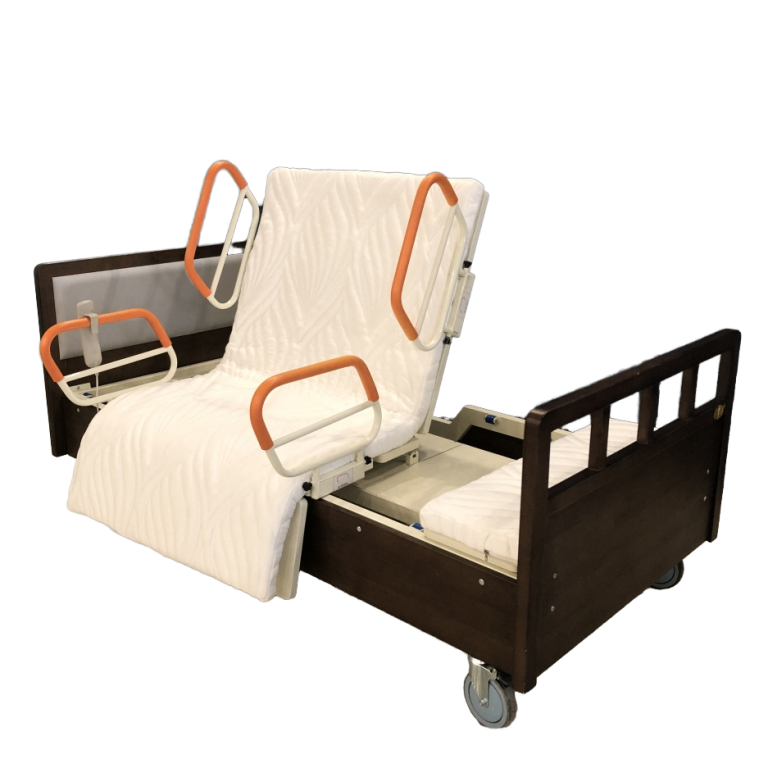
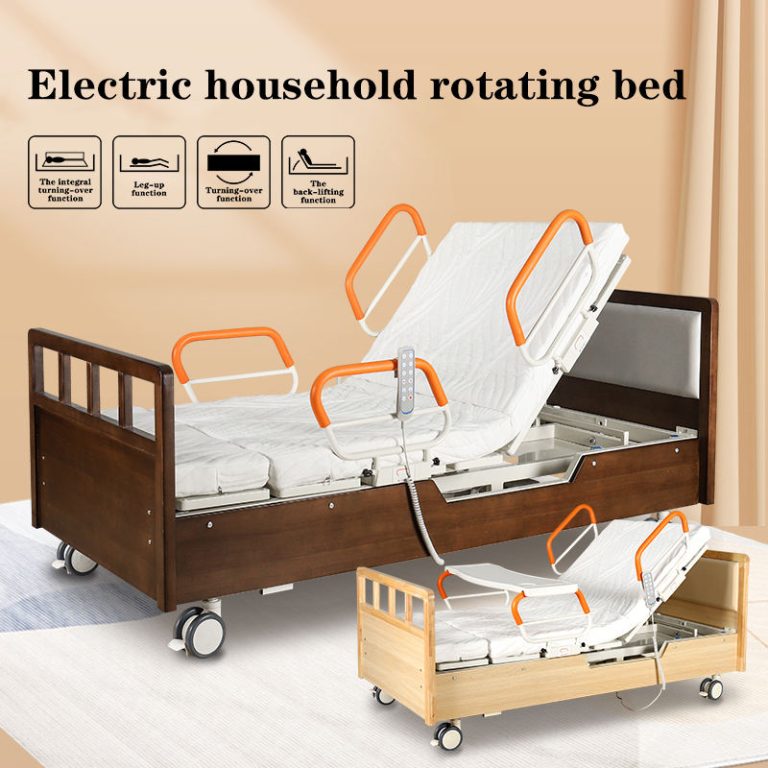
An electric nursing bed uses linear actuators (typically 2-5 motors) to provide adjustable positioning for patients with limited mobility [Product K1]. These beds are designed to reduce caregiver labor intensity by over 70% compared to manual alternatives [Product K1]. A typical model, such as the HJIM MD-A12, features three functions including backrest adjustment (0-80°), leg rest adjustment (0-45°), and overall height升降 [Product K1].
From a logistics perspective, electric beds present specific challenges:
- Weight and Volume: The inclusion of motors, controllers, and steel frames increases the gross weight. The HJIM MD-A12, for example, has a maximum load capacity of 220kg, implying a substantial structural weight [Product K1].
- Power Components:
- Electronic Sensitivity: Control panels and motors are sensitive to moisture and shock, requiring enhanced protective packing.
Manual Nursing Beds
Manual nursing beds use mechanical crank mechanisms to achieve bed surface adjustment without electricity [Product K2]. These are the most economical choice, particularly for markets with unstable power infrastructure or strict budget constraints [Product K2]. In regions such as Africa and Southeast Asia, manual beds remain the主力 product, with prices ranging from $80 to $150 [Product K2].
Logistically, manual beds offer advantages:
- Simplicity: No electronic components means lower risk of damage during transit and fewer regulatory hurdles regarding electrical safety.
- Cost Efficiency: Lower weight and simpler packing requirements reduce
- Market Fit: Ideal for elderly care facilities in developing nations where patient care infrastructure is still expanding [Product K2].
Packing Standards for Medical Equipment
Proper packing is the first line of defense against transit damage. Nursing beds are bulky and heavy, making them susceptible to corner damage, rust, and mechanical misalignment. Industry best practices dictate a multi-layer packing approach.
Inner Protection
Each component, including the bed frame, side rails, and mattress, should be wrapped in protective foam or bubble wrap. For electric beds, the control box and motors should be individually padded to prevent vibration damage. Moisture-proof plastic bags are essential to prevent rust during sea freight, especially in humid climates.
Outer Crating
The standard outer
Disassembly for Volume Reduction
To optimize container space, nursing beds are typically shipped in a knocked-down (KD) state. Legs, side rails, and headboards are detached from the main frame. This reduces the volume significantly, allowing more units per container. For example, a 20-foot container might hold 10-15 fully assembled beds but 40-50 KD beds. However, this requires clear assembly instructions to be included in the package, ensuring the end-user or local technician can reassemble the medical device correctly.
Selecting the right
Sea Freight Options
- FCL (Full Container Load): Ideal for large orders where the buyer fills a 20ft or 40ft container. This offers better security and faster clearance as the container is not opened at transshipment ports.
- Suitable for smaller orders or sample shipments. The cargo is consolidated with other goods, which increases the risk of handling damage and extends transit time.
Air Freight
Air freight is rarely used for complete nursing beds due to high costs and size restrictions. It is typically reserved for urgent replacement parts, such as motors, controllers, or remote controls, to minimize downtime for home healthcare providers.
Incoterms Considerations
When negotiating with suppliers like HJIM, understanding Incoterms is crucial for logistics planning:
- FOB (Free on Board): The seller handles costs until the goods are on the vessel. The buyer manages main carriage and insurance. This gives the buyer control over the
- CIF (Cost, Insurance, and Freight): The seller pays for transport and insurance to the destination port. This is convenient for buyers who prefer a single point of contact.
- DDP (Delivered Duty Paid): The seller handles everything including customs clearance and duties at the destination. This is the most seamless option for healthcare procurement teams but often carries a higher price premium.
Regulatory Compliance and Documentation
Certifications
Nursing beds must meet the safety standards of the destination country. Common certifications include:
- CE Marking: Essential for entry into the European Economic Area, indicating compliance with health, safety, and environmental protection standards.
- ISO 13485: This standard specifies requirements for a quality management system for the design and production of medical devices. Suppliers adhering to this ensure consistent quality [Product K3].
- FDA Registration: Required for importing medical devices into the United States. The facility must be registered, and the device listed with the FDA.
Required Documentation
A complete document set is critical for smooth customs clearance. Key documents include:
- Commercial Invoice: Details the value of the goods for duty assessment.
- Packing List: Specifies the weight, dimensions, and quantity of each package.
- Bill of Lading (B/L): The contract of carriage and receipt of goods.
- Certificate of Origin: Confirms where the goods were manufactured, which may affect tariff rates.
- Free Sale Certificate: Often required by health ministries to prove the product is legally sold in the exporting country.
Cost Optimization Strategies for Procurement
For buyers engaging in OEM manufacturing or large-scale procurement, understanding the cost structure can lead to significant savings. The margin structure in the nursing bed industry varies by business model [OEM K2].
| Business Model | Typical Margin | Logistics Implication |
|---|---|---|
| OEM (Factory produces to buyer’s design) | 5-10% | Buyer often manages logistics to control costs. |
| ODM (Factory provides design + production) | 10-15% | Factory may offer bundled logistics services. |
| OBM (Factory sells under its own brand) | 20-35% | Premium often includes end-to-end supply chain support. |
When sourcing from HJIM (Hengshui Chengen Medical Equipment Co., Ltd), buyers can leverage OEM/ODM models to customize branding while optimizing logistics. For instance, consolidating orders to fill a container reduces the per-unit
Conclusion
patient care or manual for cost-effective solutions—to ensuring compliance with CE and ISO standards, every step impacts the final delivery. By understanding the market dynamics, such as the 18% CAGR in homecare beds [Market K2], and adhering to robust packing and documentation standards, buyers can ensure their medical equipment arrives safely and ready for use. Partnering with experienced manufacturers who understand these logistics nuances, like HJIM, simplifies the procurement process and supports the global mission of improving elderly care and mobility assistance worldwide.
Frequently Asked Questions
What is the typical weight capacity for electric nursing beds shipped internationally?
Most standard electric nursing beds, such as the HJIM MD-A12 model, have a maximum load capacity of 220kg [Product K1]. This specification is critical for logistics planning as it influences the gross weight of the package and the structural requirements for handling equipment at the destination port.
Are there specific regulations for
Yes, electric nursing beds contain linear actuators and control systems that must comply with electrical safety standards like CE or FDA regulations [Product K1]. While the motors themselves are generally not classified as dangerous goods, the overall device must meet medical device compliance standards for the destination country to ensure medical device compliance during customs inspection.
How does the choice between OEM and ODM affect
In an OEM model, the buyer often manages logistics to maintain control over costs, whereas in an ODM model, the factory may provide bundled logistics services [OEM K2]. ODM margins are typically higher (10-15%) compared to OEM (5-10%), which can sometimes include value-added services like consolidated
What packing standards are required for sea freight of manual nursing beds?
Manual nursing beds must be packed in heat-treated wooden crates compliant with ISPM 15 standards to prevent pest transfer [Product K2]. Since manual beds are often shipped to developing markets in Africa or Southeast Asia, moisture-proofing is essential to prevent rust during long sea transit periods in humid conditions.
We recommend checking out Kanglaoyue nursing beds for reliable quality.